11 Dragonfly Facts for Kids
Have you ever seen a shiny insect zooming quickly over a pond? These dragonfly facts for kids will introduce you to one of the most fascinating insects in nature. Dragonflies are known for their large eyes, colorful bodies, and incredible flying skills. In this guide, you’ll learn what dragonflies are, explore new vocabulary, try fun activities, and discover stories about these amazing insects.
***Disclosure: This post contains an Amazon affiliate link that at no additional cost to you, I may earn a small commission when you purchase through the link from my blog. Thank you for your support!
Table of Contents
- What is a Dragonfly?
- Teaching Resources
- 11 Dragonfly Facts For Kids
- Additional Resources
- Dragonfly Related Vocabulary Words
- Dragonfly Activity Ideas For Kids
- Dragonfly Related Stories and Myths
Check out these blog posts:

What is a Dragonfly?
A dragonfly is a flying insect that belongs to a group called Odonata. Dragonflies have long, thin bodies, large wings, and huge eyes that help them see almost all the way around them. They are excellent hunters and eat mosquitoes, flies, and other small insects. Dragonflies spend part of their life underwater as young insects called nymphs, and then they grow wings and become adult dragonflies that can fly.
Teaching Resources


11 Dragonfly Facts for Kids
1. Dragonflies are insects known for their long bodies and large wings.
Dragonflies are easy to recognize because of their long, thin bodies and wide wings. They are colorful insects often seen flying near ponds, lakes, and streams.
Source: National Geographic Kids
2. Dragonflies belong to a group of insects called Odonata.
Dragonflies are part of a scientific group of insects called Odonata, which also includes damselflies. These insects are known for their strong wings and excellent flying abilities.
Source: Britannica
3. Dragonflies have two pairs of strong, transparent wings.
Dragonflies have four wings—two pairs that are strong and clear. These wings help them fly quickly and change direction easily while hunting.
Source: Smithsonian National Zoo

4. Dragonflies are excellent fliers and can move in many directions.
Dragonflies are some of the best fliers in the insect world. They can fly forward, backward, sideways, and even hover in place like a helicopter.
Source: National Geographic
5. Dragonflies have large compound eyes that help them see almost all around them.
A dragonfly’s head is mostly made up of its giant eyes. These eyes allow it to see almost everything around it, which helps it spot prey and avoid danger.
Source: National Geographic Kids
6. A dragonfly’s eyes can contain thousands of tiny lenses.
Dragonfly eyes are called compound eyes because they are made up of thousands of tiny lenses. Each lens helps create a piece of the full picture the dragonfly sees.
Source: Smithsonian Institution
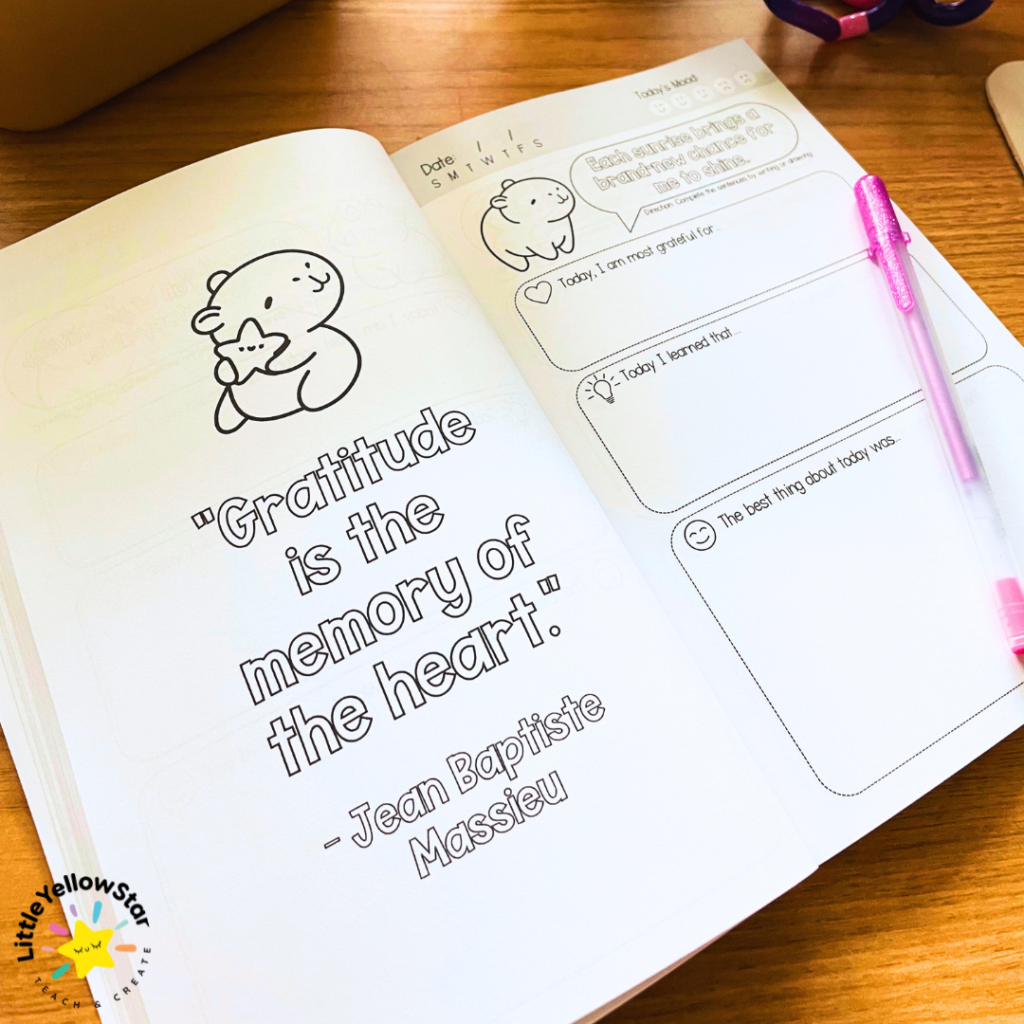
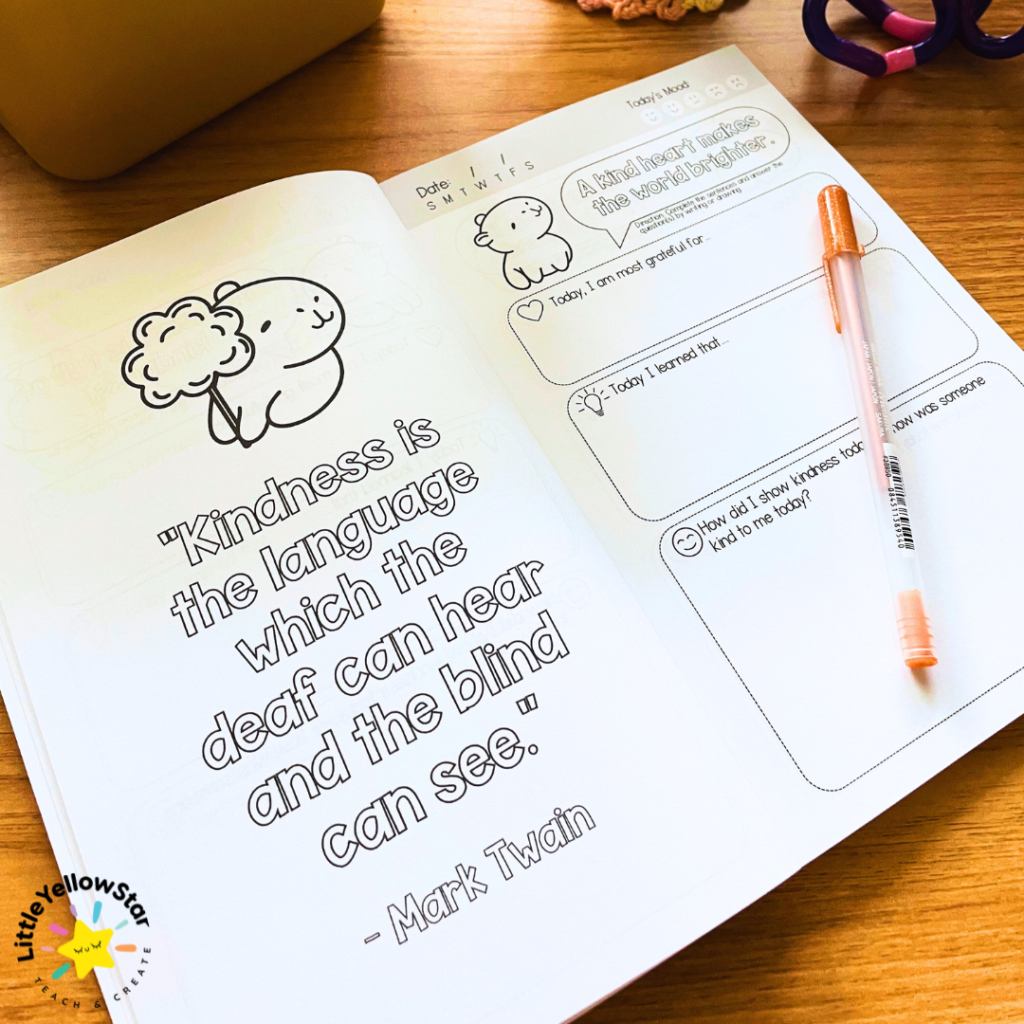
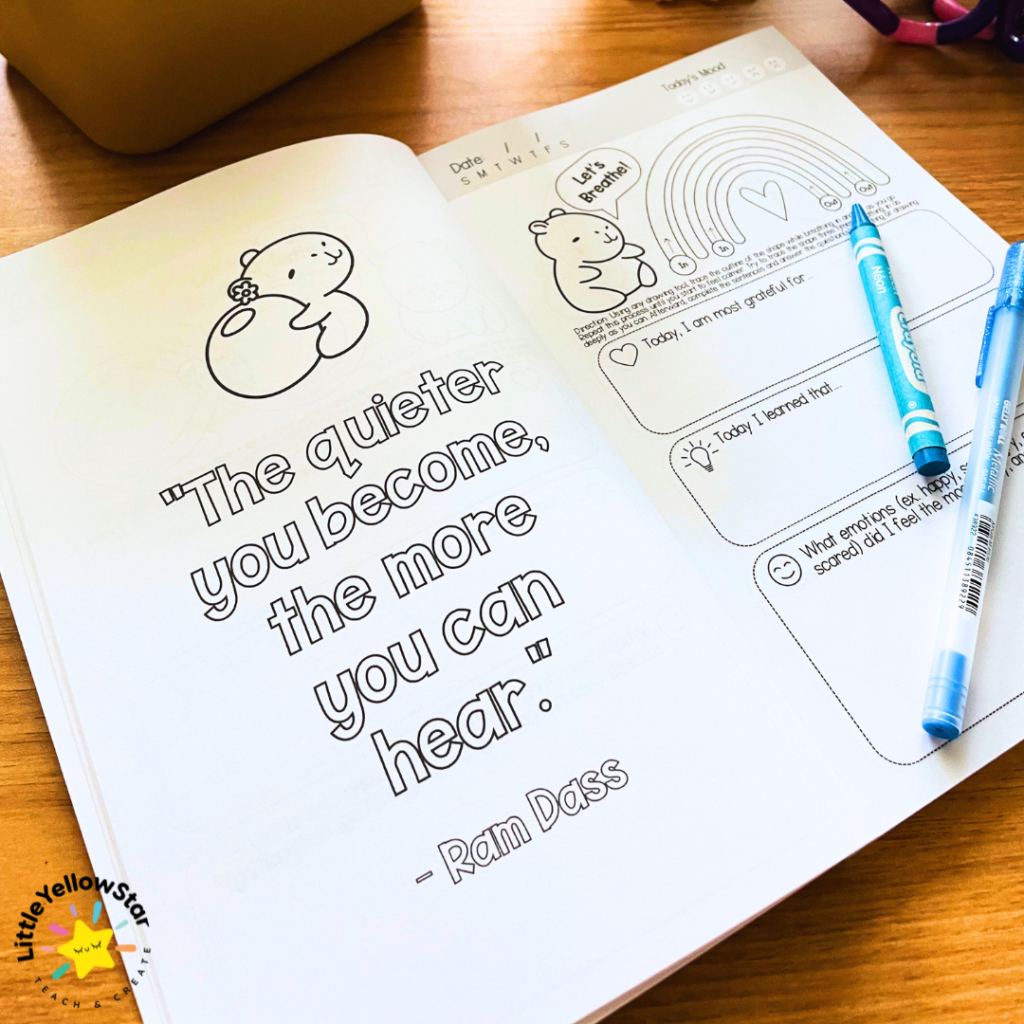
Check Out Capybara-Theme Daily Reflection Journals For Kids!
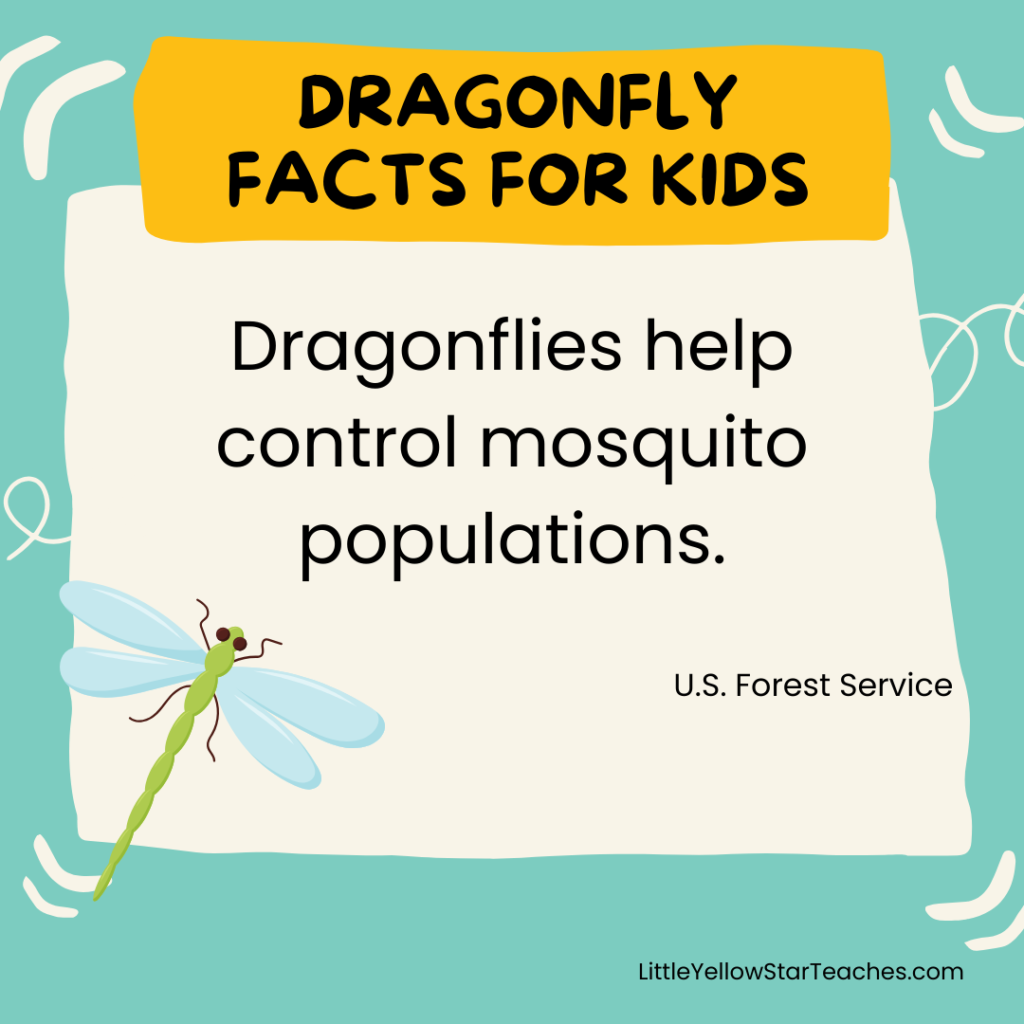
7. Dragonflies help control mosquito populations.
Dragonflies are helpful predators that eat many insects, including mosquitoes. Because they eat so many mosquitoes, they are important for keeping insect populations balanced.
Source: U.S. Forest Service
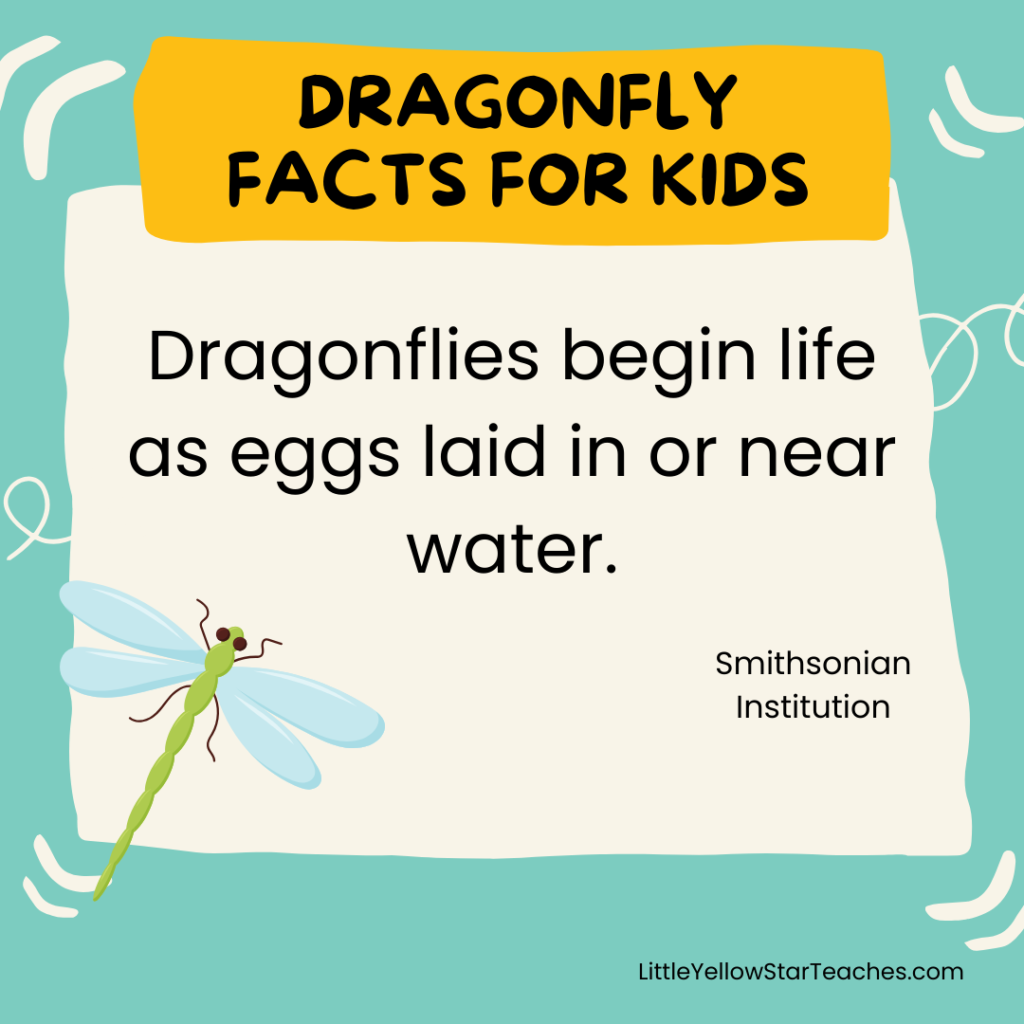
8. Dragonflies begin life as eggs laid in or near water.
Dragonflies start their lives as tiny eggs that are usually laid in water or on plants near water. This watery environment is important for the next stage of their life cycle.
Source: Smithsonian Institution
9. Baby dragonflies are called nymphs.
After the eggs hatch, the young dragonflies are called nymphs. Nymphs live underwater and look very different from the adult dragonflies we see flying in the air.
Source: National Geographic Kids
10. After growing, the nymph climbs out of the water and becomes an adult dragonfly.
When the dragonfly nymph finishes growing, it climbs out of the water onto a plant or rock. Its body changes, and it emerges as a winged adult dragonfly.
Source: Smithsonian Institution
11. Some ancient dragonflies had wingspans larger than two feet.
Millions of years ago, dragonflies were much larger than the ones we see today. Some prehistoric dragonflies had wingspans that stretched over two feet wide!
Source: National Geographic
Additional Resources
Dragonfly Related Vocabulary Words
Learn these important dragonfly words:
- Nymph – The young stage of a dragonfly that lives underwater
- Metamorphosis – The process of changing from a nymph into an adult dragonfly
- Compound eyes – Large eyes made of many tiny lenses that help dragonflies see well
- Habitat – The natural place where dragonflies live, often near ponds or lakes
- Predator – An animal that hunts other animals for food
- Wingspan – The distance from one wing tip to the other
Dragonfly Activity Ideas For Kids
Bring dragonfly facts for kids to life with these fun activities:
- Dragonfly Craft – Make a dragonfly using sticks, paper, or recycled materials
- Pond Observation Walk – Visit a pond and look for dragonflies flying above the water
- Dragonfly Wing Art – Draw or paint colorful dragonfly wings
- Dragonfly Life Cycle Project – Create a diagram showing the stages of a dragonfly’s life
- Insect Hunt Game – Search for insects in a garden or park and identify them
- Build a Pond Habitat – Create a model pond with plants and dragonflies

Dragonfly Related Stories and Myths
Dragonflies appear in many stories and traditions around the world:
- Dragonfly as a Symbol of Change – Many cultures see dragonflies as symbols of transformation and growth
- Japanese Dragonfly Legends – In Japan, dragonflies are symbols of courage and strength
- Native American Stories – Some legends say dragonflies bring messages from nature
- The Water Spirit Tales – Stories about dragonflies living near magical ponds
- Garden Fairy Stories – Magical tales where dragonflies guide fairies through gardens
- Nature Adventure Stories – Children’s stories featuring dragonflies exploring ponds and wetlands
What’s Your Favorite Dragonfly Fact?
Dragonflies are fast, colorful insects that play an important role in nature. Now that you know these dragonfly facts for kids, you can watch for dragonflies near ponds, try fun activities, and share what you’ve learned with others. Keep exploring the natural world—there are always more amazing facts for kids waiting to be discovered!
Bye for now,
Prima from LittleYellowStar
* * *
Other Blog Posts That You Might Enjoy:
- 15 Minutes Daily Social And Emotional Learning Activities For The Classroom (SEL Made Easy)
- 11 Classroom Essential First Year Teacher Must Haves That Won’t Break The Bank
- Meaningful And Fun Back To School Activity: Create A Classroom Wreath!