Stories That Help Children Understand, Name, and Express Their Feelings
Big feelings are a big part of childhood! From happiness and excitement to frustration and sadness, emotions can feel overwhelming—especially for little ones still learning how to manage them. Books about emotions offer a safe, supportive way to help children recognize, understand, and express how they feel.
In this post, I’m sharing my favorite emotions books for kids, organized by age group. I’ve also included helpful activities and reflective questions to support emotional growth at home or in the classroom. Let me know which book helps your little readers connect most deeply with their feelings!
***Disclosure: This post contains an Amazon affiliate link that at no additional cost to you, I may earn a small commission when you purchase through the link from my blog. Thank you for your support!
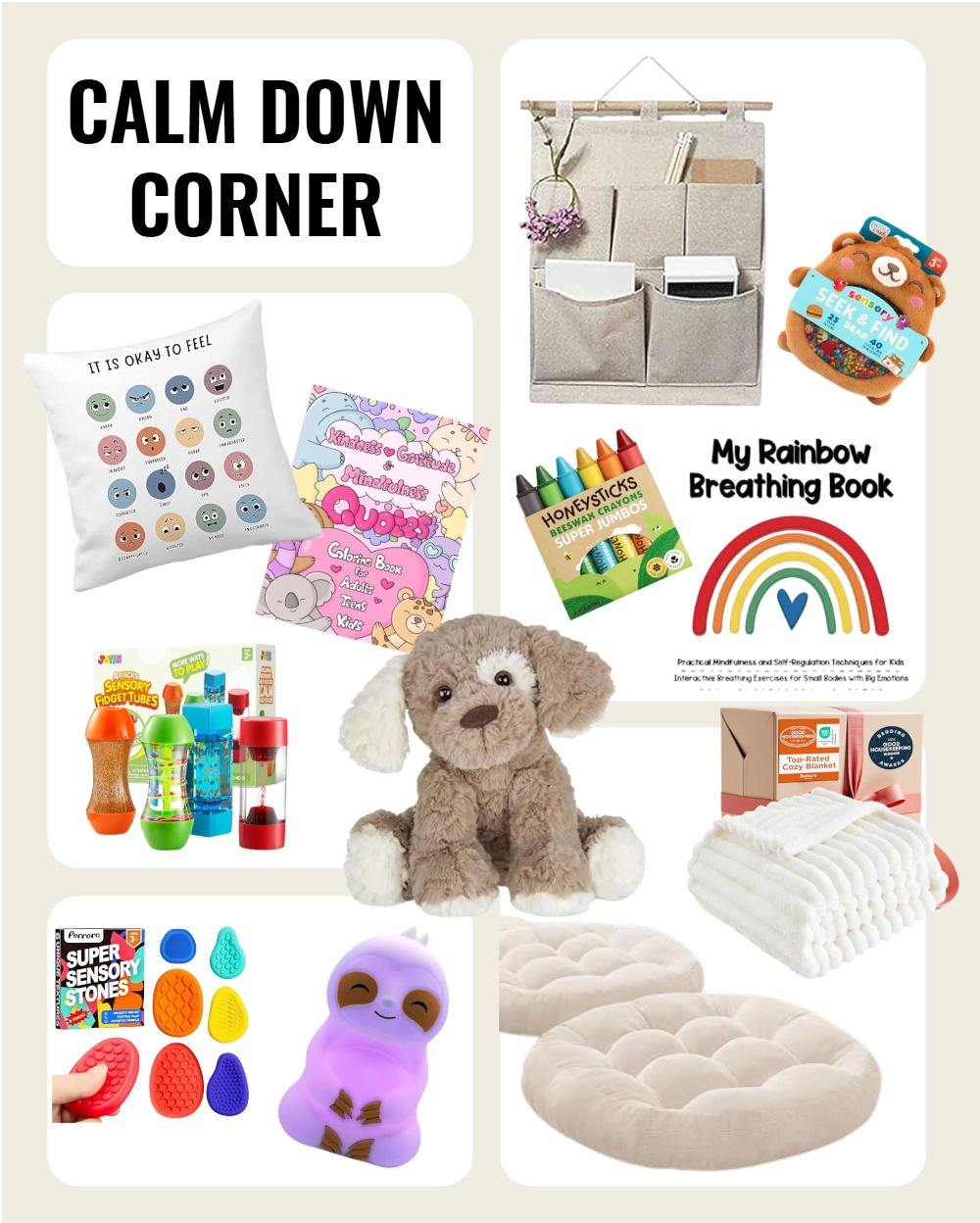
Table of Content
- Why Read Books About Emotions?
- The Role of Books in Teaching Kids about Emotions
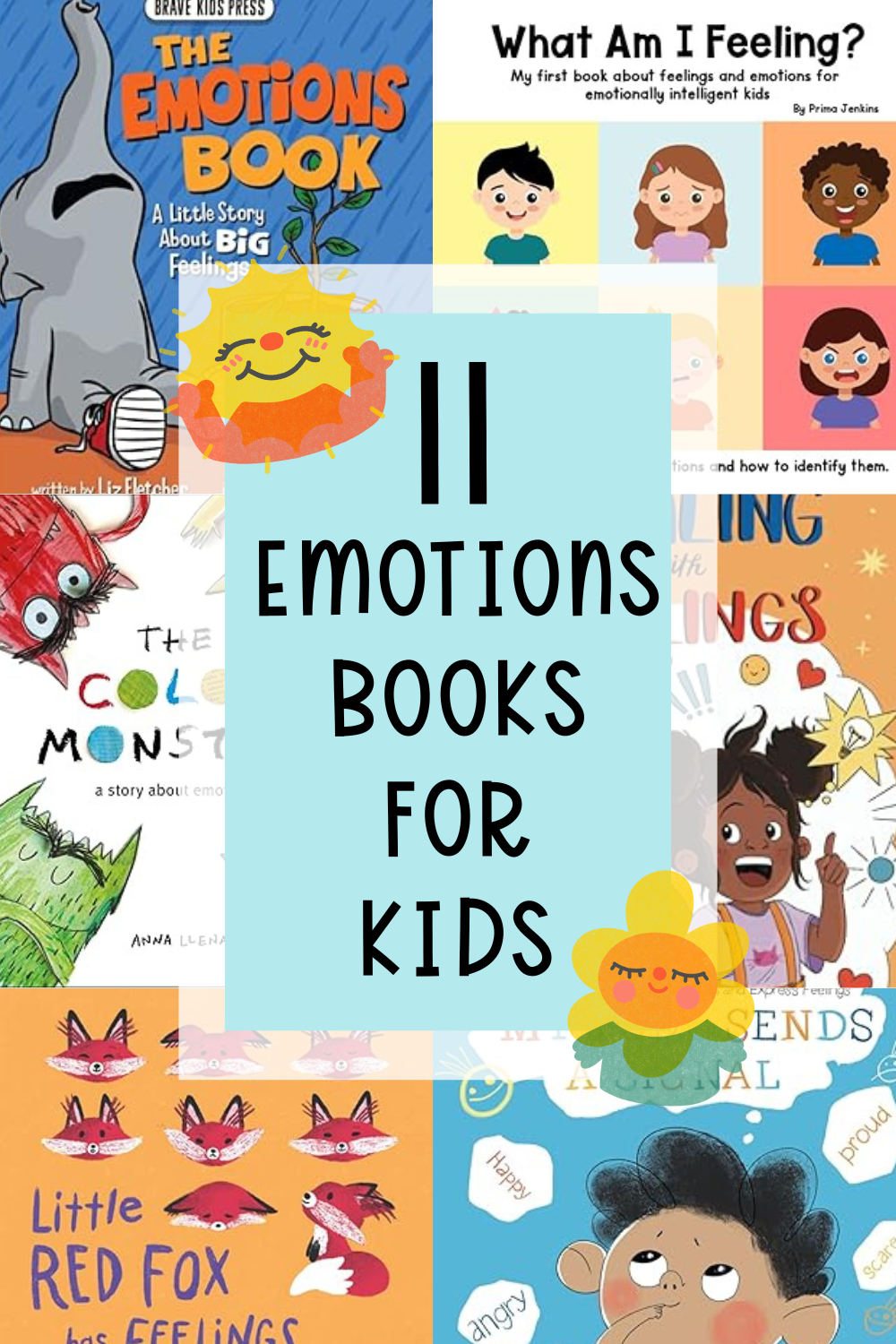
- 11 Emotion Books For Children
- What Emotion Book(s) Are You Going To Read Later?
Why Read Books About Emotions?
Emotions books help children realize that all feelings are okay—and that they can learn how to manage them with care and confidence.
Whether it’s a story about a character feeling left out, overjoyed, angry, or worried, these books help normalize emotional experiences. They show kids they’re not alone and give them language to talk about what’s going on inside.
When children feel seen and understood, they’re more likely to develop self-awareness, resilience, and empathy for others.
The Role of Books in Teaching Kids about Emotions
Books about emotions go beyond naming feelings—they show how emotions work and how we can handle them in healthy ways.
Children learn to recognize body clues (like clenched fists or butterflies in the tummy), identify what triggered the feeling, and discover calming or coping strategies. These books often model emotional regulation through relatable characters and gentle storytelling.
They also help develop emotional vocabulary, which builds stronger communication, relationships, and confidence.
How to Use Books about Emotions with Children
Here are a few fun and meaningful ways to make emotions books stick:
- 🎭 Ask Open-Ended Questions: After reading, ask: Have you ever felt like that character? or What helps you feel better when you’re upset or nervous? Use Turn and Talk in a group to help kids reflect and learn from each other.
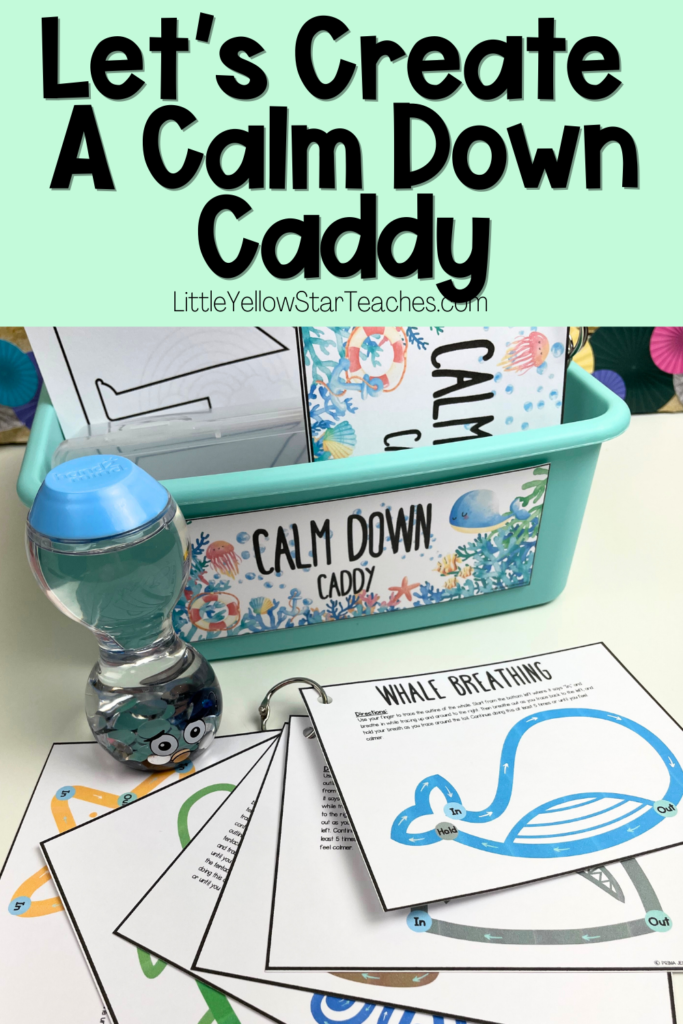
- 🎨 Engage in Emotion-Themed Activities: Create an “Emotion Wheel,” draw feelings faces, build a calm-down toolbox, or use color to match moods in art (e.g., red for angry, blue for sad). Encourage journaling or story writing about a time they felt something big.
- 📚 Refer Back to the Books: When emotions bubble up, remind kids of what a character did. Say, Remember how the character took deep breaths when they were mad? Let’s try that together.
- 👨👩👧 Involve Other Caregivers: Share emotion books and coping tools with families to encourage open conversations at home. Offer reflection prompts like, What was a high and low from your day today?

11 Emotion Books For Children
Younger Children (Ages 3-6)
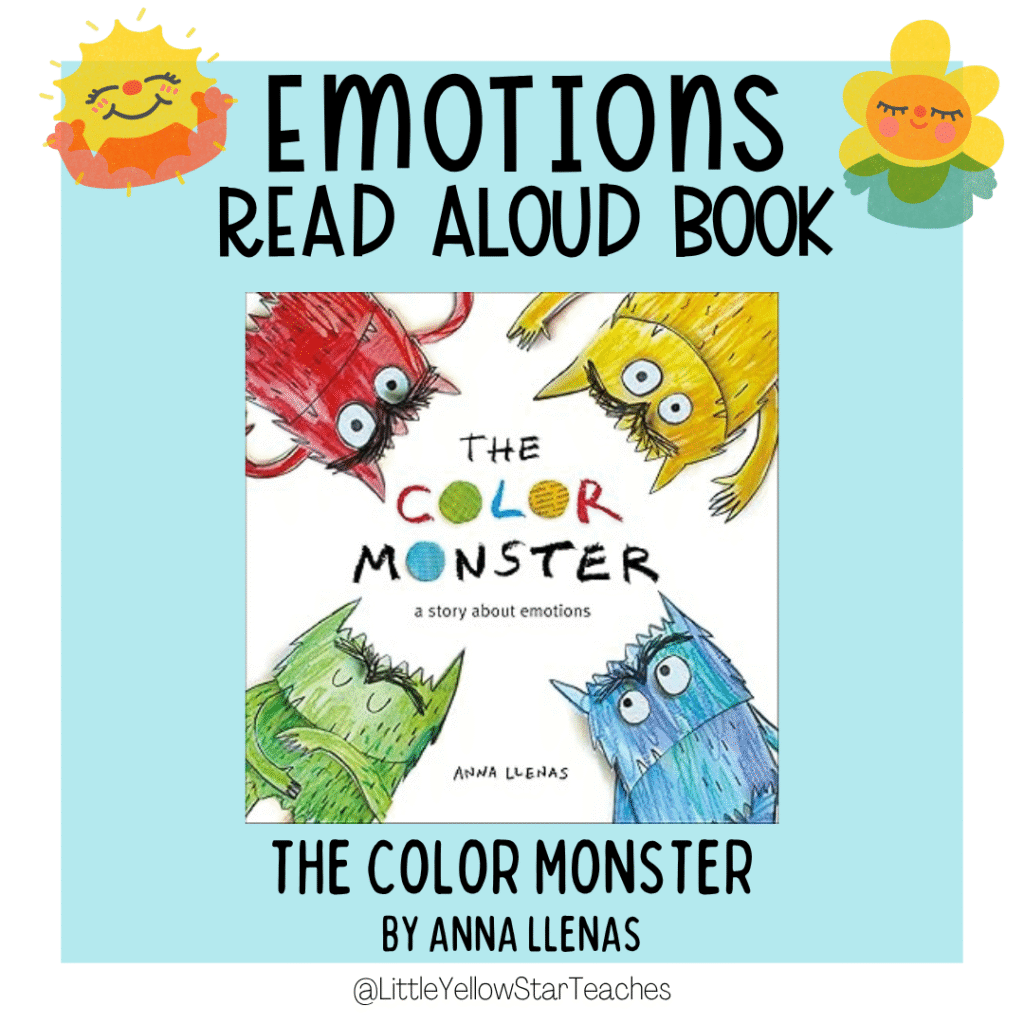
#1 The Color Monster by Anna Llenas
🔗 View on Amazon
A vibrant story about sorting emotions into colors—perfect for helping little ones identify and talk about how they feel.
Activity Idea: Make your own color jars or drawings to match each emotion.
Discussion Questions:
- What color are you feeling today?
- Why is it helpful to sort your feelings?
- What helps the monster feel better?
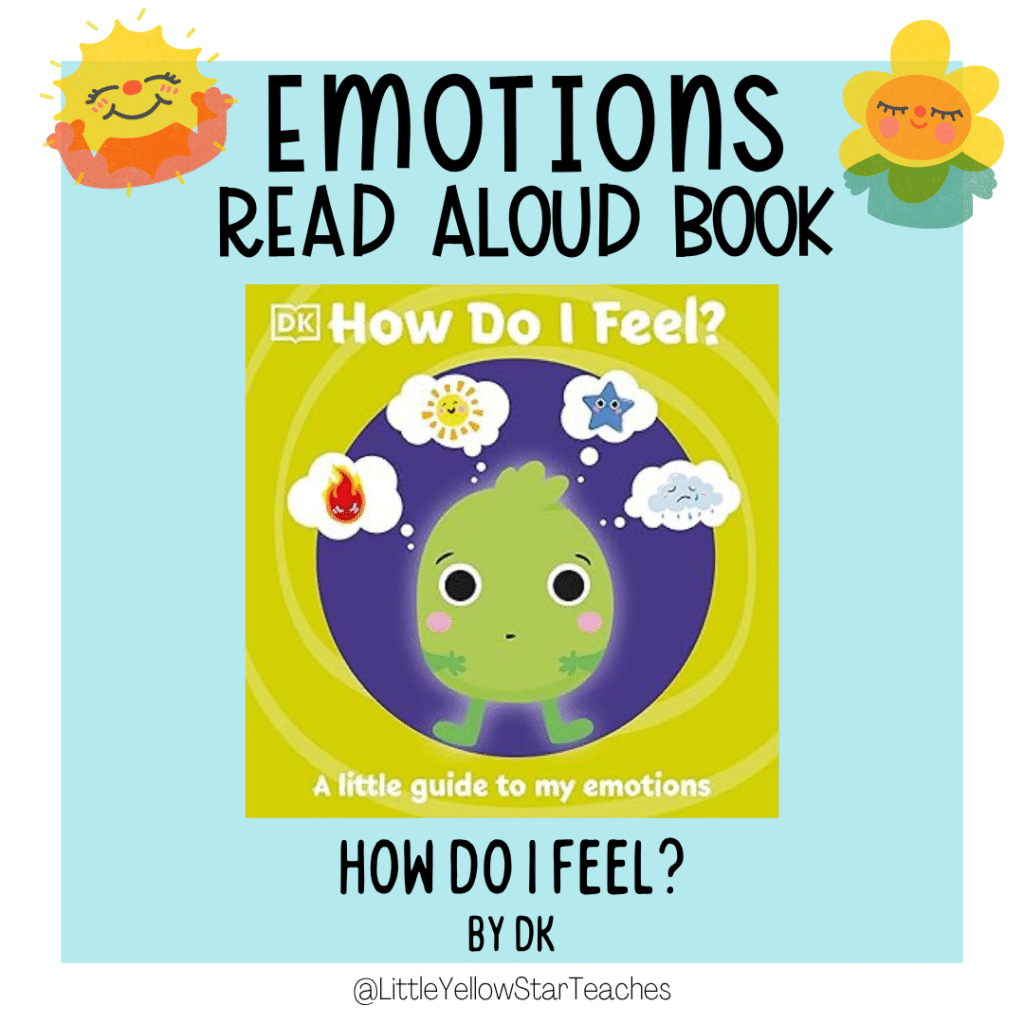
#2 How Do I Feel? by DK
🔗 View on Amazon
This colorful guide introduces children to a wide range of feelings and healthy ways to manage them.
Activity Idea: Match real-life moments to each emotion shown in the book.
Discussion Questions:
- Have you ever felt more than one feeling at once?
- How do you show someone you’re happy or sad?
- What can you do when you’re feeling frustrated?
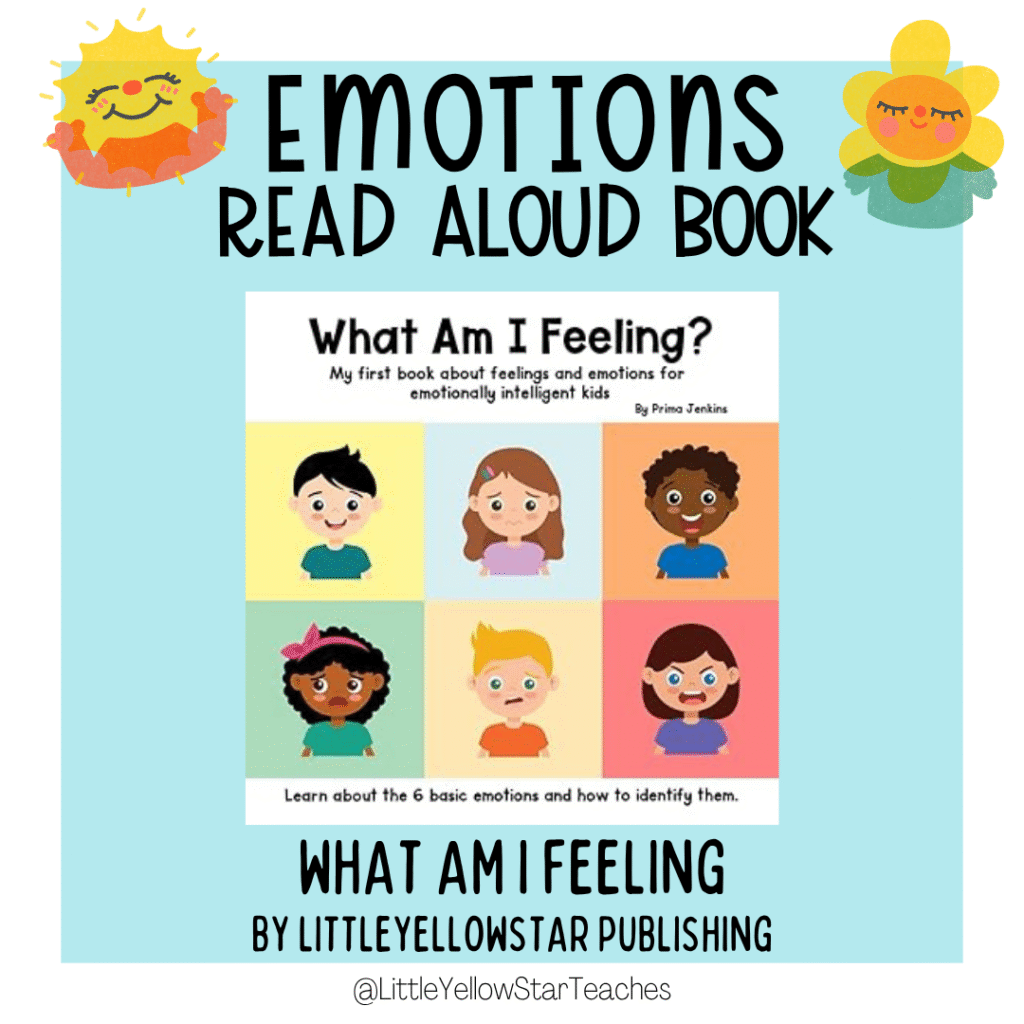
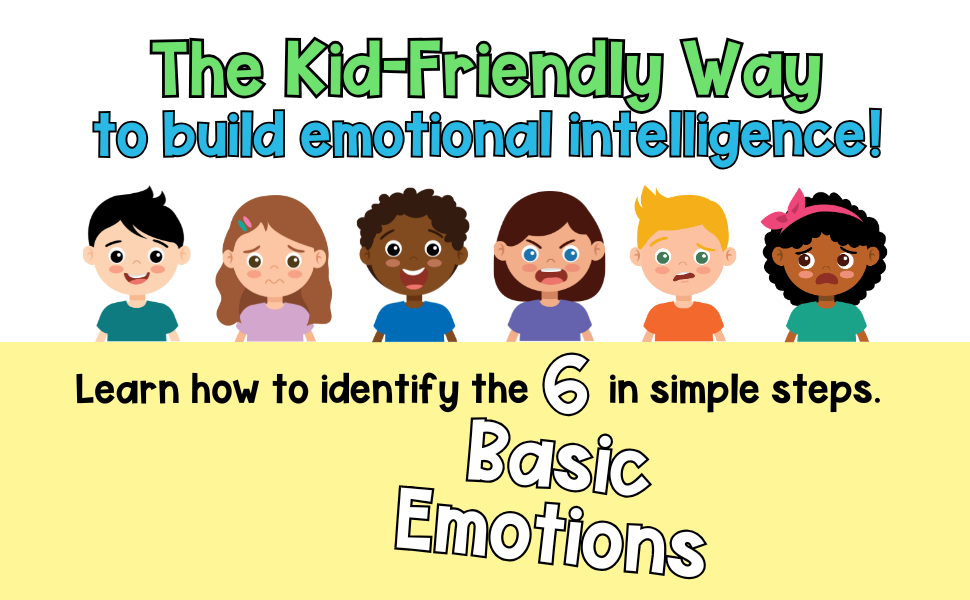
#3 What Am I Feeling by LittleYellowStar Publishing
🔗 View on Amazon
Simple illustrations and relatable text help young children start naming and understanding their feelings.
Activity Idea: Create an “I feel” chart with pictures or drawings of different emotions.
Discussion Questions:
- What’s one feeling you felt today?
- How can we help a friend who feels upset?
- What helps you calm down when angry?

Lower Elementary Children (Ages 7-9)
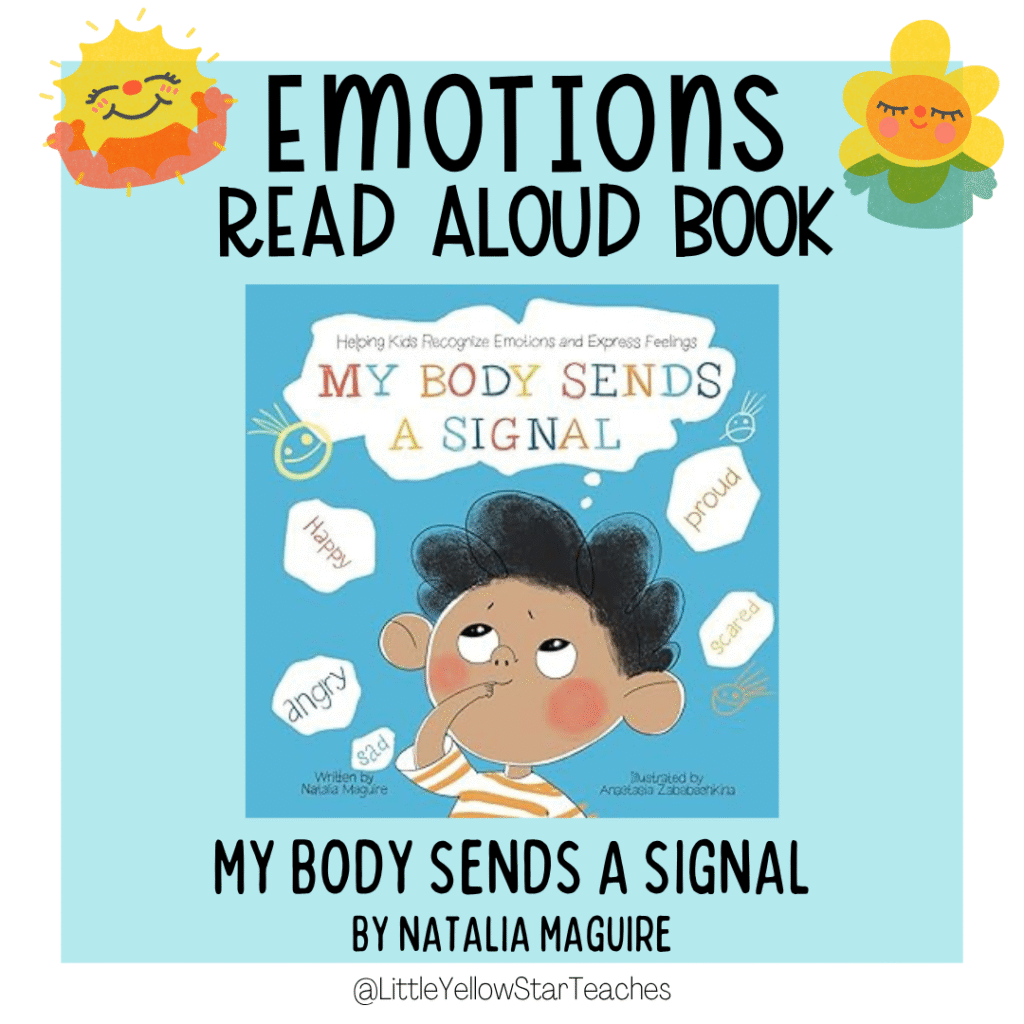
#4 My Body Sends a Signal by Natalia Maguire
🔗 View on Amazon
Teaches children to listen to their bodies as clues for emotional states—combining emotional literacy and body awareness.
Activity Idea: Practice “body scan” check-ins (e.g., “My shoulders feel…”) during circle time.
Discussion Questions:
- What signals does your body give when you’re nervous?
- How does your body feel when you’re happy?
- What can we do when our body sends us a signal?
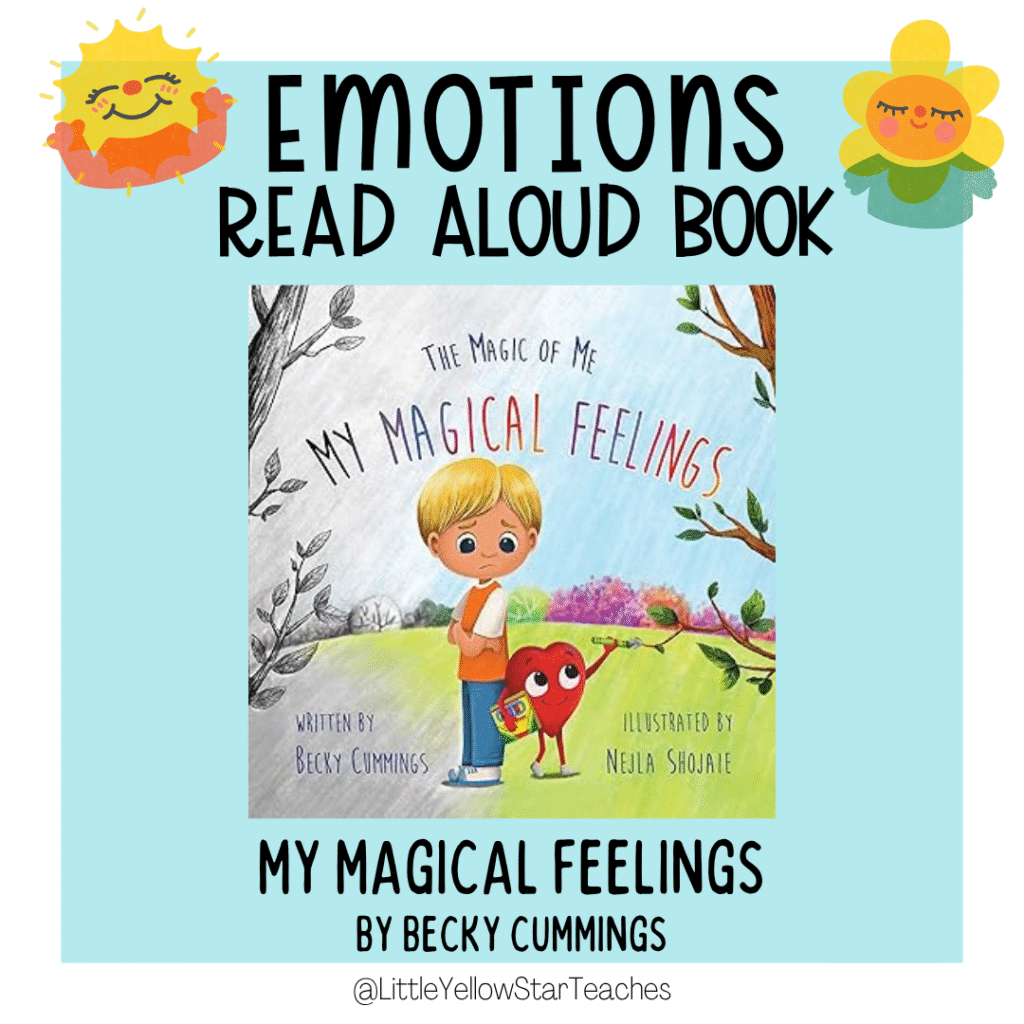
#5 My Magical Feelings by Becky Cummings
🔗 View on Amazon
Uplifting and empowering, this book helps kids embrace their full range of emotions as part of their magic.
Activity Idea: Create your own magical emotion wands or affirmations.
Discussion Questions:
- What makes your feelings magical?
- How can you use your feelings for good?
- What do you do when you feel a strong emotion?
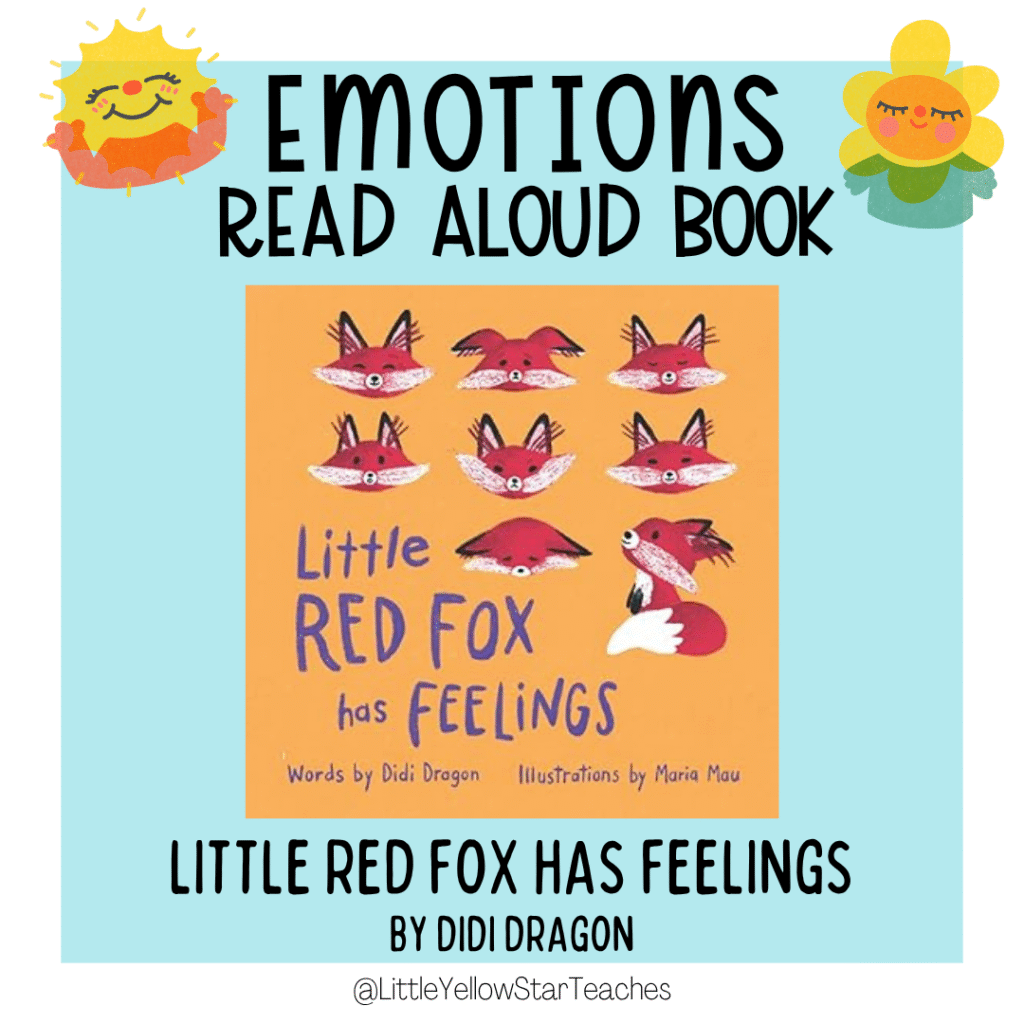
#6 Little Red Fox has Feelings by Didi Dragon
🔗 View on Amazon
A gentle story that helps young readers recognize and name big feelings through the journey of an expressive fox.
Activity Idea: Draw a comic strip showing how Little Red Fox feels and responds.
Discussion Questions:
- What made Fox feel upset?
- What would you do to help a friend like Fox?
- How can talking about feelings help?
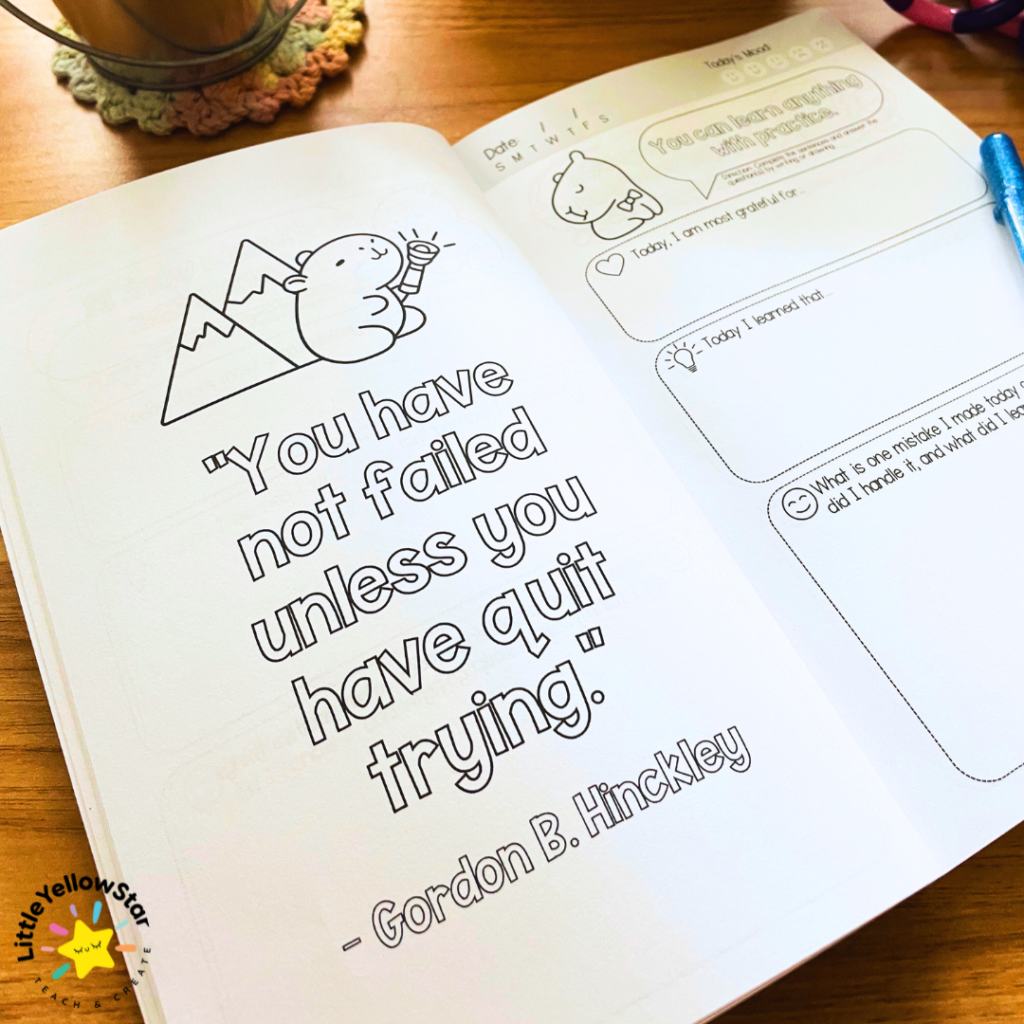
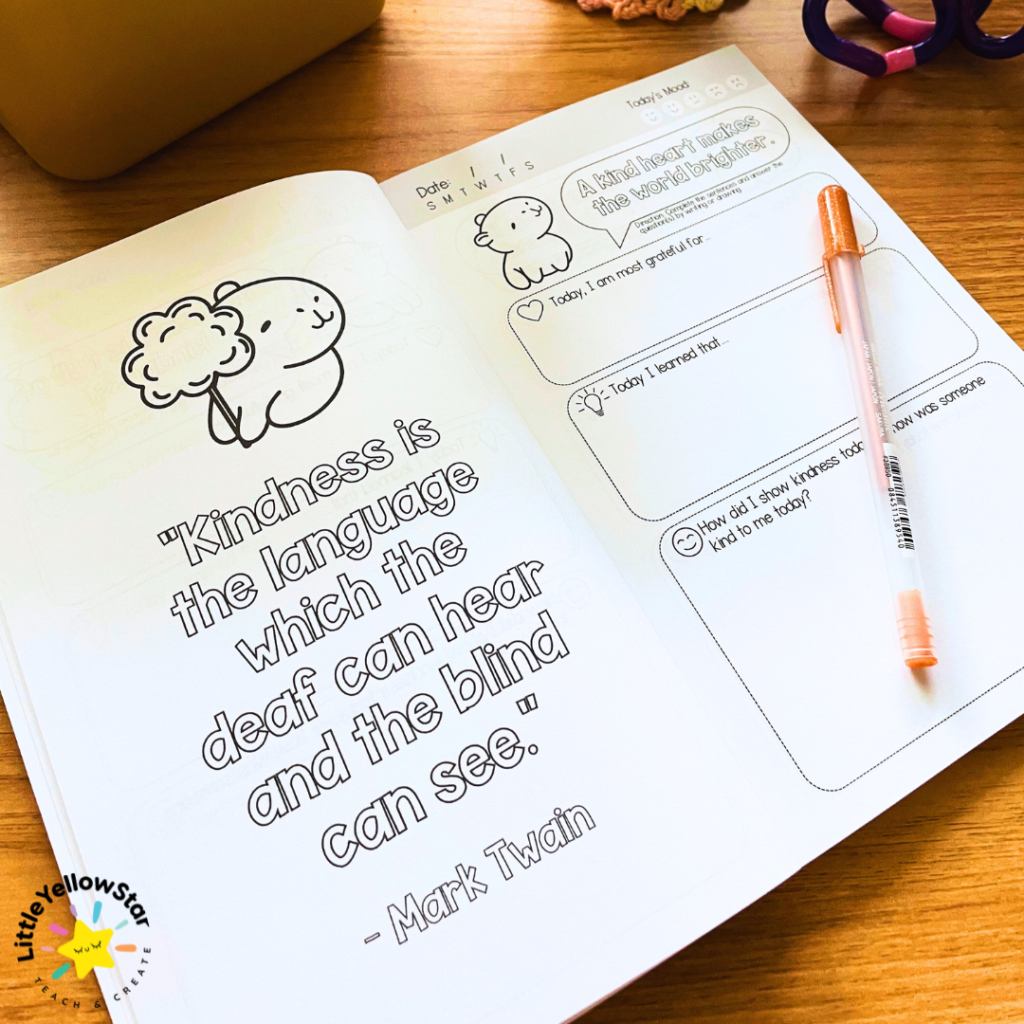
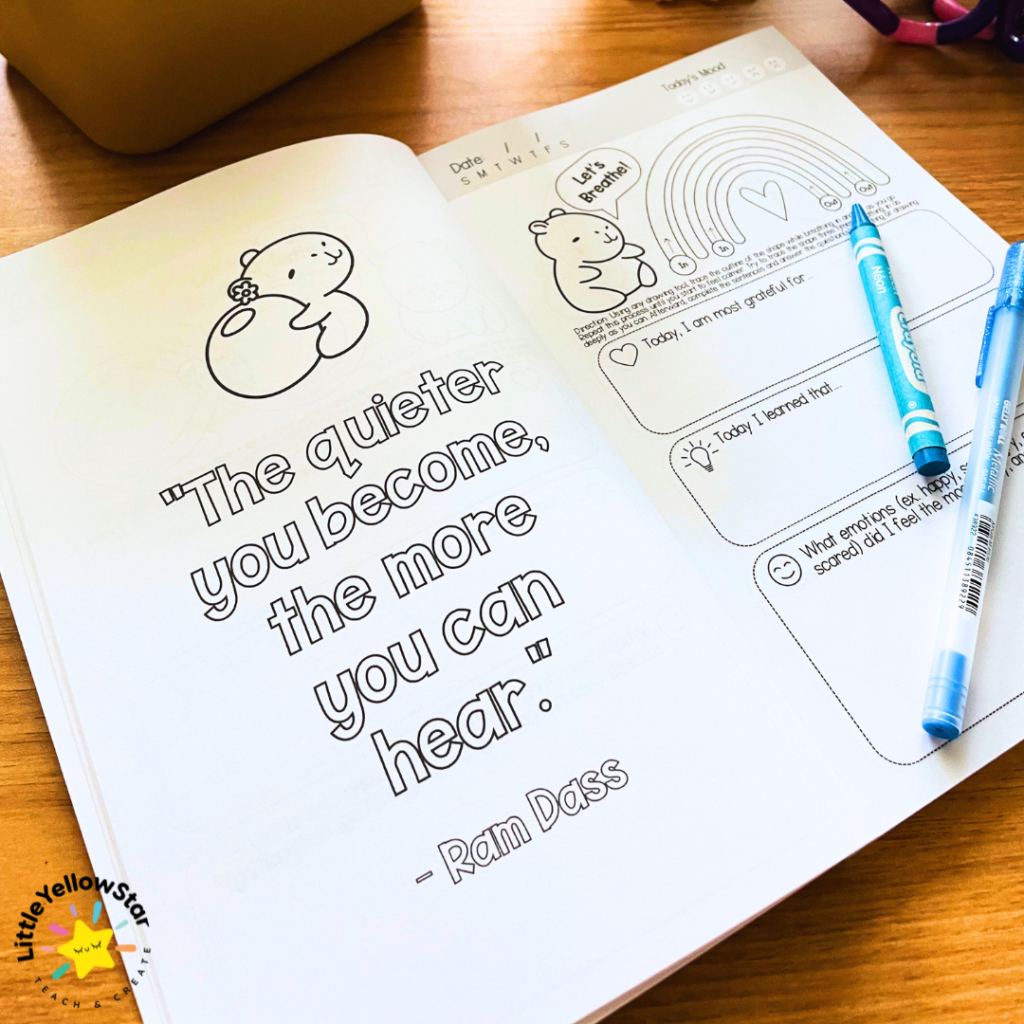
Check Out Capybara-Theme Daily Reflection Journals For Kids!
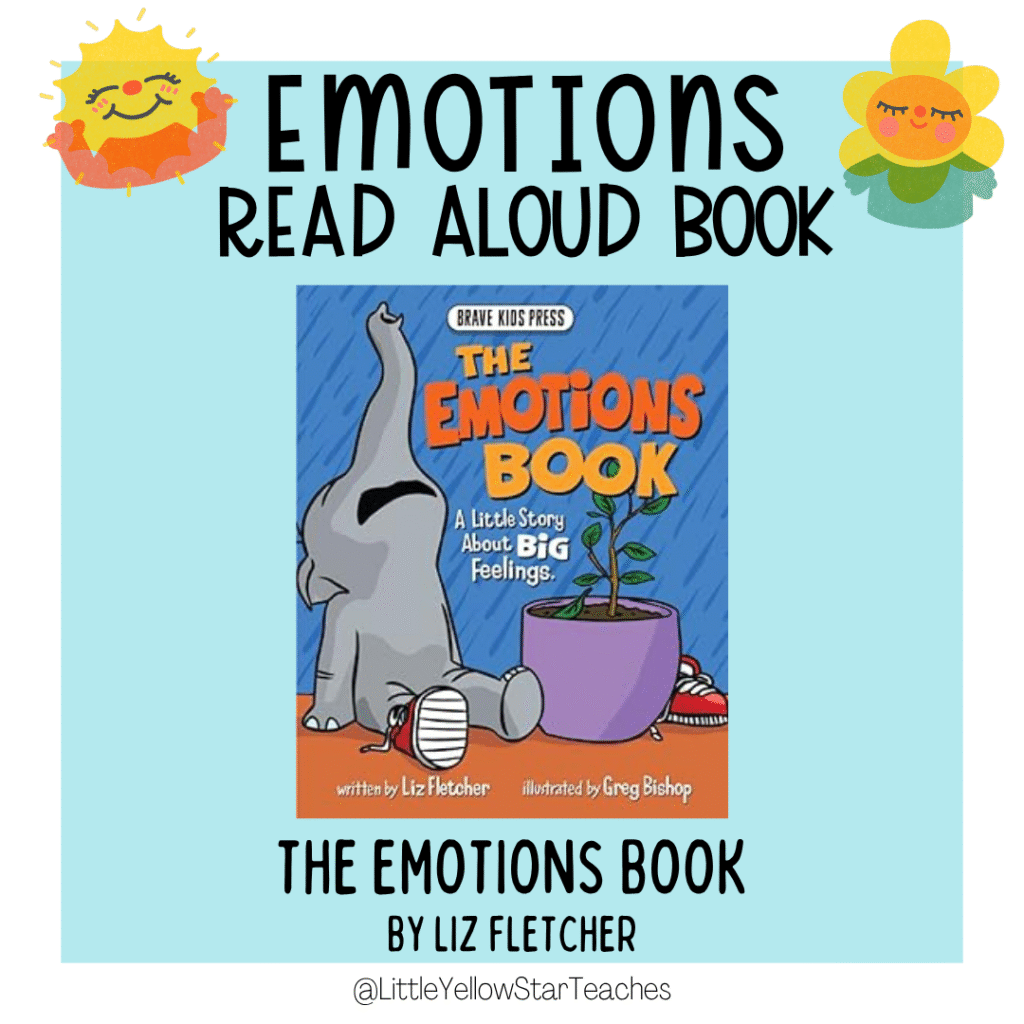
#7 The Emotions Book by Liz Fletcher
🔗 View on Amazon
An accessible book that offers strategies for managing a variety of emotions through positive thinking.
Activity Idea: Make a “feelings toolbox” of calming strategies.
Discussion Questions:
- Which emotion is the hardest for you?
- What’s one way to manage anger?
- Why is it okay to feel different emotions?
Upper Elementary Children (Ages 9-11)
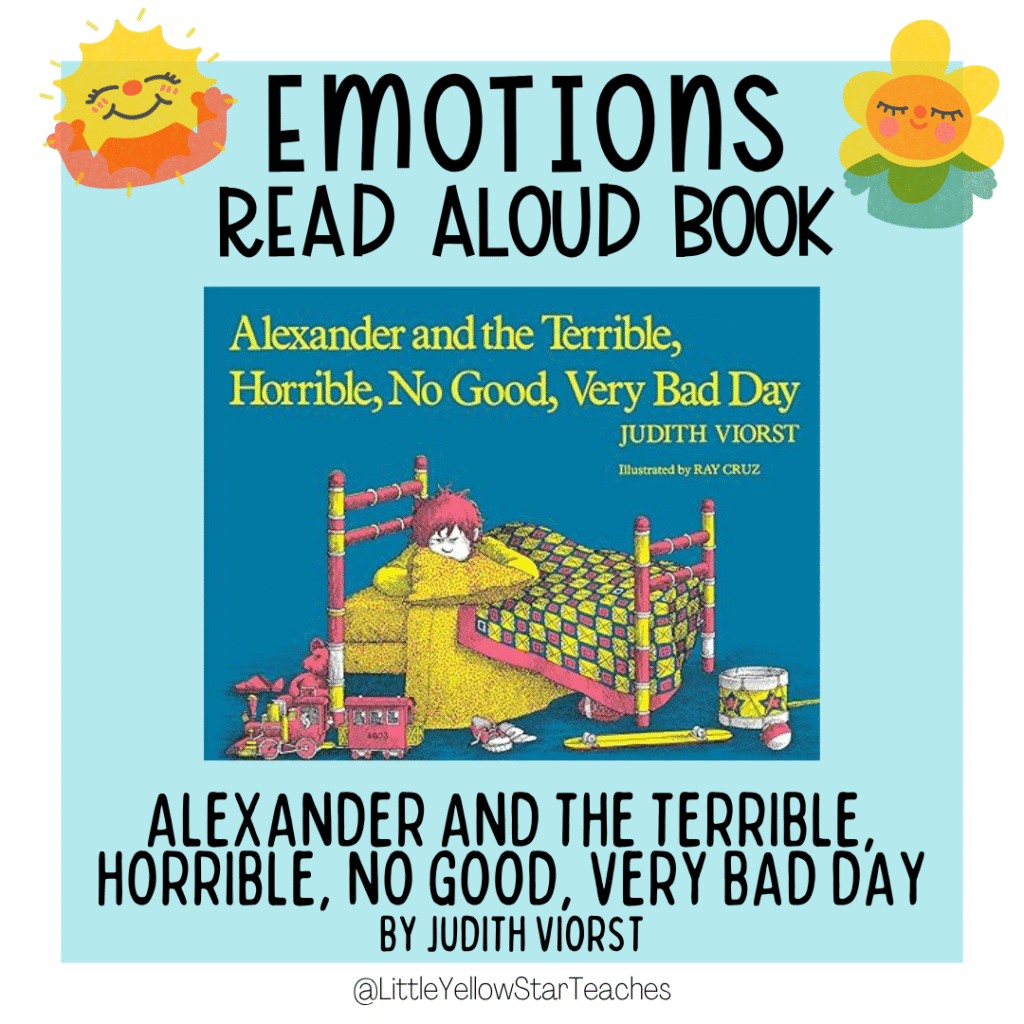
#8 Alexander and the Terrible, Horrible, No Good, Very Bad Day by Judith Viorst
🔗 View on Amazon
A classic tale of a rough day that reminds us it’s okay to have bad days and feel all the feelings.
Activity Idea: Share and draw your own “bad day” stories and how you got through them.
Discussion Questions:
- What made Alexander’s day so tough?
- What helps when your day goes wrong?
- Why is it okay to feel grumpy sometimes?
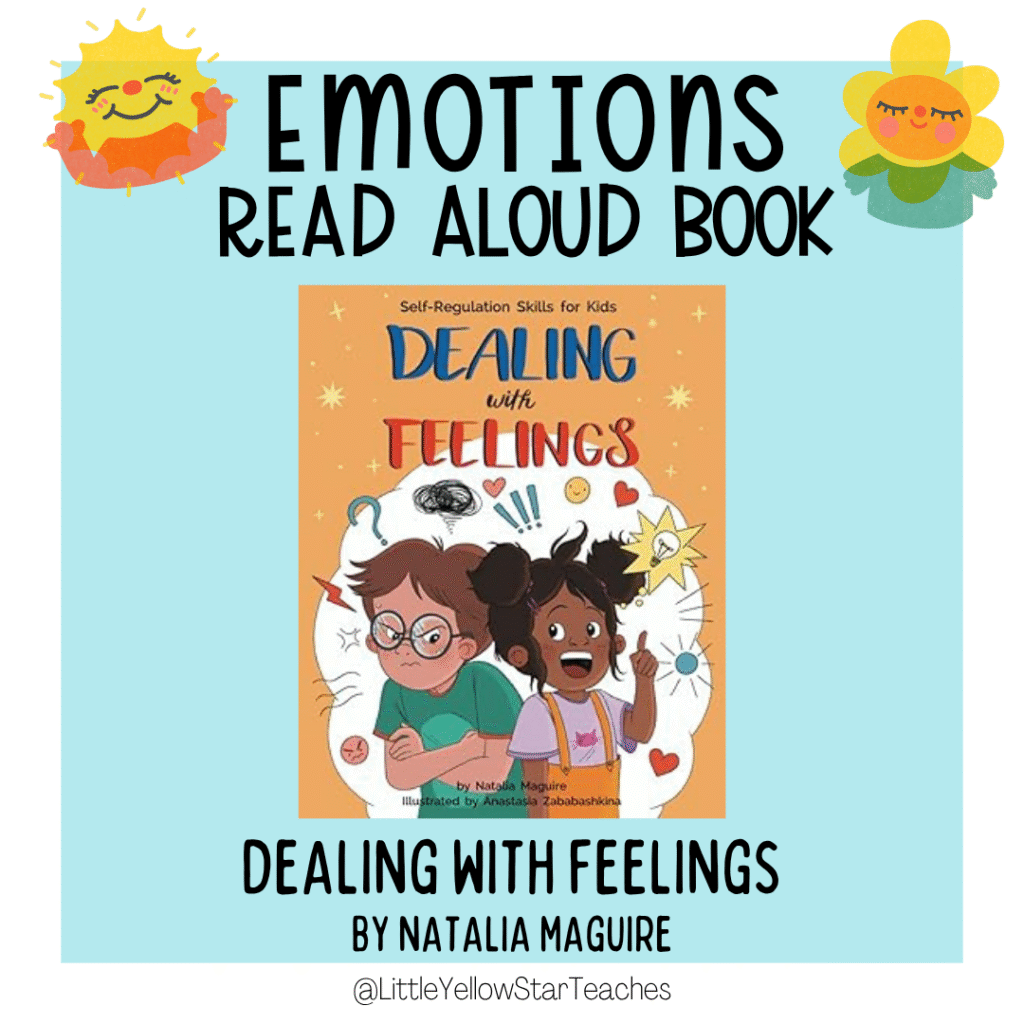
#9 Dealing with Feelings by Natalia Maguire
🔗 View on Amazon
Offers practical strategies for kids to manage difficult feelings through breathing, mindfulness, and awareness.
Activity Idea: Practice deep breathing with a “smell the flower, blow the candle” technique.
Discussion Questions:
- What do you do when you’re really mad or scared?
- What calming trick worked best for you?
- How can we practice being kind to our feelings?

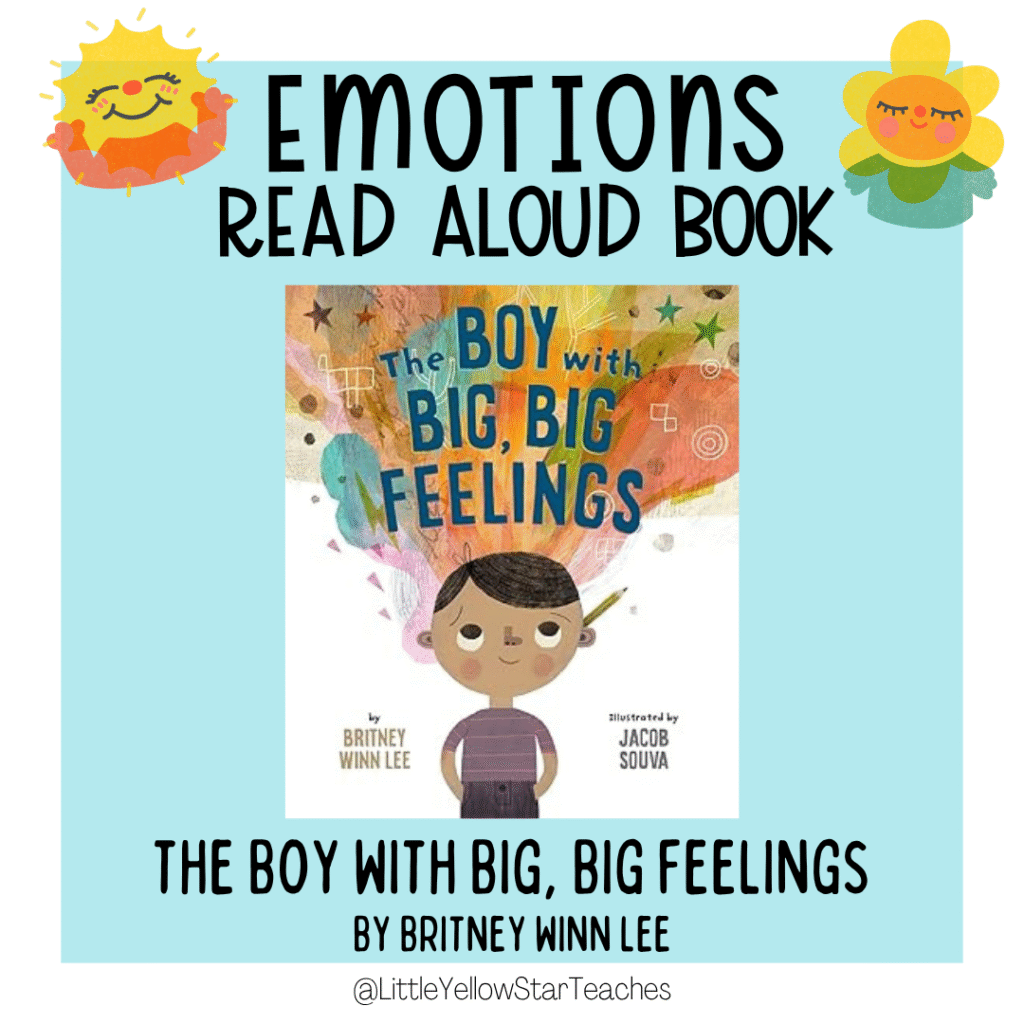
#10 The Boy with Big, Big Feelings by Britney Winn Lee
🔗 View on Amazon
This beautiful story celebrates children who feel deeply and shows them that big emotions are a gift.
Activity Idea: Make an “emotions map” of the heart with pictures of what you care about.
Discussion Questions:
- What’s something that gives you big feelings?
- What helps you feel safe to share them?
- Why are big feelings important?
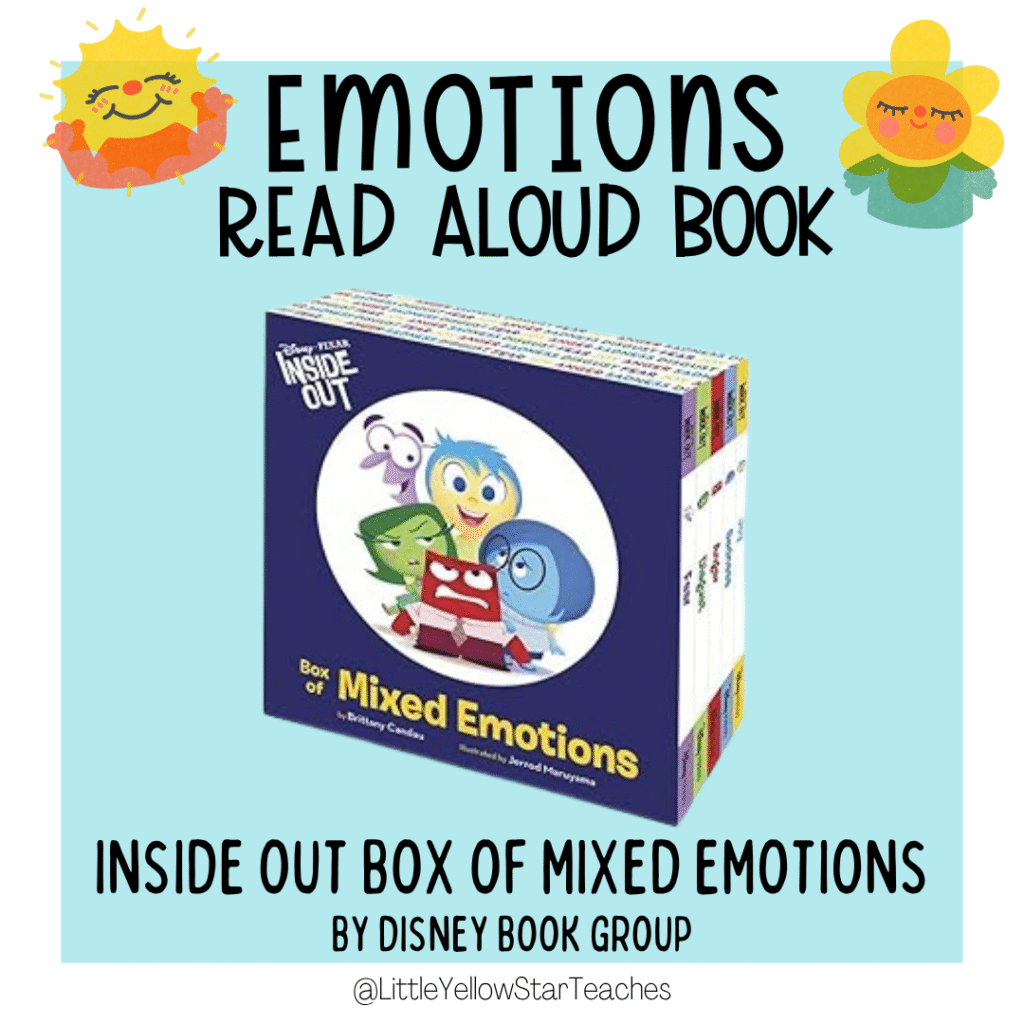
#11 Inside Out Box of Mixed Emotions by Disney Book Group
🔗 View on Amazon
Inspired by Disney Pixar’s Inside Out, this set explores Joy, Sadness, Anger, Disgust, and Fear through colorful storytelling.
Activity Idea: Act out each emotion and guess which one it is.
Discussion Questions:
- Which emotion do you relate to the most?
- What happens when we try to ignore emotions?
- How can emotions work together?
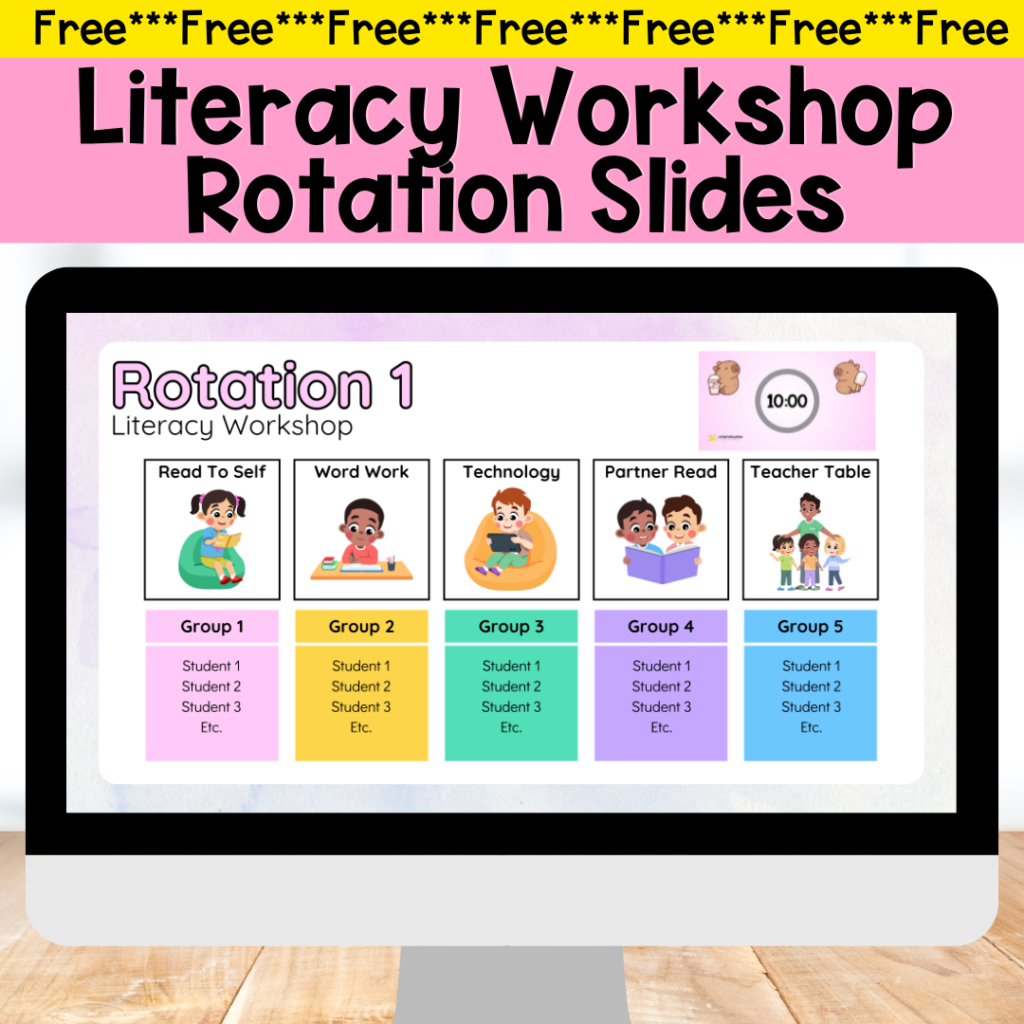
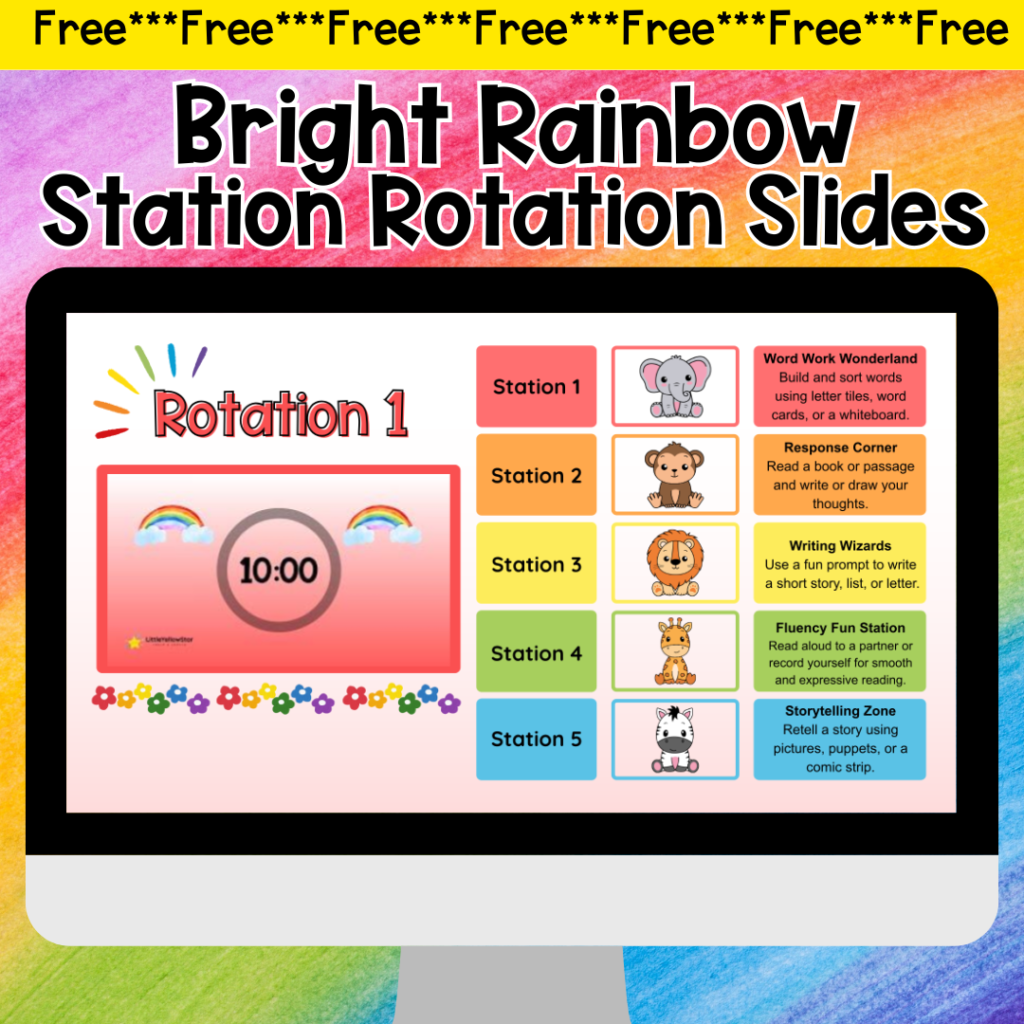
Grab these free resources to make your teaching life easier!

What Emotion Book(s) Are You Going To Read Later?
Emotions books for kids build strong hearts, open minds, and safe spaces for self-expression. These stories help kids learn that feelings aren’t “good” or “bad”—they’re messages we can listen to, understand, and manage with care.
Which book about feelings are you adding to your shelf? Tag me on Instagram @LittleYellowStarTeaches and share your favorite emotional stories, calming activities, or “feelings” crafts!
Happy reading!
Prima at LittleYellowStar
* * *
Other Blog Posts That You Might Enjoy:
- 15 Minutes Daily Social And Emotional Learning Activities For The Classroom (SEL Made Easy)
- How To Offer Growth Mindset Praise Effectively
- 3 Activities To Introduce Growth Mindset