Fresh Stories Full of Flowers, Rainbows, and New Beginnings
Spring is a season of growth, color, and fresh starts. Flowers bloom, animals wake up, rain falls gently, and the world feels brand new again. Spring-themed books capture that sense of renewal and wonder, making them perfect for both classrooms and cozy read-aloud moments at home.
In this post, I’m sharing my favorite spring books for kids, organized by age group. I’ve also included engaging activities and thoughtful discussion questions to help children explore the magic of the season.
***Disclosure: This post contains an Amazon affiliate link that at no additional cost to you, I may earn a small commission when you purchase through the link from my blog. Thank you for your support!
Table of Content
- Why Read Books About Spring?
- The Role of Books in Teaching Kids about Spring
- How To Use Books About Spring With Children
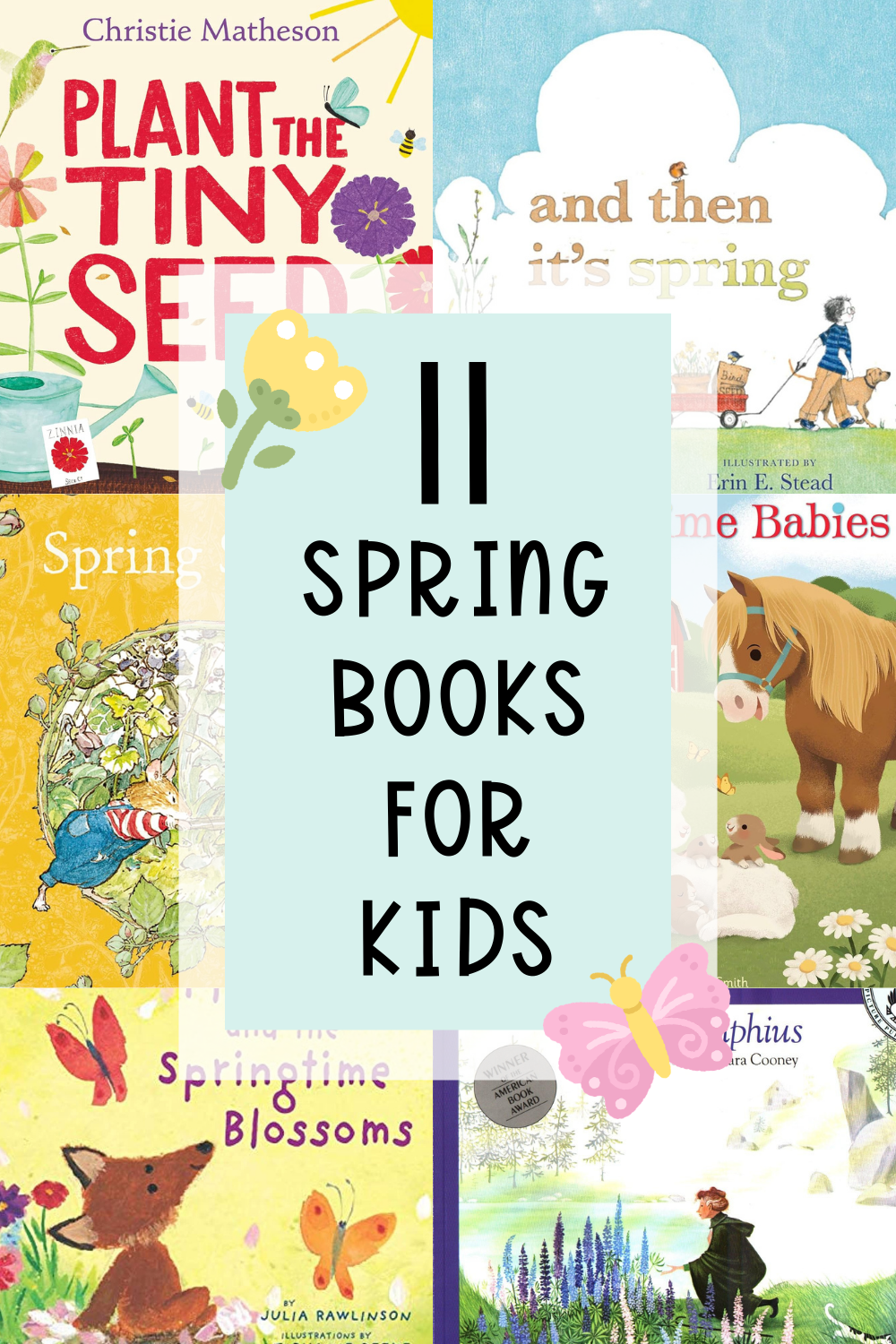
- 11 Spring Books For Children
- What Spring Book(s) Are You Going To Read Later?
Why Read Books About Spring?
Spring books help children notice and appreciate the changes happening around them.
From learning about life cycles and weather patterns to observing blooming flowers and baby animals, spring stories gently introduce science concepts in an engaging way. They also highlight themes of growth, hope, patience, and new beginnings.
Spring books remind kids that change can be beautiful—and that every season brings something special.
The Role of Books in Teaching Kids about Spring
Books about spring blend science, nature, and social-emotional learning.
Children can learn about plant growth, pollination, rain, and animal habitats while also reflecting on their own personal growth. Spring stories often explore themes like trying again, starting fresh, and embracing change—powerful ideas for young learners.
They also encourage observation skills, curiosity, and a deeper connection to the natural world.
How to Use Books about Spring with Children
Here are some meaningful and fun ways to bring spring stories to life:
- 🌷 Ask Open-Ended Questions: After reading, ask: What changes do you notice outside in spring? or What is something new you’d like to grow or learn this season? These questions encourage reflection and connection.
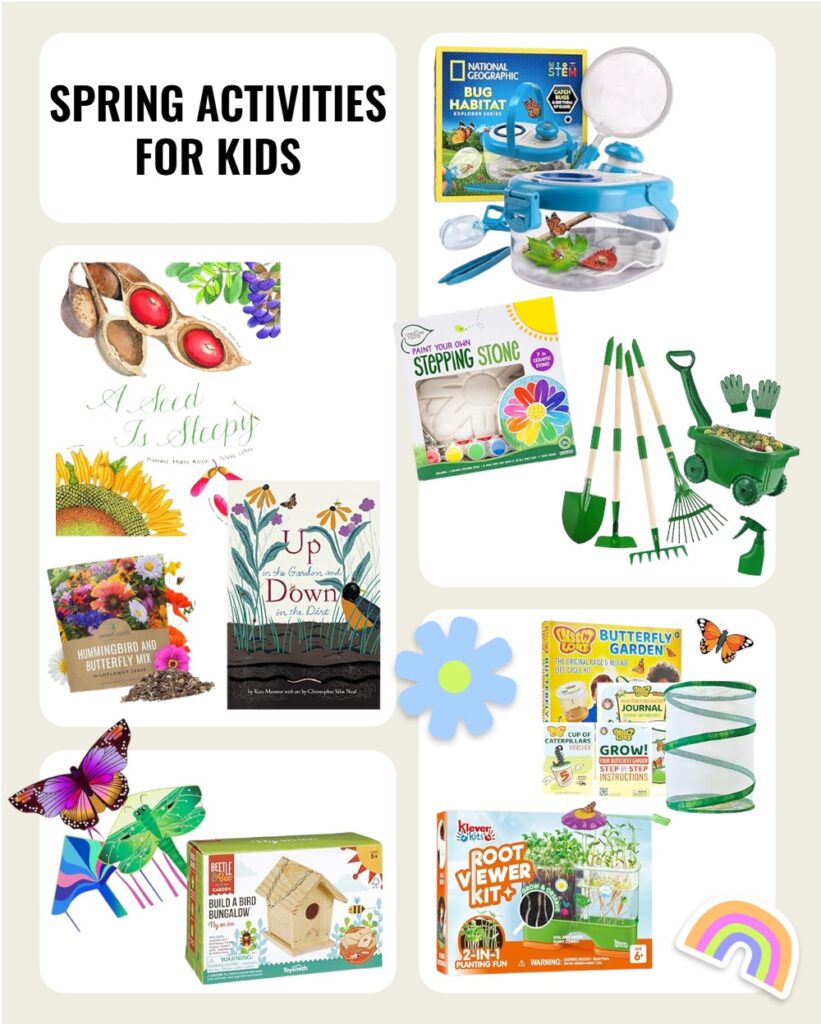
- 🌧️ Engage in Spring-Themed Activities: Plant seeds in small cups, create a spring observation journal, go on a nature walk, or make butterfly and flower crafts. You can also create a classroom “Signs of Spring” chart to track seasonal changes.
- 📚 Refer Back to the Books: During science lessons about life cycles or weather, refer to spring stories you’ve read. Say: Remember how the seed in the book needed water and sunlight to grow? Let’s check on our plants!
- 👨👩👧 Involve Other Caregivers: Encourage families to read spring books together and explore the outdoors. Suggest backyard scavenger hunts, garden visits, or simple rain-watching activities connected to the stories.

11 Spring Books For Children
Younger Children (Ages 3-6)
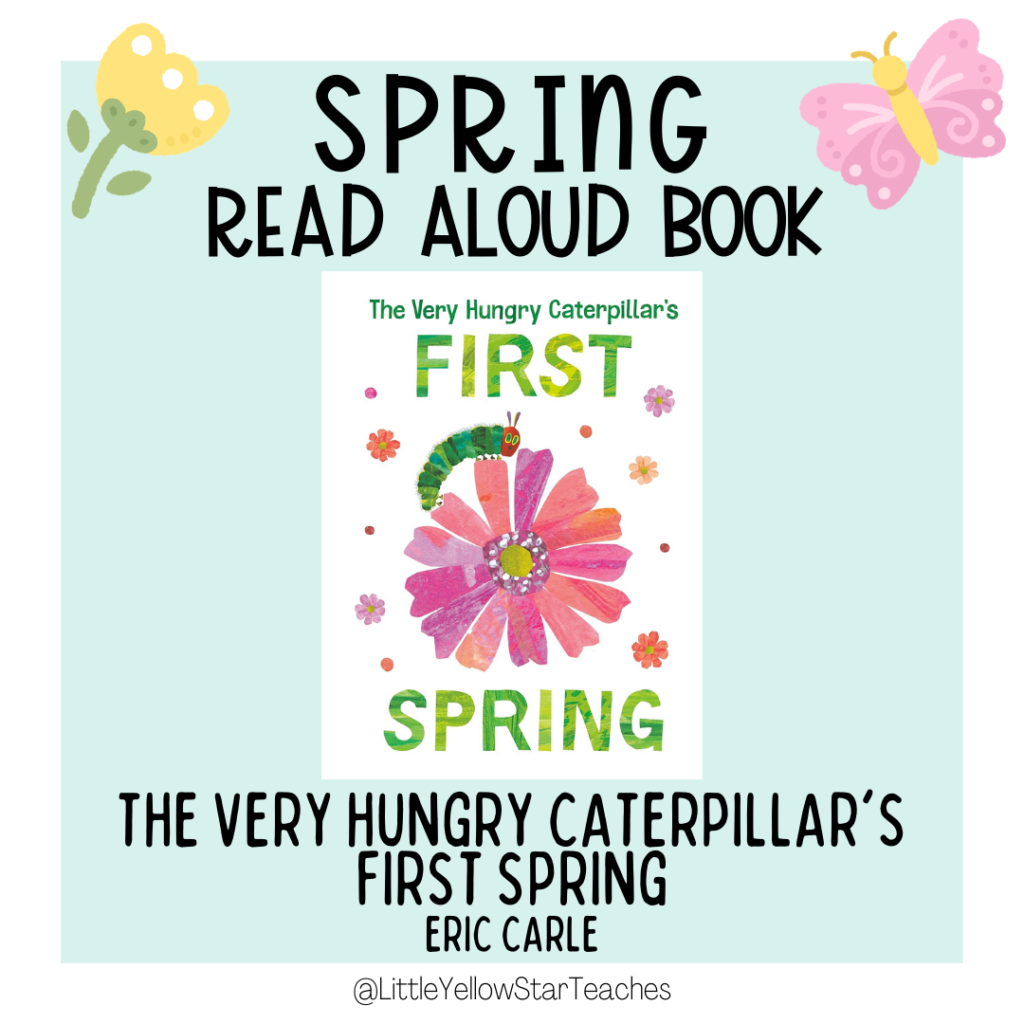
#1 The Very Hungry Caterpillar’s First Spring by Eric Carle
A sweet seasonal introduction featuring the beloved caterpillar exploring blooming flowers, sunshine, and the first signs of spring. With Eric Carle’s signature collage illustrations and simple language, this book is perfect for toddlers learning how seasons change. It gently introduces concepts like growth, weather, and new beginnings in a comforting, familiar way.
Activity Idea: Create a paper caterpillar and glue spring-themed items (flowers, clouds, sun, leaves) along its path to show what changes in spring.
Discussion Questions:
- What changes happen when spring arrives?
- What did the caterpillar see and feel?
- What is your favorite sign of spring?
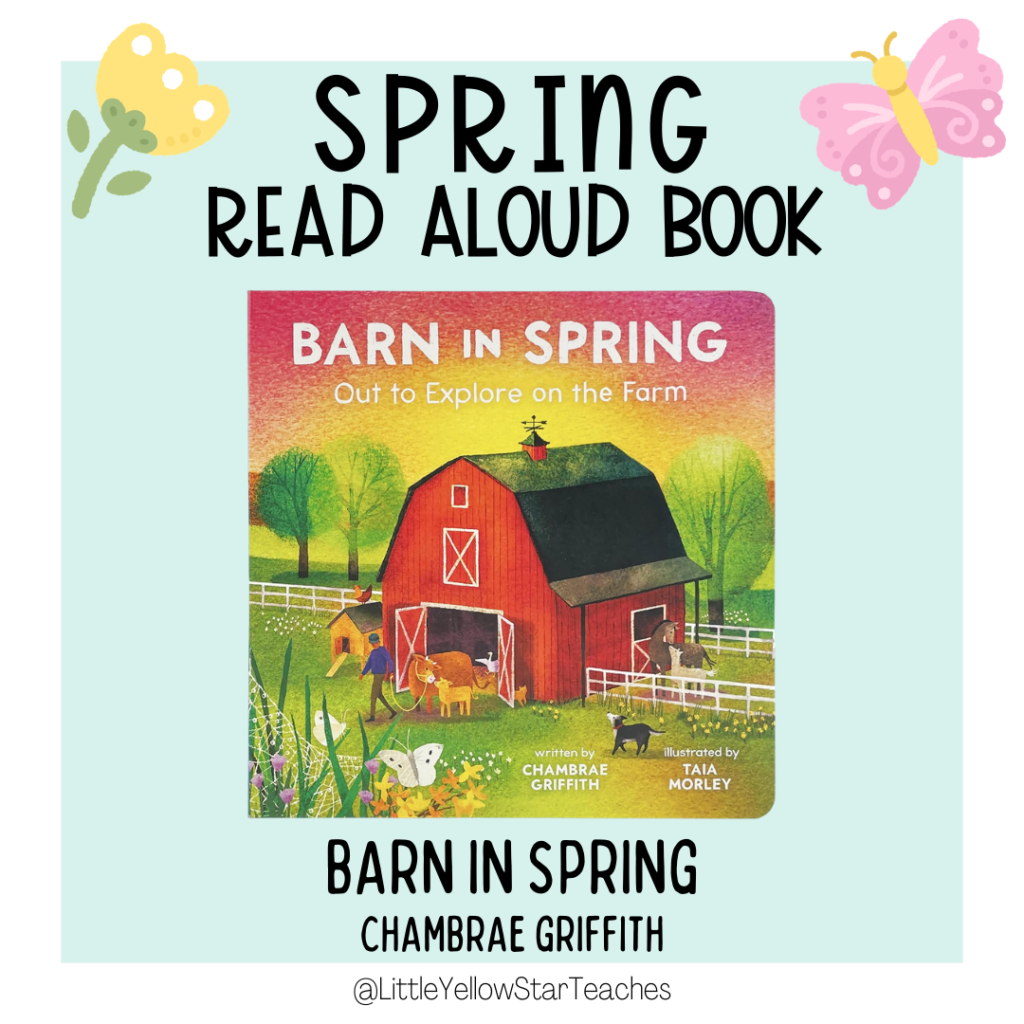
#2 Barn in Spring by Chambrae Griffith
A bright and engaging board book that introduces little ones to farm life during springtime. Baby animals, blooming fields, and lively barnyard scenes help toddlers connect seasonal change to familiar animals and environments. It’s especially great for building early vocabulary.
Activity Idea: Match baby farm animals with their parents using toy figures or printed images.
Discussion Questions:
- What animals are born in spring?
- What sounds do you hear on a farm?
- Why is spring a busy time on farms?
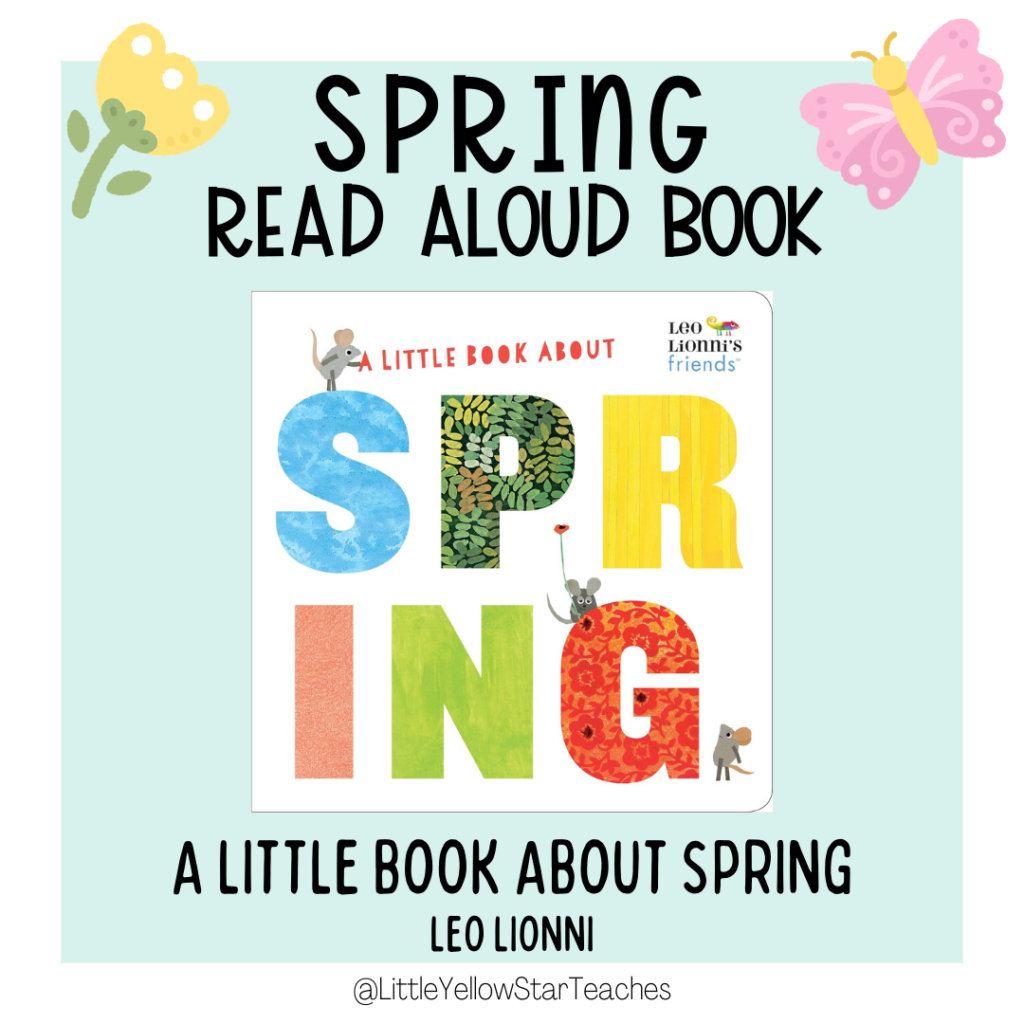
#3 A Little Book About Spring by Leo Lionni
This gentle and reflective book explores how winter slowly transitions into spring. With simple explanations and calming illustrations, it helps young readers notice subtle changes like melting snow, budding trees, and longer days.
Activity Idea: Take a short nature walk and create a “Spring Signs” drawing page with everything you observe.
Discussion Questions:
- How can you tell spring is coming?
- What happens to trees and flowers?
- How does spring make you feel?

Lower Elementary Children (Ages 7-9)
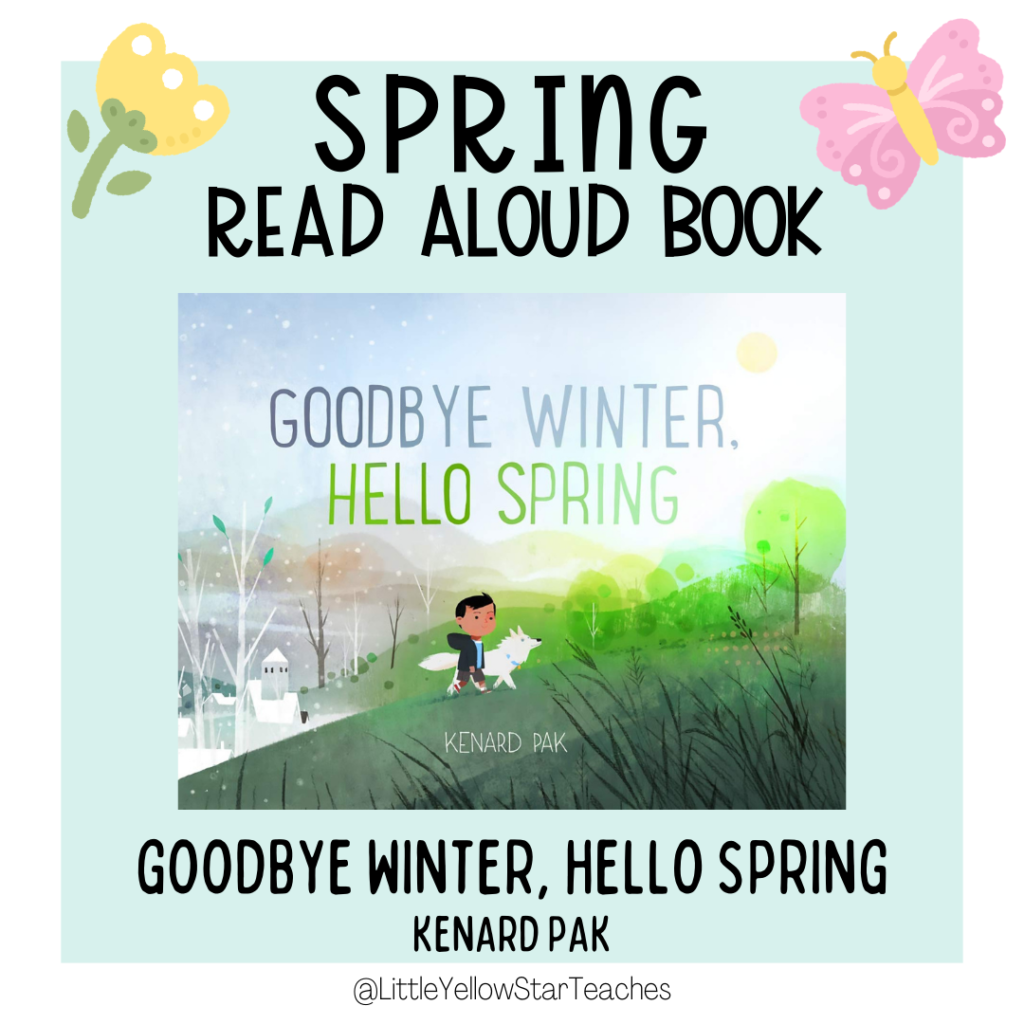
#4 Goodbye Winter, Hello Spring by Kenard Pak
A beautifully illustrated story of a child walking through nature and greeting each new sign of spring. The poetic dialogue with trees, animals, and streams encourages mindfulness and close observation of the natural world.
Activity Idea: Write or dictate your own “Hello, Spring” poem, greeting different parts of nature.
Discussion Questions:
- What did the child notice changing?
- Why is it important to observe nature closely?
- What would you say hello to outside?
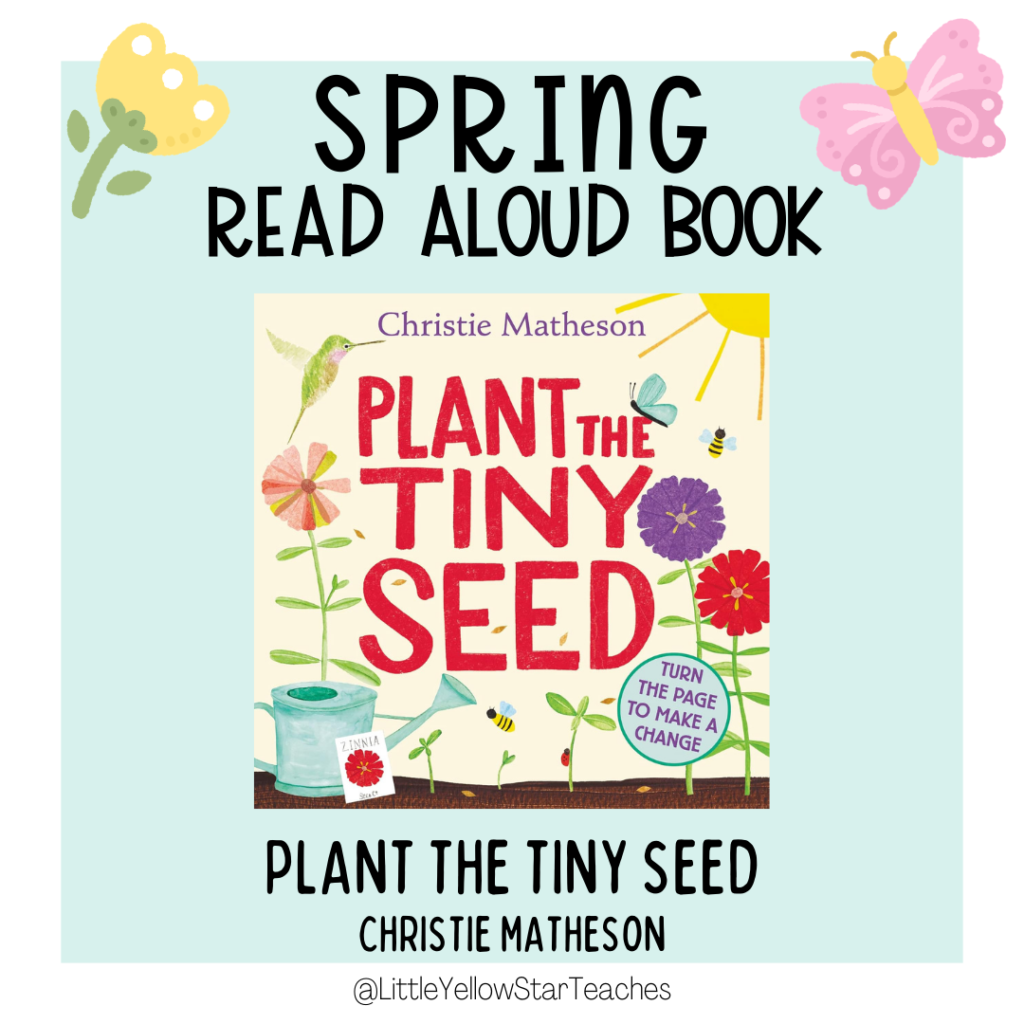
#5 Plant the Tiny Seed by Christie Matheson
An interactive and engaging story that invites children to tap, clap, and wiggle as they help a seed grow into flowers. It turns reading into participation and introduces early science concepts like sunlight, rain, and plant growth.
Activity Idea: Plant real seeds in small cups and track their growth in a simple plant journal.
Discussion Questions:
- What does a seed need to grow?
- Why is patience important when growing something?
- What happens after it rains?
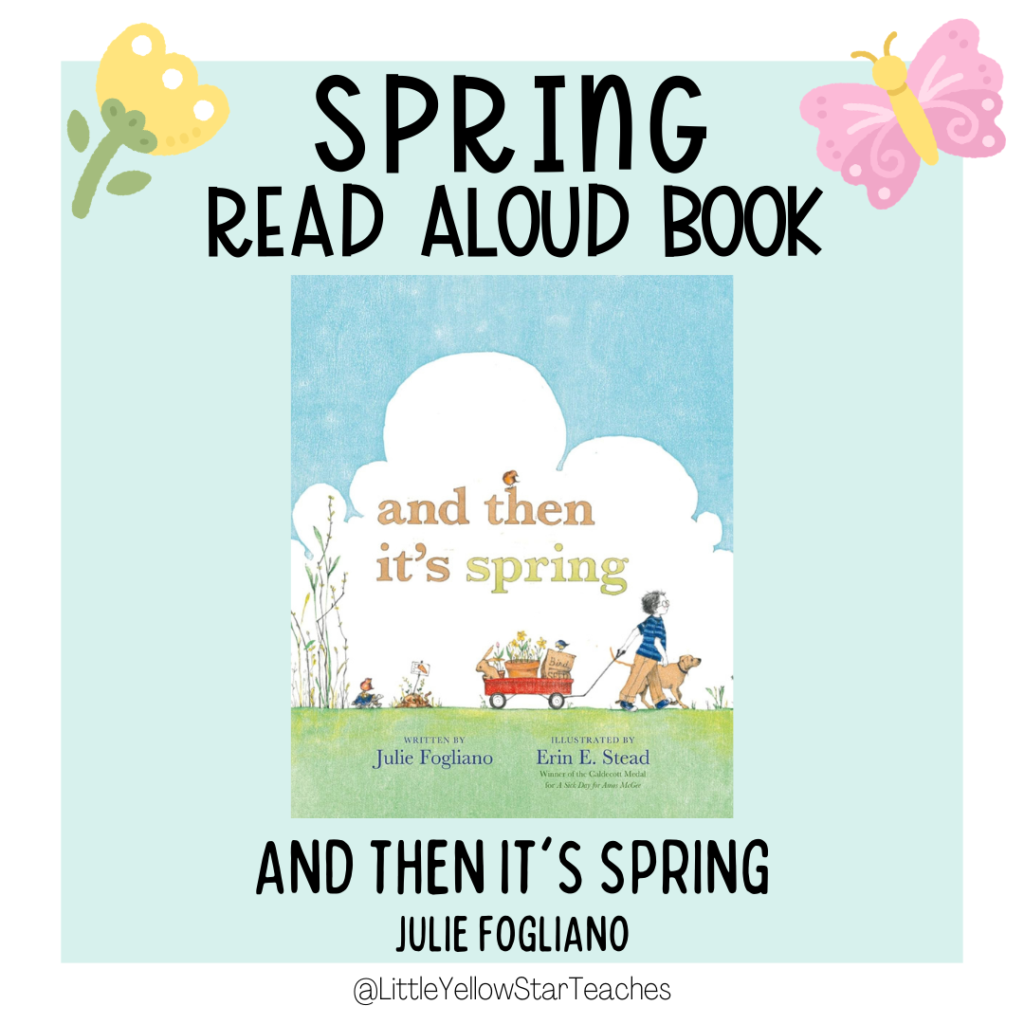
#6 And Then It’s Spring by Julie Fogliano
A poetic and thoughtful story about waiting for a brown winter garden to turn green again. It beautifully captures anticipation, patience, and the quiet magic of seasonal transformation.
Activity Idea: Paint a “Before and After” garden showing winter brown and spring green.
Discussion Questions:
- Why was the garden brown at first?
- How does waiting feel?
- What small signs show that change is happening?
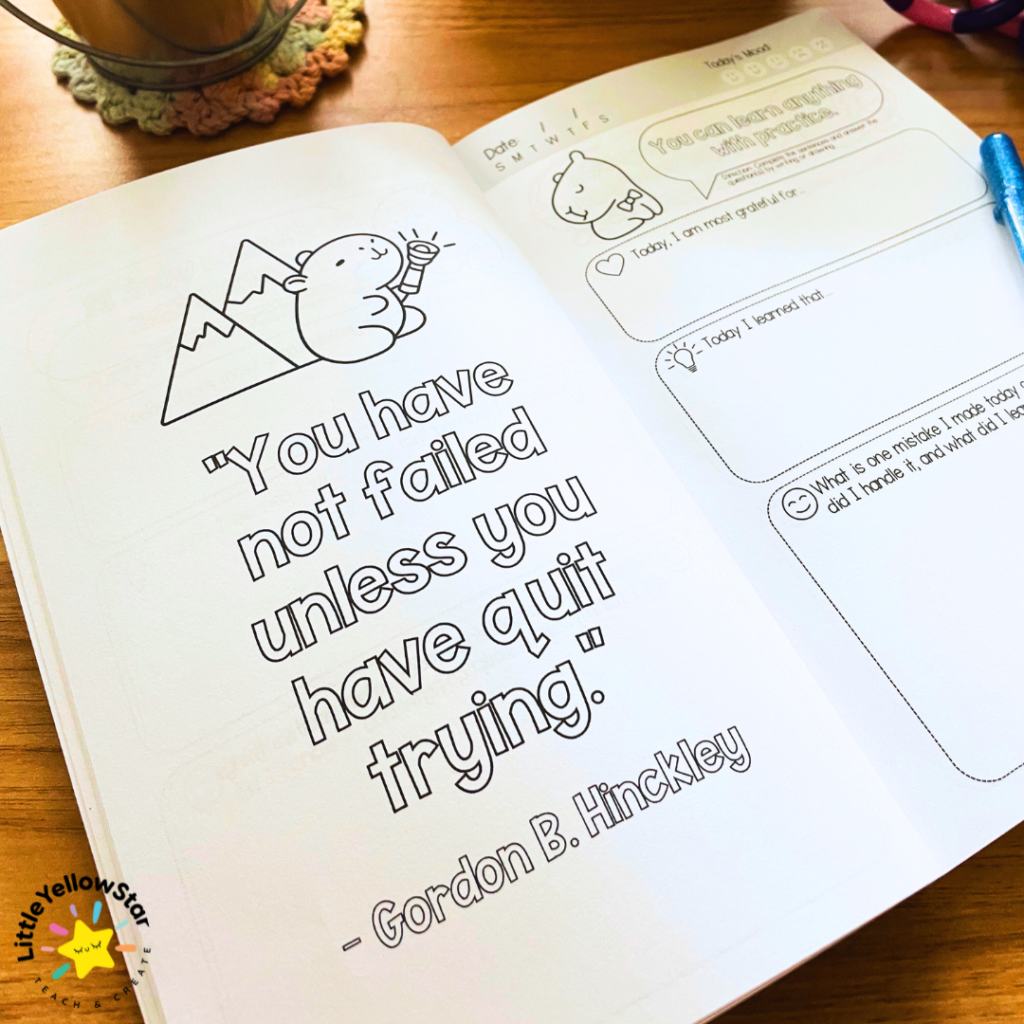
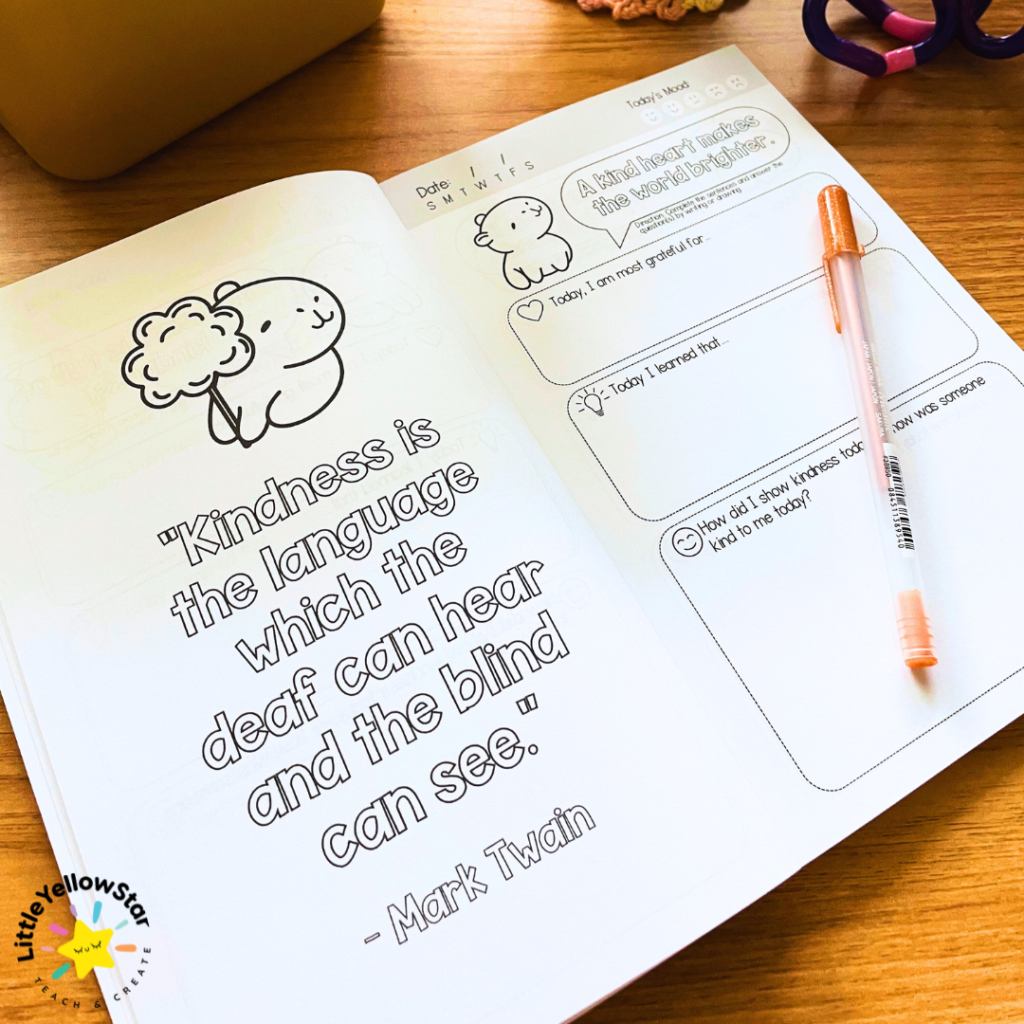
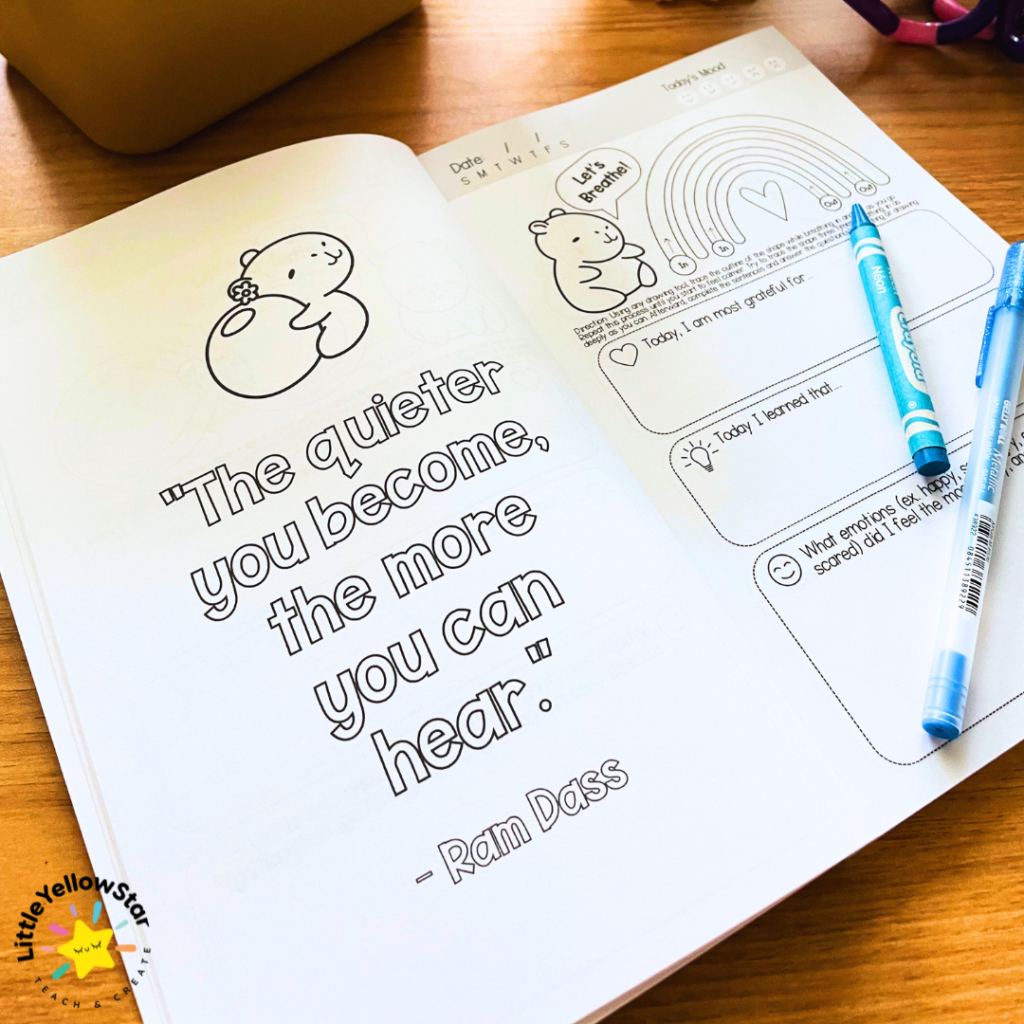
Check Out Capybara-Theme Daily Reflection Journals For Kids!
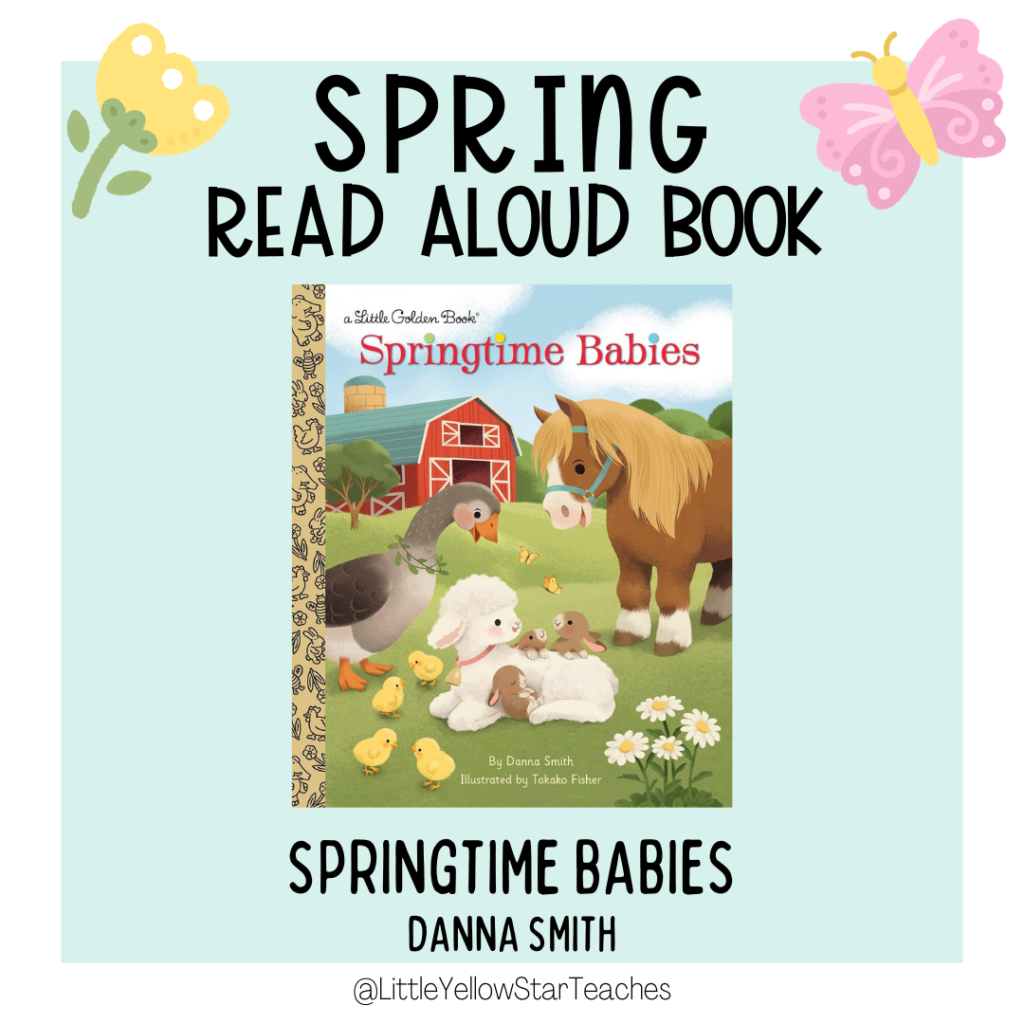
#7 Springtime Babies by Danna Smith
A lively rhyming book celebrating baby animals born in spring, from lambs to chicks to ducklings. The playful rhythm makes it perfect for read-aloud time while introducing early science and animal life cycles.
Activity Idea: Create a baby animal matching game with pictures and names.
Discussion Questions:
- What baby animals are born in spring?
- How do animal parents care for their babies?
- Which baby animal is your favorite and why?
Upper Elementary Children (Ages 9-11)
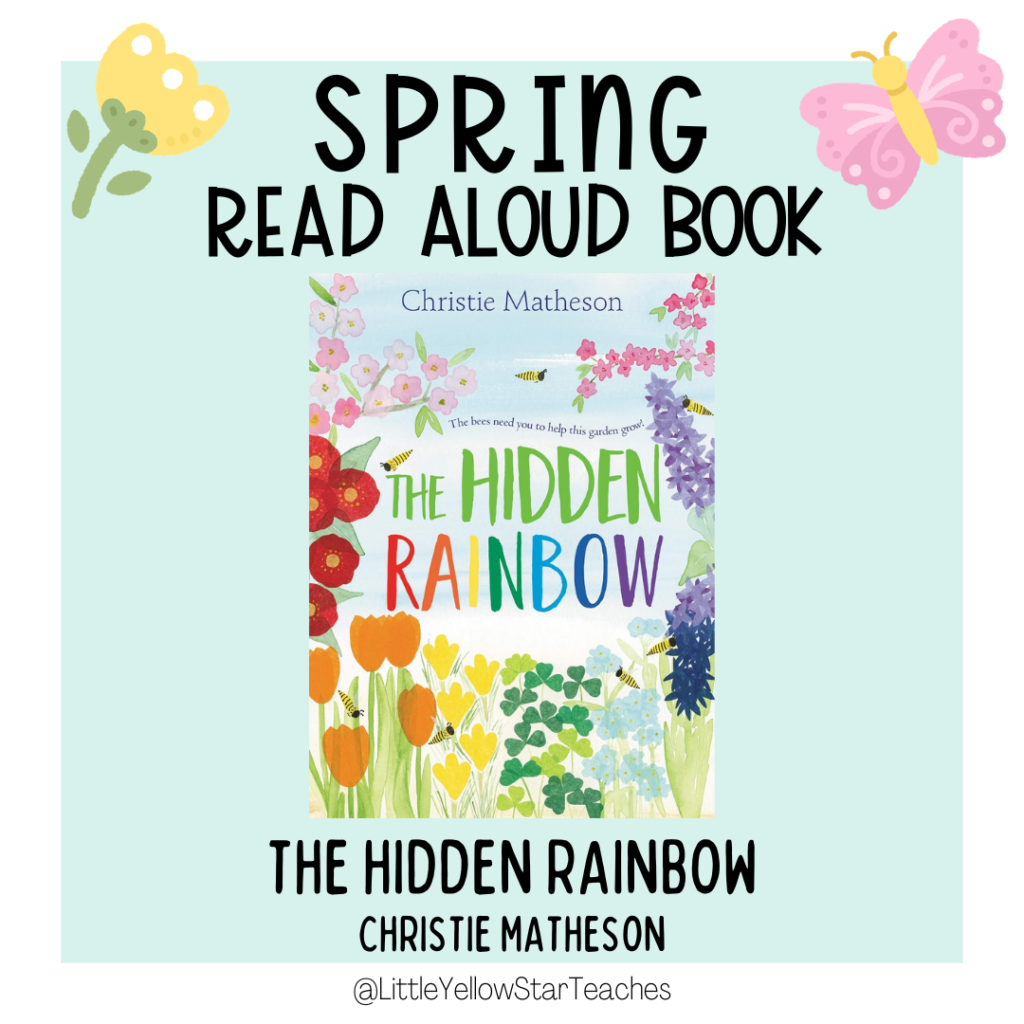
#8 The Hidden Rainbow by Christie Matheson
An interactive story that encourages children to discover the colors hidden in nature. As the pages turn, vibrant hues appear, showing how spring brings brightness back into the world.
Activity Idea: Make a rainbow collage using colored paper or items found in nature.
Discussion Questions:
- Where can you find colors outside?
- What causes a rainbow to appear?
- What colors do you notice most in spring?
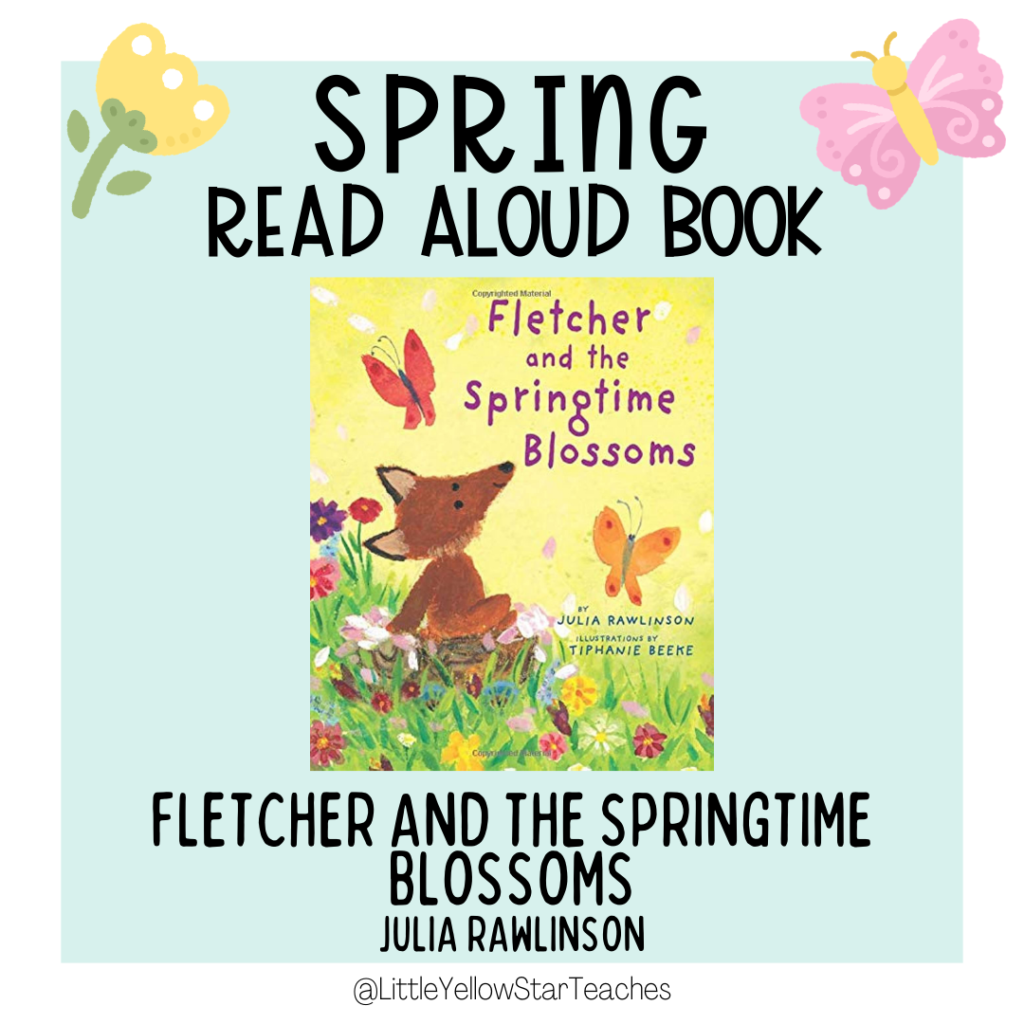
#9 Fletcher and the Springtime Blossoms by Julia Rawlinson
Fletcher the fox becomes worried when blossoms fall from the tree, thinking something is wrong. This heartwarming story gently teaches children about natural cycles, reassurance, and understanding change.
Activity Idea: Create blossom tree art using tissue paper or cotton balls.
Discussion Questions:
- Why was Fletcher worried?
- What did he learn about blossoms?
- How can we handle worries about change?

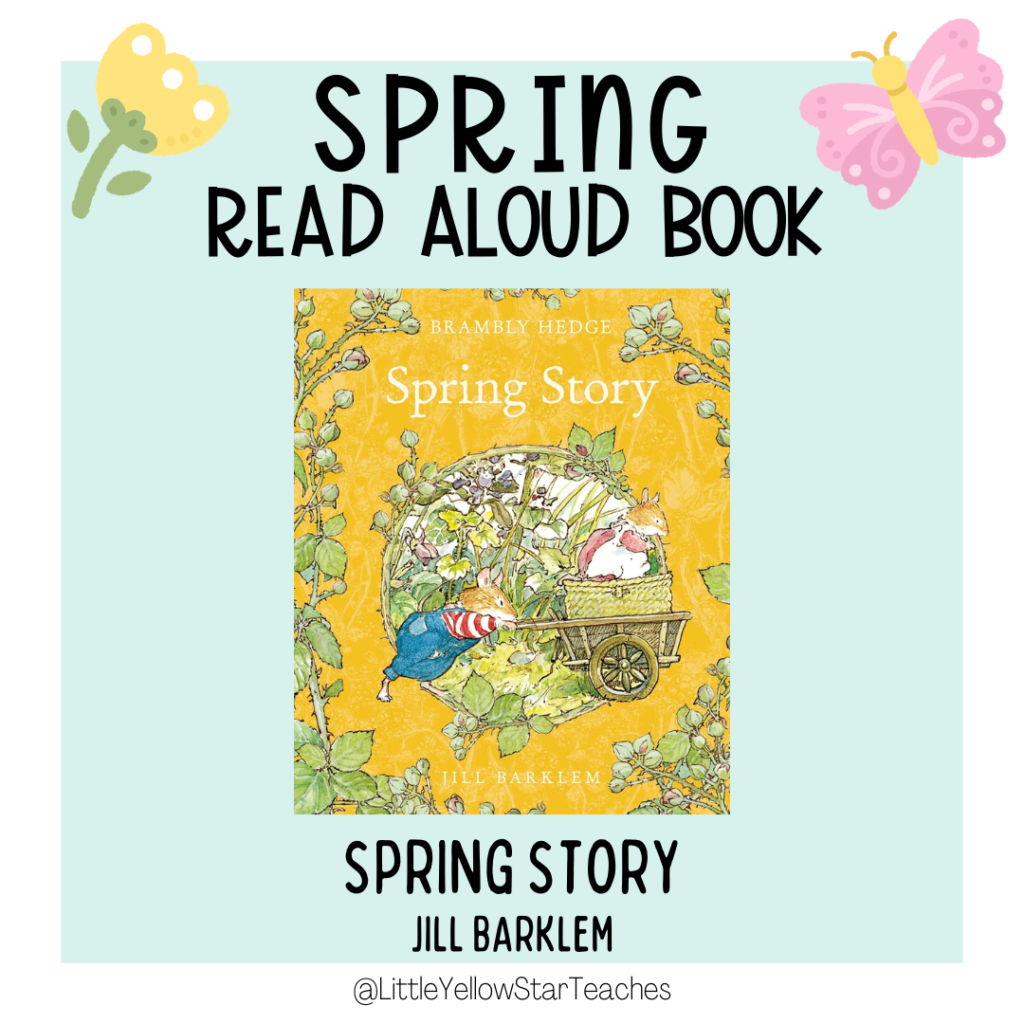
#10 Spring Story by Jill Barklem
Set in the enchanting world of Brambly Hedge, this detailed story follows woodland mice preparing for a spring celebration. Rich illustrations invite children to notice tiny details and seasonal preparations.
Activity Idea: Plan and draw your own spring picnic or celebration menu.
Discussion Questions:
- How did the characters prepare for spring?
- Why are celebrations important?
- What would you include in a spring party?
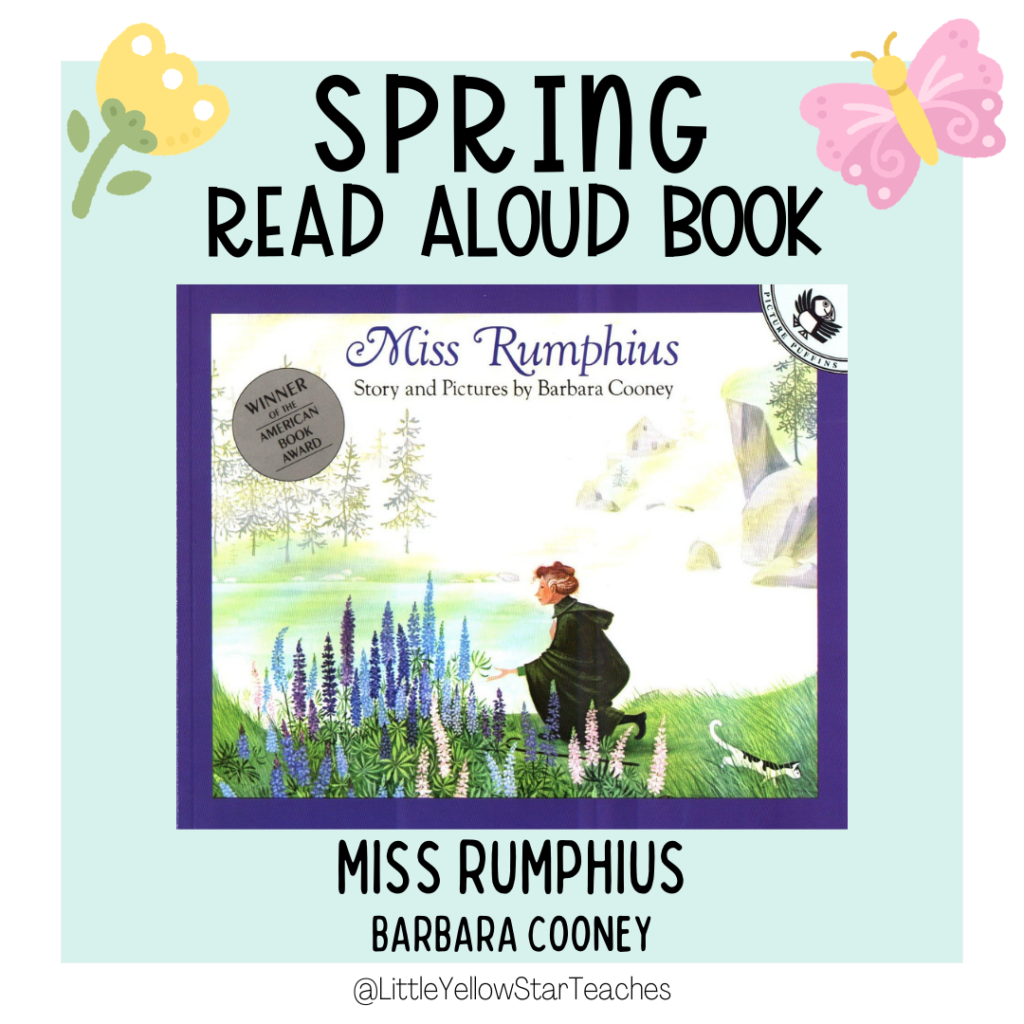
#11 Miss Rumphius by Barbara Cooney
A timeless classic about a woman who travels the world and fulfills her promise to make it more beautiful by planting lupines everywhere she goes. This story inspires kindness, purpose, and leaving a positive mark on the world.
Activity Idea: Draw or write about one way you can “make the world more beautiful.”
Discussion Questions:
- What promise did Miss Rumphius make?
- How did she keep her promise?
- What small act of kindness can you do?
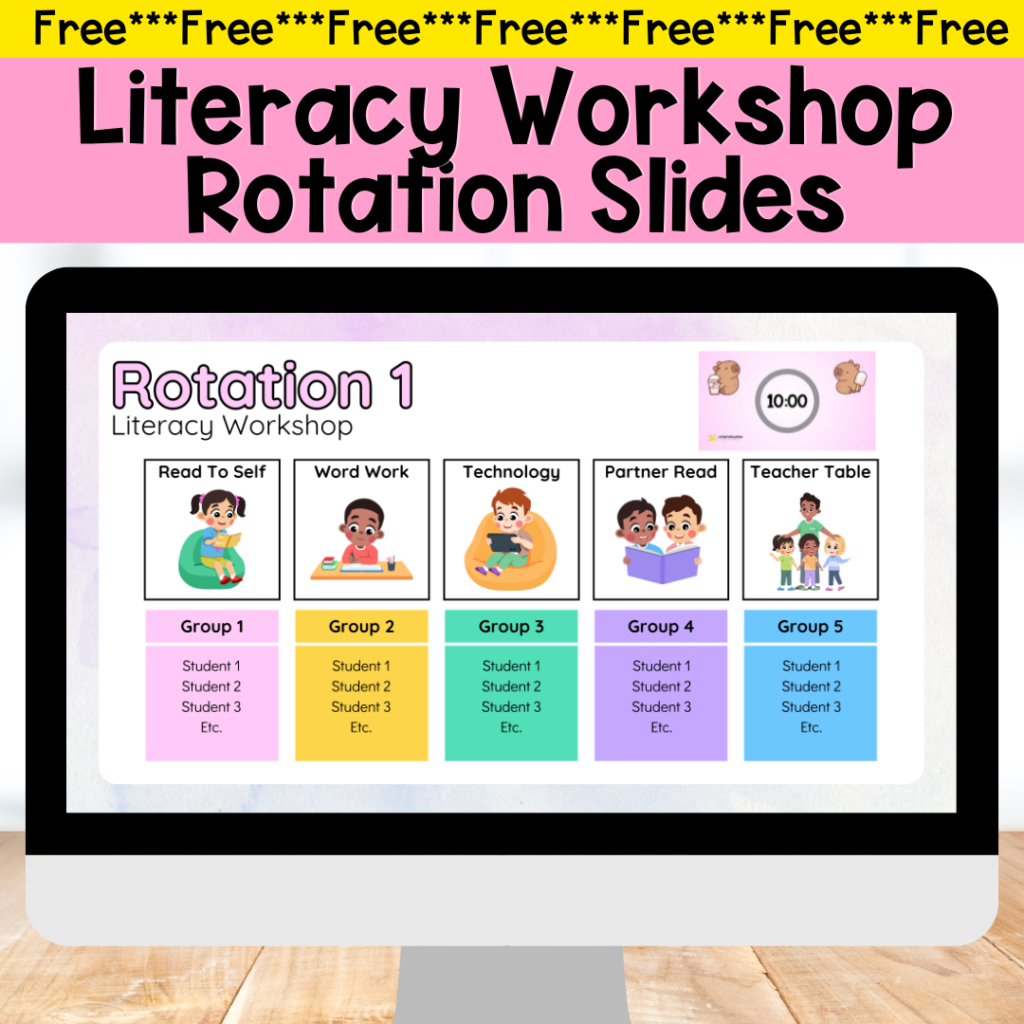
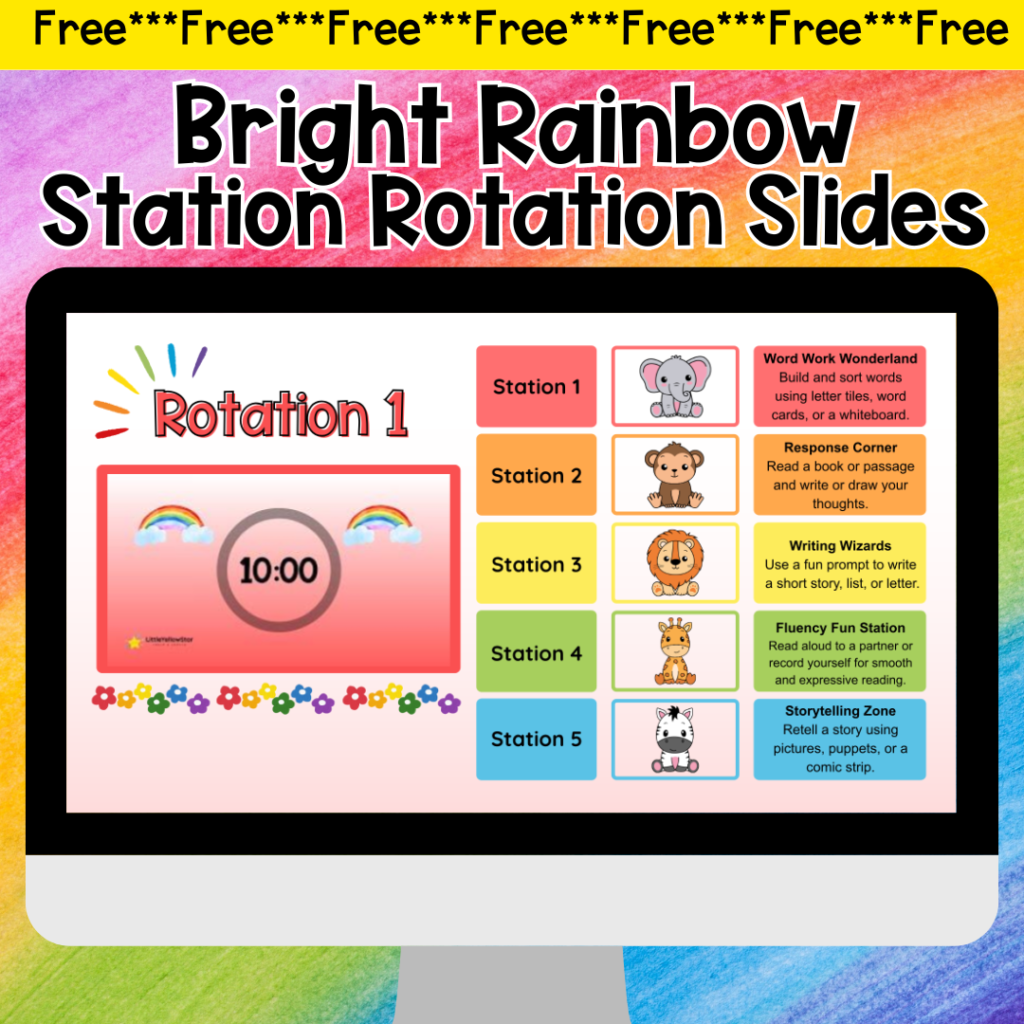
Grab these free resources to make your teaching life easier!

What Spring Book(s) Are You Going To Read Later?
Spring books for kids offer a joyful way to explore nature, growth, and fresh beginnings. Whether you’re focusing on science, SEL, or simply celebrating the season, these stories bring color and curiosity to every page.
Which spring story will you read first? Tag me on Instagram @LittleYellowStarTeaches and share your favorite seasonal reads, crafts, or nature discoveries!
Happy reading!
Prima at LittleYellowStar
* * *
Other Blog Posts That You Might Enjoy:
- 15 Minutes Daily Social And Emotional Learning Activities For The Classroom (SEL Made Easy)
- How To Offer Growth Mindset Praise Effectively
- 3 Activities To Introduce Growth Mindset