Stories That Help Children Learn Kind Choices, Self-Control, and Responsibility
Learning how to behave kindly, respectfully, and responsibly is an important part of growing up. Children are constantly learning how their actions affect others, how to manage big feelings, and how to make better choices. Books about behavior can help guide these lessons in a gentle and relatable way.
In this post, I’m sharing why behavior books are valuable additions to your child’s bookshelf. I’ve also included helpful activities and discussion questions to encourage reflection and positive decision-making.
***Disclosure: This post contains an Amazon affiliate link that at no additional cost to you, I may earn a small commission when you purchase through the link from my blog. Thank you for your support!
Table of Content
- Why Read Books About Behavior?
- The Role of Books in Teaching Kids about Behavior
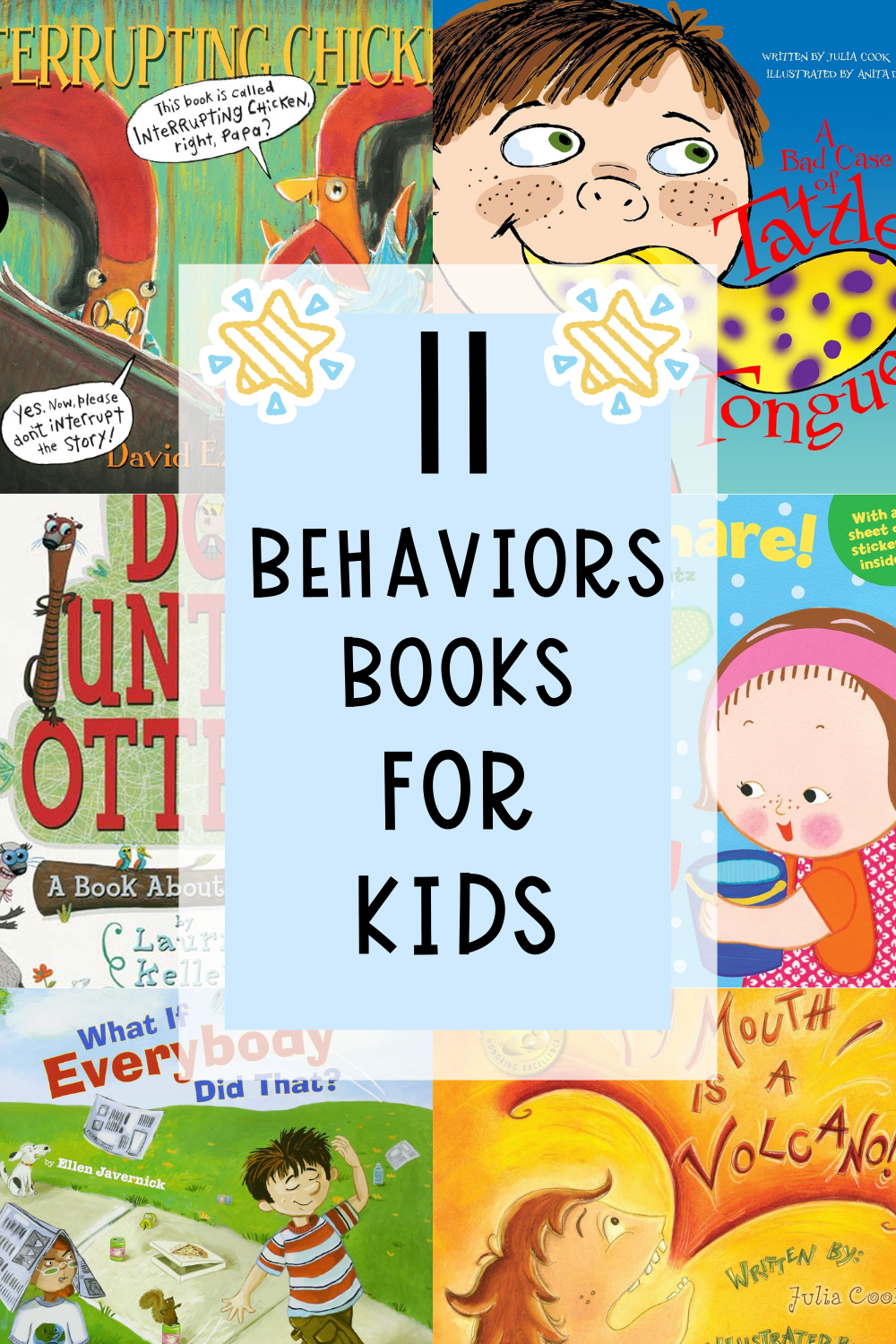
- 11 Behavior Books For Children
- What Behavior Book(s) Are You Going To Read Later?
Why Read Books About Behavior?
Behavior books help children understand expectations and practice positive choices.
Through relatable stories, kids see characters dealing with common challenges like interrupting, not sharing, feeling frustrated, or telling the truth. Watching characters learn from mistakes helps children recognize that everyone is still learning how to behave—and that mistakes can be opportunities to grow.
These books create safe ways to talk about difficult behaviors without making children feel judged.
The Role of Books in Teaching Kids about Behavior
Books about behavior support social-emotional learning and self-awareness.
They introduce concepts such as patience, honesty, listening, responsibility, and kindness. Children begin to understand how their actions affect others and why certain behaviors help build stronger friendships and communities.
Because stories present these lessons through characters, kids can reflect on behavior without feeling personally criticized.
How to Use Books about Behavior with Children
Here are some practical ways to use these books for learning:
- 🧠 Ask Open-Ended Questions: After reading, ask: What choice did the character make? or What could they have done differently? These questions help children think about consequences and solutions.
- 🎭 Engage in Role-Play Activities: Act out common situations such as sharing toys, taking turns, or calming down when upset. Children often learn best by practicing what positive behavior looks like.
- 📚 Refer Back to the Books: When a similar situation happens in real life, say: Remember what happened to the character when they interrupted? What could we try instead?
- 👨👩👧 Involve Other Caregivers: Encourage caregivers to read the same books and discuss behavior expectations together so children hear consistent messages at home and school.

11 Behavior Books For Children
Younger Children (Ages 3-6)
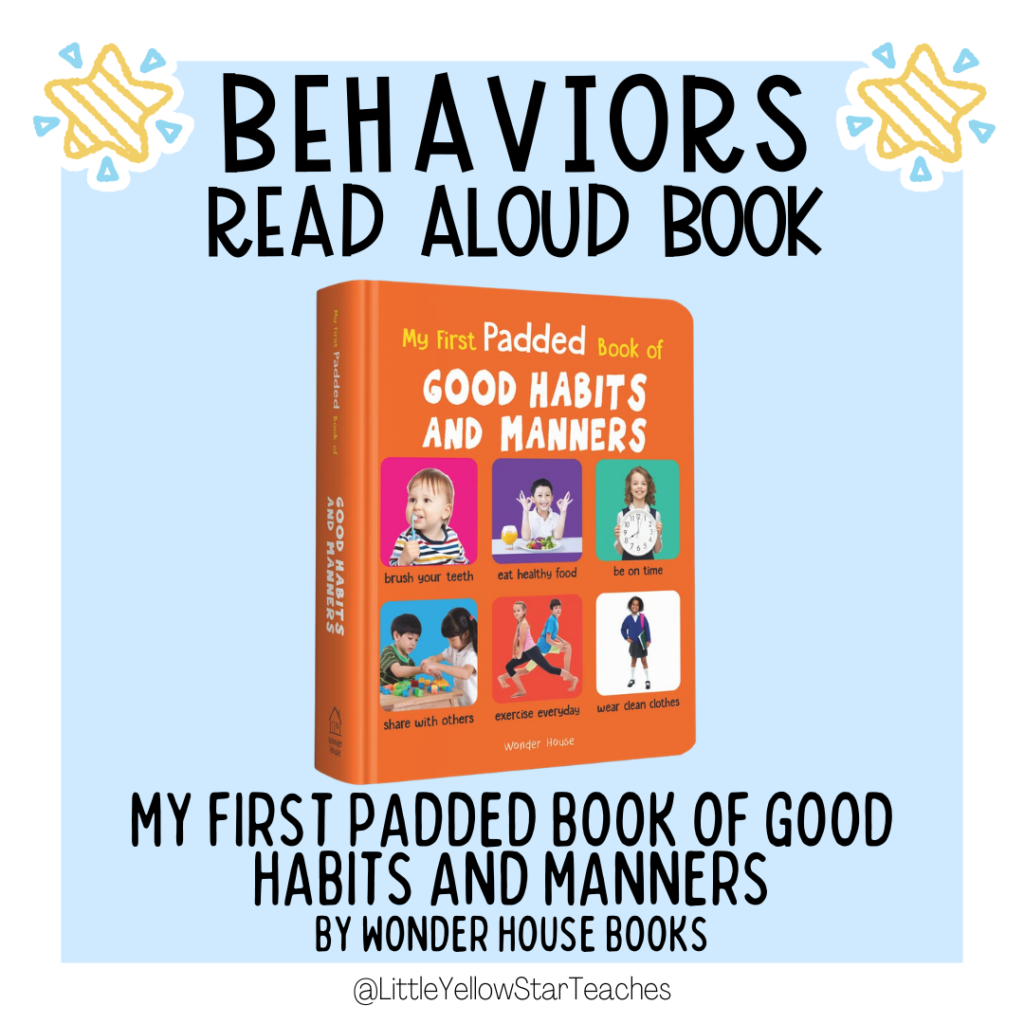
#1 My First Padded Book of Good Habits and Manners by Wonder House Books
This colorful introduction helps young children learn everyday manners and positive habits. Through bright illustrations and simple examples, kids explore behaviors like saying “please” and “thank you,” helping others, and keeping clean.
Activity Idea: Make a “Good Habits Chart” where children earn stickers for practicing kind behaviors.
Discussion Questions:
• What good habit do you already practice?
• Which new habit would you like to learn?
• Why are manners important?
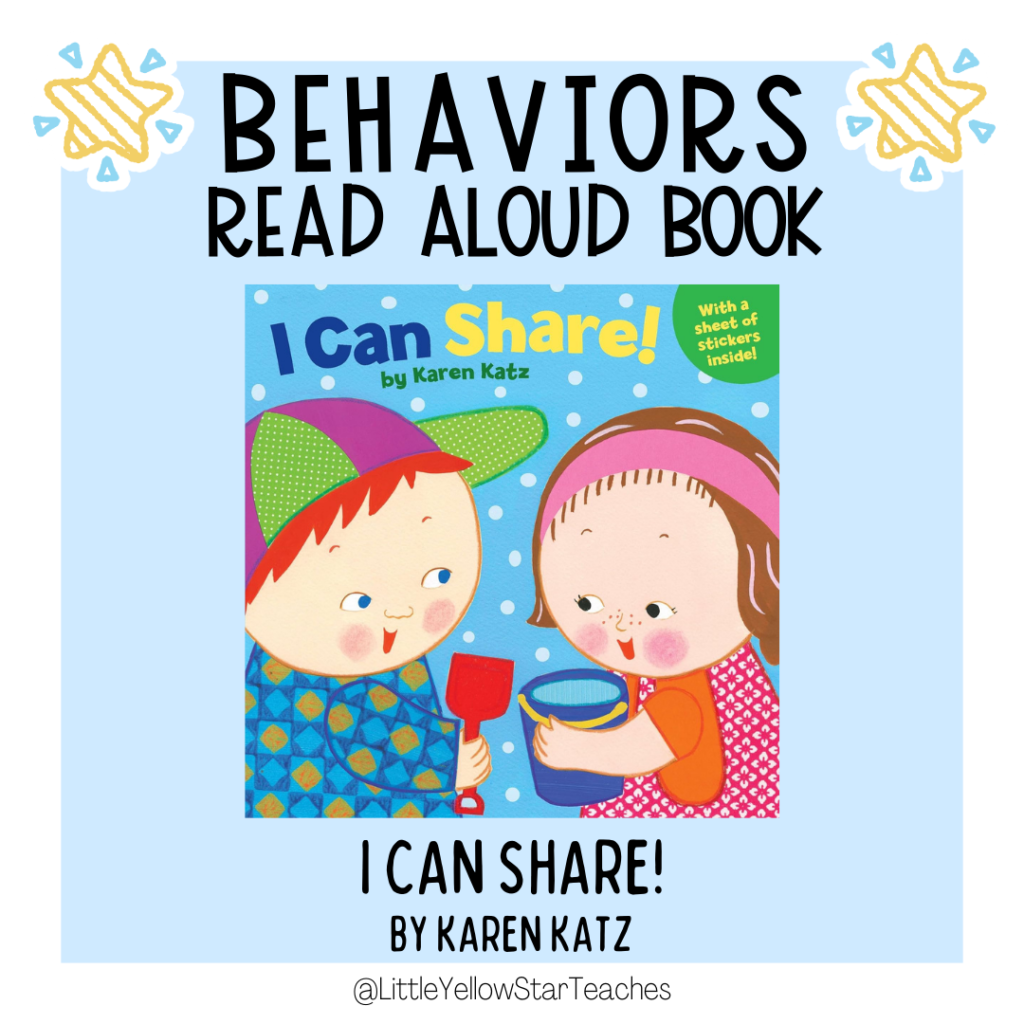
#2 I Can Share! by Karen Katz
This engaging lift-the-flap board book shows young readers how sharing can be fun and thoughtful. With simple language and cheerful illustrations, toddlers learn about taking turns and being kind to friends.
Activity Idea: Practice sharing toys during playtime and talk about how it feels.
Discussion Questions:
• Why can sharing be hard sometimes?
• How do you feel when someone shares with you?
• What can you do if someone doesn’t want to share?
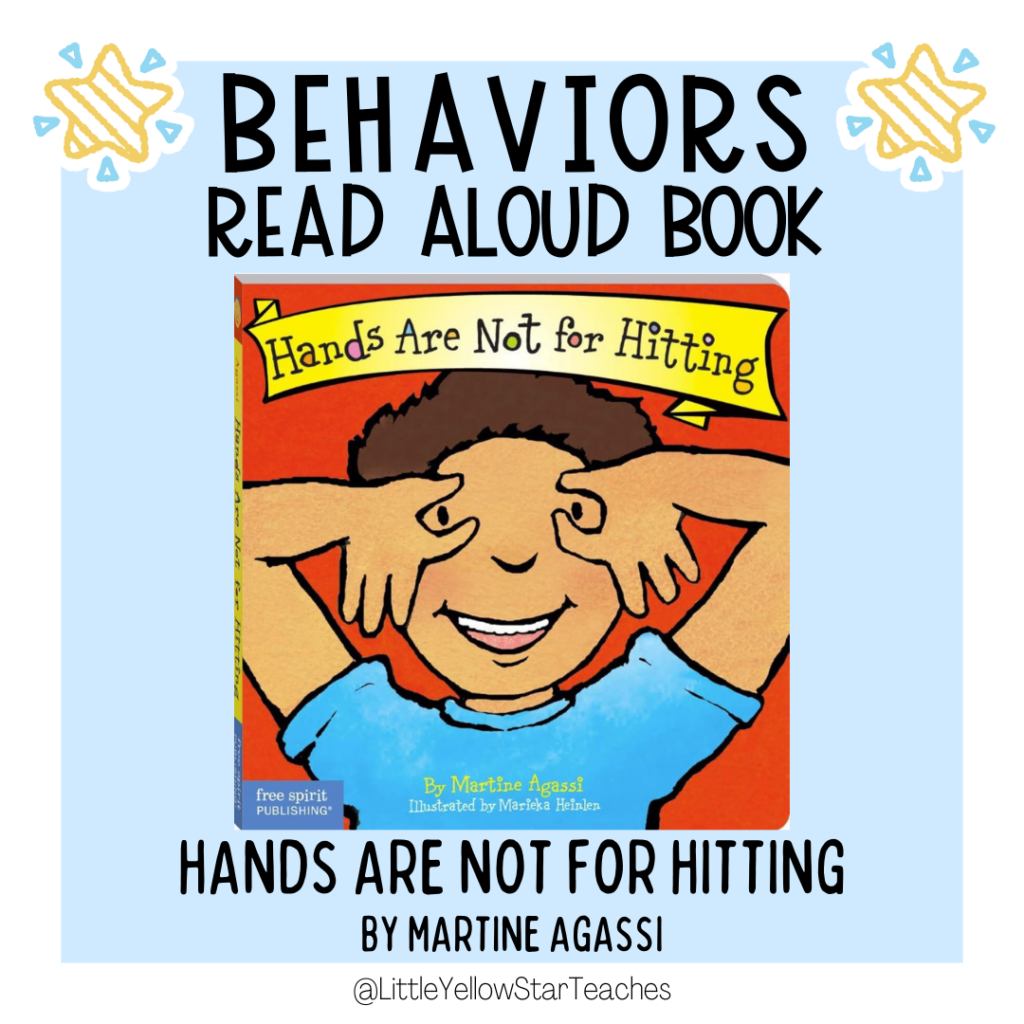
#3 Hands Are Not for Hitting by Martine Agassi
This supportive book teaches children that strong feelings are okay, but hurting others is not. It encourages kids to use their hands for positive actions like helping, creating, and playing rather than hitting.
Activity Idea: Make a “Kind Hands” poster showing helpful things hands can do.
Discussion Questions:
• What are some good things we can do with our hands?
• What should we do if we feel angry?
• How can we solve problems peacefully?

Lower Elementary Children (Ages 7-9)
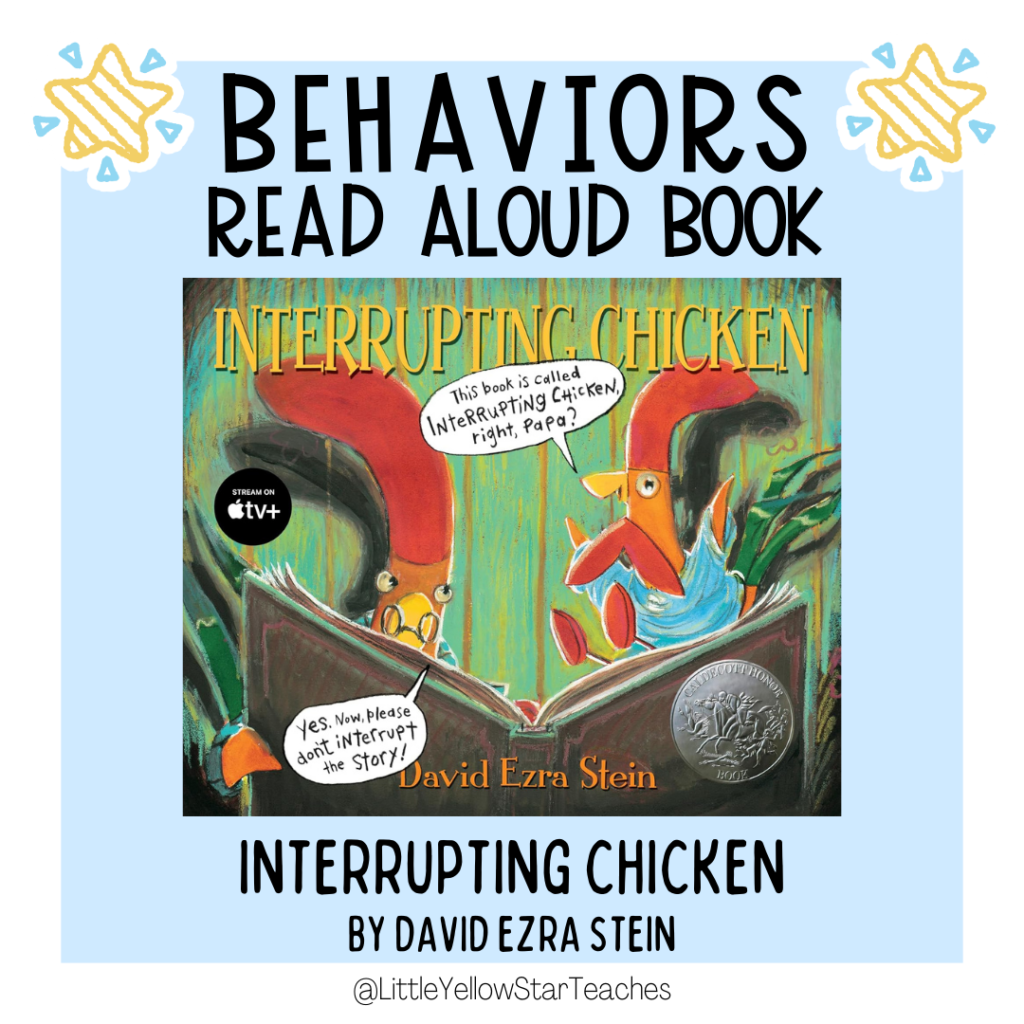
#4 Interrupting Chicken by David Ezra Stein
Little Chicken loves bedtime stories—but she keeps interrupting them! This funny story about patience and listening shows how hard it can be to wait your turn to talk.
Activity Idea: Act out a story where characters must remember to take turns speaking.
Discussion Questions:
• Why did Little Chicken interrupt the stories?
• How can we show we’re listening to someone?
• What helps you wait your turn?
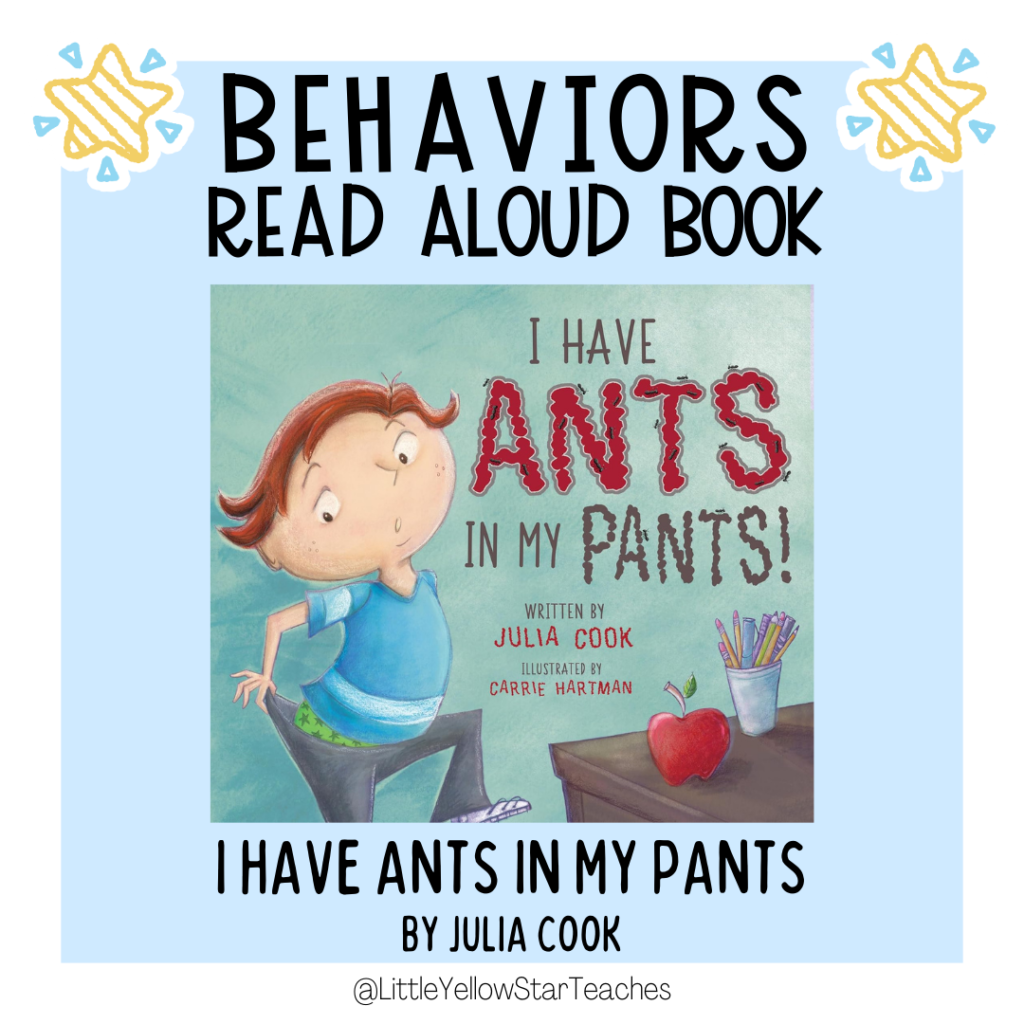
#5 I Have Ants in My Pants by Julia Cook
Louis struggles with sitting still and staying focused, especially at school. Through humor and relatable moments, the book helps kids understand strategies for managing energy and staying attentive.
Activity Idea: Try short movement breaks like stretching or jumping jacks.
Discussion Questions:
• What does it feel like when your body has too much energy?
• What helps you focus?
• Why are breaks helpful sometimes?
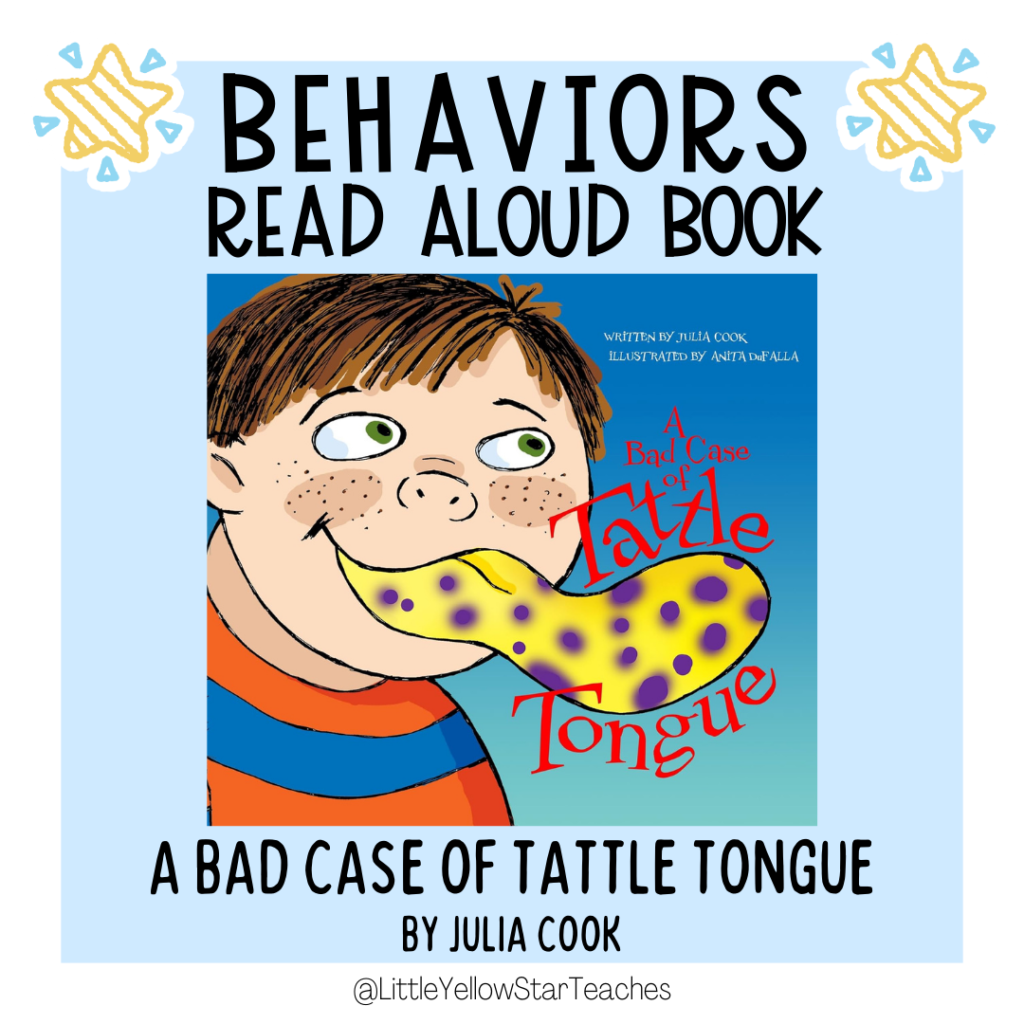
#6 A Bad Case of Tattle Tongue by Julia Cook
Josh has a habit of tattling on everyone around him. With help from an adult, he learns the difference between tattling and telling—especially when safety is involved.
Activity Idea: Sort examples into “Tattling” vs. “Telling” situations.
Discussion Questions:
• When should you tell an adult?
• When can kids solve problems themselves?
• How can we be helpful instead of tattling?
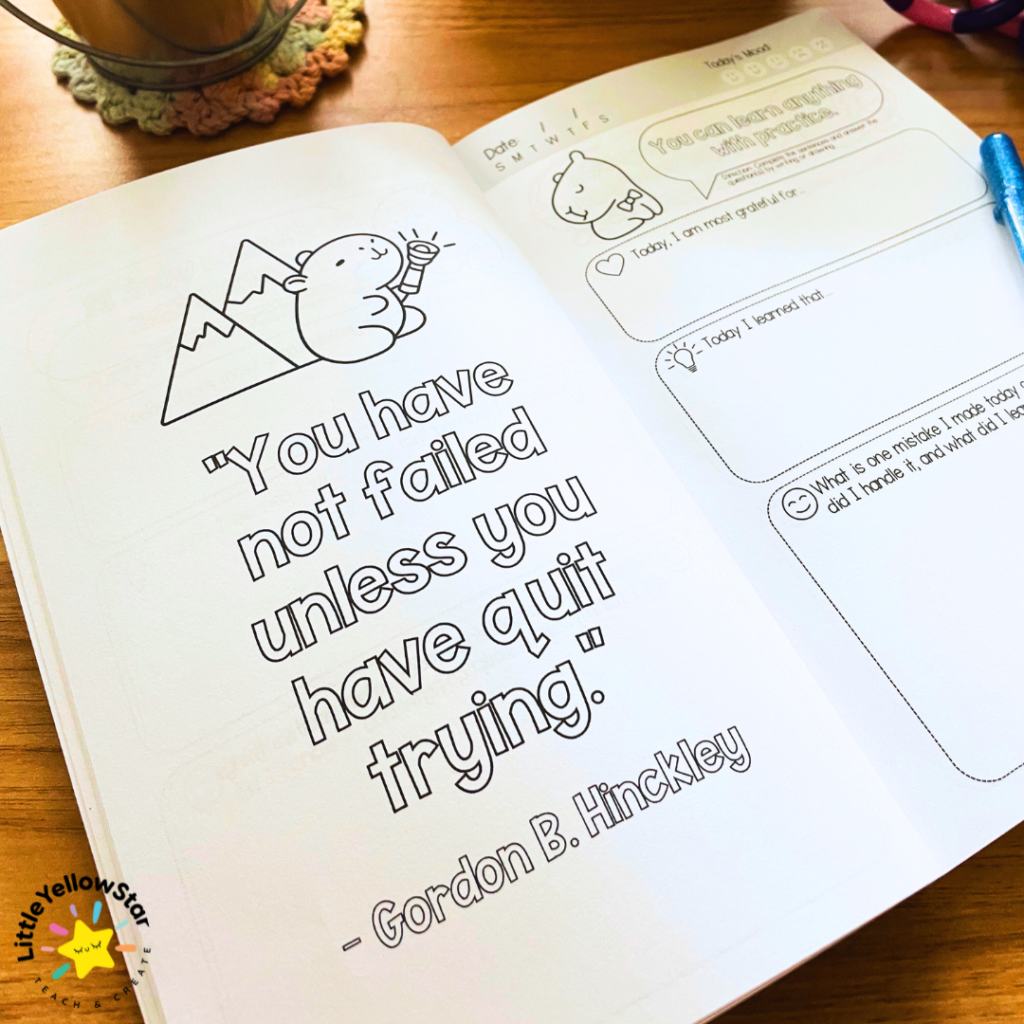
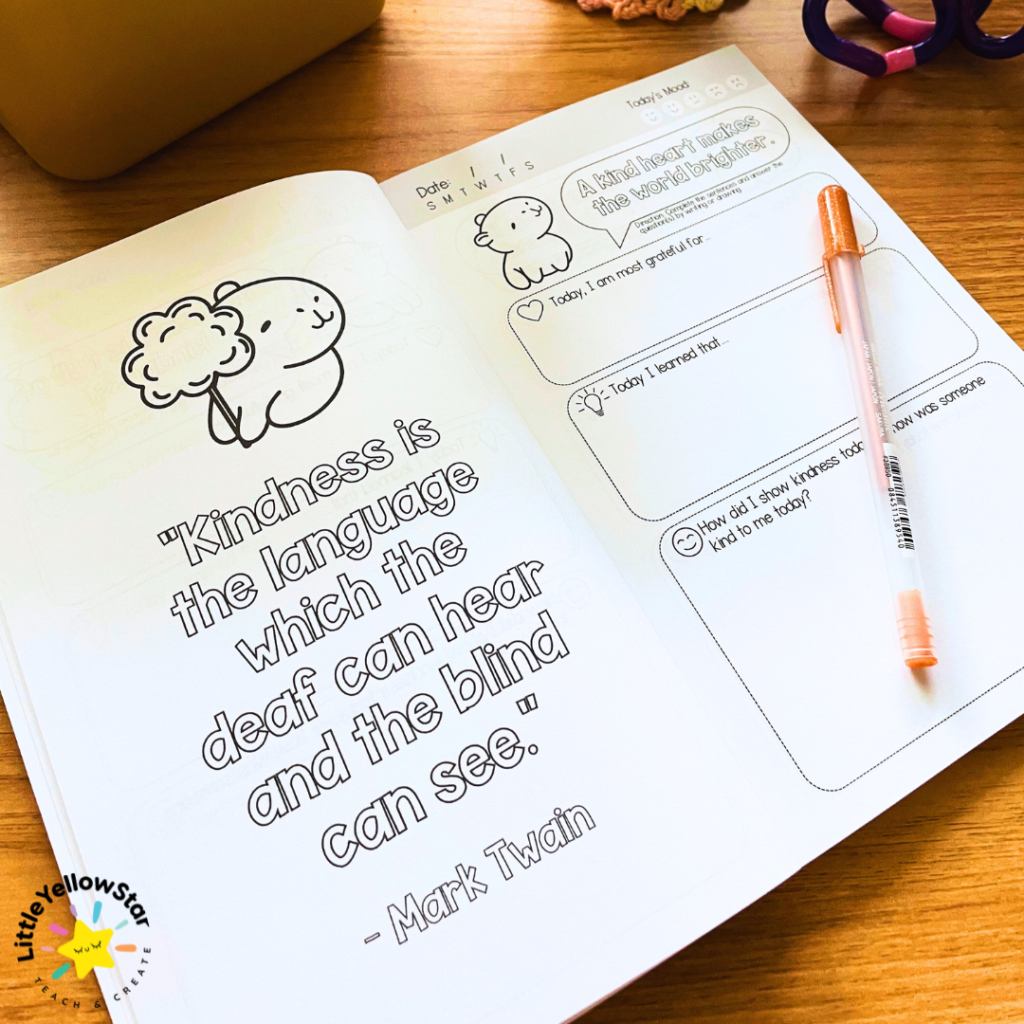
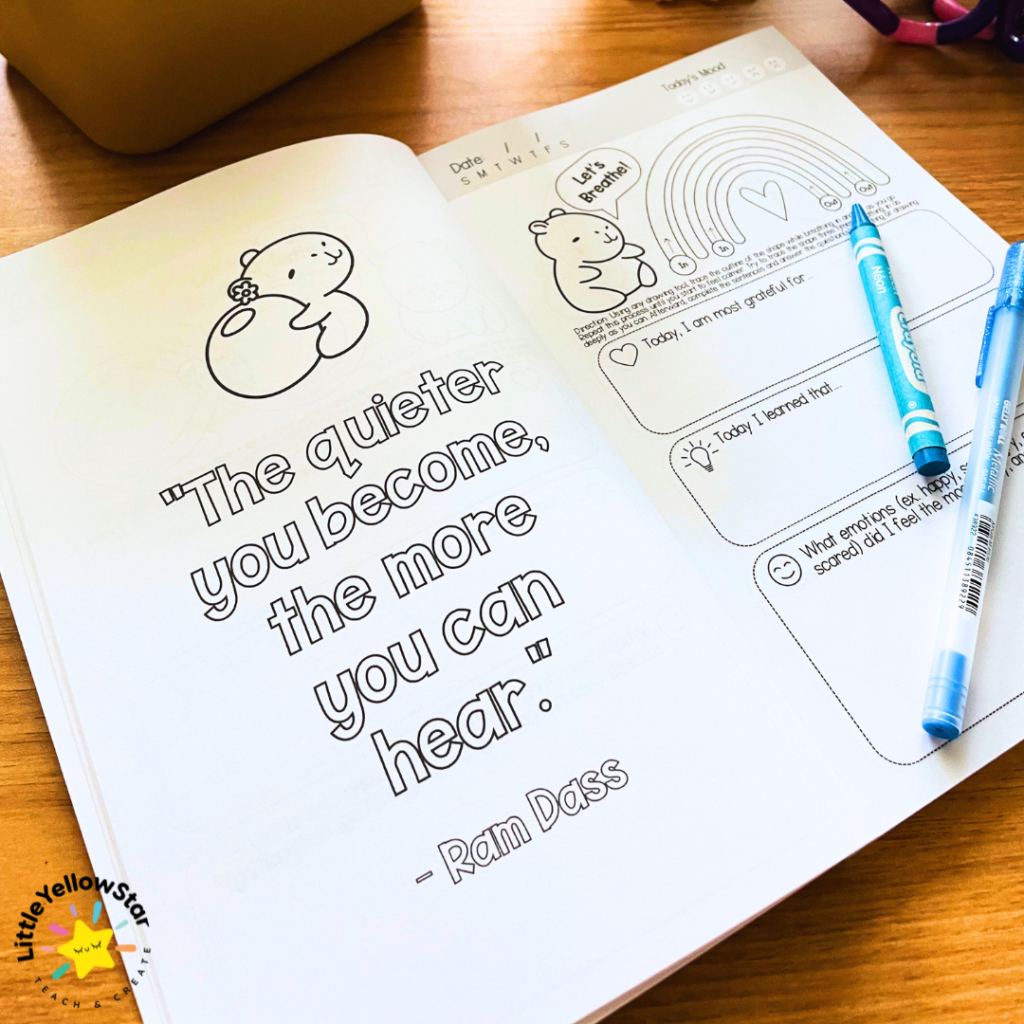
Check Out Capybara-Theme Daily Reflection Journals For Kids!
#7 My Mouth Is A Volcano by Julia Cook
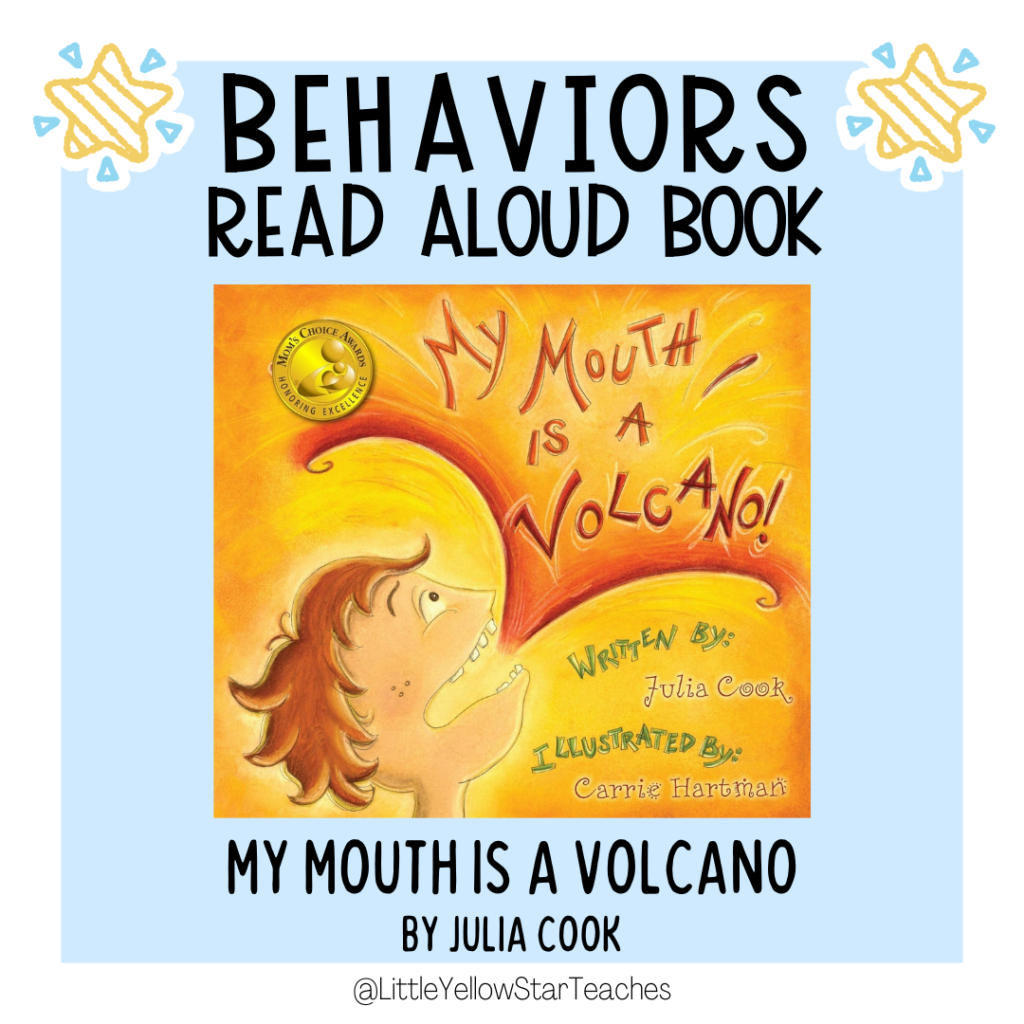
Louis has lots of important thoughts—but they burst out before it’s his turn to talk. The book uses humor and relatable situations to help children learn to wait, listen, and respect others when they are speaking.
Activity Idea: Make a paper “volcano jar” where kids write ideas they want to share later.
Discussion Questions:
• Why did Louis interrupt others?
• What helped him learn to wait?
• How does it feel when someone interrupts you?
Upper Elementary Children (Ages 9-11)
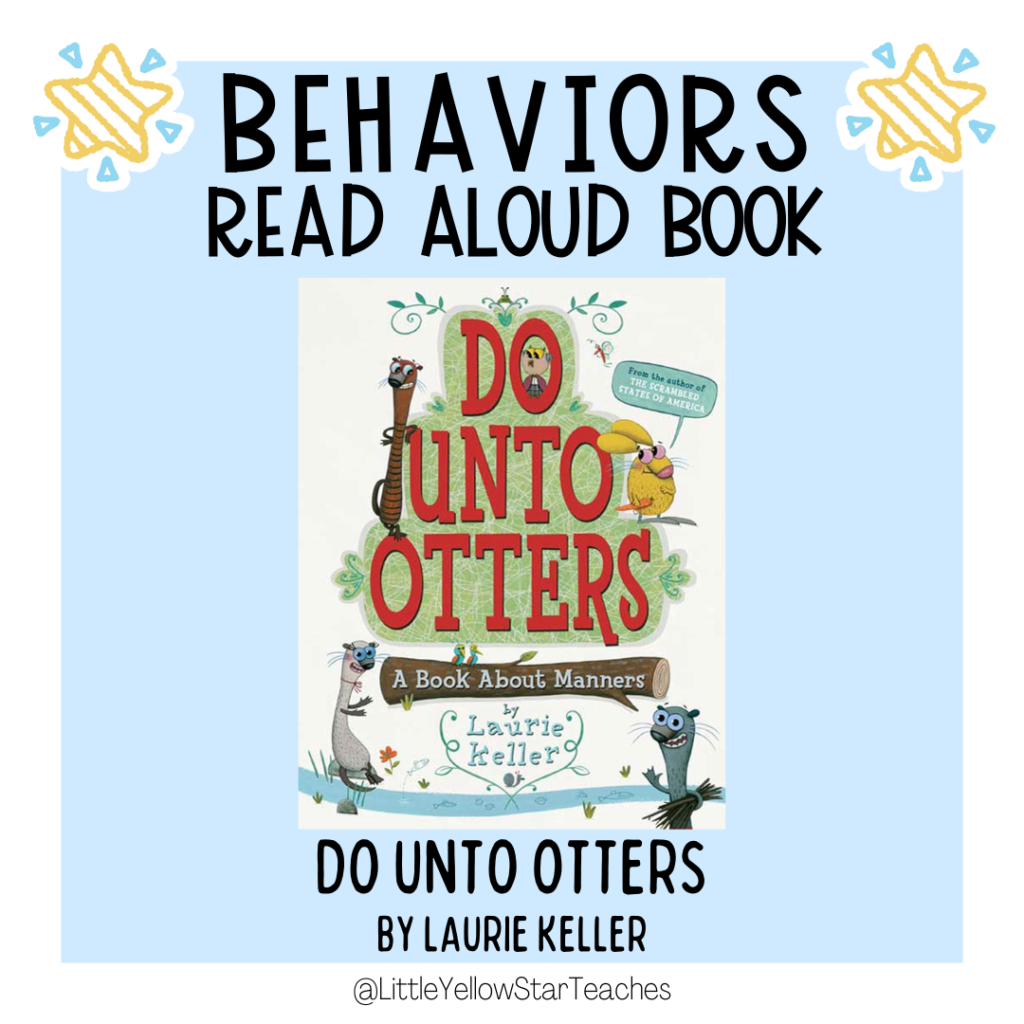
#8 Do Unto Otters by Laurie Keller
When new neighbors arrive, Mr. Rabbit learns an important lesson about kindness and the Golden Rule. With humor and colorful illustrations, the story shows how respect, honesty, and friendliness build good relationships.
Activity Idea: Create a “Kindness Rules” poster for the classroom or home.
Discussion Questions:
• What does the Golden Rule mean?
• How should we treat others?
• What is one kind thing you can do today?
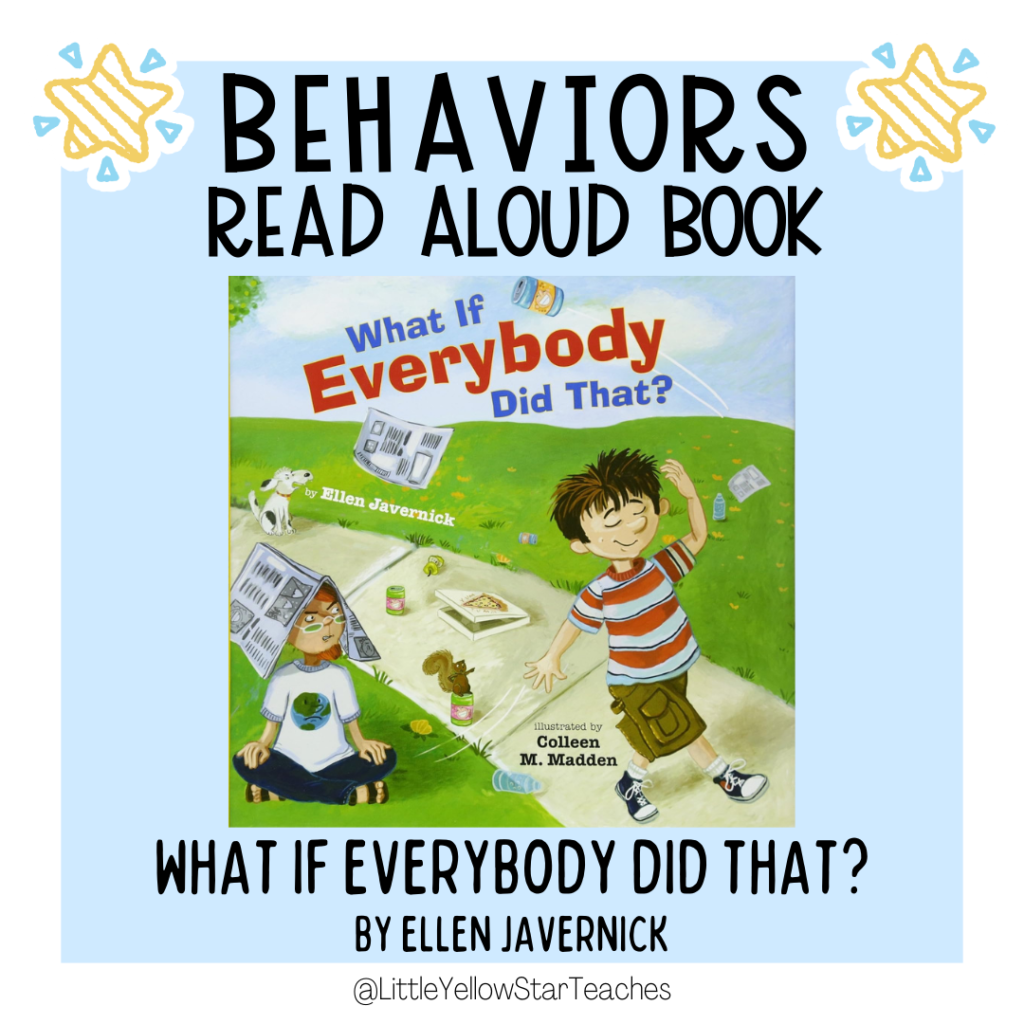
#9 What If Everybody Did That? by Ellen Javernick
This thought-provoking story asks what would happen if everyone ignored rules—littering, interrupting, or making messes everywhere. It helps children see how their choices affect others.
Activity Idea: Draw two scenes: one where everyone breaks the rule and one where everyone follows it.
Discussion Questions:
• Why do rules exist?
• How do your actions affect others?
• What happens when people make good choices?

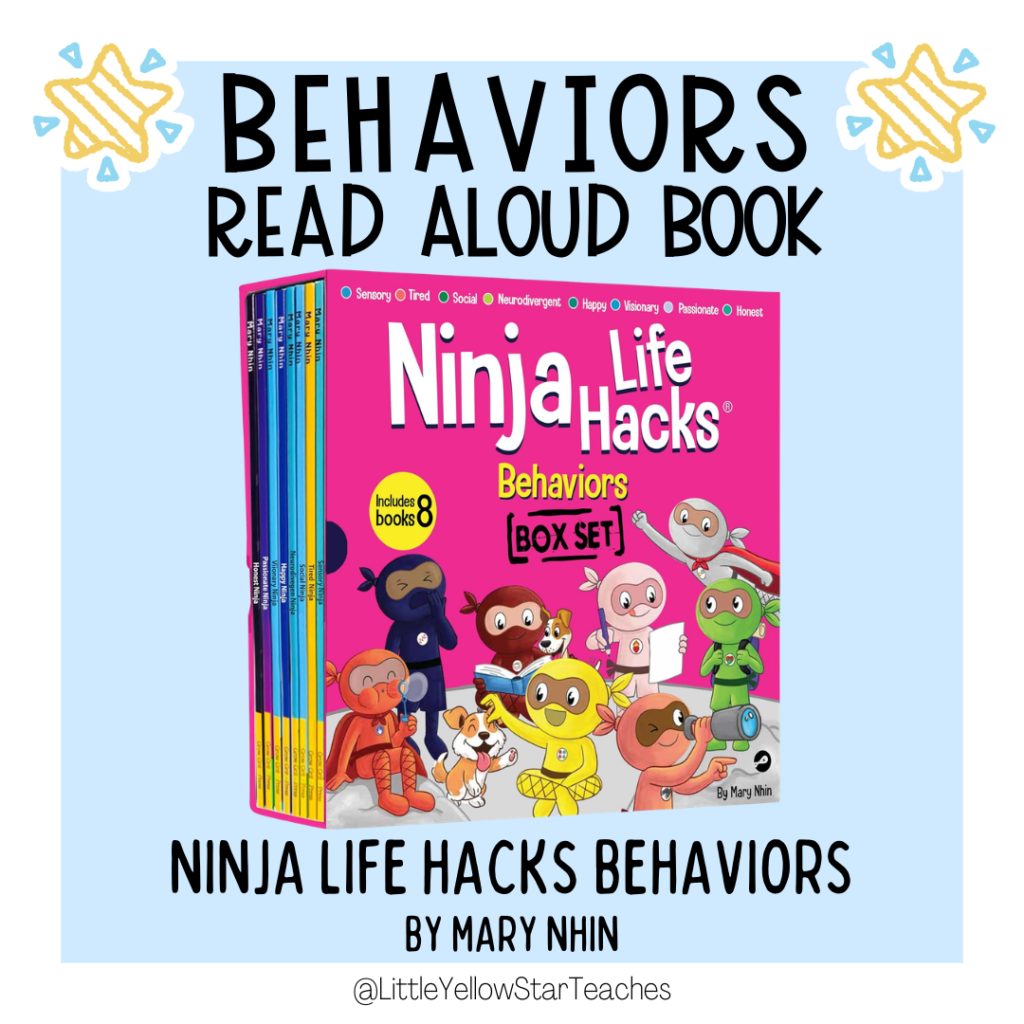
#10 Ninja Life Hacks: Behaviors by Mary Nhin
Part of the popular Ninja Life Hacks series, this book teaches kids practical strategies for handling emotions, solving problems, and making thoughtful decisions through fun ninja characters.
Activity Idea: Design your own “Behavior Ninja” with a special skill like patience or kindness.
Discussion Questions:
• What behavior skill did the ninja learn?
• Which ninja lesson could help you?
• How can we practice good choices every day?
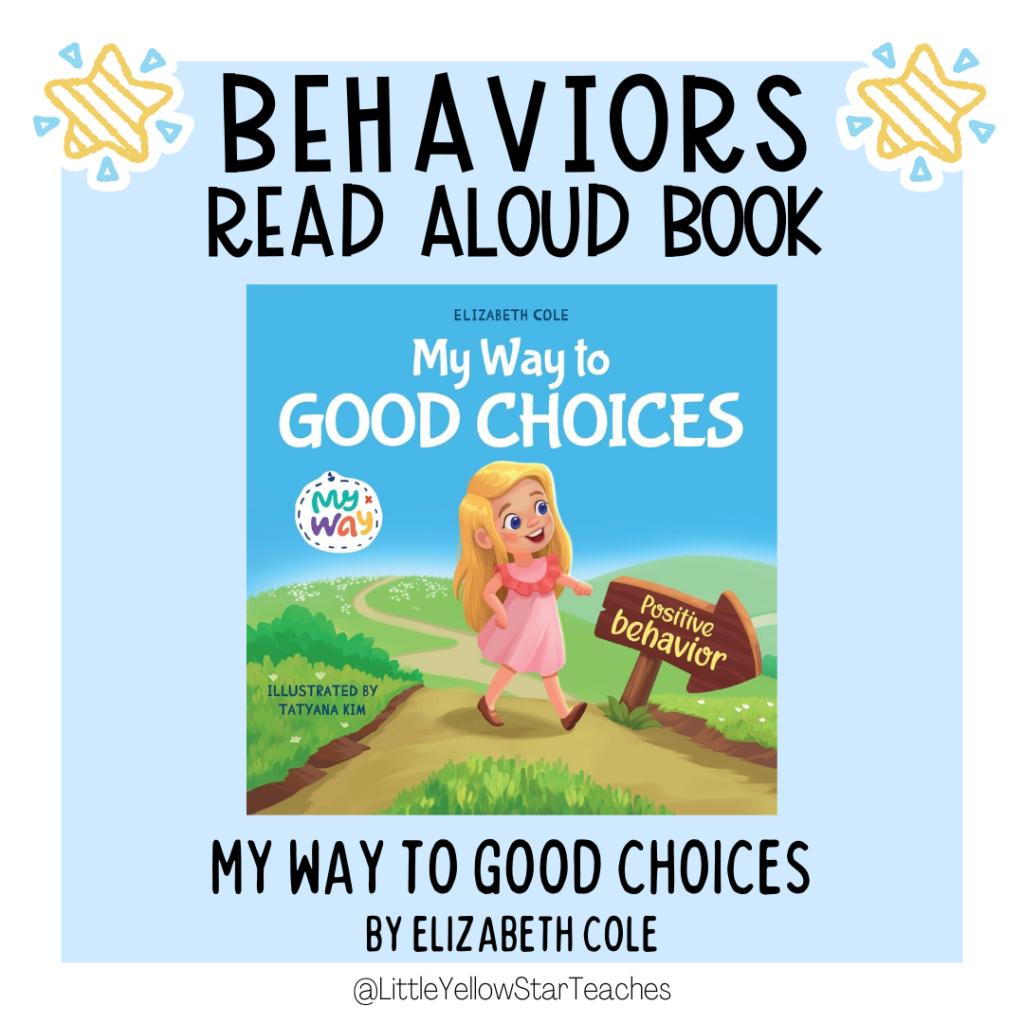
#11 My Way to Good Choices by Elizabeth Cole
This encouraging story helps children understand decision-making, responsibility, and learning from mistakes. It shows that good choices take practice and that everyone can grow and improve.
Activity Idea: Role-play different scenarios and practice choosing the best response.
Discussion Questions:
• What helps you make good decisions?
• What should you do if you make a mistake?
• Who can help you when choices feel hard?
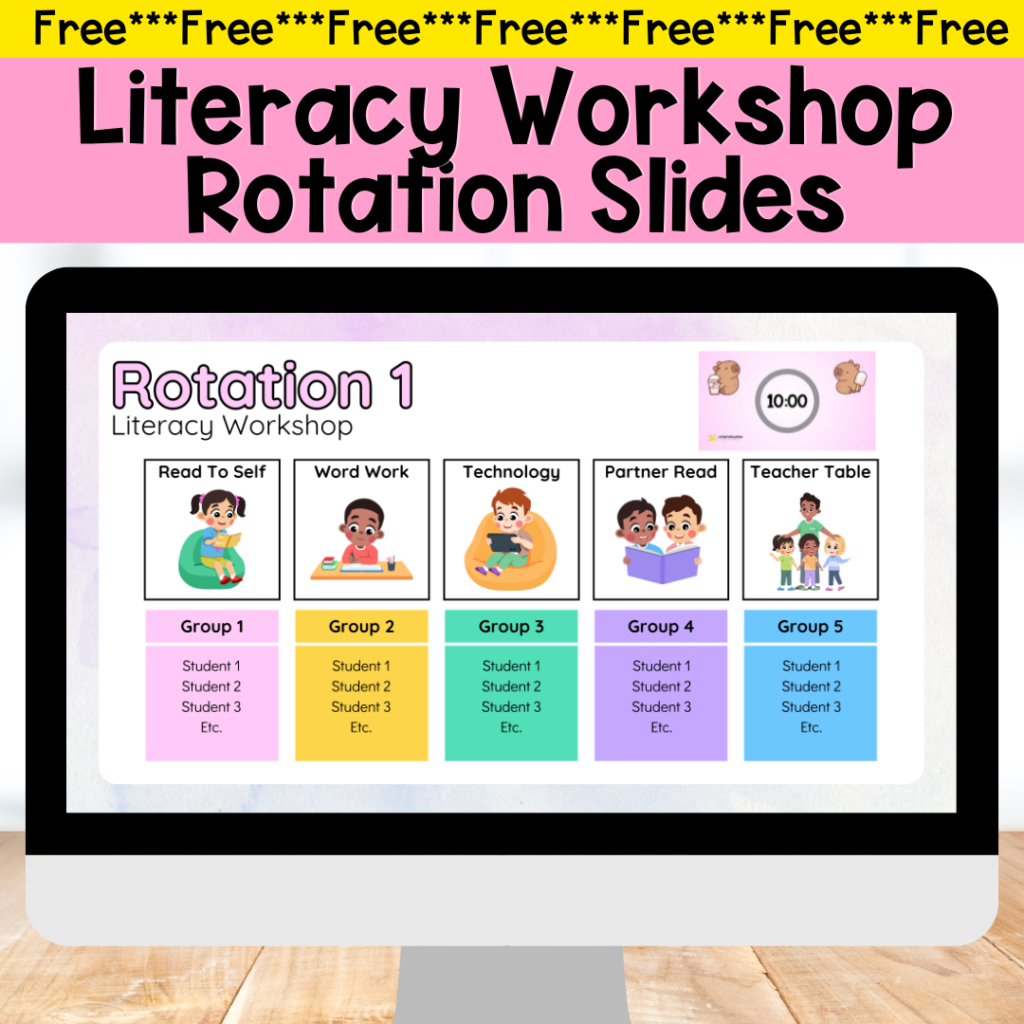
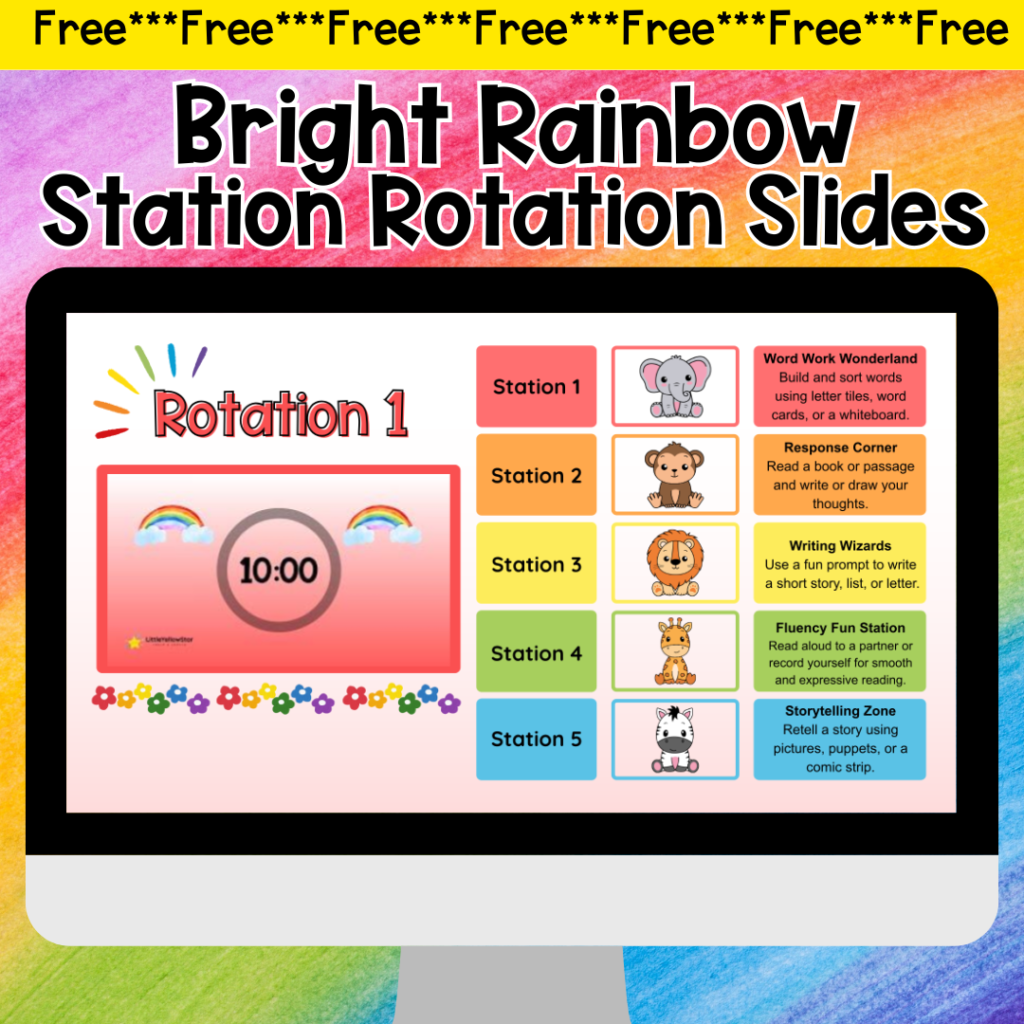
Grab these free resources to make your teaching life easier!

What Behavior Book(s) Are You Going To Read Later?
Behavior books for kids provide helpful guidance while reminding children that learning how to make good choices is part of growing up. These stories build empathy, self-awareness, and confidence in children as they navigate everyday challenges.
Which behavior-focused book will you read next? Tag me on Instagram @LittleYellowStarTeaches and share your favorite storytime moments or classroom discussions.
Happy reading!
Prima at LittleYellowStar
* * *
Other Blog Posts That You Might Enjoy:
- 15 Minutes Daily Social And Emotional Learning Activities For The Classroom (SEL Made Easy)
- How To Offer Growth Mindset Praise Effectively
- 3 Activities To Introduce Growth Mindset