11 Autism Books for Kids
Stories That Build Understanding, Kindness, and Acceptance
Every child experiences the world in their own unique way. Books about autism help children understand neurodiversity while promoting empathy, inclusion, and kindness. These stories introduce young readers to different ways of thinking, communicating, and experiencing the world.
In this post, I’m sharing why autism-themed books are valuable additions to your child’s bookshelf. I’ve also included thoughtful activities and discussion questions to help children build understanding and compassion.
***Disclosure: This post contains an Amazon affiliate link that at no additional cost to you, I may earn a small commission when you purchase through the link from my blog. Thank you for your support!
Table of Content
- Why Read Books About Autism?
- The Role of Books in Teaching Kids about Autism
- 11 Autism Books For Children
- What Autism Book(s) Are You Going To Read Later?
Why Read Books About Autism?
Autism books help children learn about differences in a positive and supportive way.
These stories show that people think, feel, and experience the world differently—and that those differences are valuable. Many autism books focus on understanding sensory needs, communication styles, and unique strengths.
Reading these stories helps children recognize that everyone deserves patience, kindness, and acceptance.
The Role of Books in Teaching Kids about Autism
Books about autism support social-emotional learning and inclusivity.
They help children understand that some people may communicate differently, prefer routines, or experience strong sensory feelings. These stories encourage empathy by showing how friends, classmates, and families can support and understand one another.
Autism books also highlight the many strengths autistic individuals may have—such as creativity, focus, honesty, and unique ways of problem-solving.
How to Use Books about Autism with Children
Here are some supportive ways to explore these stories together:
- 💙 Ask Open-Ended Questions: After reading, ask: What makes each person unique? or How can we be a good friend to someone who experiences the world differently?
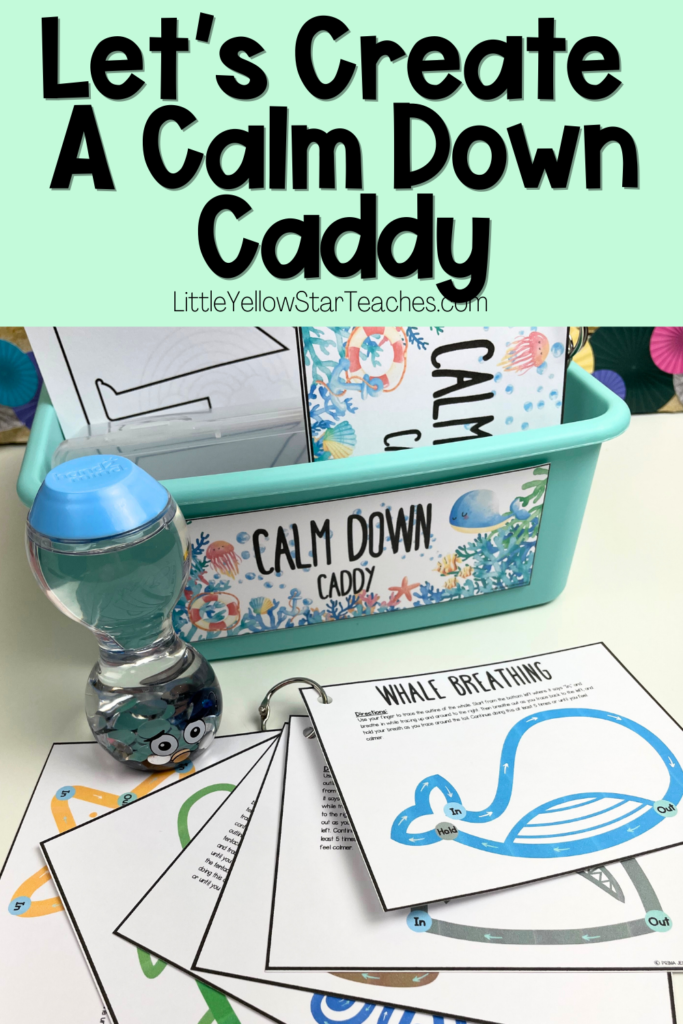
- 🎨 Engage in Understanding Activities: Create a “Things That Make Me Unique” drawing activity, talk about different ways people learn best, or explore sensory activities like calming jars or textured art.
- 📚 Refer Back to the Books: When discussing kindness or inclusion, say: Remember how the character’s friends helped them feel comfortable? What are ways we can help others feel included?
- 👨👩👧 Involve Other Caregivers: Encourage families to read autism-themed books together and discuss how kindness and understanding can make school and friendships better for everyone.

11 Autism Books For Children
Younger Children (Ages 3-6)
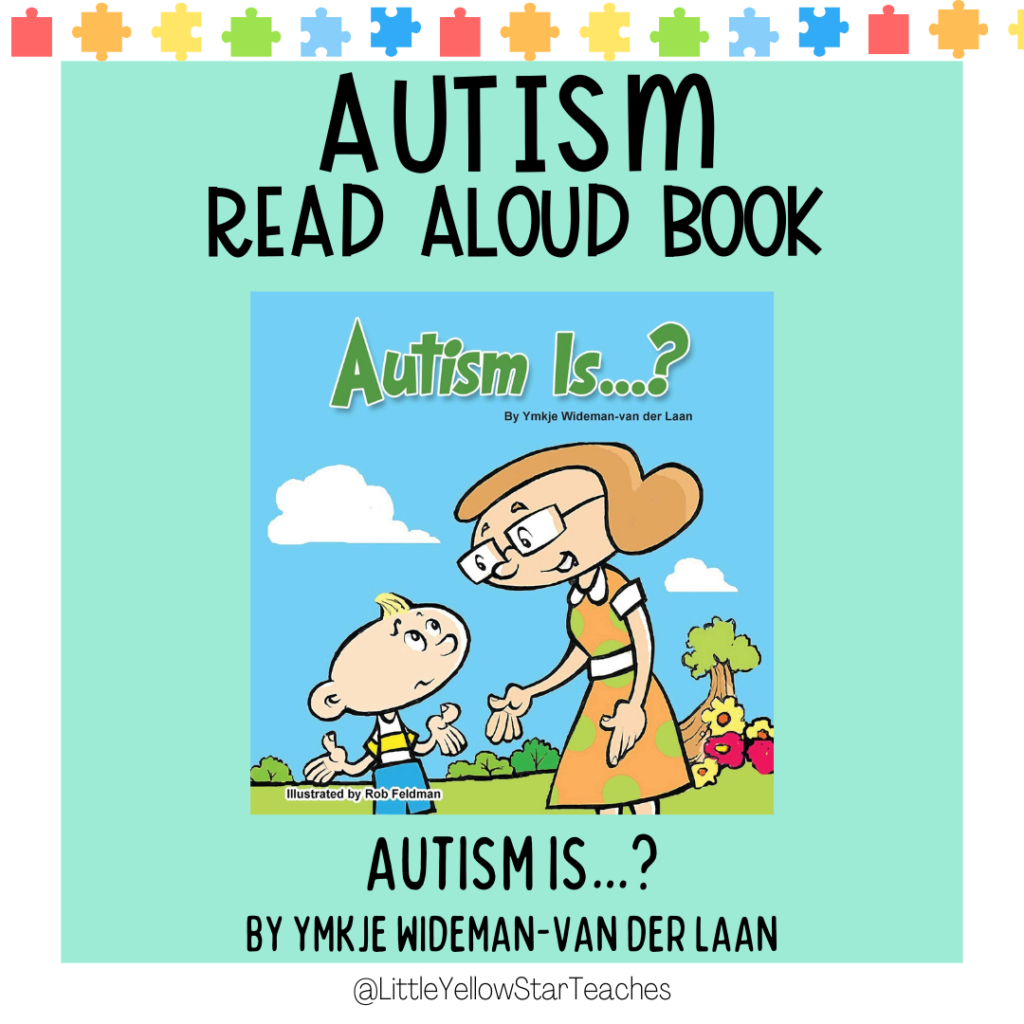
#1 Autism Is…? by Ymkje Wideman-van der Laan
This thoughtful picture book helps children understand autism through simple explanations and relatable examples. It explores how people with autism may experience the world in unique ways while highlighting their strengths, feelings, and individuality.
Activity Idea: Create a “Things That Make Me Unique” poster where children list their talents and interests.
Discussion Questions:
• What does the book say autism is?
• How are people with autism similar to others?
• What makes each person special?
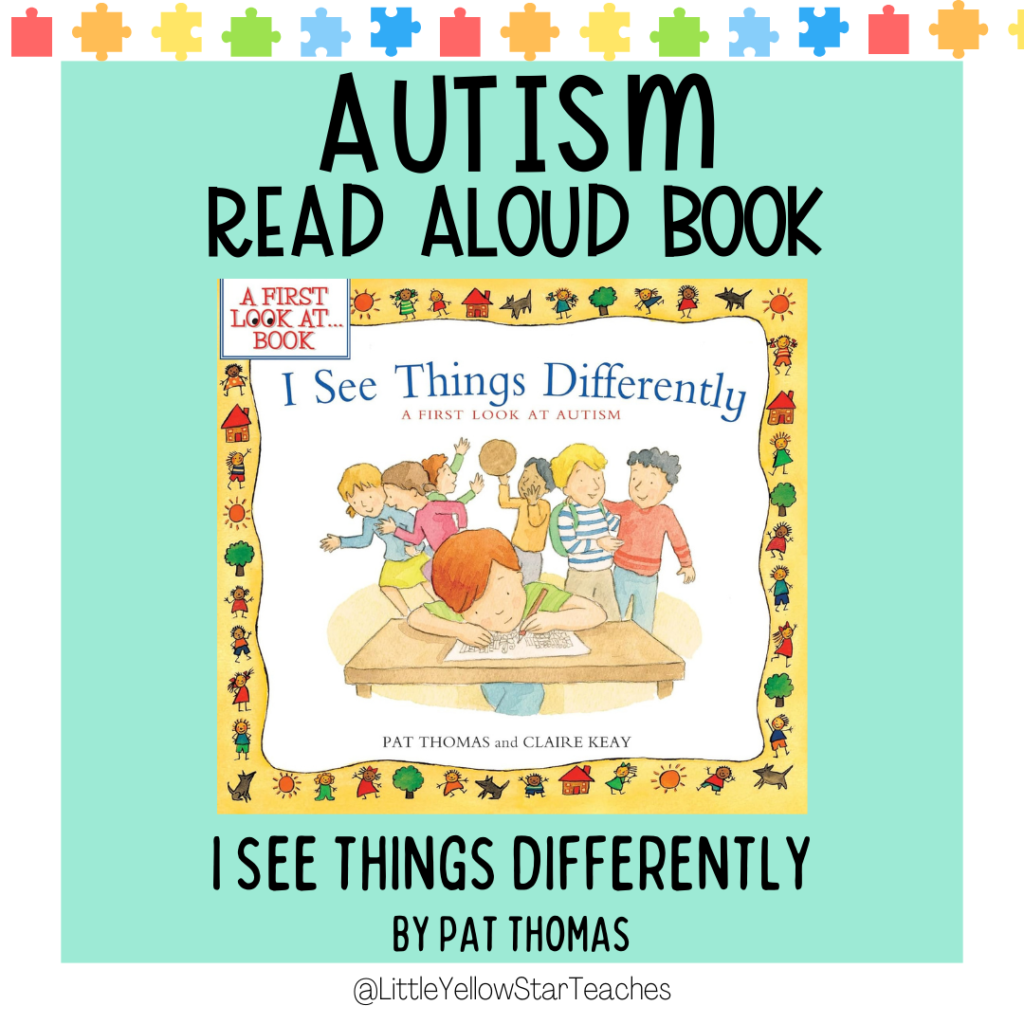
#2 I See Things Differently by Pat Thomas
Part of the well-known “A First Look At…” series, this book introduces autism to young readers in a gentle and supportive way. It explains how some children experience communication, emotions, and sensory input differently while encouraging empathy and understanding.
Activity Idea: Try a “perspective activity” where kids describe how they might feel in different situations.
Discussion Questions:
• What does it mean to see things differently?
• How can we help friends feel comfortable?
• Why is understanding others important?
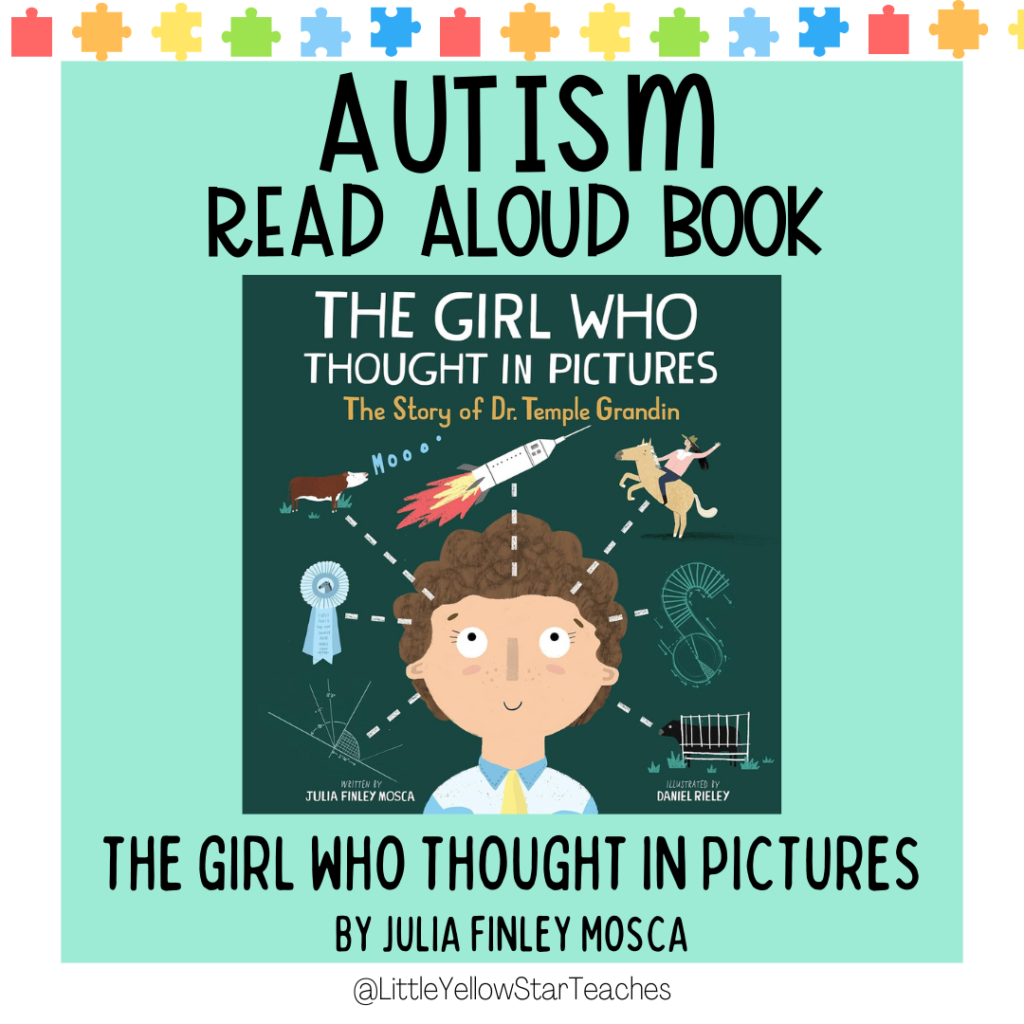
#3 The Girl Who Thought in Pictures by Julia Finley Mosca
This inspiring biography tells the story of Temple Grandin, a scientist with autism who changed the way people think about animals and autism. Written in rhyming verse, the book shows how thinking differently can lead to extraordinary achievements.
Activity Idea: Draw how you imagine thinking in pictures might look.
Discussion Questions:
• What challenges did Temple Grandin face?
• What made her ideas special?
• How can differences become strengths?

Lower Elementary Children (Ages 7-9)
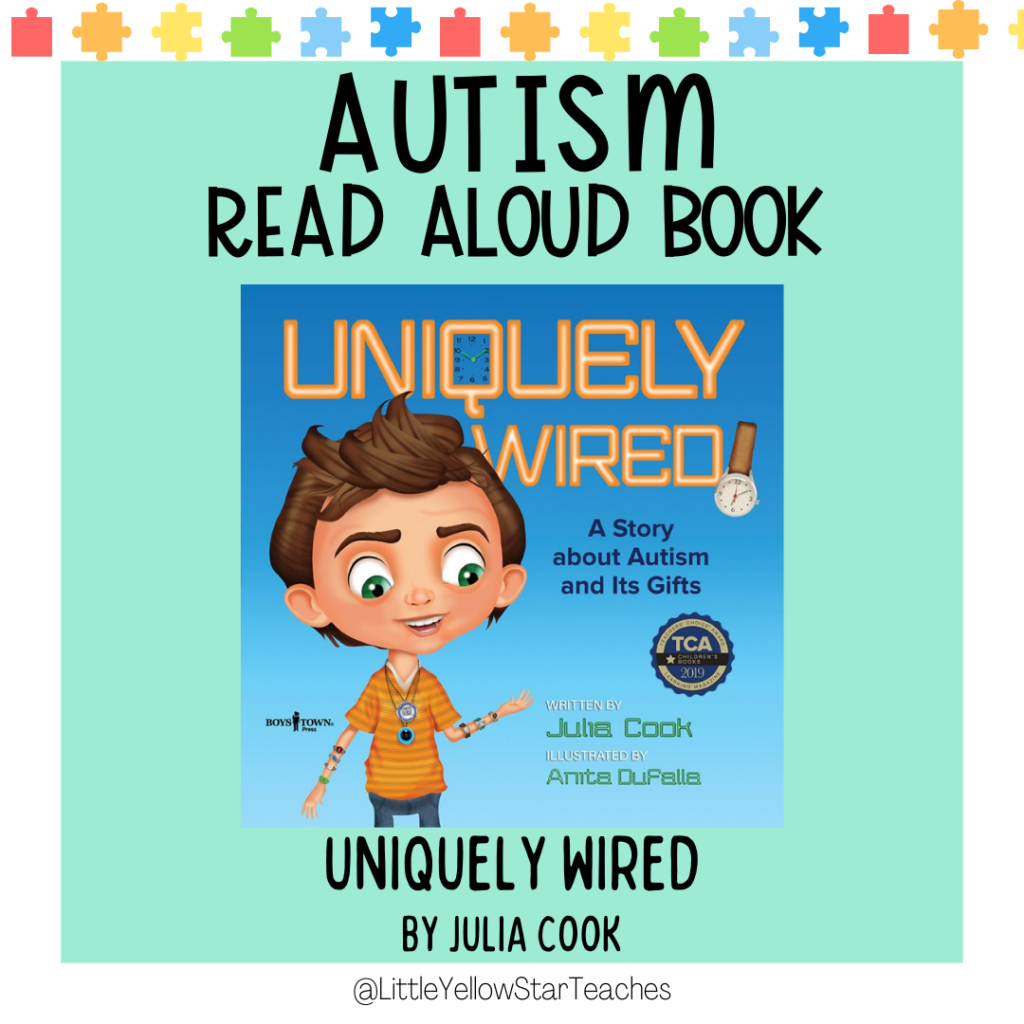
#4 Uniquely Wired by Julia Cook
Written from the perspective of a child on the autism spectrum, this book helps readers understand sensory experiences and social differences in a positive way. It celebrates individuality while teaching acceptance and kindness.
Activity Idea: Create a “My Brain Is Amazing Because…” reflection sheet.
Discussion Questions:
• What does it mean to be uniquely wired?
• How can friends support each other?
• What makes you unique?
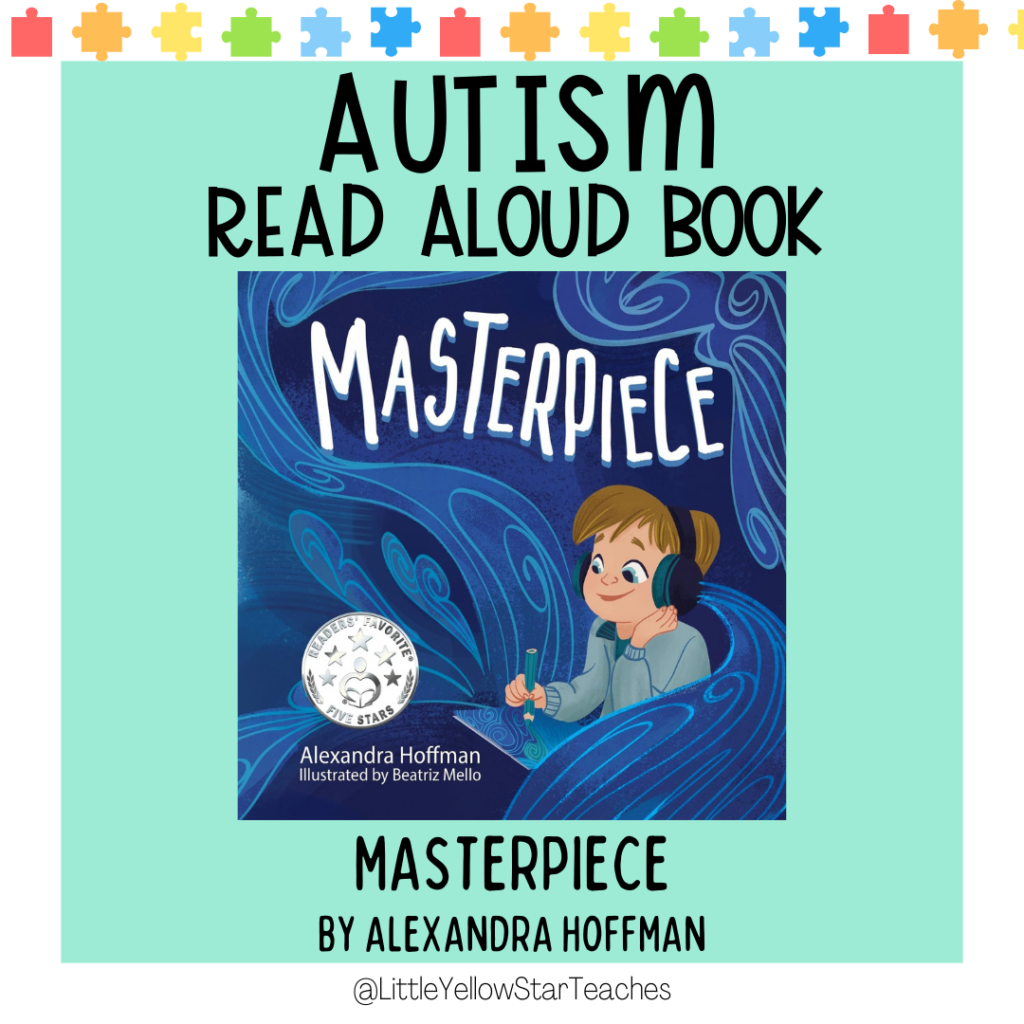
#5 Masterpiece by Alexandra Hoffman
This beautifully illustrated story follows Samuel, a boy on the autism spectrum who communicates through art. As he paints and creates, others begin to understand his thoughts and feelings.
Activity Idea: Encourage kids to express their feelings through drawing or painting.
Discussion Questions:
• How did Samuel share his ideas?
• Why is art a powerful way to communicate?
• What is something you like to create?
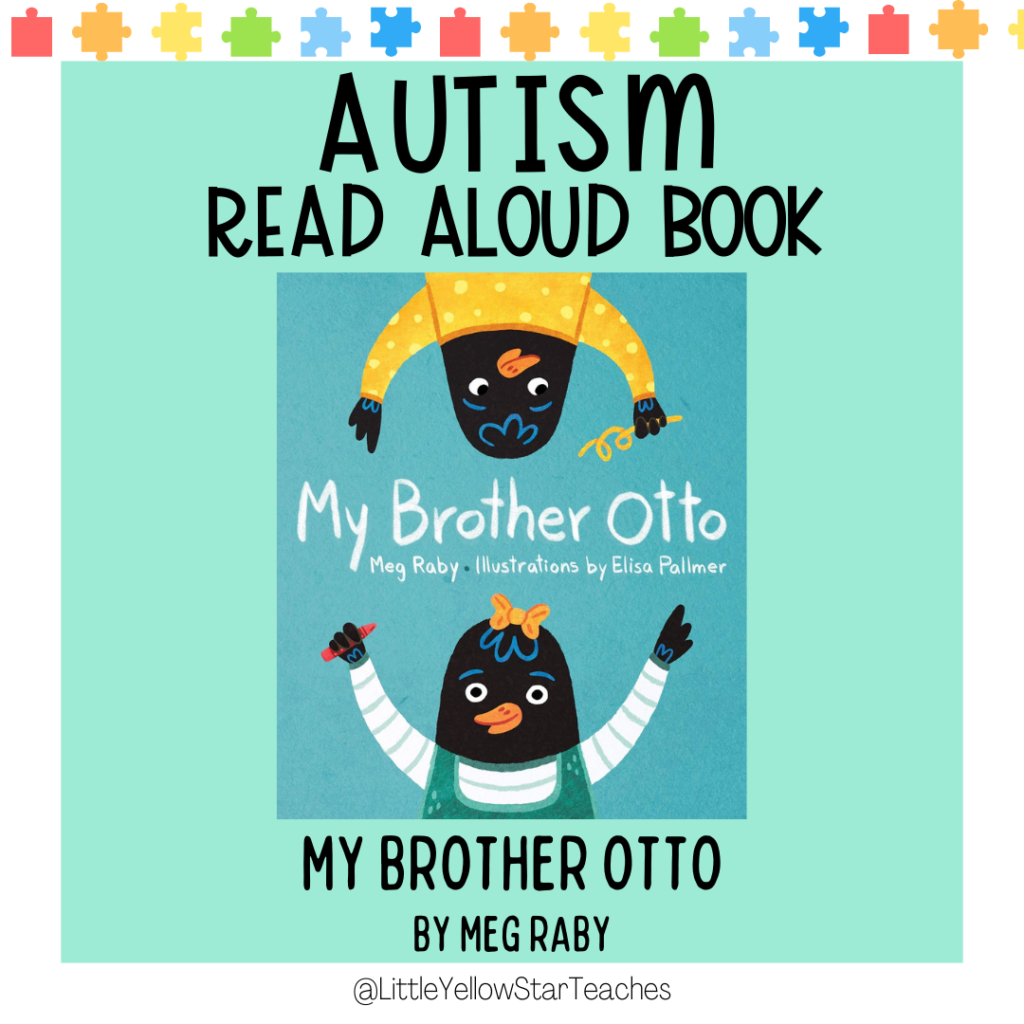
#6 My Brother Otto by Meg Raby
Told from the perspective of a young girl, this story gently explains autism through her relationship with Otto, her lovable dog. It shows how patience, understanding, and kindness can strengthen family connections.
Activity Idea: Draw a picture of someone or something that helps you feel understood.
Discussion Questions:
• How did the girl help Otto?
• Why is patience important?
• How can we support others?
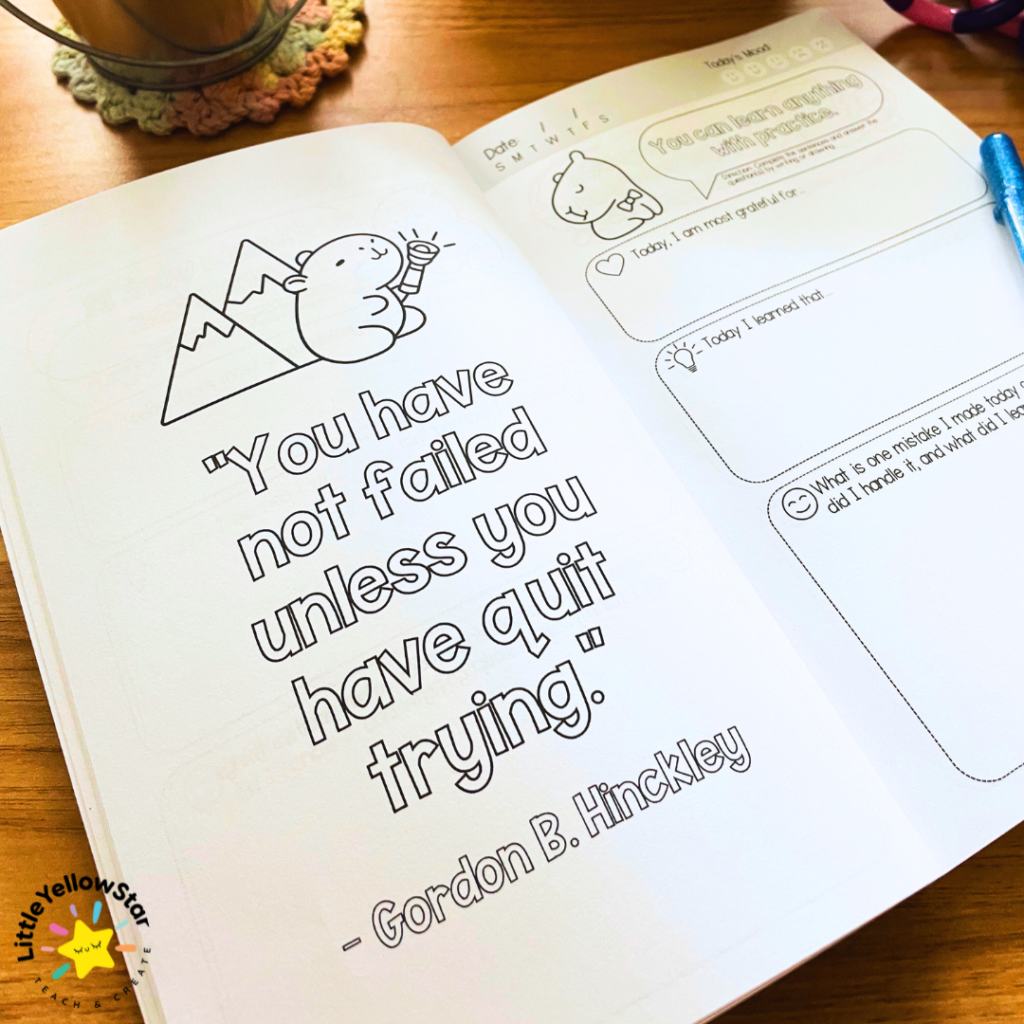
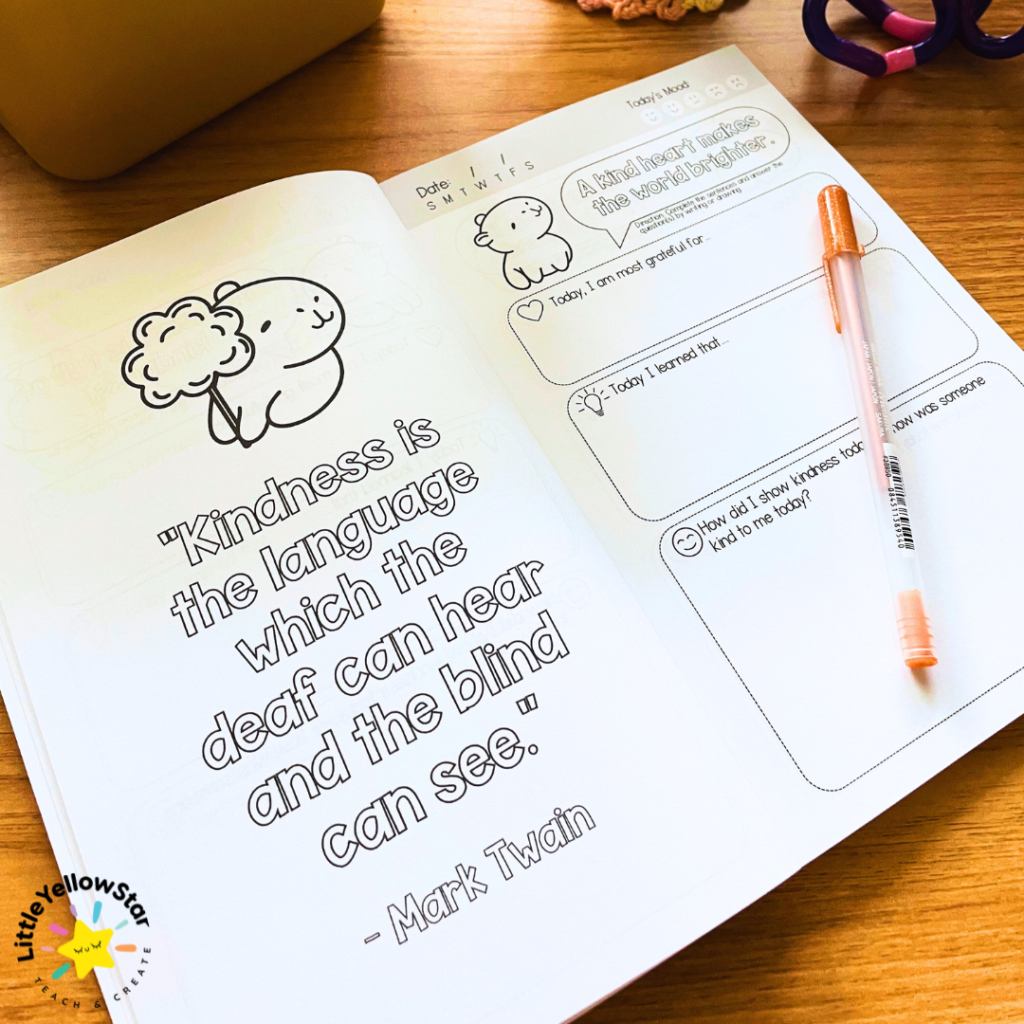
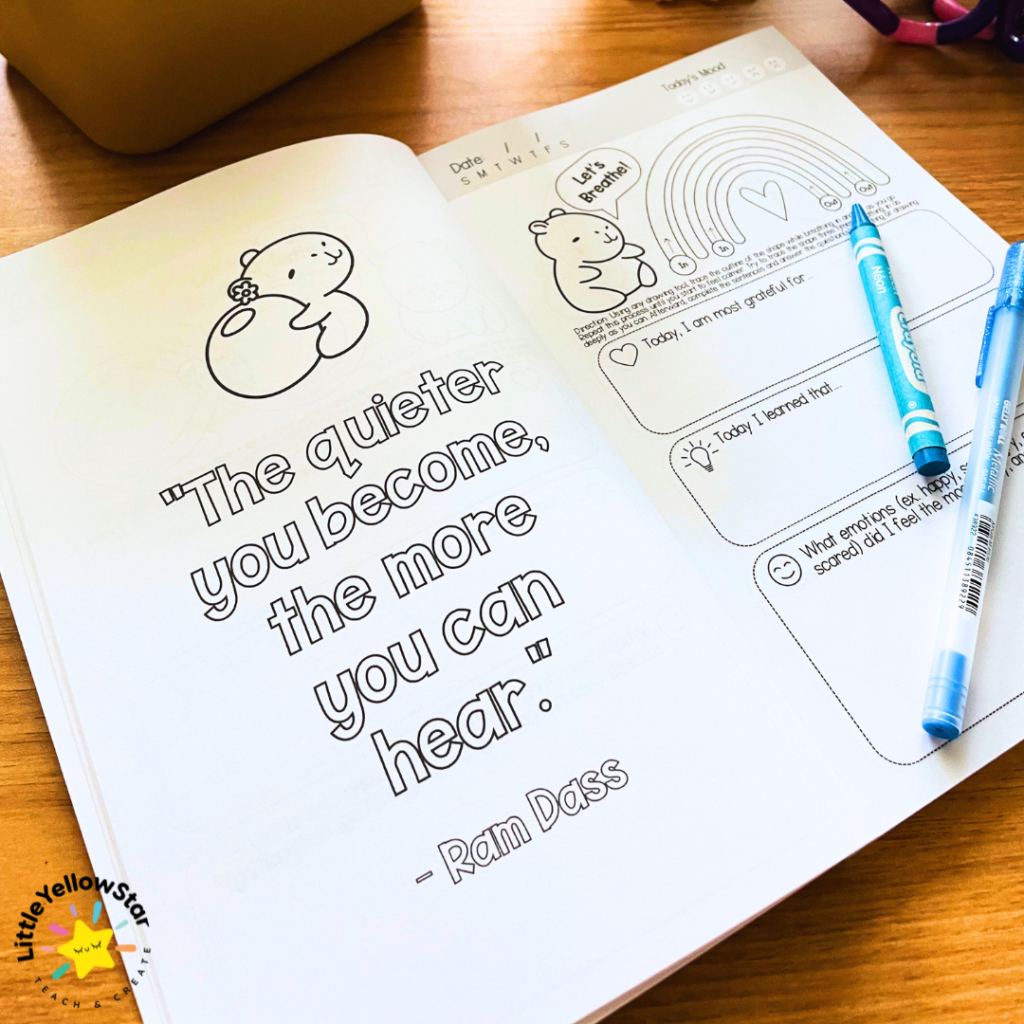
Check Out Capybara-Theme Daily Reflection Journals For Kids!
#7 All My Stripes by Shaina Rudolph
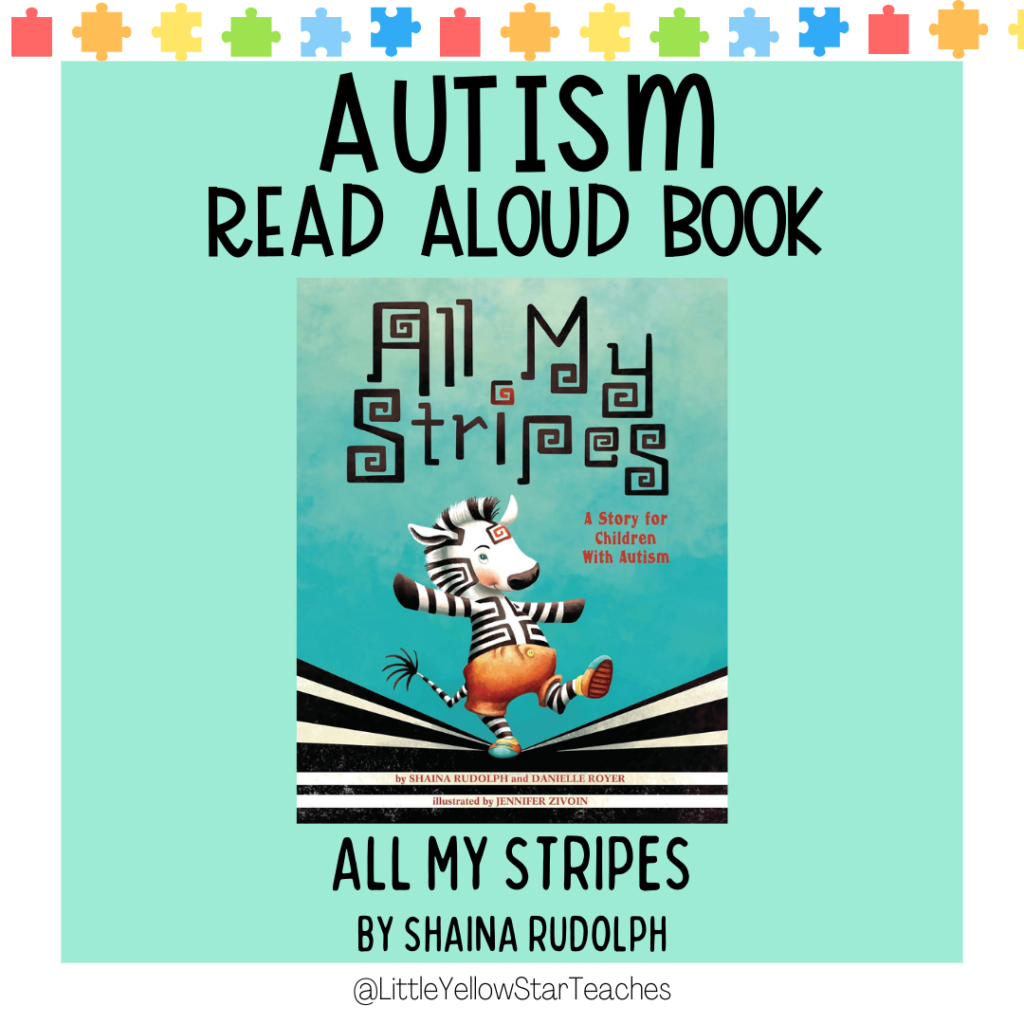
Zane the zebra worries that his autism stripe makes him different from the rest. With encouragement from his mother, he learns that his many stripes—including his strengths and talents—make him unique and wonderful.
Activity Idea: Create a zebra craft where each stripe represents a strength or talent.
Discussion Questions:
• What did Zane learn about himself?
• Why are differences important?
• What are your “stripes”?
Upper Elementary Children (Ages 9-11)
#8 Nathan’s Autism Spectrum Superpowers by Lori Leigh Yarborough
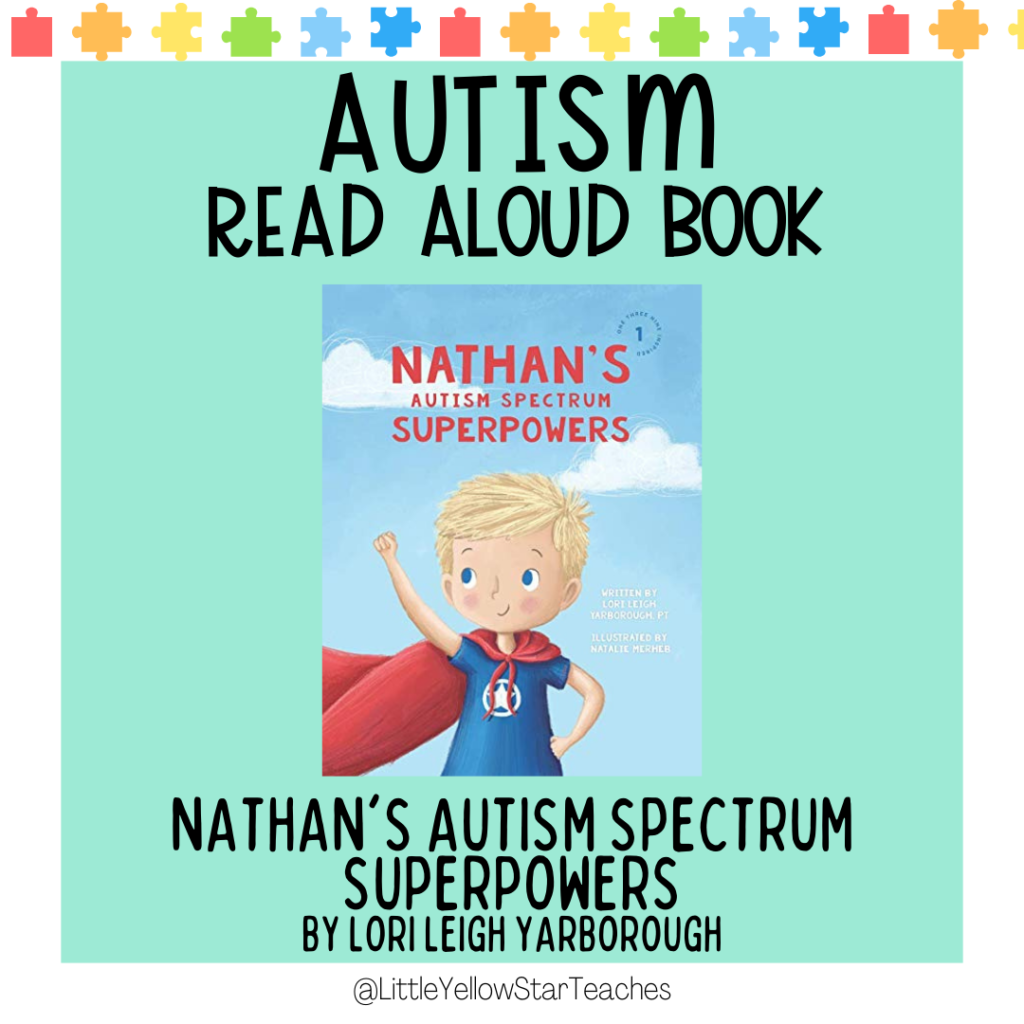
Nathan discovers that the traits associated with his autism are actually superpowers—like focus, creativity, and unique ways of thinking. The book encourages children to see neurodiversity as a strength.
Activity Idea: Create a “Superpower Badge” representing your strengths.
Discussion Questions:
• What were Nathan’s superpowers?
• What strengths do you have?
• How can we celebrate different abilities?
#9 Who Is Temple Grandin? by Patricia Brennan Demuth
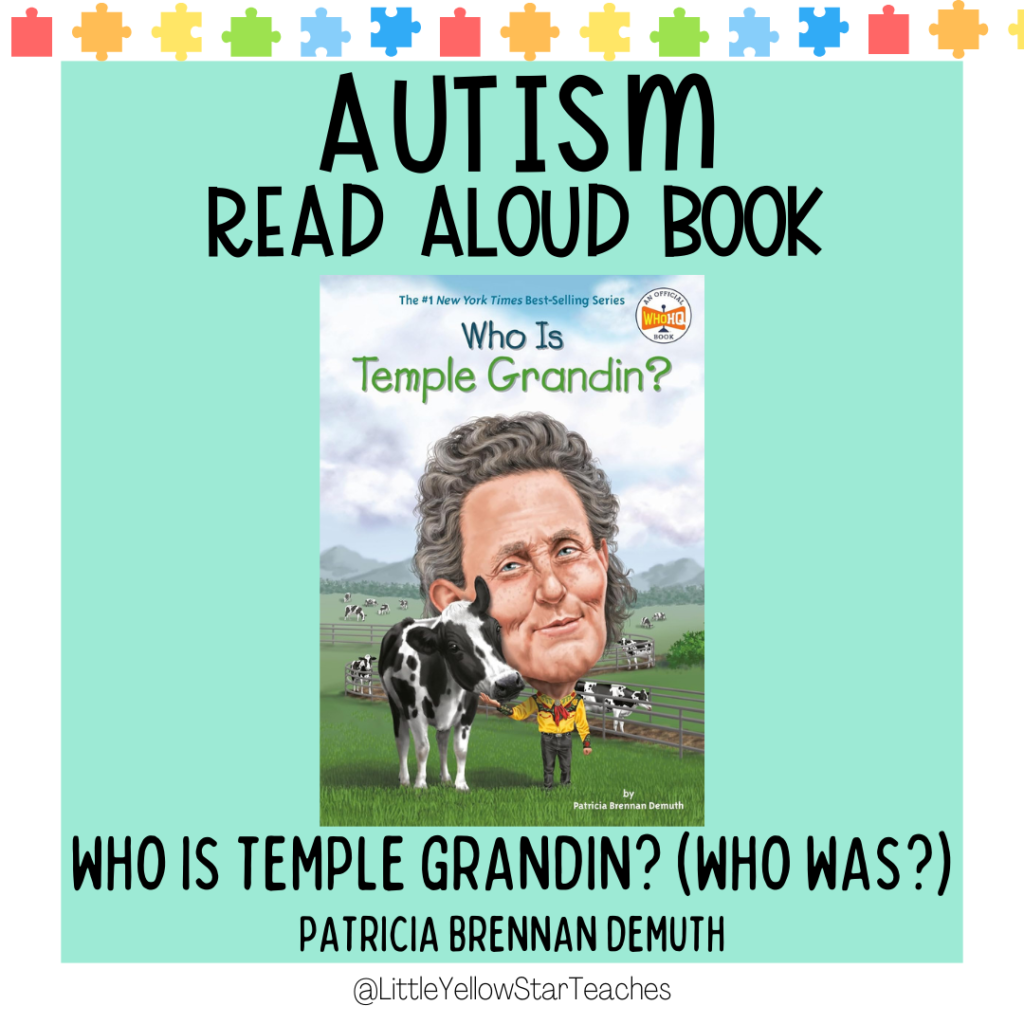
Part of the popular Who Was? series, this biography introduces readers to Temple Grandin’s life, from her childhood challenges with autism to her groundbreaking work as a scientist and advocate.
Activity Idea: Research another scientist who changed the world and create a mini biography poster.
Discussion Questions:
• What obstacles did Temple Grandin overcome?
• What contributions did she make?
• Why is perseverance important?

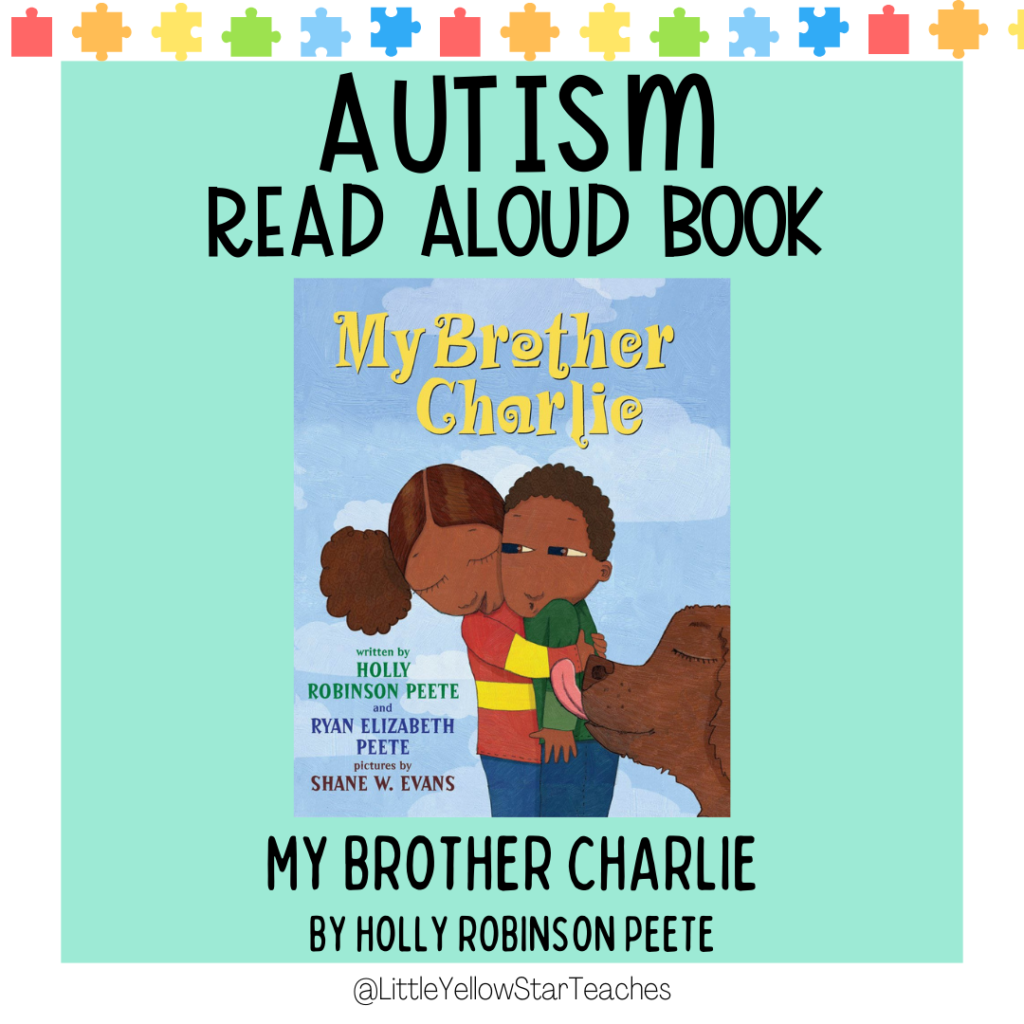
#10 My Brother Charlie by Holly Robinson Peete
Inspired by the author’s own family story, this heartfelt book explores life with Charlie, a boy with autism, through the eyes of his twin sister. It highlights love, understanding, and the beauty of family support.
Activity Idea: Write a short story about someone special in your family.
Discussion Questions:
• What makes Charlie special?
• How did his family support him?
• What makes families strong?
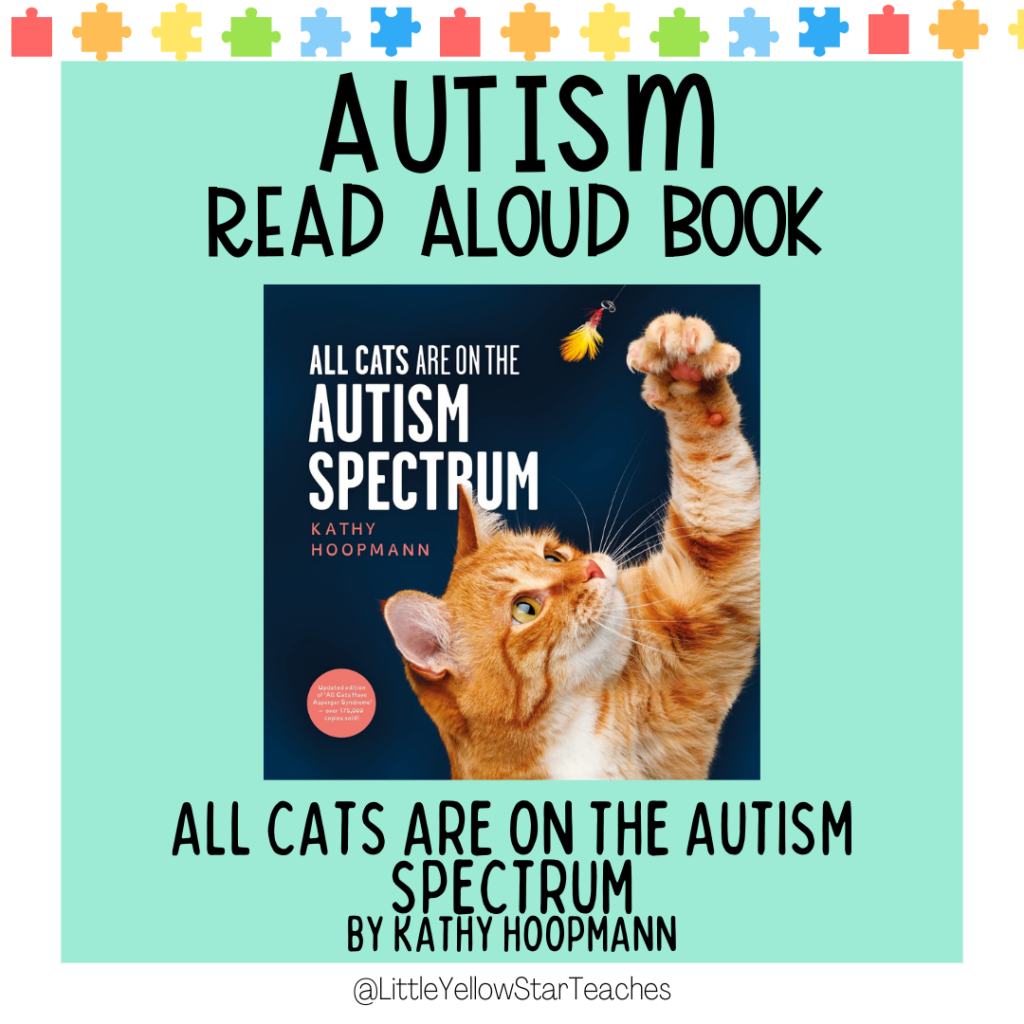
#11 All Cats Are on the Autism Spectrum by Kathy Hoopmann
Using adorable photos of cats, this book explains autism traits in a playful and relatable way. It helps readers see the behaviors associated with autism through an approachable and often humorous lens.
Activity Idea: Observe a pet or animal and describe its unique personality traits.
Discussion Questions:
• What similarities did the cats share with people on the spectrum?
• Why are different behaviors okay?
• What makes every person unique?
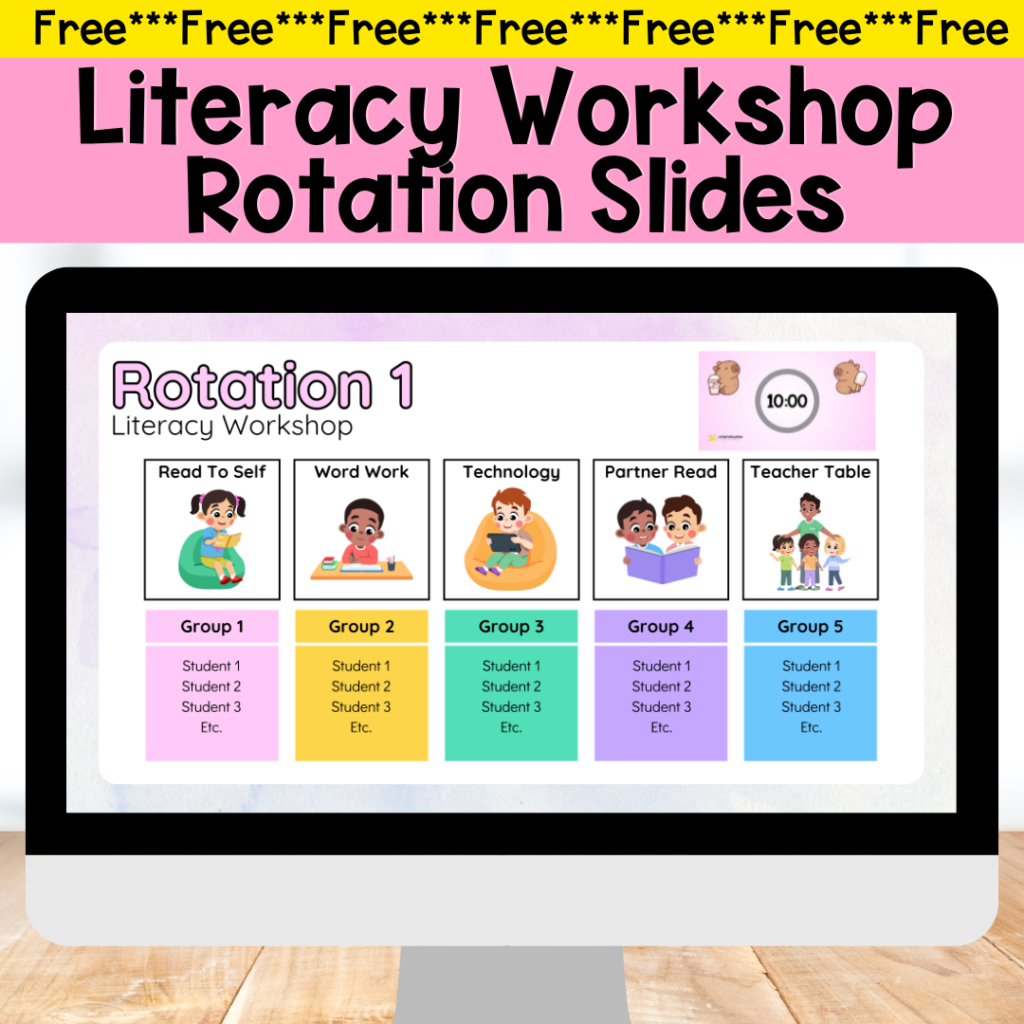
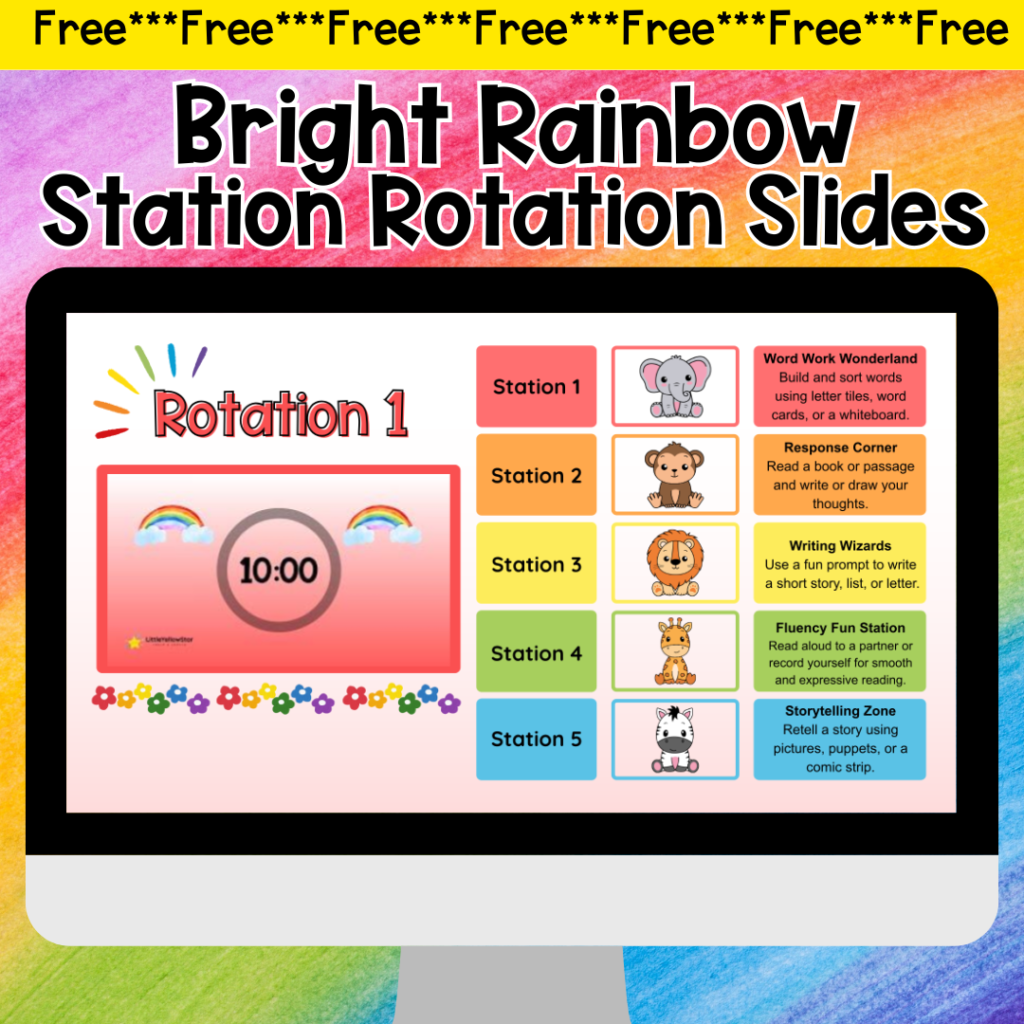
Grab these free resources to make your teaching life easier!

What Autism Book(s) Are You Going To Read Later?
Autism books for kids help build empathy, awareness, and appreciation for neurodiversity. They remind children that everyone has strengths, challenges, and unique ways of experiencing the world.
Which autism-themed story will you read next? Tag me on Instagram @LittleYellowStarTeaches and share your favorite inclusive reads or classroom discussions.
Happy reading!
Prima at LittleYellowStar
* * *
Other Blog Posts That You Might Enjoy:
- 15 Minutes Daily Social And Emotional Learning Activities For The Classroom (SEL Made Easy)
- How To Offer Growth Mindset Praise Effectively
- 3 Activities To Introduce Growth Mindset