11 Funny Books for Kids
Laugh-Out-Loud Stories That Make Reading Fun
Laughter and reading go hand in hand! Funny books capture children’s attention with silly characters, unexpected surprises, and playful storytelling. Whether it’s a mischievous animal, a goofy adventure, or a character who keeps making hilarious mistakes, funny books make storytime exciting and memorable.
In this post, I’m sharing why funny books are wonderful additions to your child’s bookshelf. I’ve also included fun activities and discussion questions to keep the laughter going long after the last page.
***Disclosure: This post contains an Amazon affiliate link that at no additional cost to you, I may earn a small commission when you purchase through the link from my blog. Thank you for your support!
Table of Content
- Why Read Books About Being Funny?
- The Role of Books in Teaching Kids about Being Funny
- 11 Funny Books For Children
- What Funny Book(s) Are You Going To Read Later?
Why Read Books About Funny?
Funny books help children see reading as joyful and entertaining.
When kids laugh while reading, they build a positive connection with books. Humor also helps children feel relaxed and confident, which encourages them to keep reading and exploring new stories.
Funny stories often use exaggeration, wordplay, and surprising situations that make kids eager to turn the next page.
The Role of Books in Teaching Kids about Funny
Funny books do more than make children laugh—they also support learning.
Humor can help children understand social situations, recognize emotions, and see problems from different perspectives. Many funny stories show characters making mistakes and learning from them, which teaches resilience and problem-solving.
These books also strengthen language skills by introducing jokes, puns, and playful vocabulary.
How to Use Books about Funny with Children
Here are some silly and engaging ways to extend the fun:
- 😂 Ask Open-Ended Questions: After reading, ask: What was the funniest part of the story? or What would you add to make the story even sillier?
- 🎨 Engage in Funny Activities: Have children draw their favorite funny character, create their own silly comic strip, or invent a brand-new ridiculous creature and write a short story about it.
- 📚 Refer Back to the Books: When something funny happens during the day, connect it back to a story. Say: That reminds me of the character who kept making silly mistakes!
- 👨👩👧 Involve Other Caregivers: Encourage families to read funny books together during bedtime or weekend storytime. Sharing laughter helps build strong connections and joyful reading habits.

11 Funny Books For Children
Younger Children (Ages 3-6)
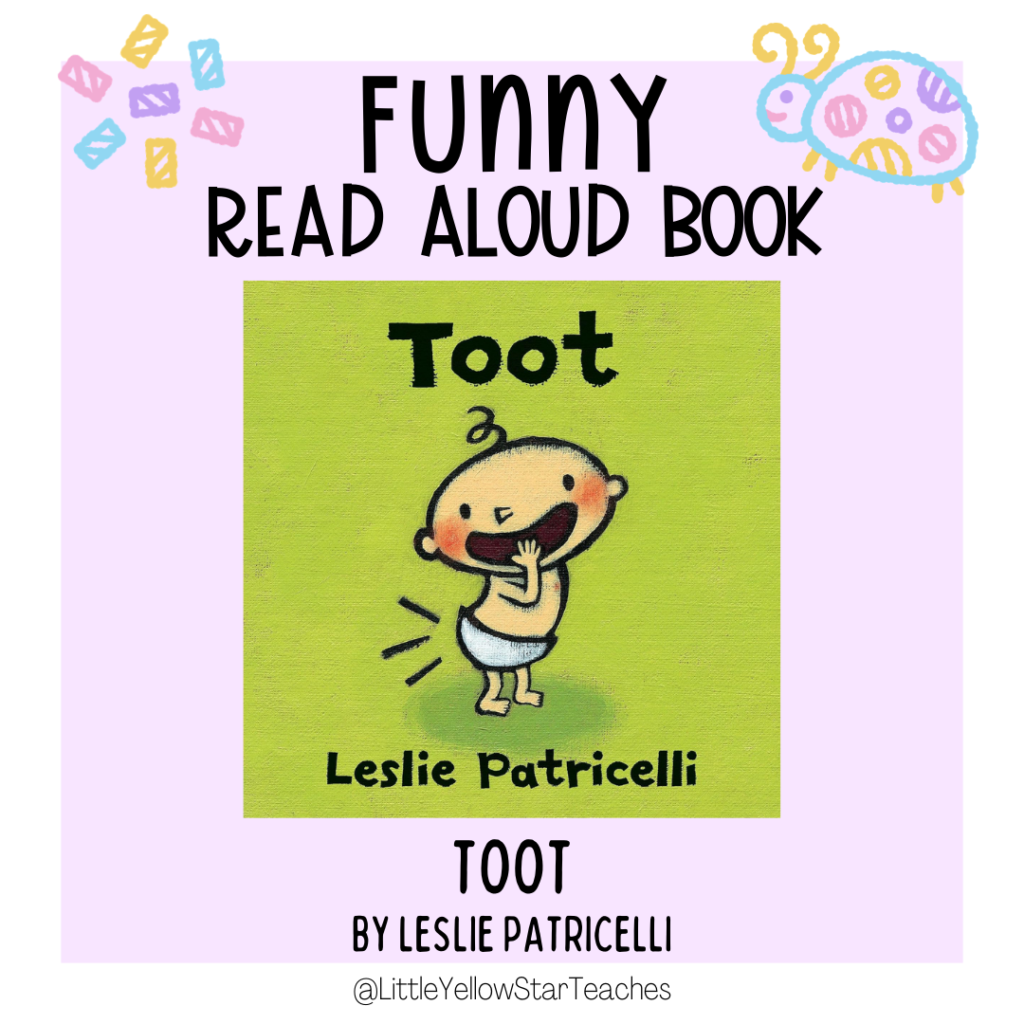
#1 Toot by Leslie Patricelli
A toddler-favorite board book that explores one of life’s silliest and most universal sounds—farts! With Leslie Patricelli’s signature humor and expressive illustrations, this story turns everyday toddler moments into giggles and laughter while reassuring kids that everyone toots sometimes.
Activity Idea: Play a silly sound guessing game using household objects and funny noises.
Discussion Questions:
• Why do farts make people laugh?
• When is it okay to be silly?
• What funny sounds can you make?
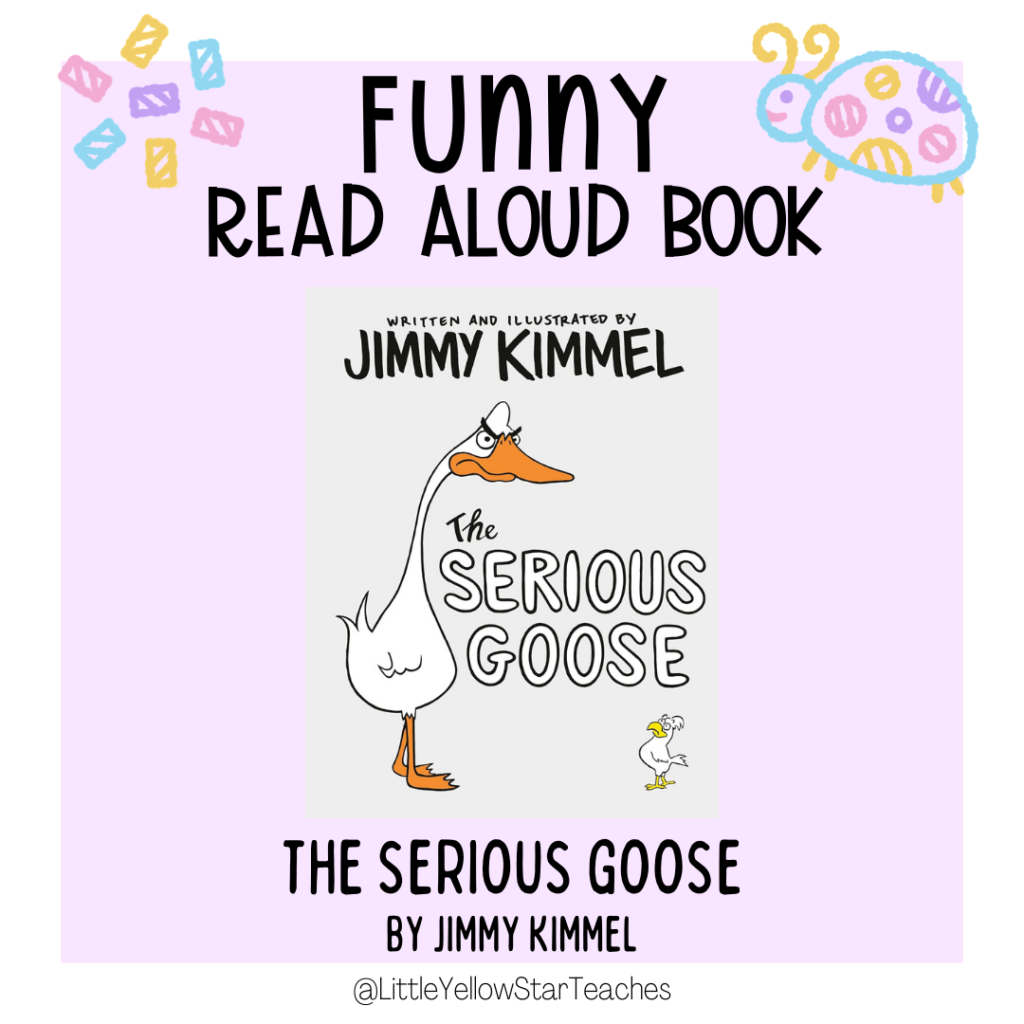
#2 The Serious Goose by Jimmy Kimmel
A hilariously stubborn goose insists that this book is extremely serious—and absolutely not funny. As the pages go on, readers are challenged to try and make the goose laugh, turning the book into a playful test of silly faces, goofy sounds, and contagious giggles.
Activity Idea: Play “Don’t Laugh!” where kids try to keep a straight face while others make silly expressions.
Discussion Questions:
• What made the goose finally laugh?
• Why is laughter contagious?
• What makes you laugh the most?
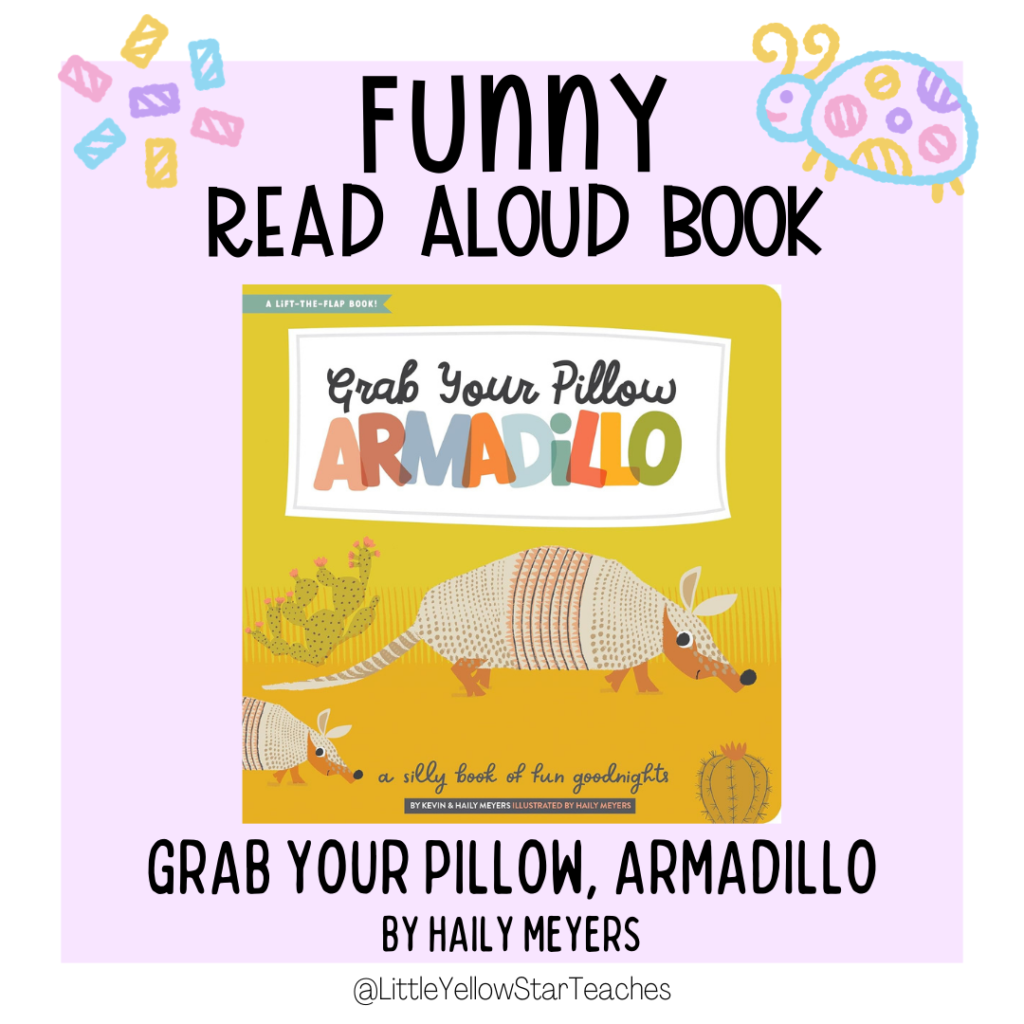
#3 Grab Your Pillow, Armadillo by Haily Meyers
This rhyming bedtime story is packed with animal puns and playful language. From armadillos to flamingos, each page pairs animals with silly rhymes that make bedtime reading fun and memorable.
Activity Idea: Invent your own rhyming animal name like “Sleepy Sheepy.”
Discussion Questions:
• Which animal rhyme was the funniest?
• Can you think of another animal rhyme?
• What makes rhymes fun to read?

Lower Elementary Children (Ages 7-9)
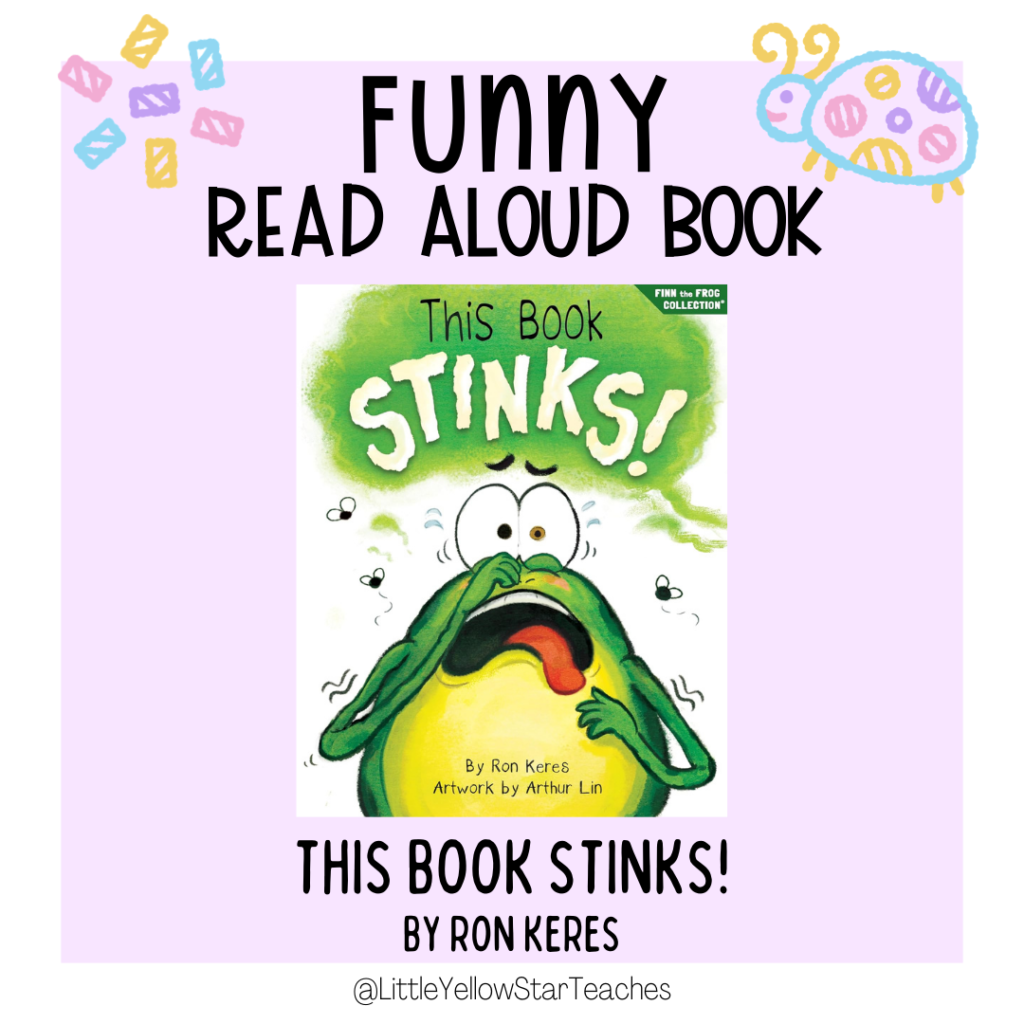
#4 This Book Stinks! by Ron Keres
When a book literally smells terrible, the characters try everything they can to get rid of it—but nothing works! This goofy story leans into gross humor and absurd situations that kids find irresistibly funny.
Activity Idea: Design a “super silly book cover” featuring something hilariously gross.
Discussion Questions:
• What made the book stink?
• What would you do with a smelly book?
• Why are gross jokes funny?
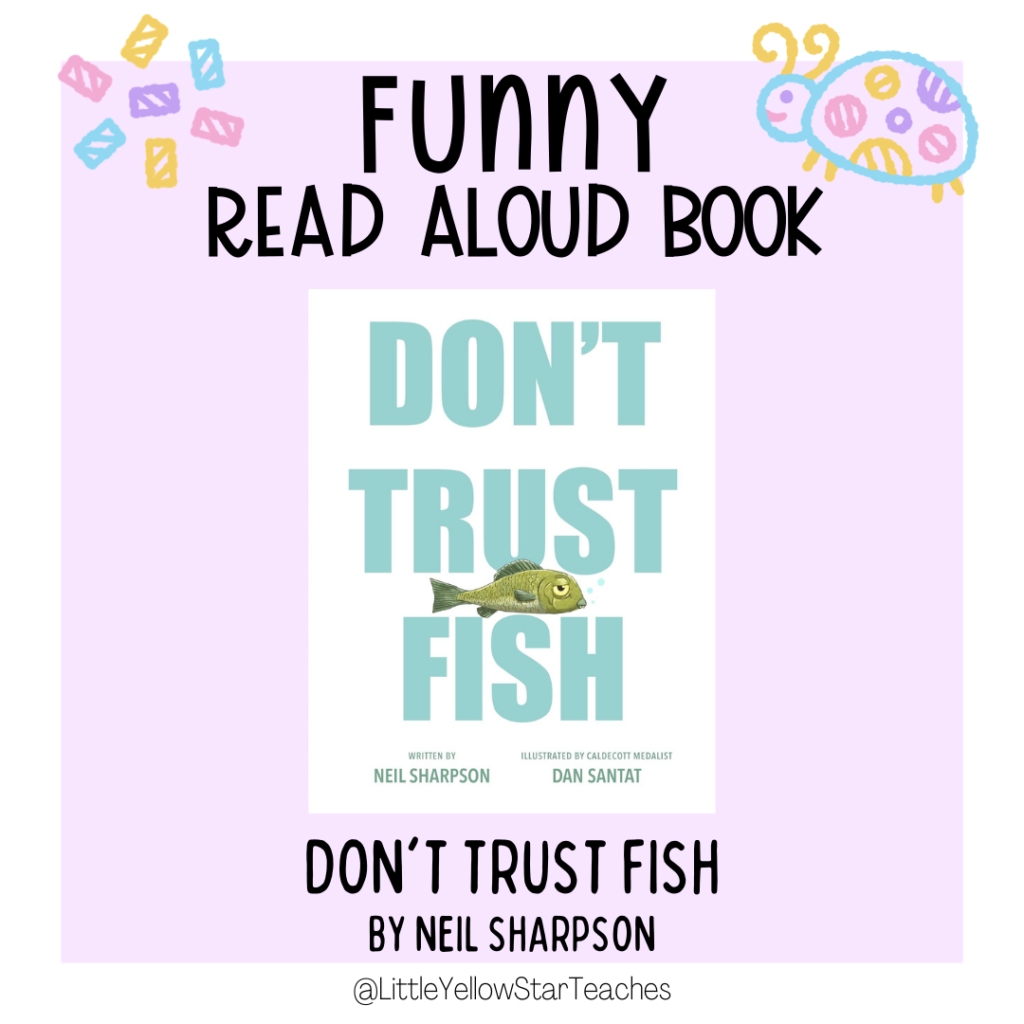
#5 Don’t Trust Fish by Neil Sharpson
This absurdly funny book claims that fish simply cannot be trusted—and backs it up with ridiculous arguments and outrageous illustrations. The humor builds as readers realize just how silly the logic really is.
Activity Idea: Create a “Trust or Don’t Trust” chart with silly reasons for animals or objects.
Discussion Questions:
• Why does the narrator say not to trust fish?
• What part of the book was the silliest?
• Can you invent a funny rule like this?
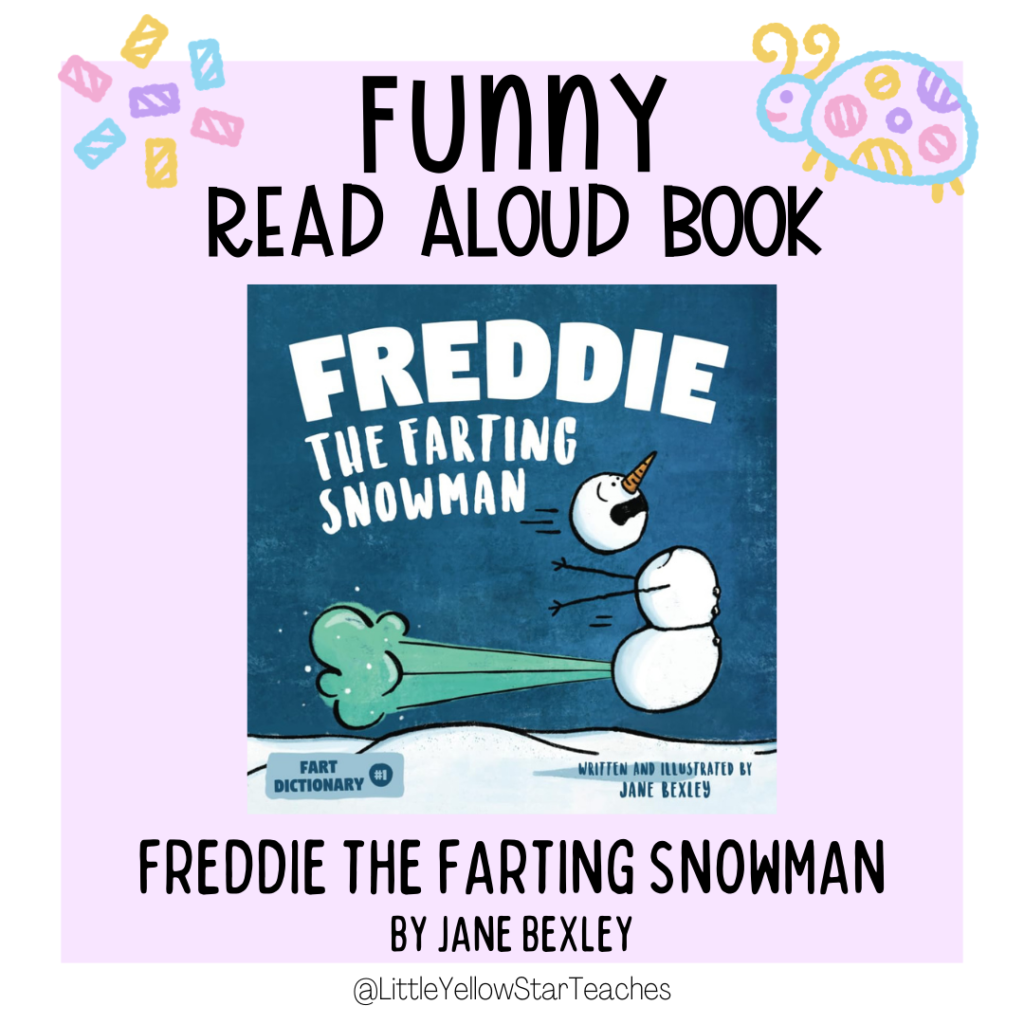
#6 Freddie the Farting Snowman by Jane Bexley
Freddie is a snowman with a very unusual problem—he just can’t stop tooting! His embarrassing bursts of gas create all kinds of snowy chaos in this laugh-out-loud winter story.
Activity Idea: Build a snowman craft and give it a funny personality trait.
Discussion Questions:
• What made Freddie different from other snowmen?
• How did people react to his farts?
• What would you name your own silly snowman?
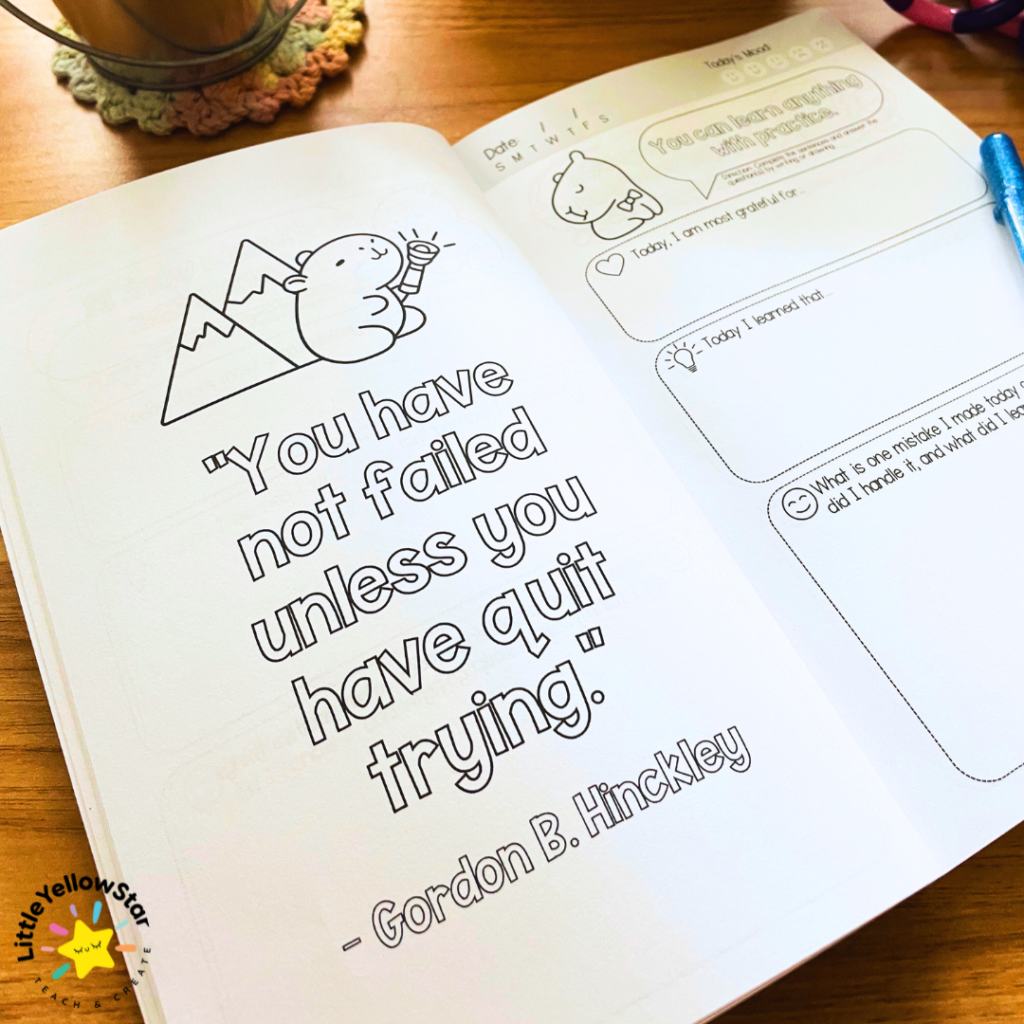
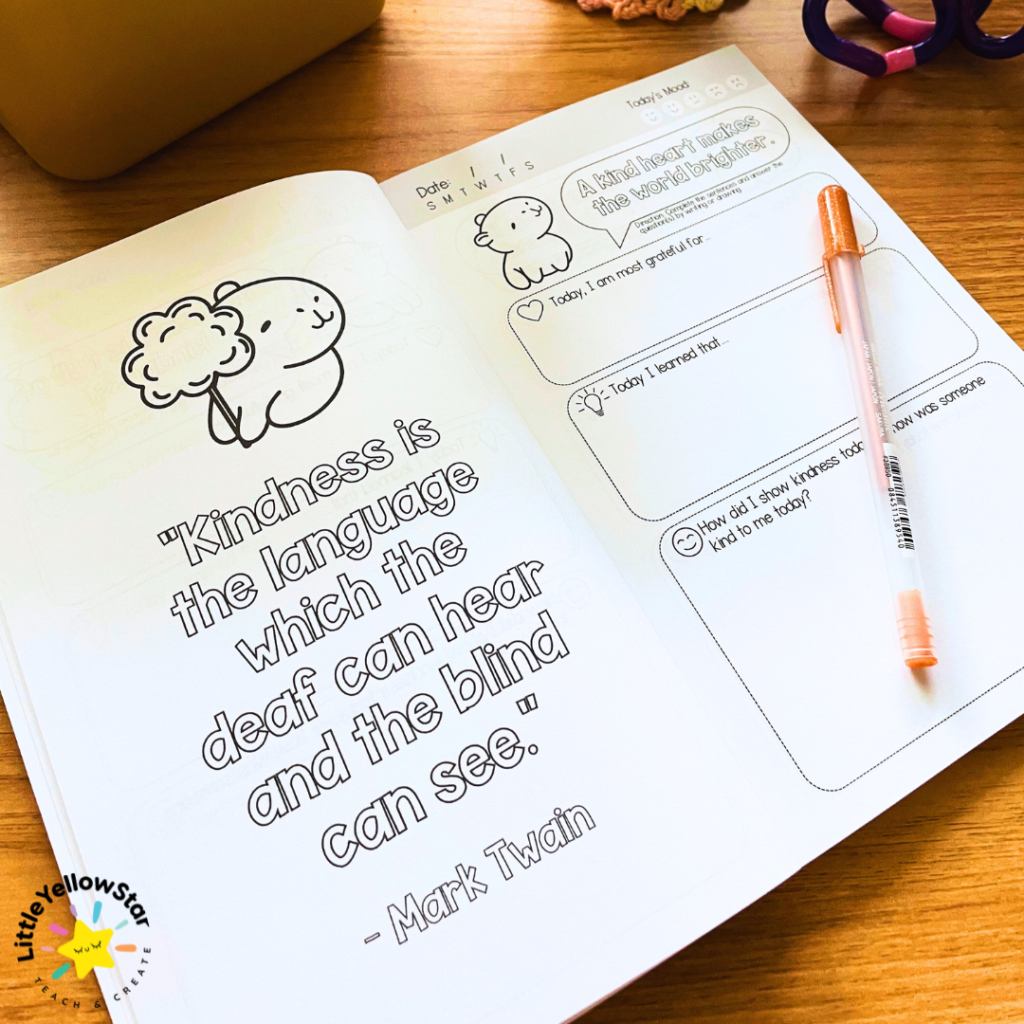
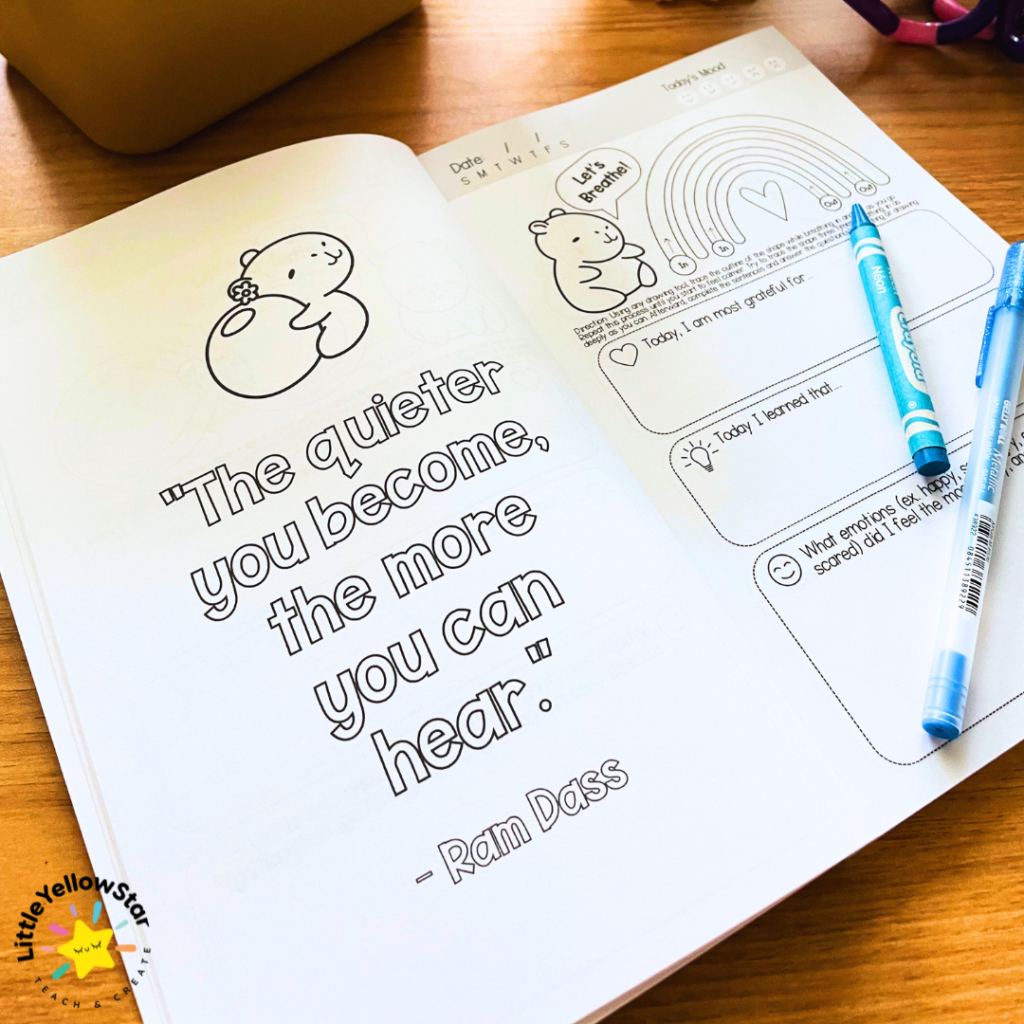
Check Out Capybara-Theme Daily Reflection Journals For Kids!
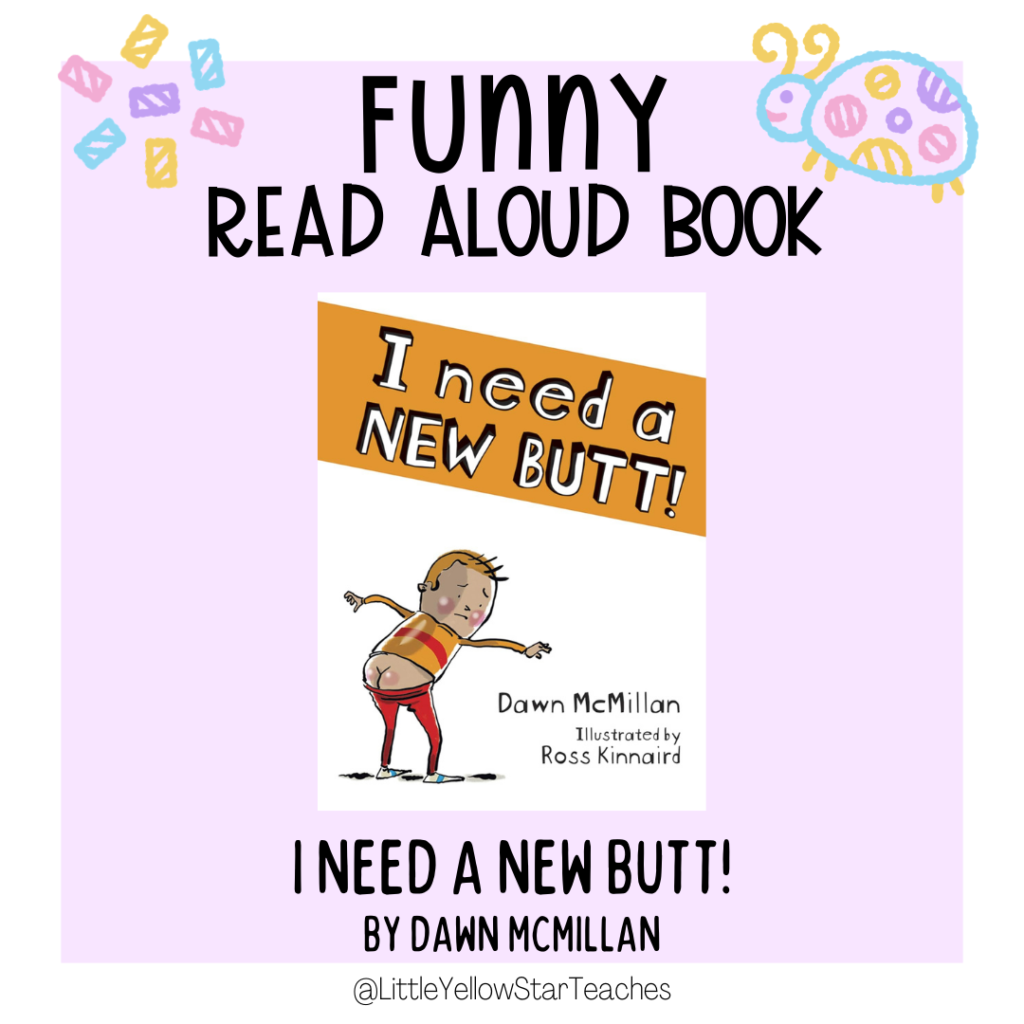
#7 I Need a New Butt! by Dawn McMillan
After noticing a crack in his backside, a young boy becomes convinced he needs a replacement butt. His imagination runs wild as he considers robot butts, rocket butts, and other outrageous possibilities.
Activity Idea: Draw a “design your own funny butt” craft with patterns and colors.
Discussion Questions:
• What kind of new butt did the boy imagine?
• What made the story funny?
• Why is imagination important?
Upper Elementary Children (Ages 9-11)
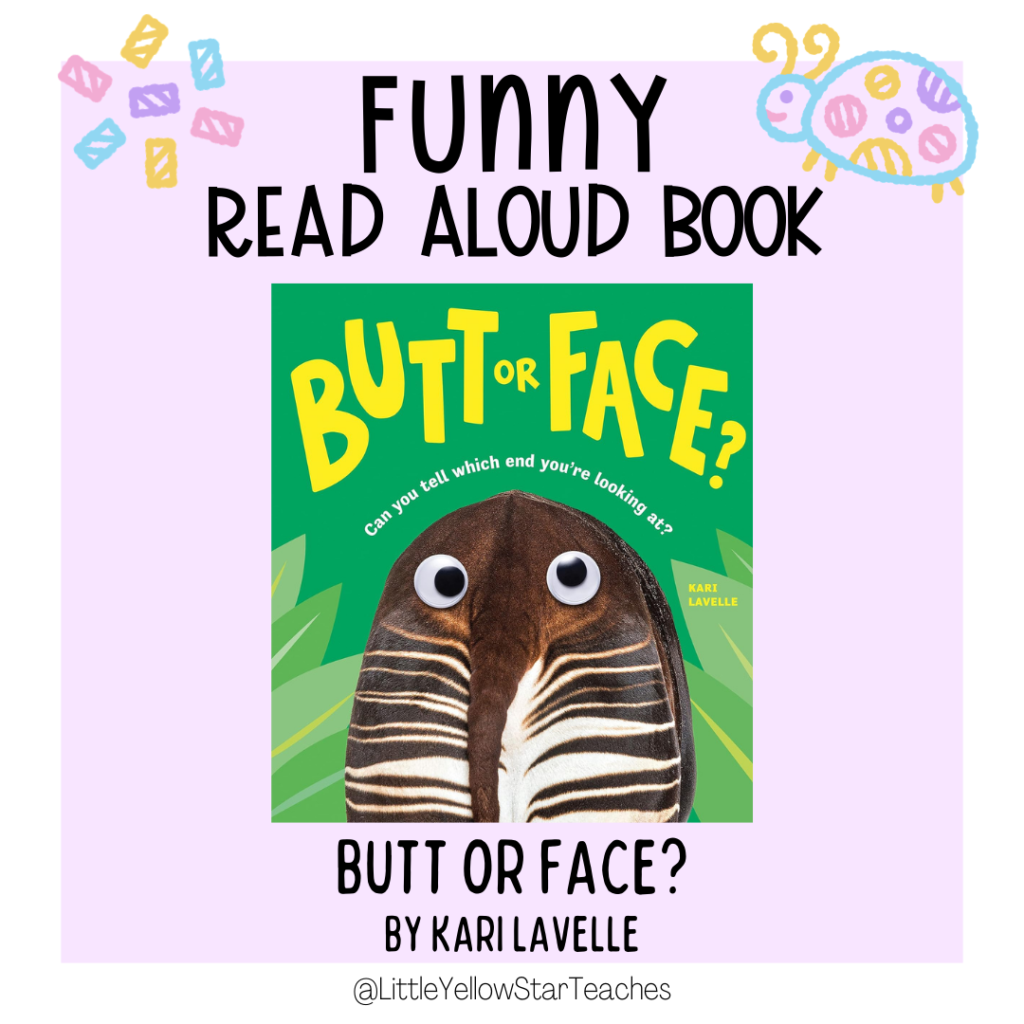
#8 Butt or Face? by Kari Lavelle
This hilarious guessing game challenges readers to decide whether they’re looking at an animal’s face—or its backside! With surprising animal facts and playful suspense, kids love trying to guess each one correctly.
Activity Idea: Create your own animal guessing game using pictures.
Discussion Questions:
• Which animal was hardest to guess?
• What surprised you about the animals?
• Why do some animals look so funny?
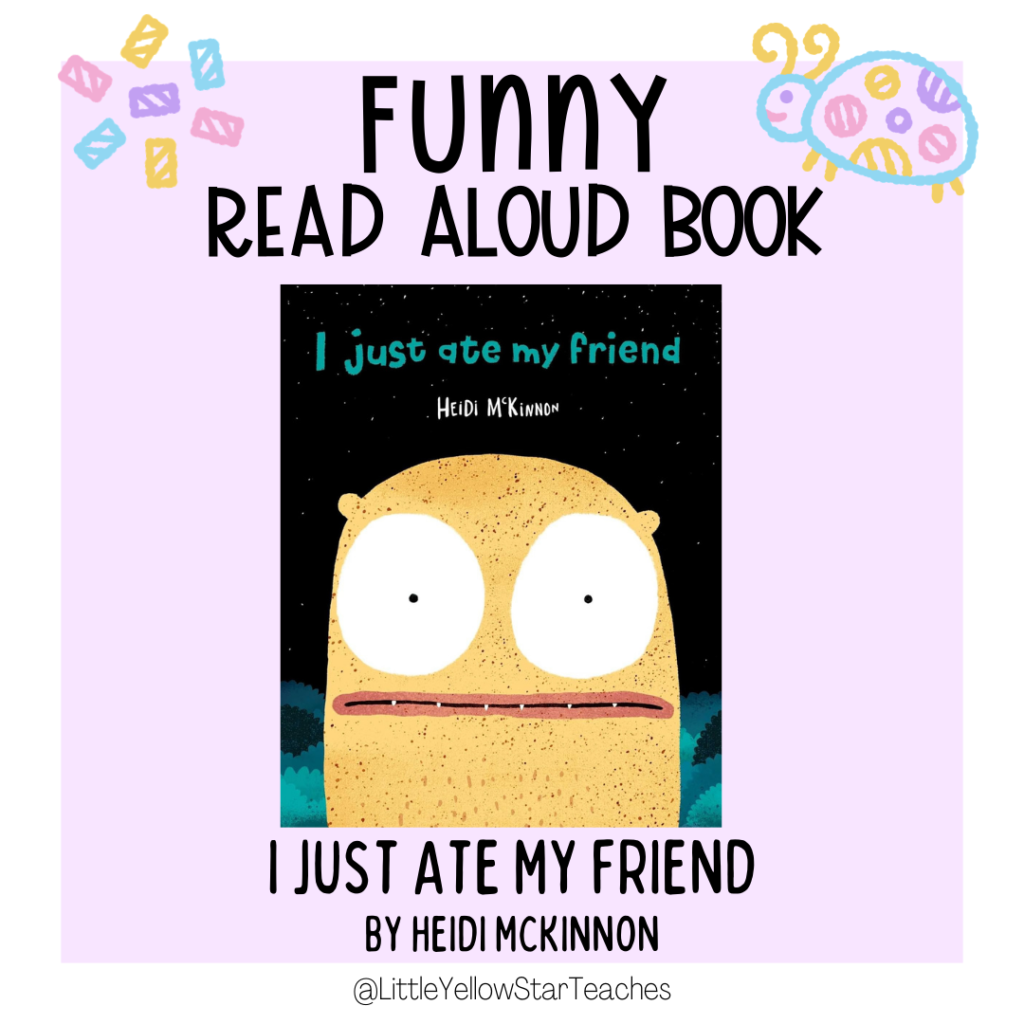
#9 I Just Ate My Friend by Heidi McKinnon
In this darkly humorous story, a monster accidentally eats his best friend and then tries to find a new one. The absurd premise and clever storytelling make this a quirky and memorable read.
Activity Idea: Create a silly monster mask and act out a funny story.
Discussion Questions:
• Why did the monster eat his friend?
• What did he learn about friendship?
• How can we make up for mistakes?

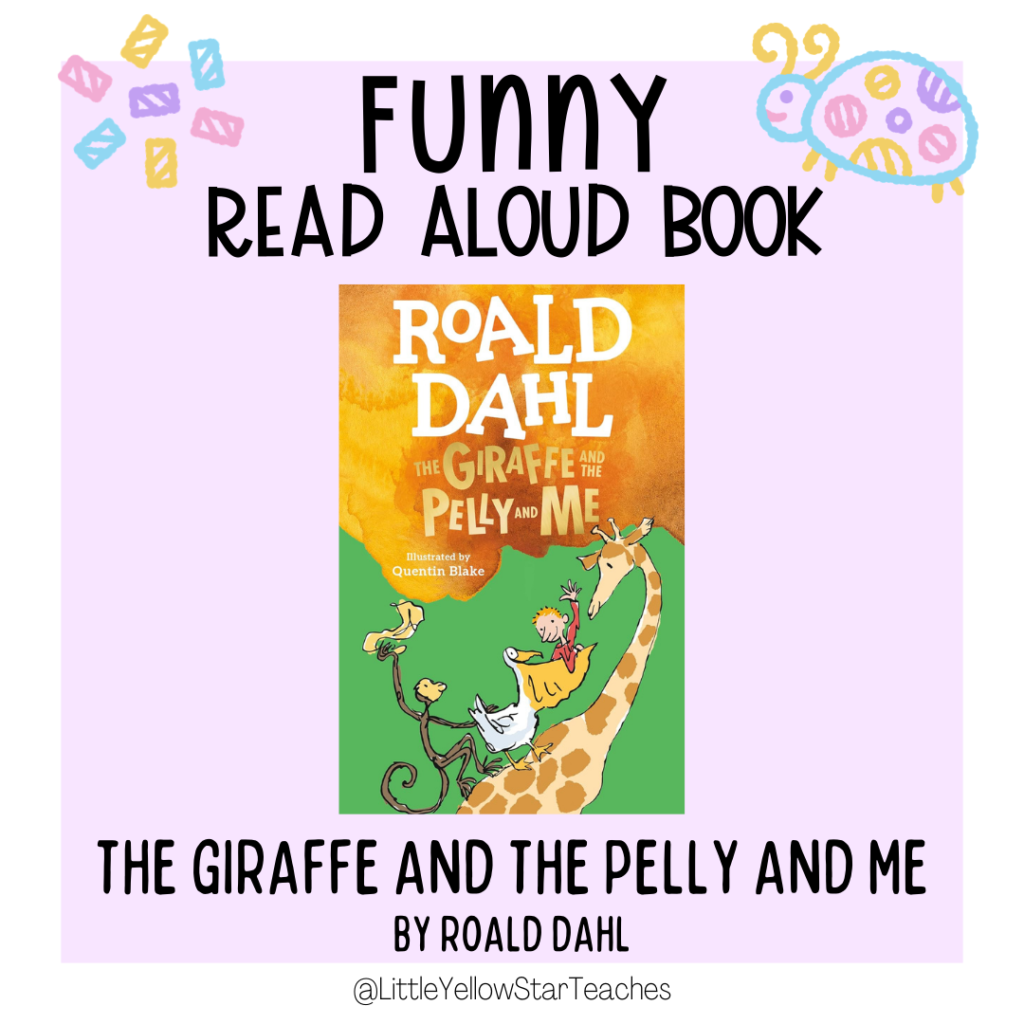
#10 The Giraffe and the Pelly and Me by Roald Dahl
A whimsical Roald Dahl adventure featuring a giraffe, a pelican, and a monkey who run a unique window-cleaning business. Packed with humor, imaginative ideas, and Dahl’s signature storytelling charm.
Activity Idea: Invent your own silly animal business and describe what it does.
Discussion Questions:
• What made the animals’ team special?
• How did they help solve the problem?
• What animal job would you create?
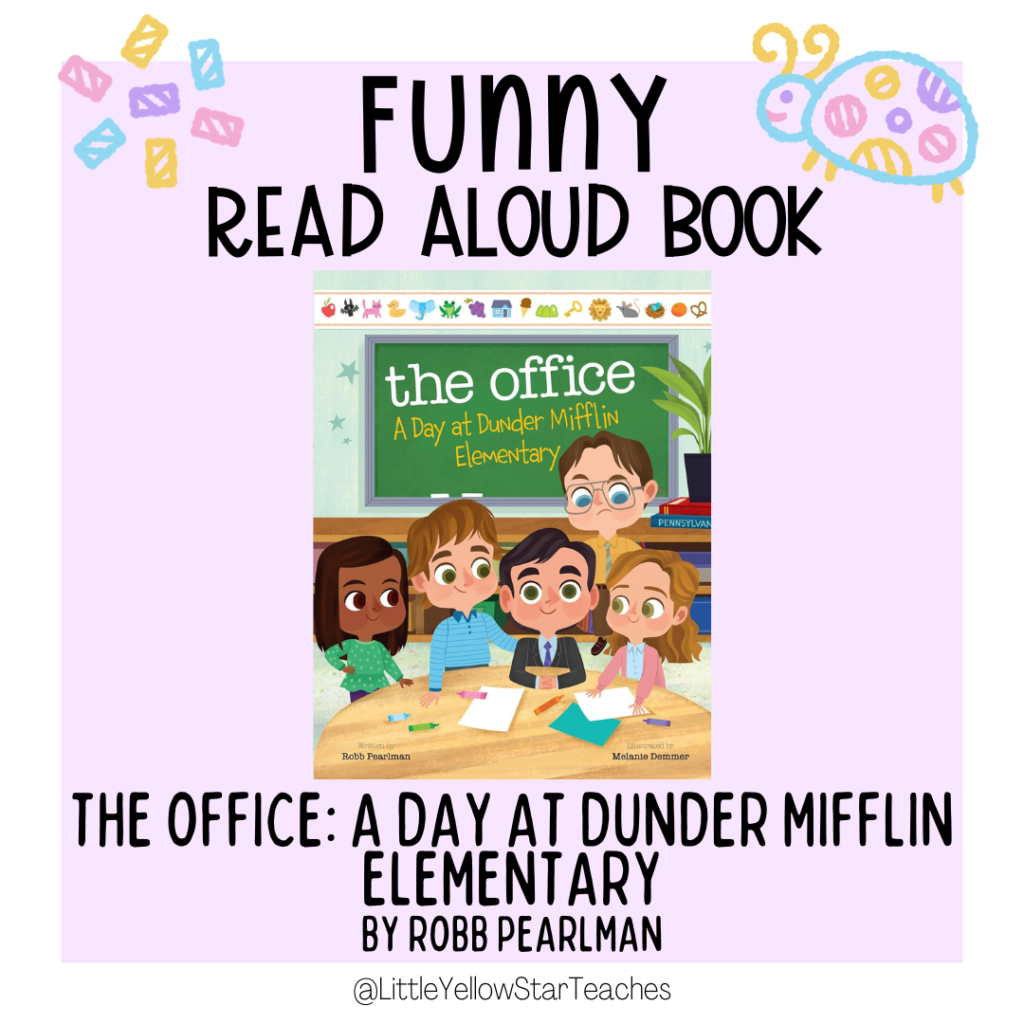
#11 The Office: A Day at Dunder Mifflin Elementary by Robb Pearlman
This hilarious parody imagines the famous characters from The Office as elementary school kids. With playful references and exaggerated classroom antics, it’s a fun crossover for parents and older kids alike.
Activity Idea: Draw a comic strip about the funniest day at your school.
Discussion Questions:
• Which character was the funniest?
• How was this school different from yours?
• What makes someone a class clown?
Grab these free resources to make your teaching life easier!

What Funny Book(s) Are You Going To Read Later?
Funny books for kids bring laughter, imagination, and excitement to every reading experience. They help children see reading as something enjoyable while building confidence and creativity.
Which funny book will make your child laugh the most? Tag me on Instagram @LittleYellowStarTeaches and share your favorite giggle-worthy reads.
Happy reading!
Prima at LittleYellowStar
* * *
Other Blog Posts That You Might Enjoy:
- 15 Minutes Daily Social And Emotional Learning Activities For The Classroom (SEL Made Easy)
- How To Offer Growth Mindset Praise Effectively
- 3 Activities To Introduce Growth Mindset