11 Armadillo Books for Kids
Curious Creatures with Armor and Big Adventures
Armadillos are some of the most unusual animals children can learn about. With their hard, protective shells and digging claws, these fascinating creatures spark curiosity right away. Books about armadillos introduce kids to wildlife that might not be as familiar as bears or lions—but are just as interesting.
In this post, I’m sharing why armadillo books are great additions to your child’s bookshelf. I’ve also included activities and discussion questions to help children explore these amazing animals.
***Disclosure: This post contains an Amazon affiliate link that at no additional cost to you, I may earn a small commission when you purchase through the link from my blog. Thank you for your support!
Table of Content
- Why Read Books About Armadillo?
- The Role of Books in Teaching Kids about Armadillo
- 11 Armadillo Books For Children
- What Armadillo Book(s) Are You Going To Read Later?
Why Read Books About Armadillo?
Armadillo books help children discover unique animals and learn about nature.
These animals live in warm regions and are known for their armor-like shells and digging skills. Through stories and nonfiction books, kids can learn about how armadillos protect themselves, what they eat, and where they live.
Reading about unusual animals encourages curiosity and helps children understand that the natural world is full of surprising creatures.

The Role of Books in Teaching Kids about Armadillo
Books about armadillos introduce children to animal adaptations and habitats.
Kids can explore how animals survive in different environments and how their bodies help them stay safe. Armadillos are a great example of how animals develop special features, like tough shells, to protect themselves.
These books also inspire children to ask questions and explore wildlife science.
How to Use Books about Armadillo with Children
Here are some creative ways to extend the learning:
- 🦔 Ask Open-Ended Questions: After reading, ask: Why do you think the armadillo has armor? or What other animals protect themselves in special ways?
- 🎨 Engage in Armadillo-Themed Activities: Create an armadillo craft using paper plates or clay, build a habitat model, or draw different animals and their protective features.
- 📚 Refer Back to the Books: During science lessons about animals, say: Remember how the armadillo uses its shell for protection? Let’s think about how other animals stay safe.
- 👨👩👧 Involve Other Caregivers: Encourage families to read animal books together and explore documentaries or nature walks that help children see wildlife in their environment.

11 Armadillo Books For Children
Younger Children (Ages 3-6)
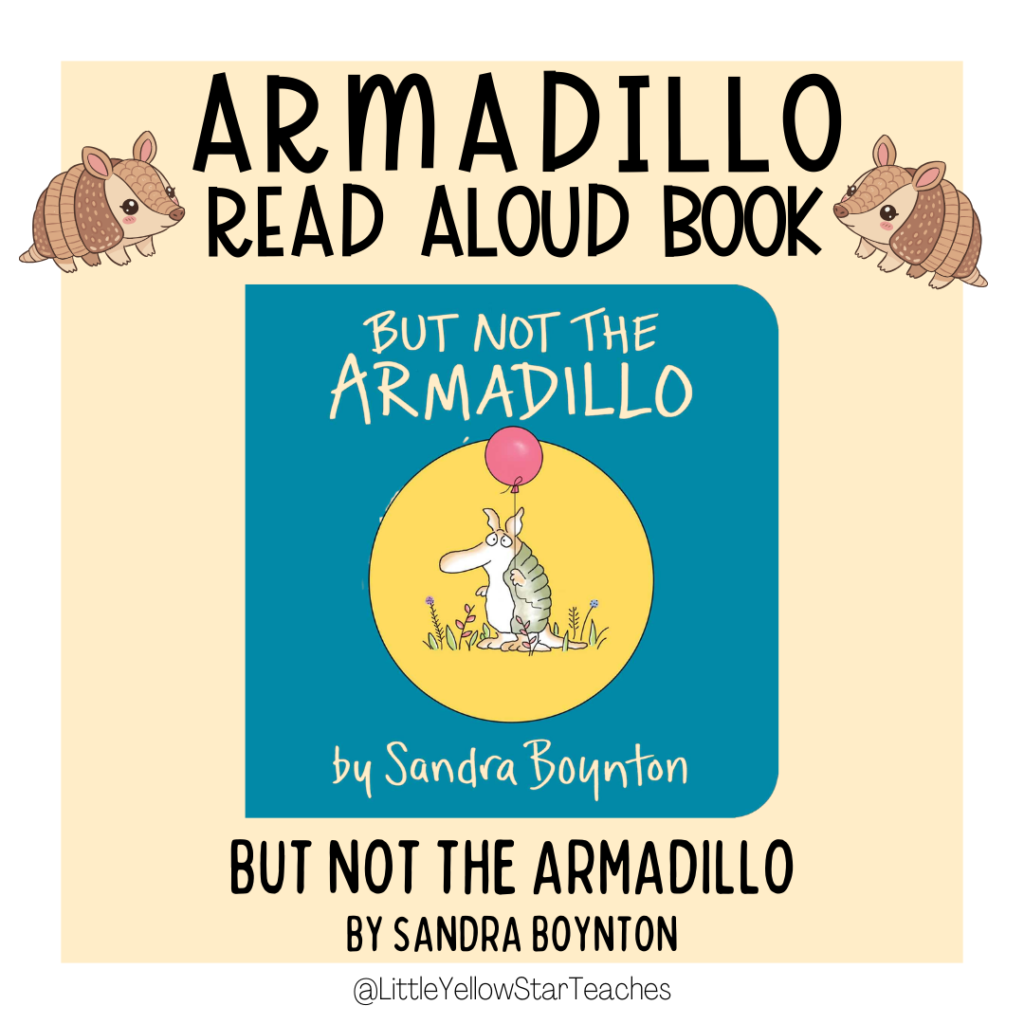
#1 But Not the Armadillo by Sandra Boynton
This charming and rhythmic board book follows a parade of happy animals who are enjoying a wonderful day—except the armadillo. With Sandra Boynton’s signature humor and playful illustrations, readers discover that even when someone feels left out or sad, kindness and friendship can brighten the day.
Activity Idea: Draw animals showing different emotions and talk about how they feel.
Discussion Questions:
• Why was the armadillo feeling sad?
• What helped change the mood?
• How can we help someone who feels left out?
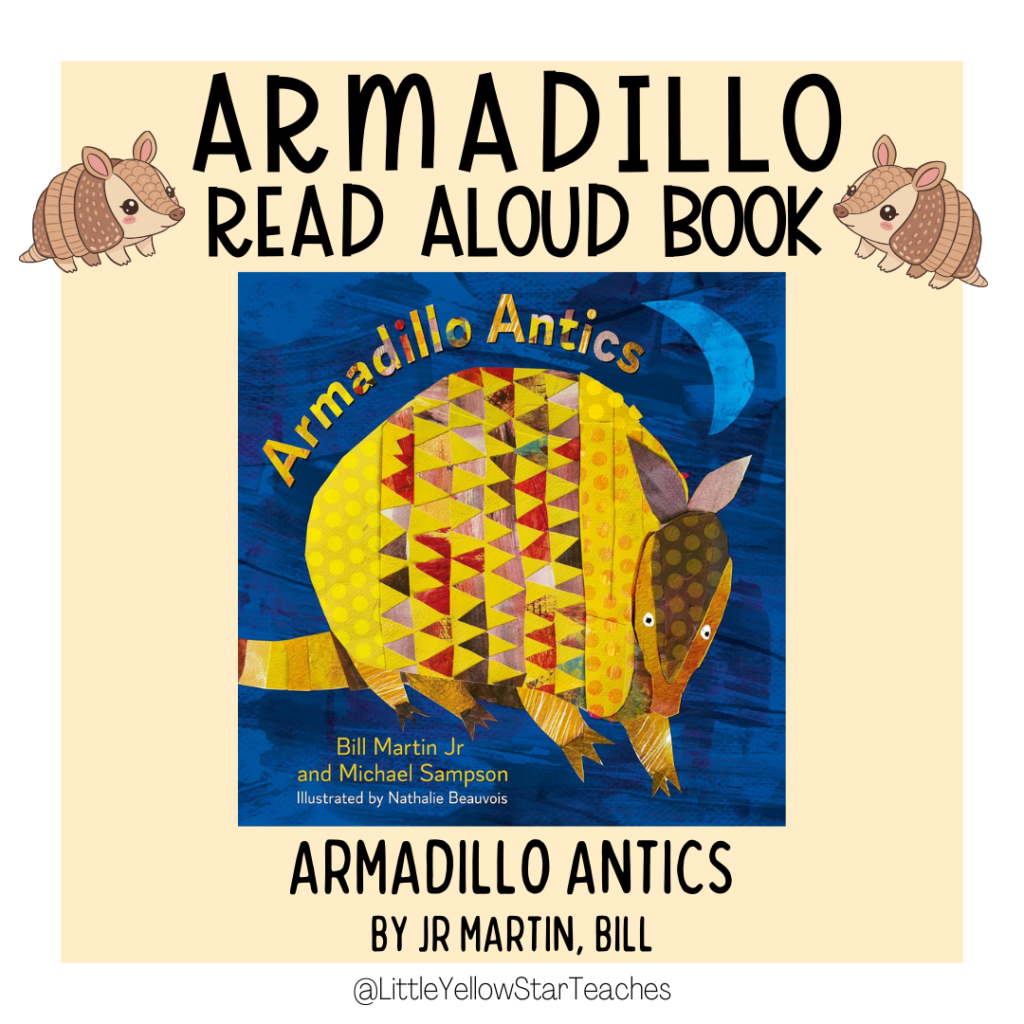
#2 Armadillo Antics by Bill Martin Jr.
This lively picture book brings armadillos to life with playful language and energetic storytelling. Through rhythmic text and humorous illustrations, children explore the silly antics and curious behavior of these fascinating animals.
Activity Idea: Act out “armadillo antics” by rolling into a pretend ball like an armadillo.
Discussion Questions:
• What funny things did the armadillo do?
• What makes armadillos unique?
• What animal antics make you laugh?
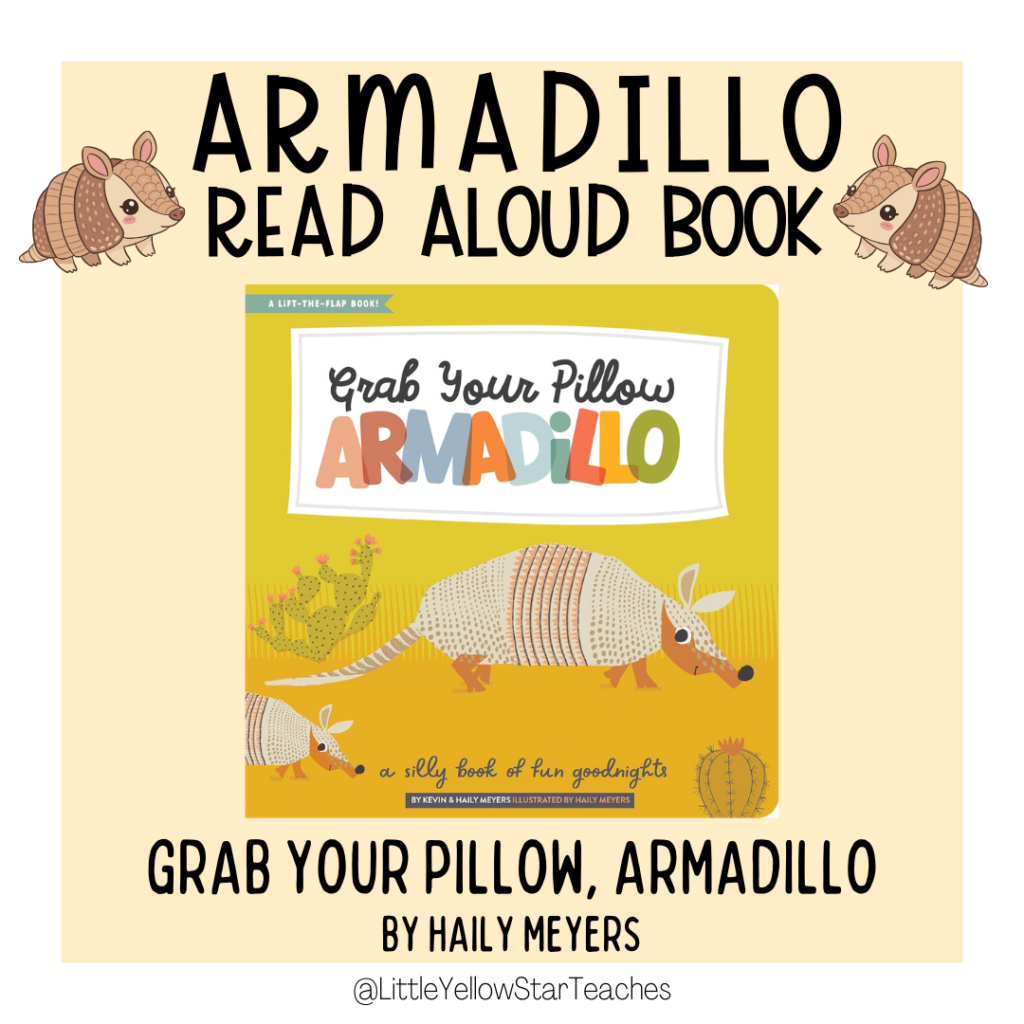
#3 Grab Your Pillow, Armadillo by Haily Meyers
A playful rhyming bedtime story filled with animal wordplay and delightful illustrations. Children follow a parade of animals getting ready for sleep, making bedtime routines feel fun and cozy.
Activity Idea: Create a bedtime rhyme using your favorite animal.
Discussion Questions:
• Which animal rhyme did you like most?
• Why are rhymes fun to read?
• What helps you get ready for bedtime?

Lower Elementary Children (Ages 7-9)
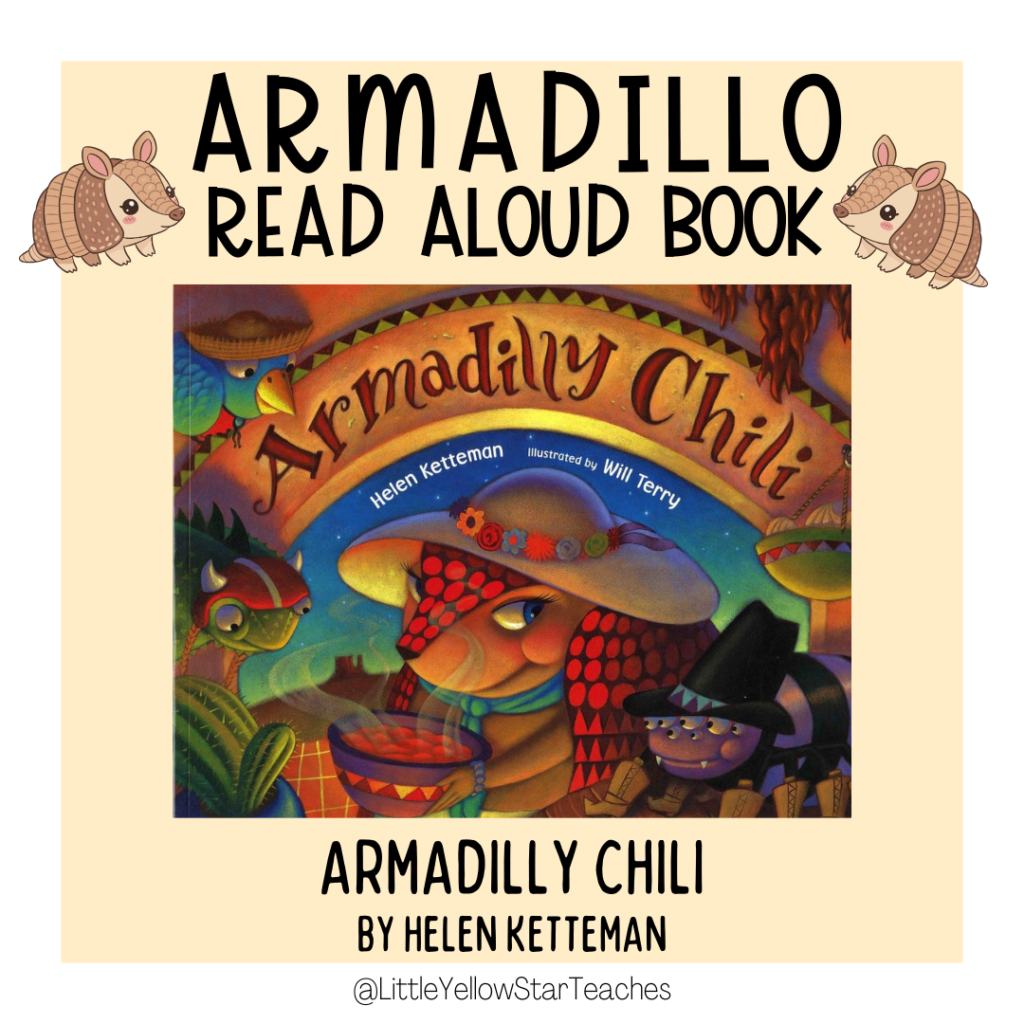
#4 Armadilly Chili by Helen Ketteman
This hilarious Texas-style tall tale follows a group of cowboys who cook up a huge pot of chili—until an armadillo wanders into the pot! With lively dialect and exaggerated storytelling, the book captures the spirit of a classic western yarn.
Activity Idea: Create a pretend “wild west menu” with silly food names.
Discussion Questions:
• What happened when the armadillo fell into the chili?
• Why are tall tales fun to tell?
• Can you invent your own funny story?
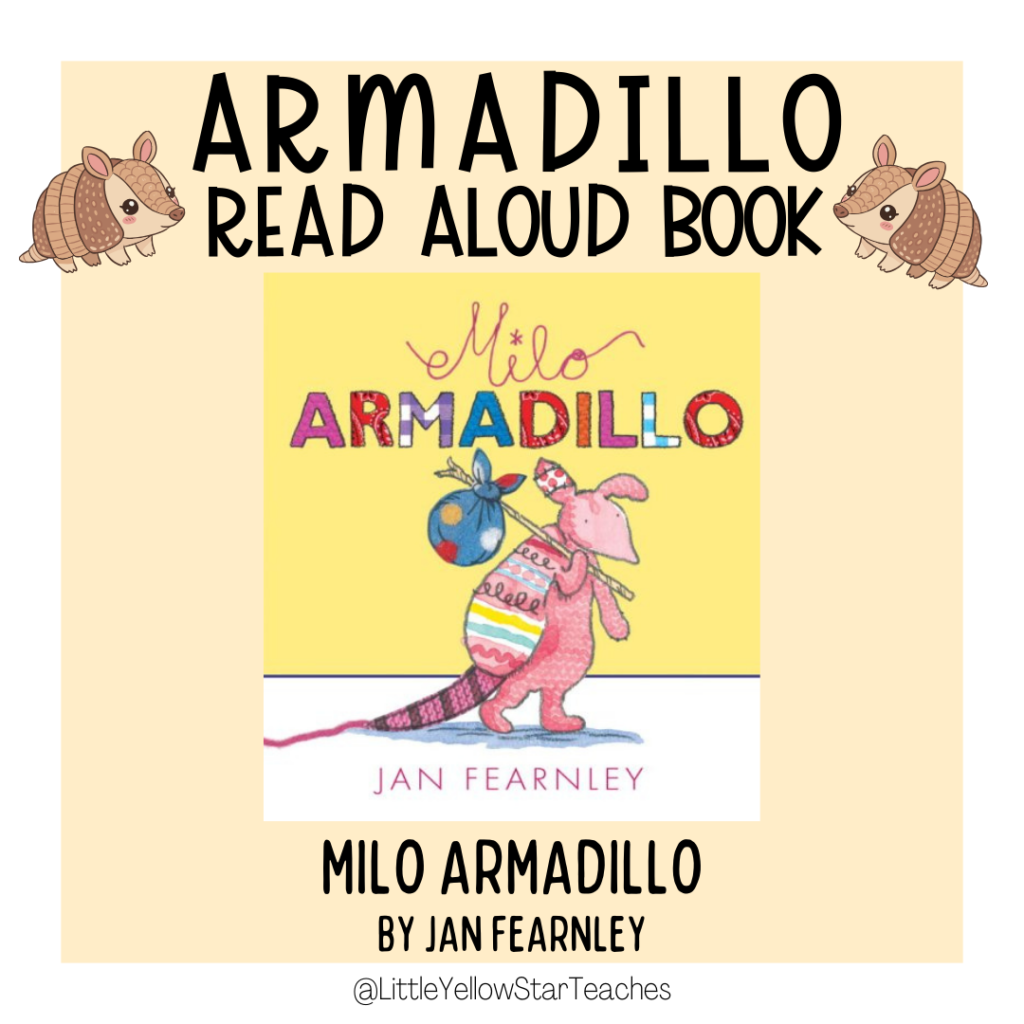
#5 Milo Armadillo by Jan Fearnley
Milo is a shy little armadillo who learns to find courage and confidence. Through gentle storytelling and warm illustrations, this story celebrates self-acceptance and the joy of discovering your strengths.
Activity Idea: Write or draw something that makes you feel brave.
Discussion Questions:
• What challenges did Milo face?
• How did he learn to believe in himself?
• What helps you feel confident?
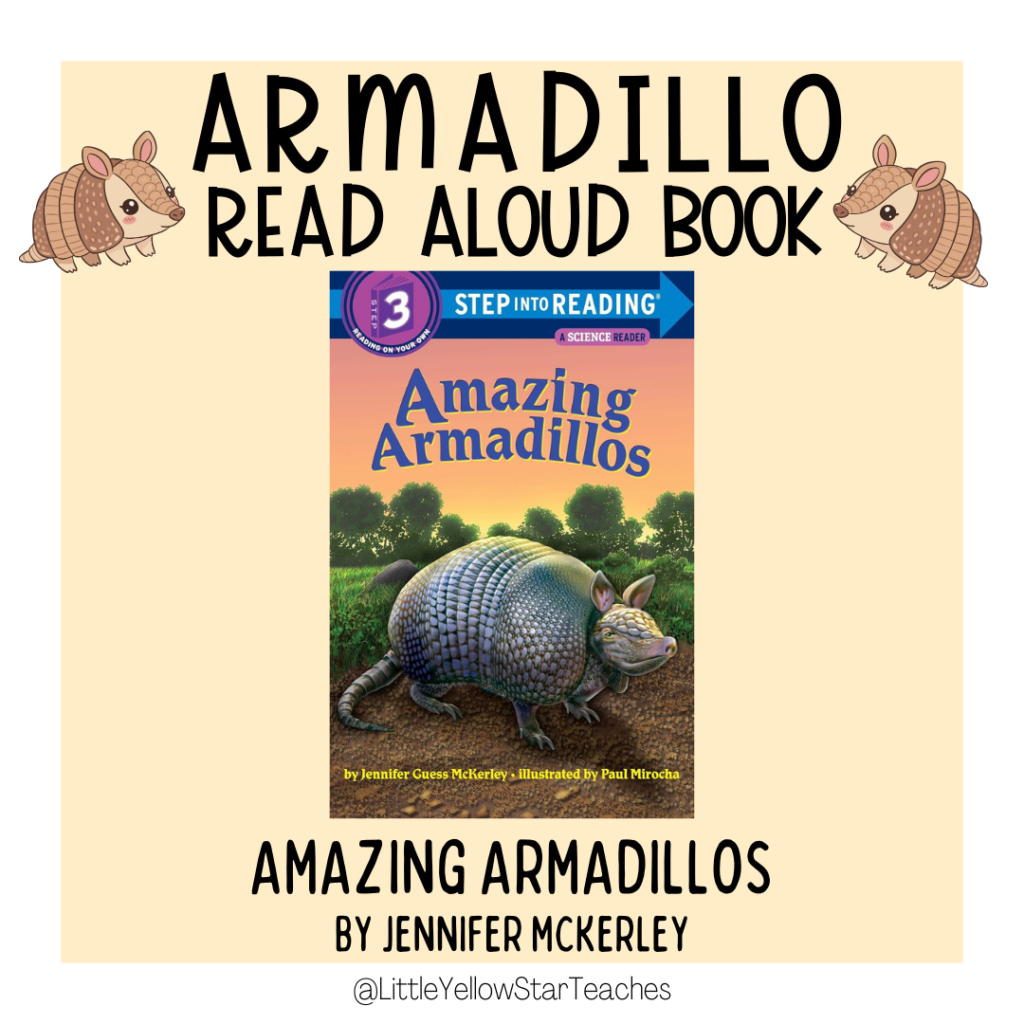
#6 Amazing Armadillos by Jennifer Mckerley
This engaging nonfiction book introduces young readers to fascinating armadillo facts. Children learn about their armor-like shells, habitats, diets, and the unique ways they survive in the wild.
Activity Idea: Create a labeled diagram of an armadillo’s body and shell.
Discussion Questions:
• What special features do armadillos have?
• Where do armadillos live?
• What surprised you about them?
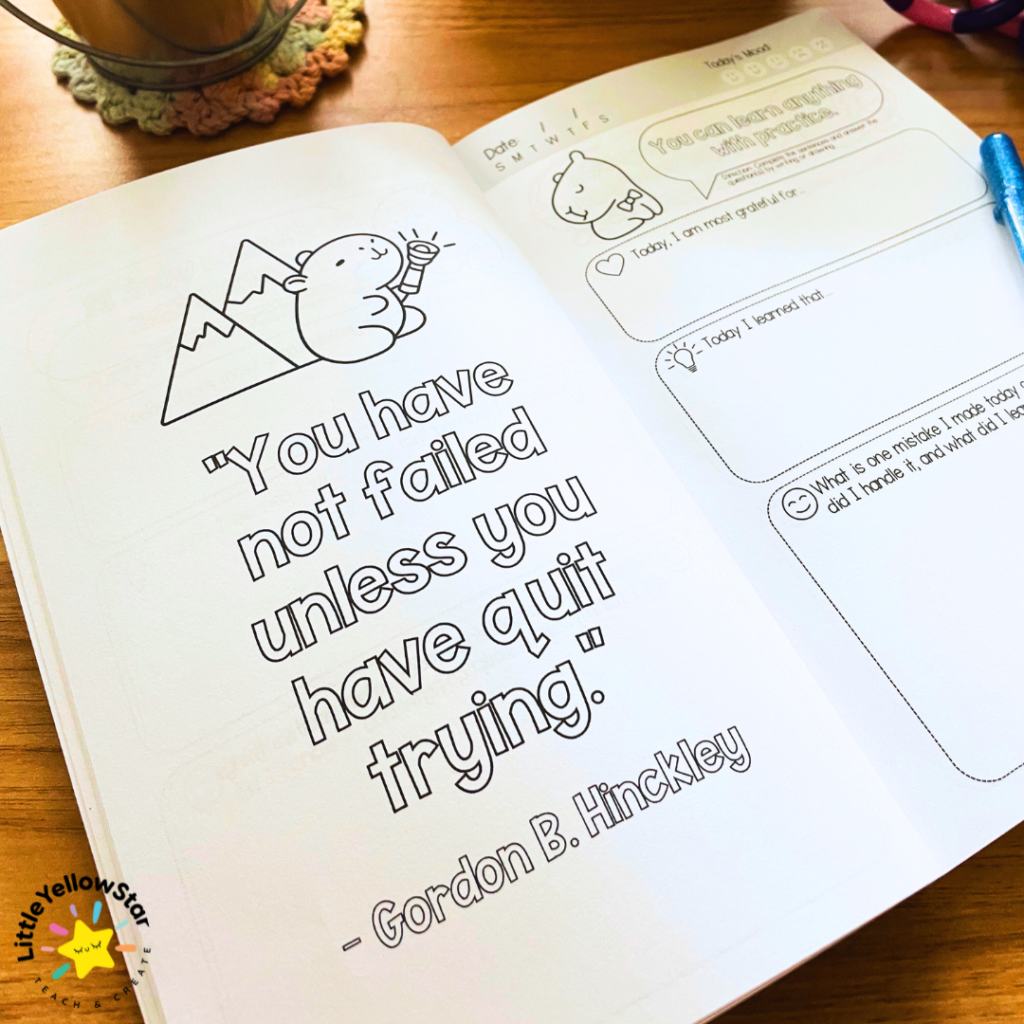
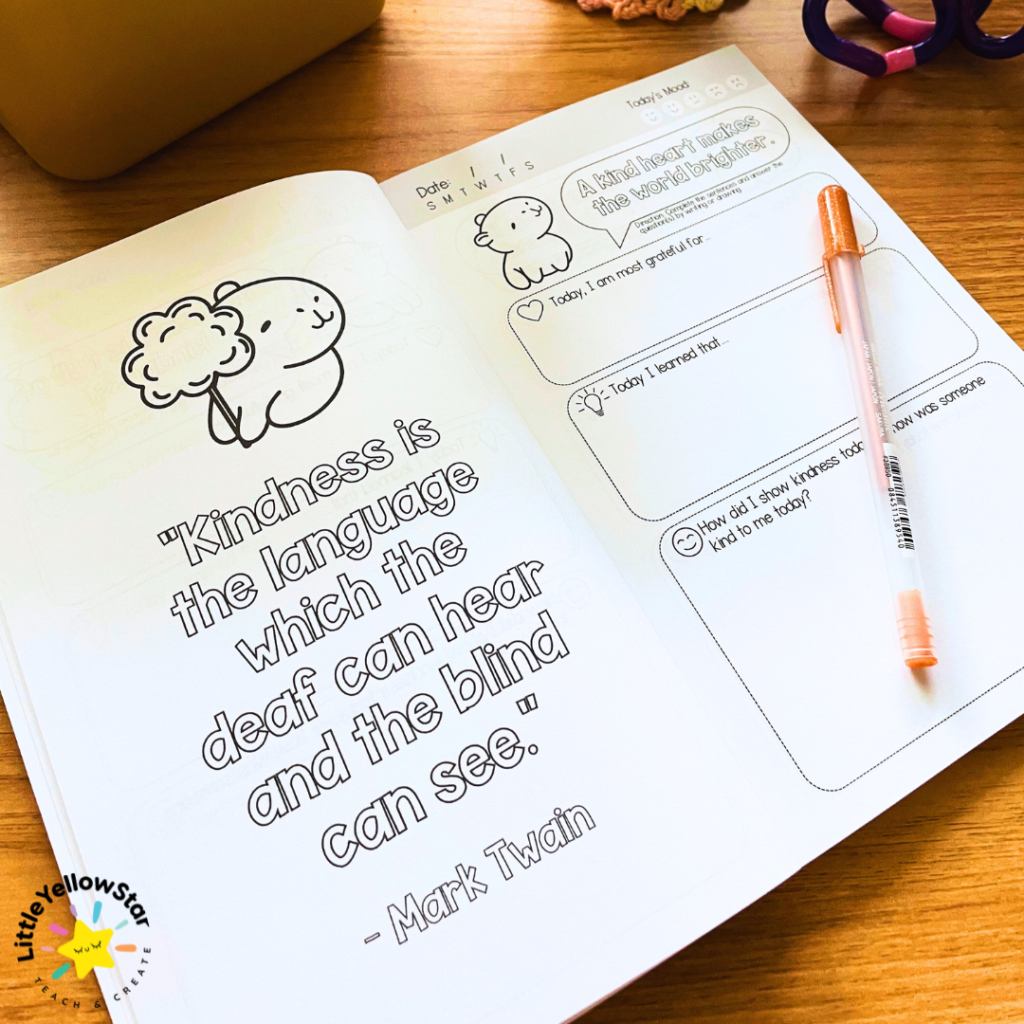
Check Out Capybara-Theme Daily Reflection Journals For Kids!
#7 Armadillo Rodeo by Jan Brett
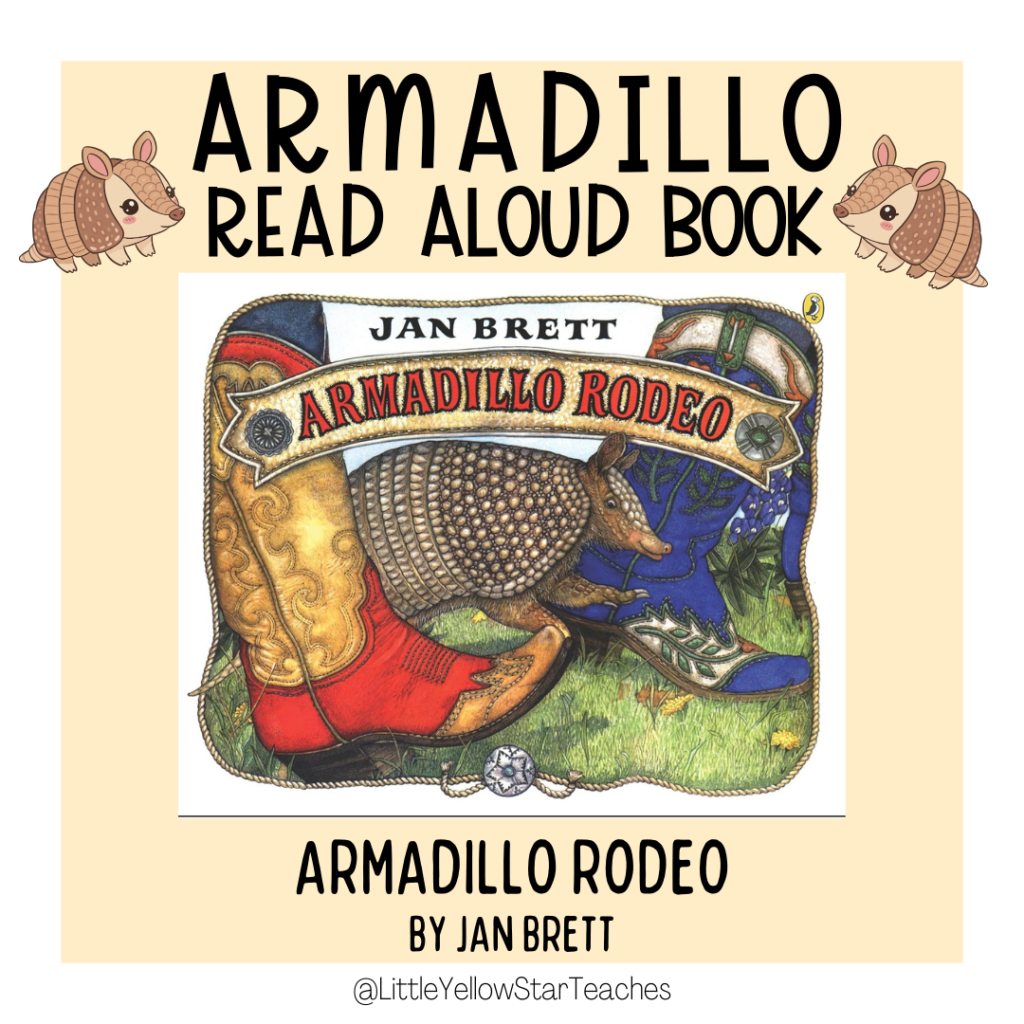
Jan Brett’s beautifully detailed illustrations tell the story of Bo, a little armadillo who dreams of being a rodeo star. When he gets mixed up with a cowboy’s boots and hat, a comical adventure begins.
Activity Idea: Design your own rodeo poster featuring Bo the armadillo.
Discussion Questions:
• What adventure did Bo experience?
• What made the illustrations special?
• What dreams do you have?
Upper Elementary Children (Ages 9-11)
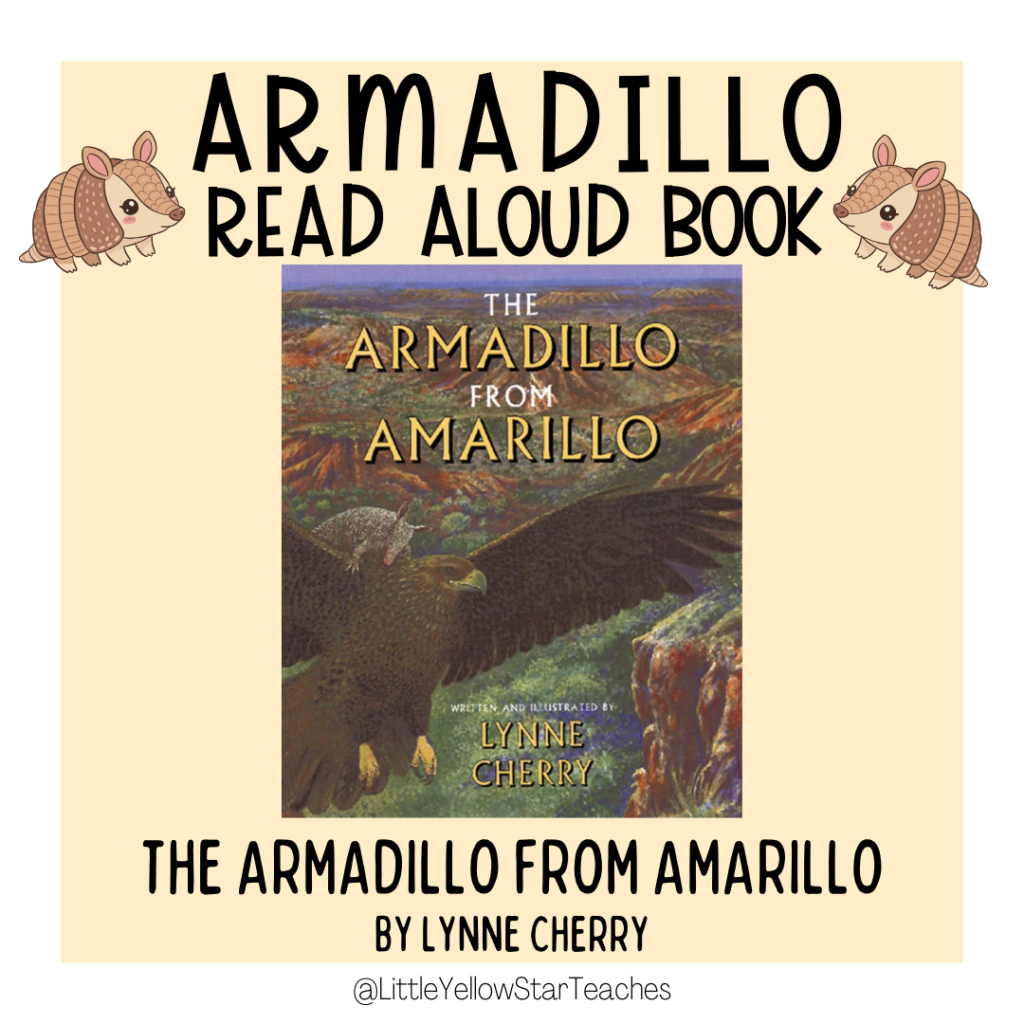
#8 The Armadillo from Amarillo by Lynne Cherry
This story follows an adventurous armadillo searching for a new home as development changes his habitat. Along the journey, readers learn about wildlife conservation and the importance of protecting natural environments.
Activity Idea: Create a map showing the armadillo’s journey.
Discussion Questions:
• Why did the armadillo leave his home?
• What animals did he meet along the way?
• Why is protecting nature important?
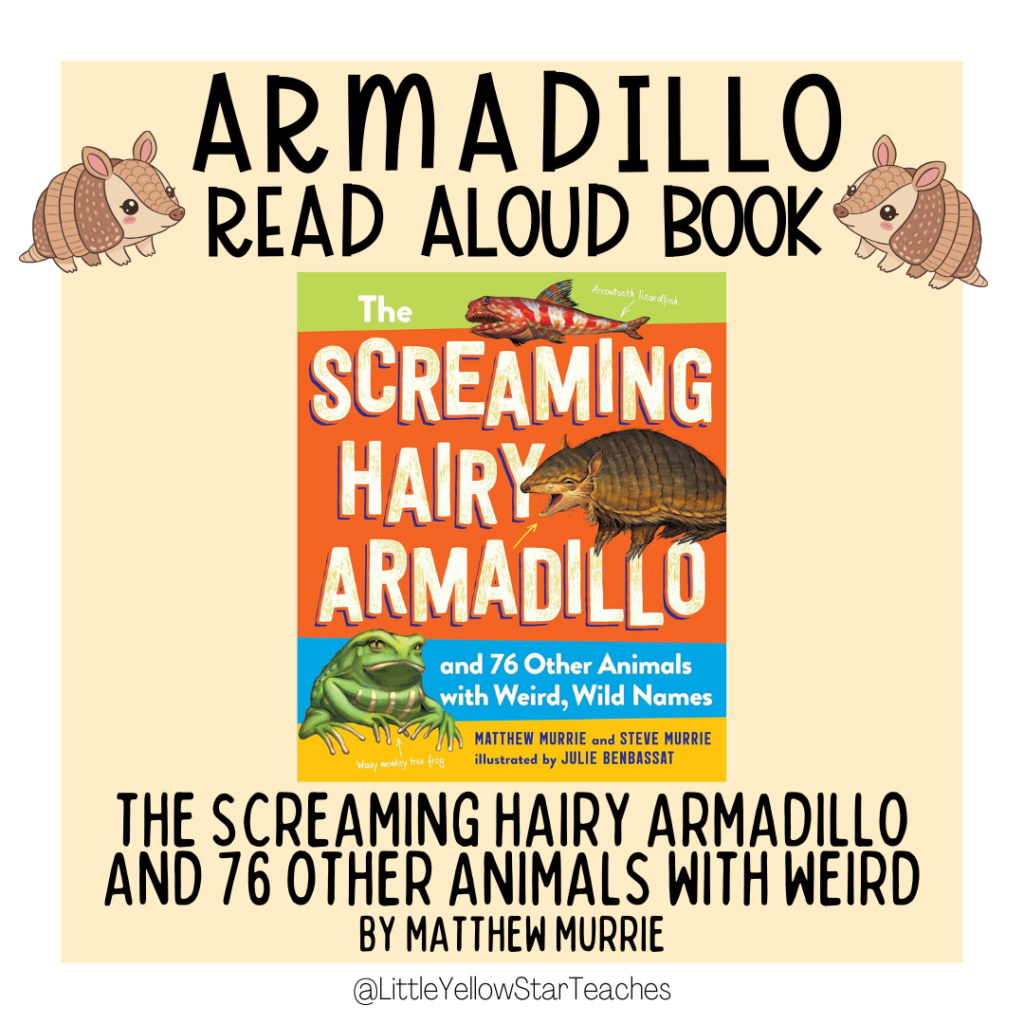
#9 The Screaming Hairy Armadillo and 76 Other Animals with Weird Names by Matthew Murrie
Packed with fascinating animal facts and hilarious names, this nonfiction book introduces readers to some of the strangest creatures on Earth. The screaming hairy armadillo is just the beginning!
Activity Idea: Research and draw your favorite unusual animal from the book.
Discussion Questions:
• Which animal name made you laugh?
• What unusual traits did the animals have?
• Why are animal adaptations important?

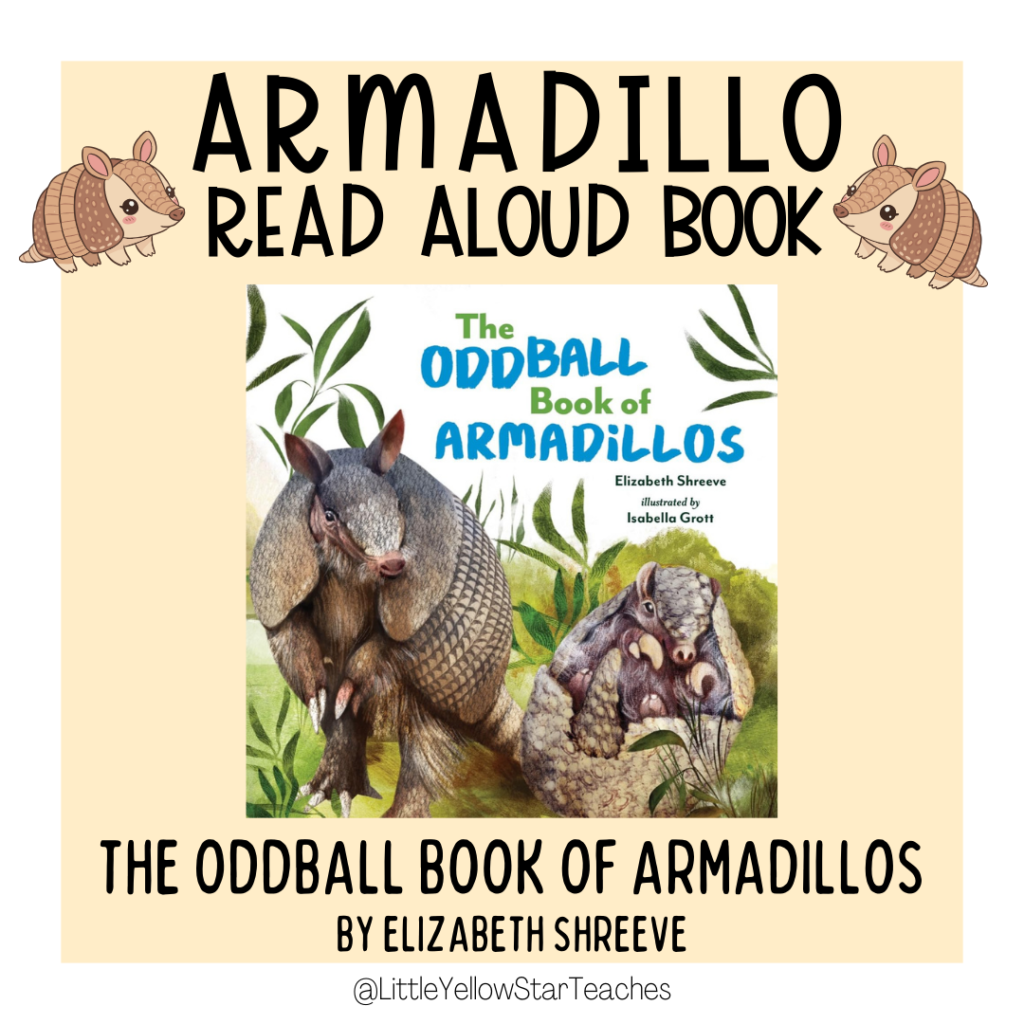
#10 The Oddball Book of Armadillos by Elizabeth Shreeve
This informative and entertaining book dives into the quirky world of armadillos. Readers discover fascinating science facts about their shells, behavior, and unique role in the ecosystem.
Activity Idea: Create an “animal oddball facts” mini book.
Discussion Questions:
• What makes armadillos different from other animals?
• How do their shells help them survive?
• What new fact did you learn?
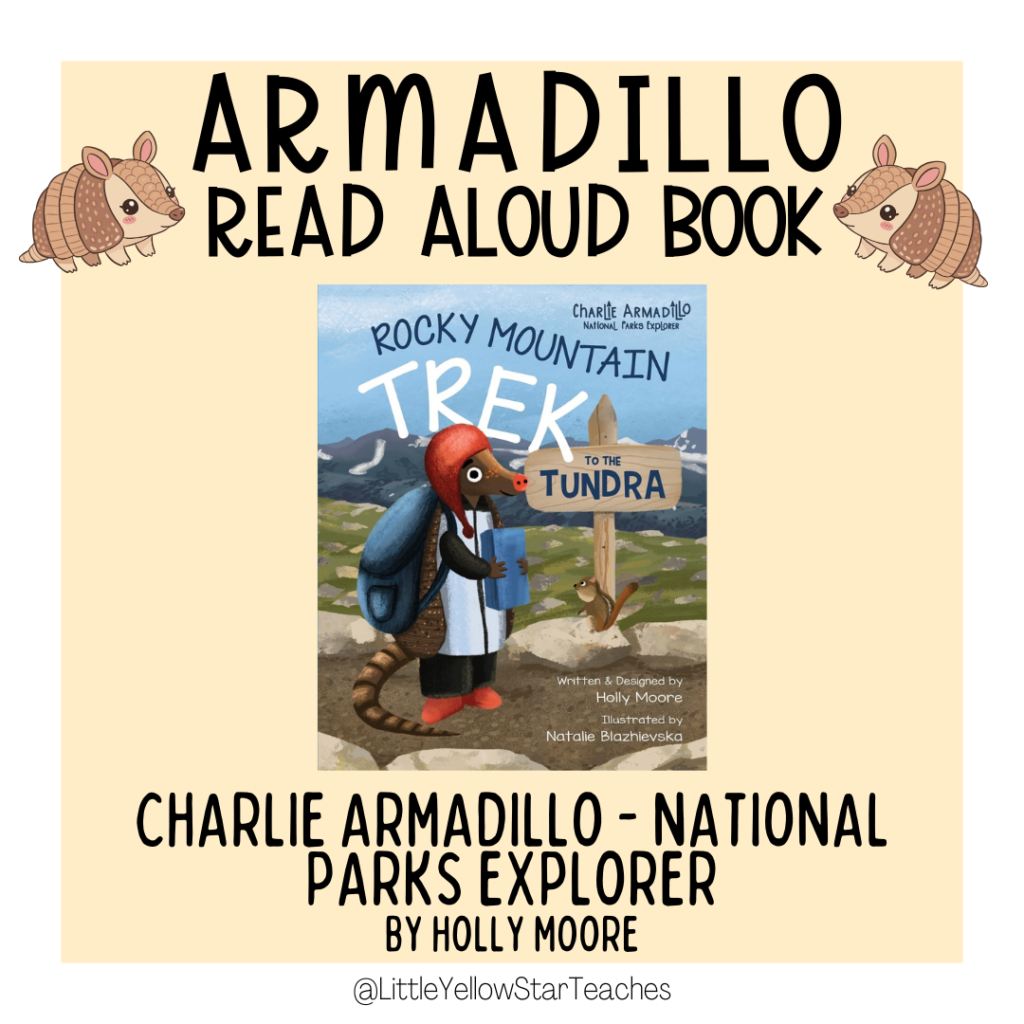
#11 Charlie Armadillo – National Parks Explorer by Holly Moore
Charlie the armadillo travels through America’s national parks, discovering wildlife, landscapes, and natural wonders along the way. The story encourages curiosity about nature and outdoor exploration.
Activity Idea: Create a travel journal for places you’d like to explore.
Discussion Questions:
• Which park did Charlie visit?
• What animals or plants did he discover?
• Why are national parks important?
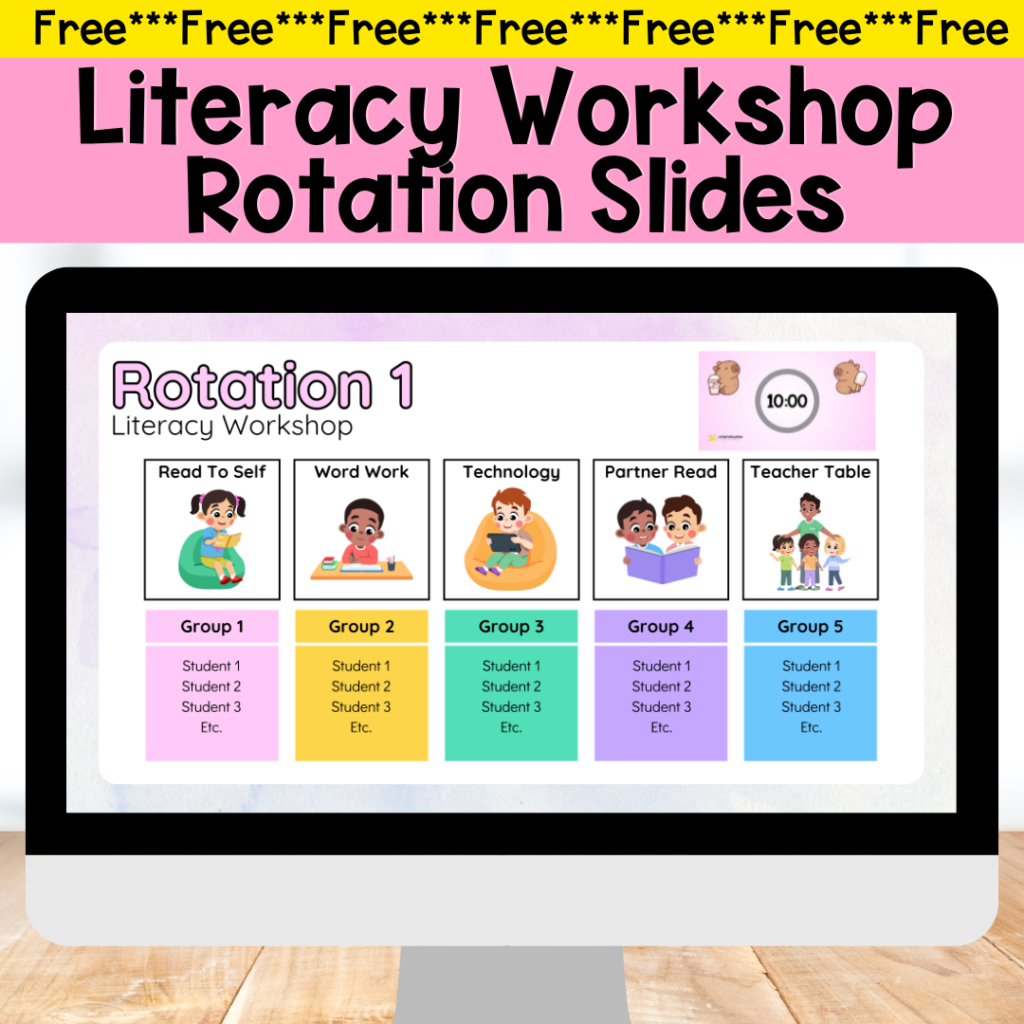
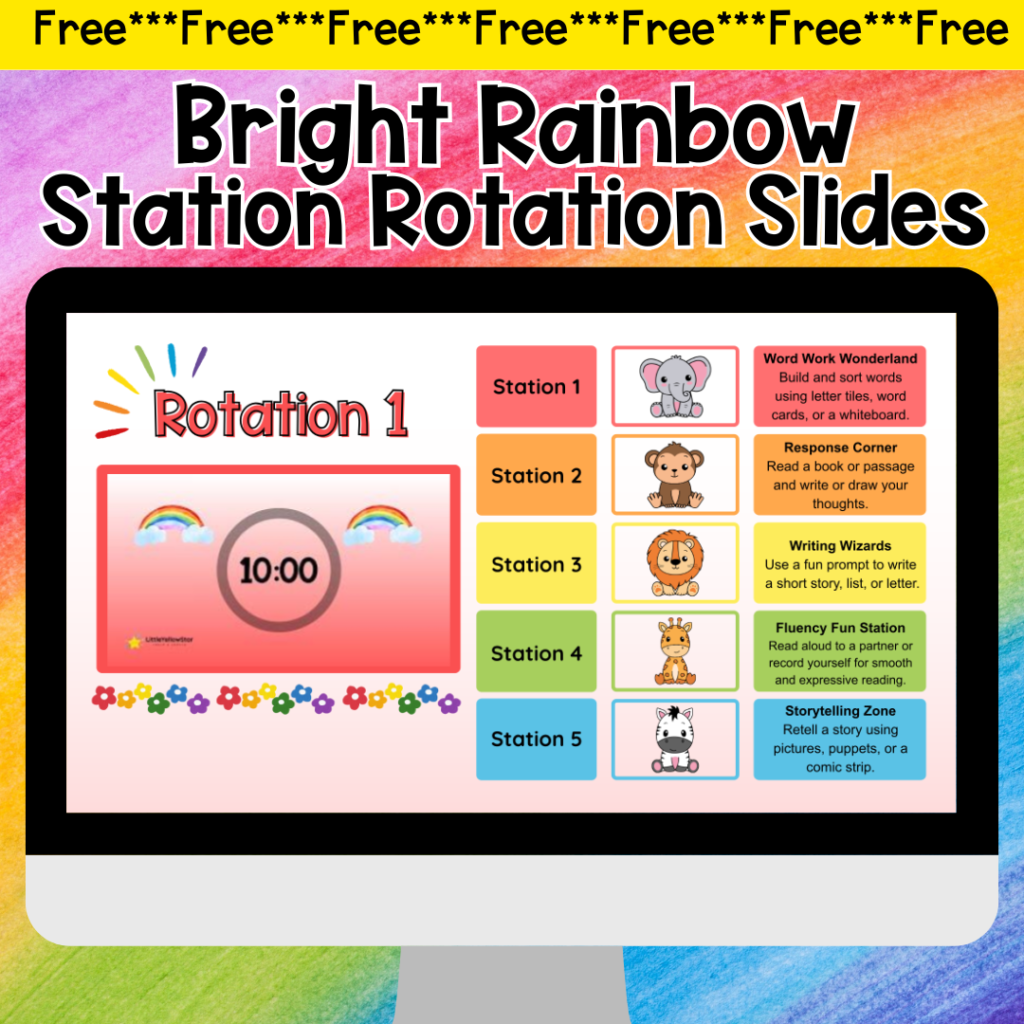
Grab these free resources to make your teaching life easier!

What Armadillo Book(s) Are You Going To Read Later?
Armadillo books for kids introduce readers to one of nature’s most interesting animals. They inspire curiosity, help children learn about wildlife, and encourage a love of discovery.
Which armadillo story will you read next? Tag me on Instagram @LittleYellowStarTeaches and share your favorite animal books or nature discoveries.
Happy reading!
Prima at LittleYellowStar
* * *
Other Blog Posts That You Might Enjoy:
- 15 Minutes Daily Social And Emotional Learning Activities For The Classroom (SEL Made Easy)
- How To Offer Growth Mindset Praise Effectively
- 3 Activities To Introduce Growth Mindset