11 Whale Books for Kids
Ocean Adventures with the Gentle Giants of the Sea
Whales are some of the most incredible animals on our planet. These enormous creatures glide gracefully through the ocean, communicate with powerful songs, and travel great distances across the sea. Whale books invite children to explore the mysteries of the ocean while learning about these fascinating marine mammals.
In this post, I’m sharing why whale books are wonderful additions to your child’s bookshelf. I’ve also included engaging activities and discussion questions to help children dive deeper into the world of whales.
***Disclosure: This post contains an Amazon affiliate link that at no additional cost to you, I may earn a small commission when you purchase through the link from my blog. Thank you for your support!
Table of Content
- Why Read Books About Whales?
- The Role of Books in Teaching Kids about Whales
- 11 Whale Books For Children
- What Whale Book(s) Are You Going To Read Later?
Why Read Books About Whales?
Whale books introduce children to ocean life and the wonders of marine science.
Through stories and nonfiction books, kids can learn about different types of whales, their behaviors, and the ocean habitats they depend on. These books often highlight themes of exploration, curiosity, and caring for the natural world.
Whale stories also inspire awe and appreciation for the size, beauty, and mystery of the ocean.
The Role of Books in Teaching Kids about Whales
Books about whales help children understand ecosystems and animal adaptations.
Young readers can learn how whales breathe air, migrate across oceans, and communicate through sound. Whale stories often introduce concepts like ocean conservation and protecting wildlife habitats.
These books encourage children to think about how humans and animals share the planet.
How to Use Books about Whales with Children
Here are some ocean-inspired ways to extend the learning:
- 🐋 Ask Open-Ended Questions: After reading, ask: Why do whales travel long distances? or What do you think it feels like to swim in the deep ocean?
- 🌊 Engage in Whale-Themed Activities: Create ocean habitat artwork, build a whale craft from recycled materials, or listen to recordings of whale songs while drawing what you imagine the ocean looks like.
- 📚 Refer Back to the Books: During science lessons, say: Remember how the whale in the story needed clean oceans to survive? That’s why protecting the ocean is important.
- 👨👩👧 Involve Other Caregivers: Encourage families to watch ocean documentaries together, visit aquariums, or explore books about marine life to deepen children’s curiosity about the sea.

11 Whale Books For Children
Younger Children (Ages 3-6)
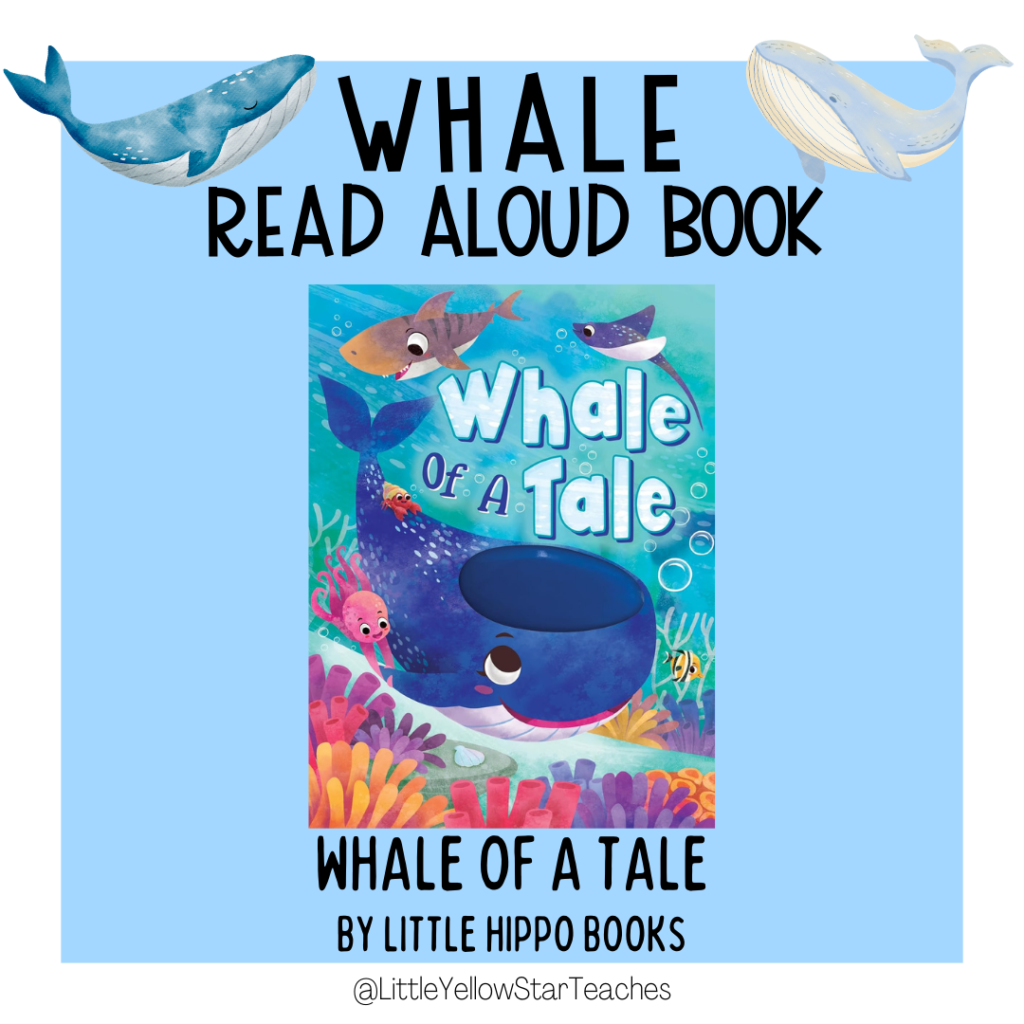
#1 Whale Of A Tale by Little Hippo Books
This interactive touch-and-feel board book invites toddlers into an ocean adventure filled with friendly sea creatures. The rhyming story follows Bluey the whale as she learns that being different is something to celebrate. The tactile elements on every page encourage sensory exploration while reinforcing a message of self-acceptance.
Activity Idea: Create a sensory ocean board with fabrics, sandpaper, and cotton to represent sea textures.
Discussion Questions:
• What made Bluey unique?
• How did she learn to feel proud of herself?
• What makes you special?
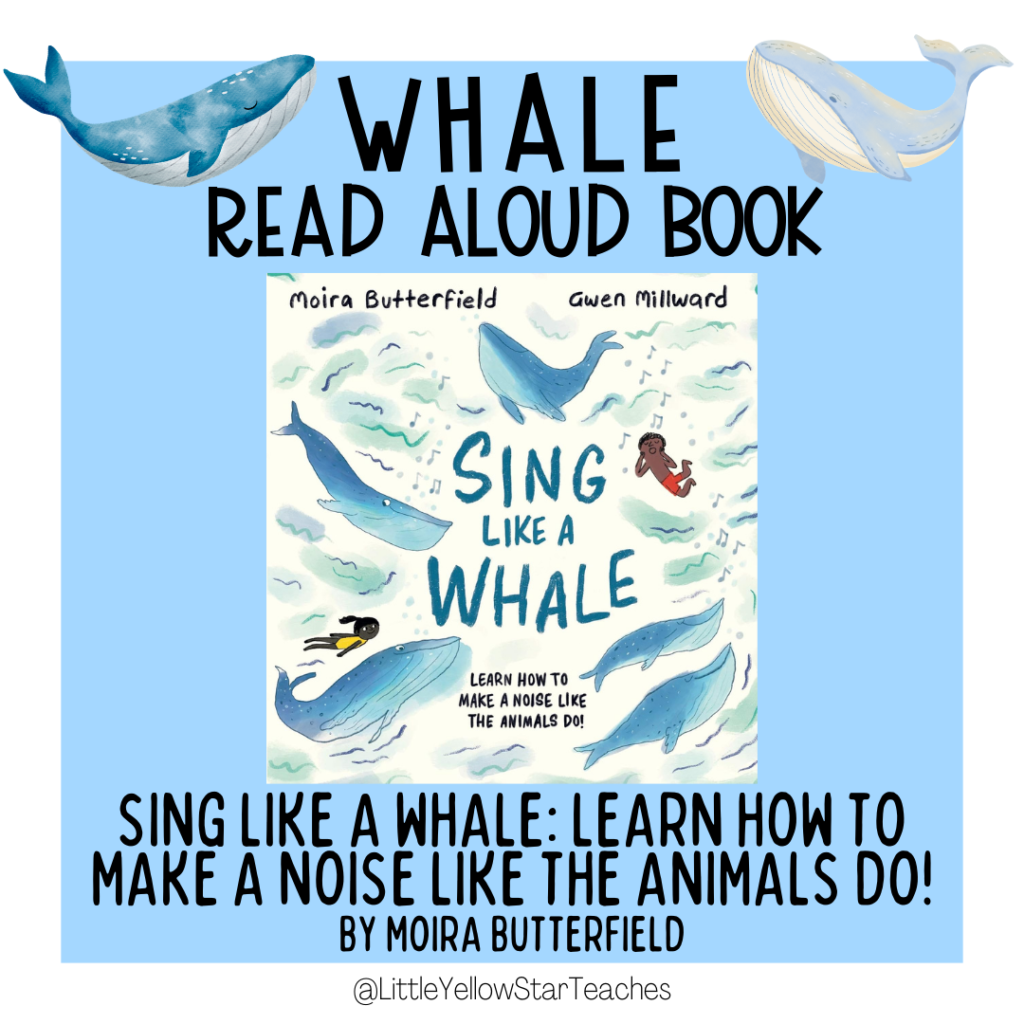
#2 Sing Like a Whale: Learn How to Make a Noise Like the Animals Do! by Moira
This lively book invites children to explore animal sounds—including the mysterious songs of whales. Through playful prompts and engaging illustrations, kids learn about animal communication while practicing their own silly animal voices.
Activity Idea: Have children imitate different animal sounds and guess which animal they represent.
Discussion Questions:
• Why do animals make different sounds?
• What does a whale’s song sound like?
• Which animal sound was your favorite?
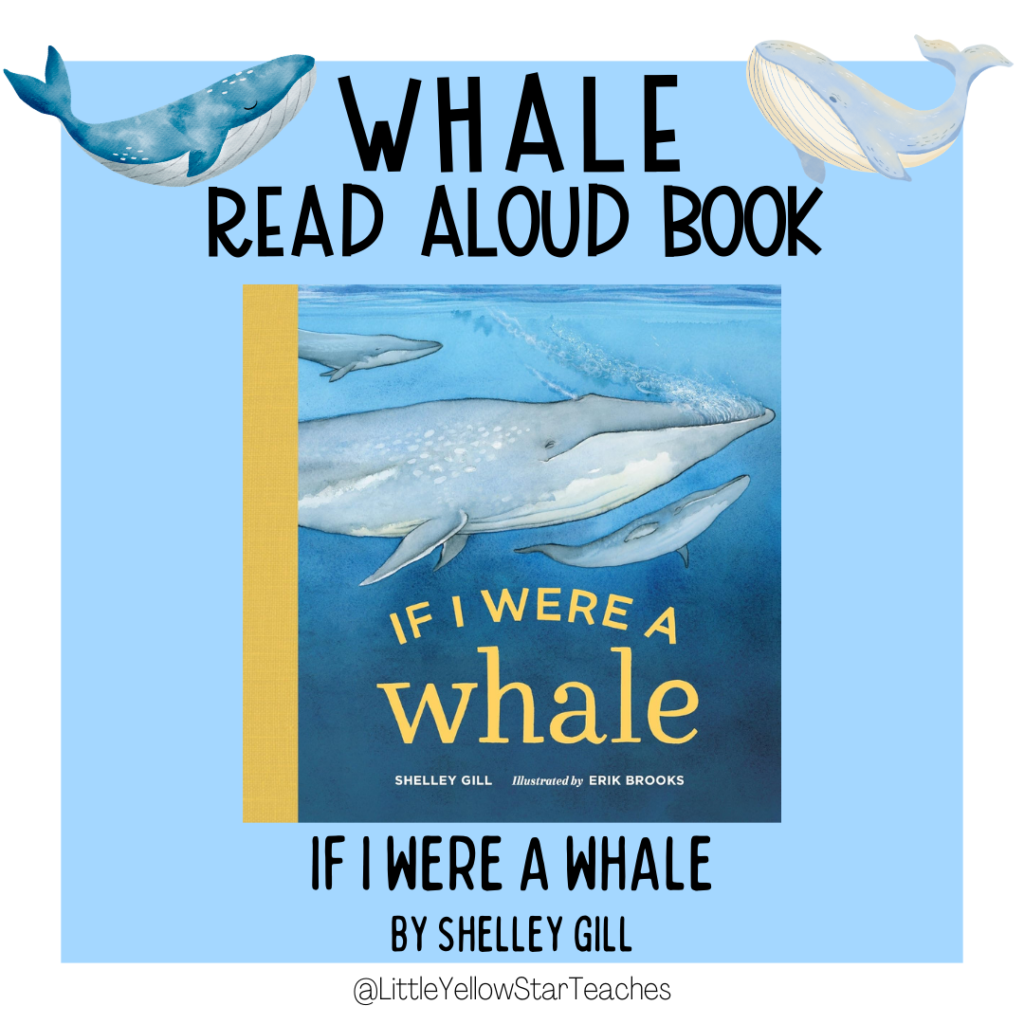
#3 If I Were a Whale by Shelley Gill
This imaginative picture book invites readers to step into the life of a whale swimming through vast oceans. Through poetic storytelling and beautiful illustrations, children learn about migration, ocean habitats, and the wonders of marine life.
Activity Idea: Draw yourself as an ocean animal and describe what your day would be like.
Discussion Questions:
• Where would you travel if you were a whale?
• What ocean animals might you meet?
• Why are oceans important?

Lower Elementary Children (Ages 7-9)
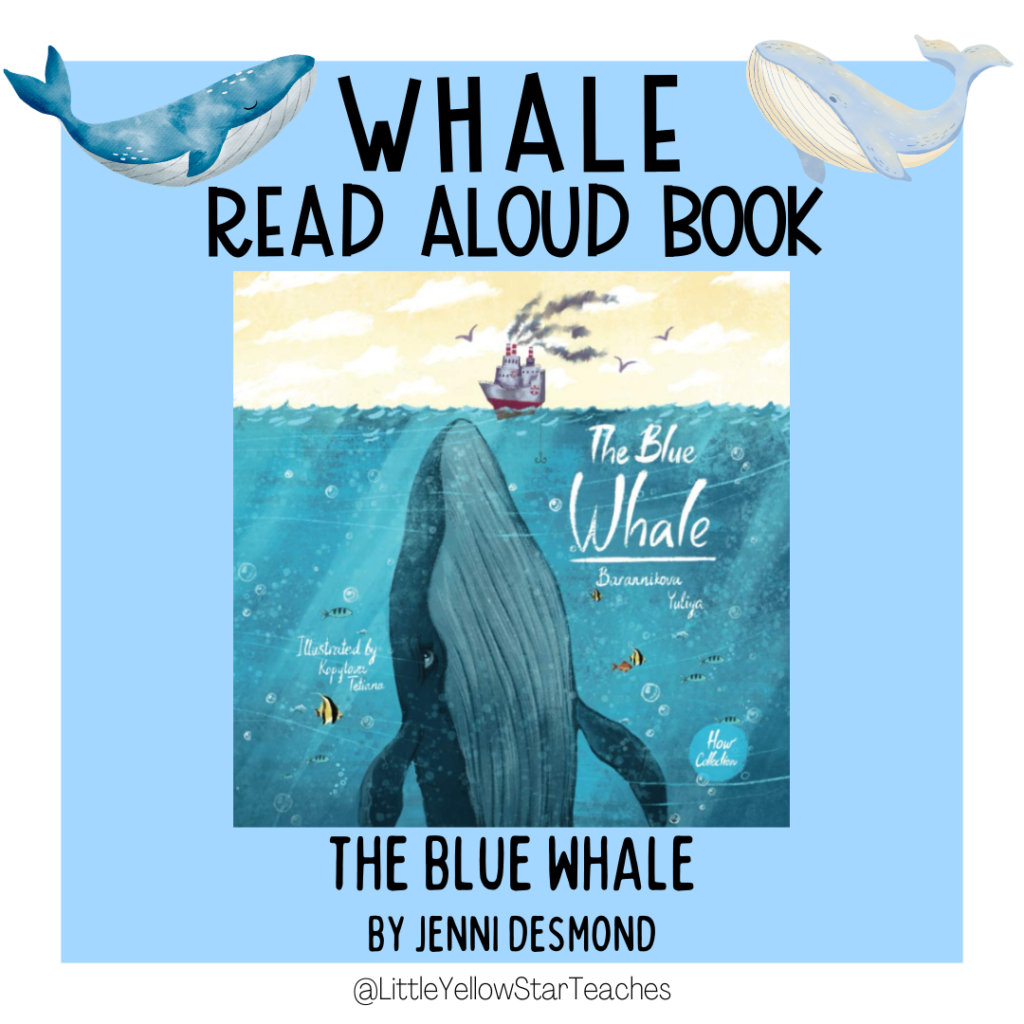
#4 The Blue Whale by Jenni Desmond
This beautifully illustrated nonfiction picture book combines storytelling with fascinating science facts. Readers learn about the life of the blue whale—the largest animal ever to live on Earth—while exploring how it swims, eats, and communicates in the ocean.
Activity Idea: Compare your height to the length of a blue whale using classroom measurements.
Discussion Questions:
• How big is a blue whale?
• What do whales eat?
• Why are whales important to the ocean ecosystem?
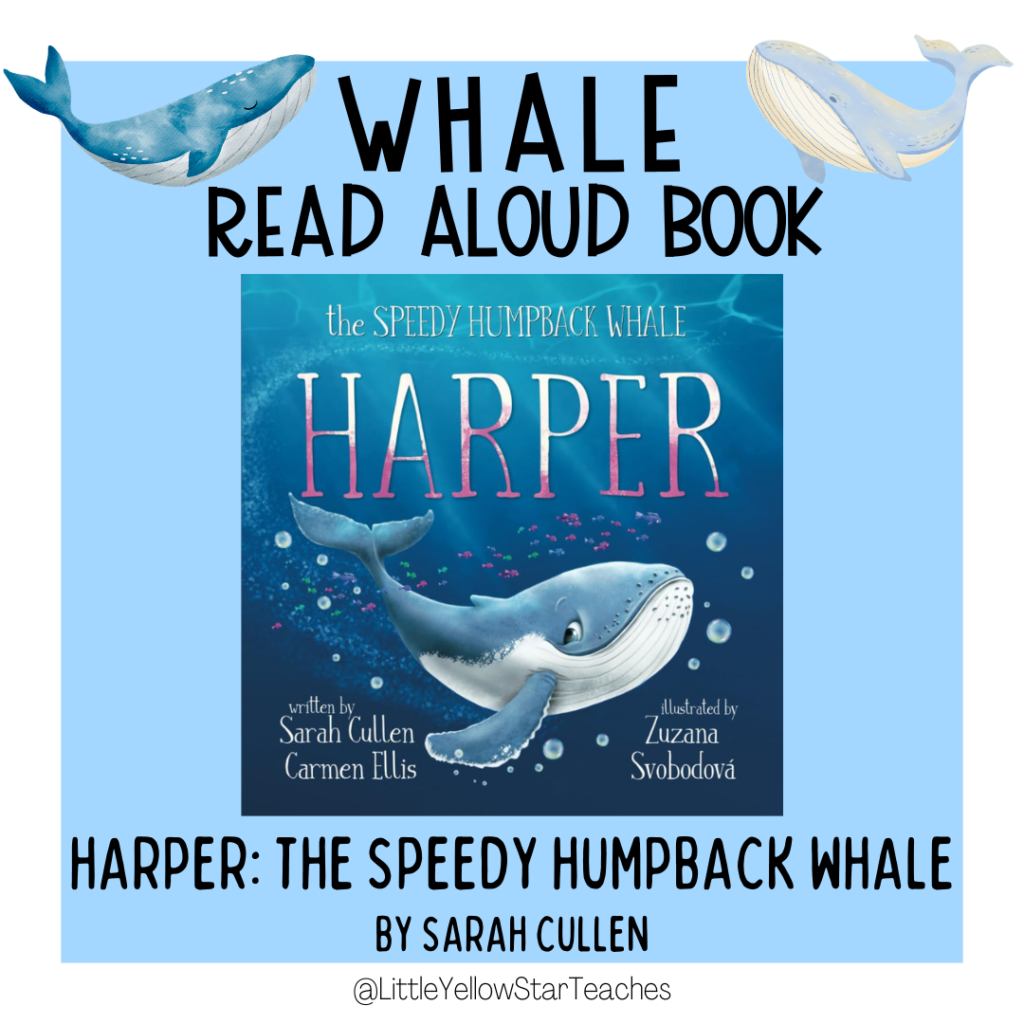
#5 Harper: The Speedy Humpback Whale by Sarah Cullen
Harper is a young humpback whale who loves to swim fast and explore the ocean. Through Harper’s adventures, children learn about marine life, determination, and the joy of exploring the world.
Activity Idea: Create an ocean adventure map showing where Harper travels.
Discussion Questions:
• What made Harper special?
• What challenges did Harper face?
• What adventure would you like to take in the ocean?
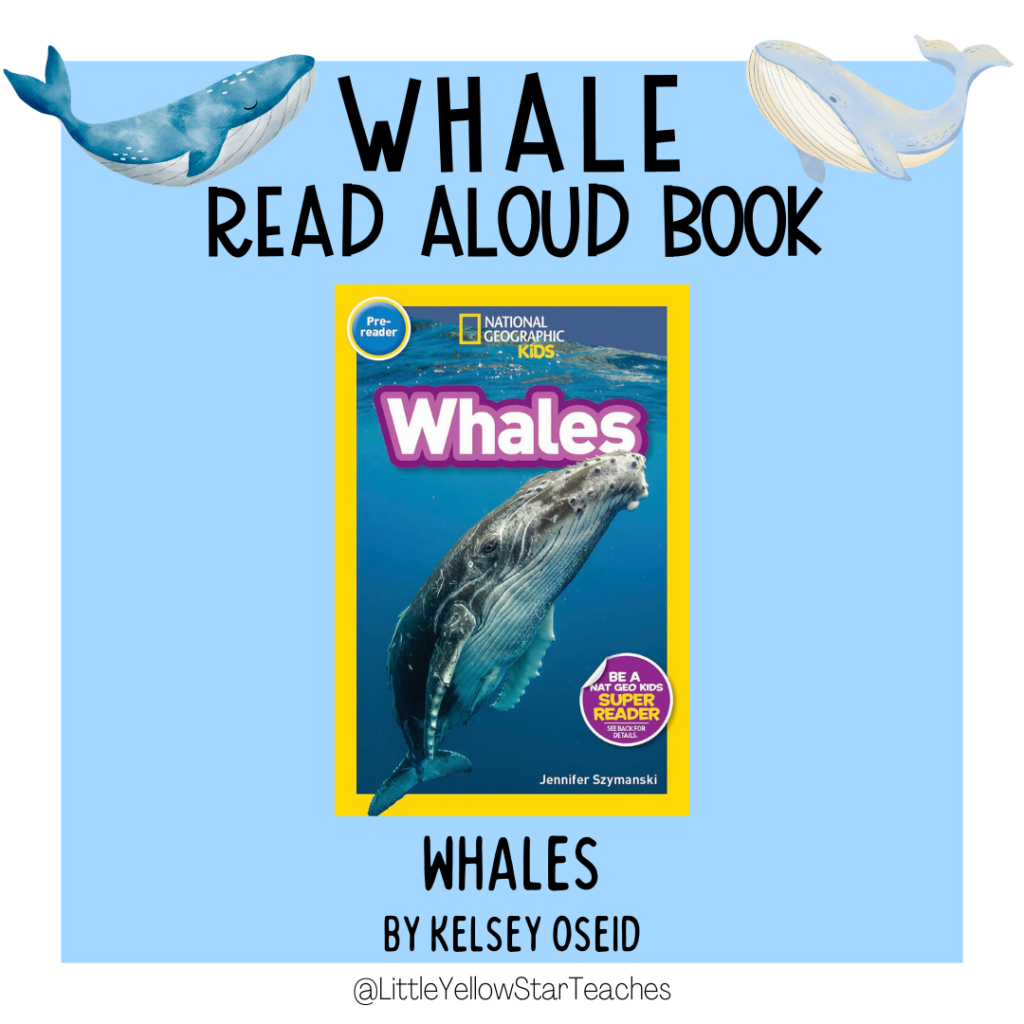
#6 Whales by Kelsey Oseid
This beautifully illustrated nonfiction book introduces readers to different species of whales and their fascinating behaviors. With engaging artwork and accessible facts, it helps children appreciate the diversity of life in the ocean.
Activity Idea: Research and draw different whale species such as blue whales, humpbacks, and orcas.
Discussion Questions:
• What kinds of whales did you learn about?
• What do whales eat?
• How do whales communicate?
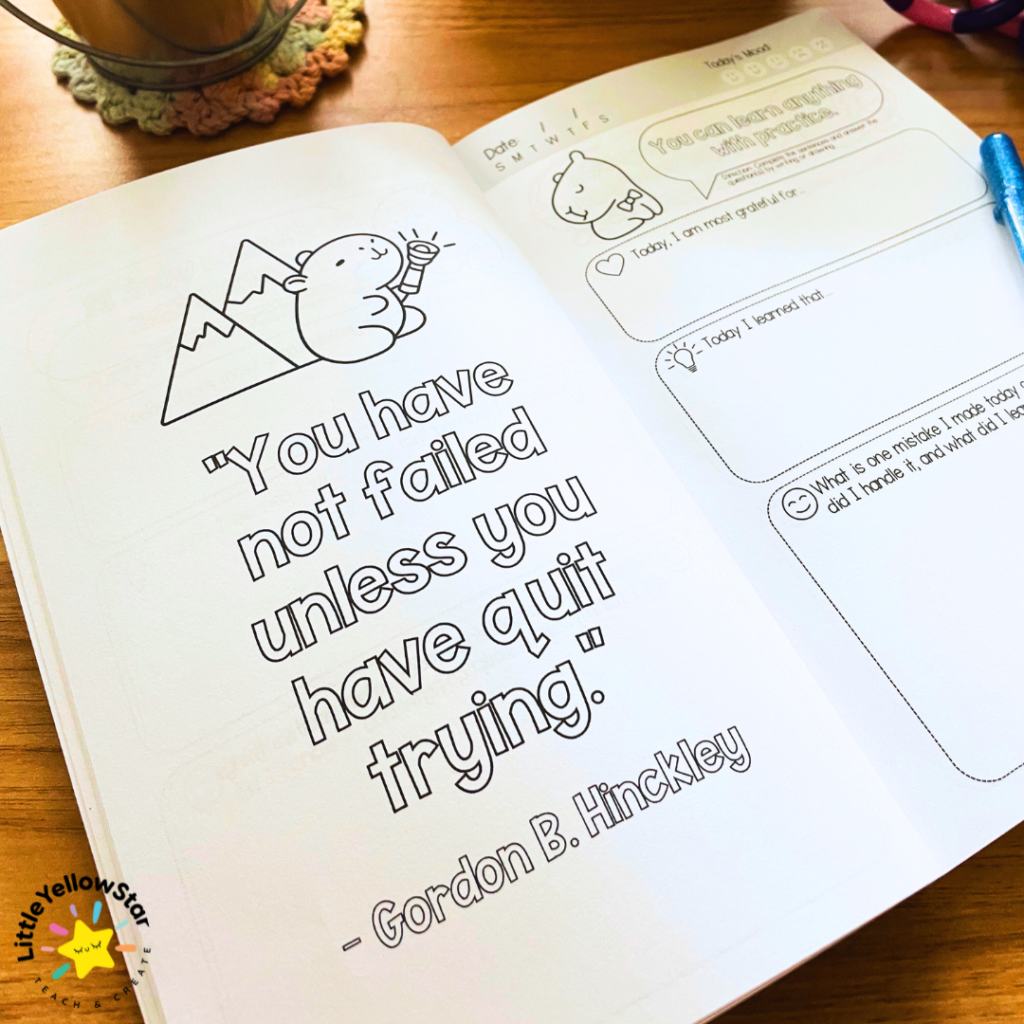
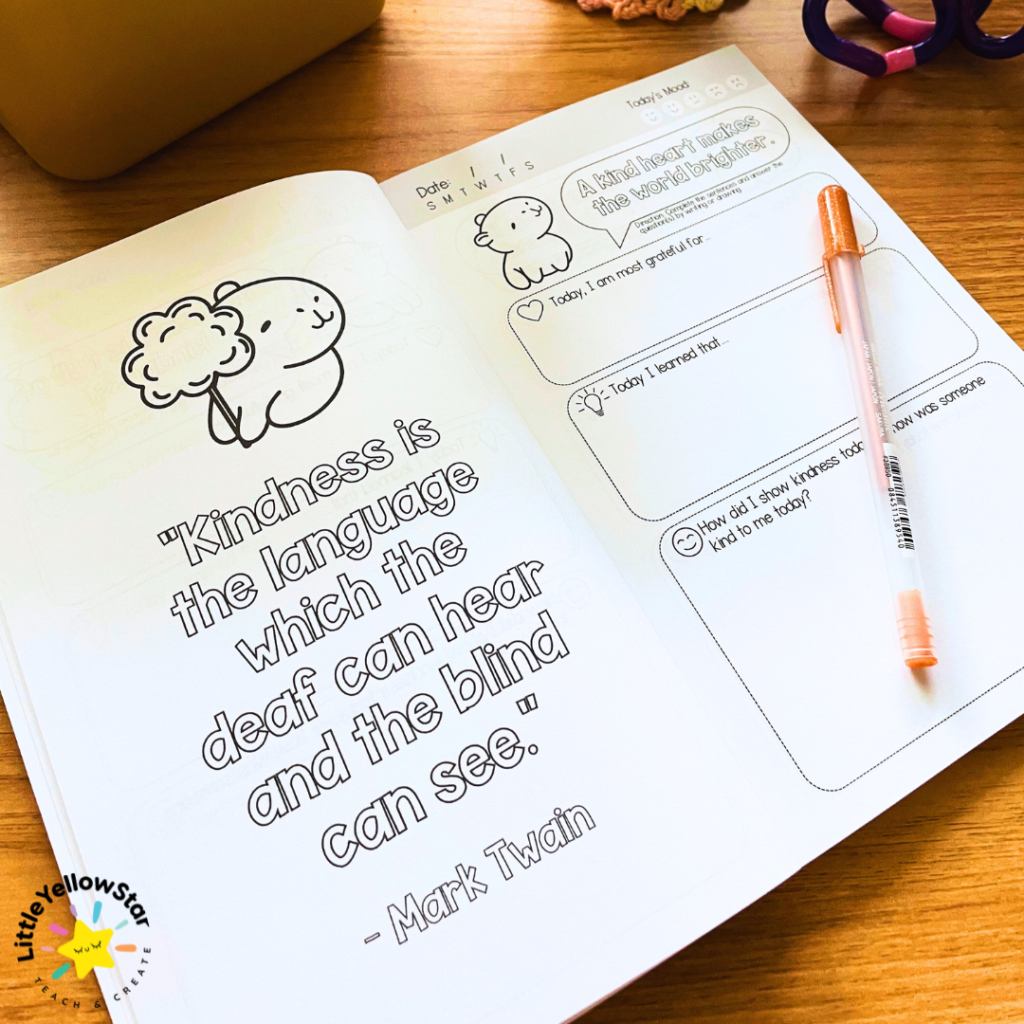
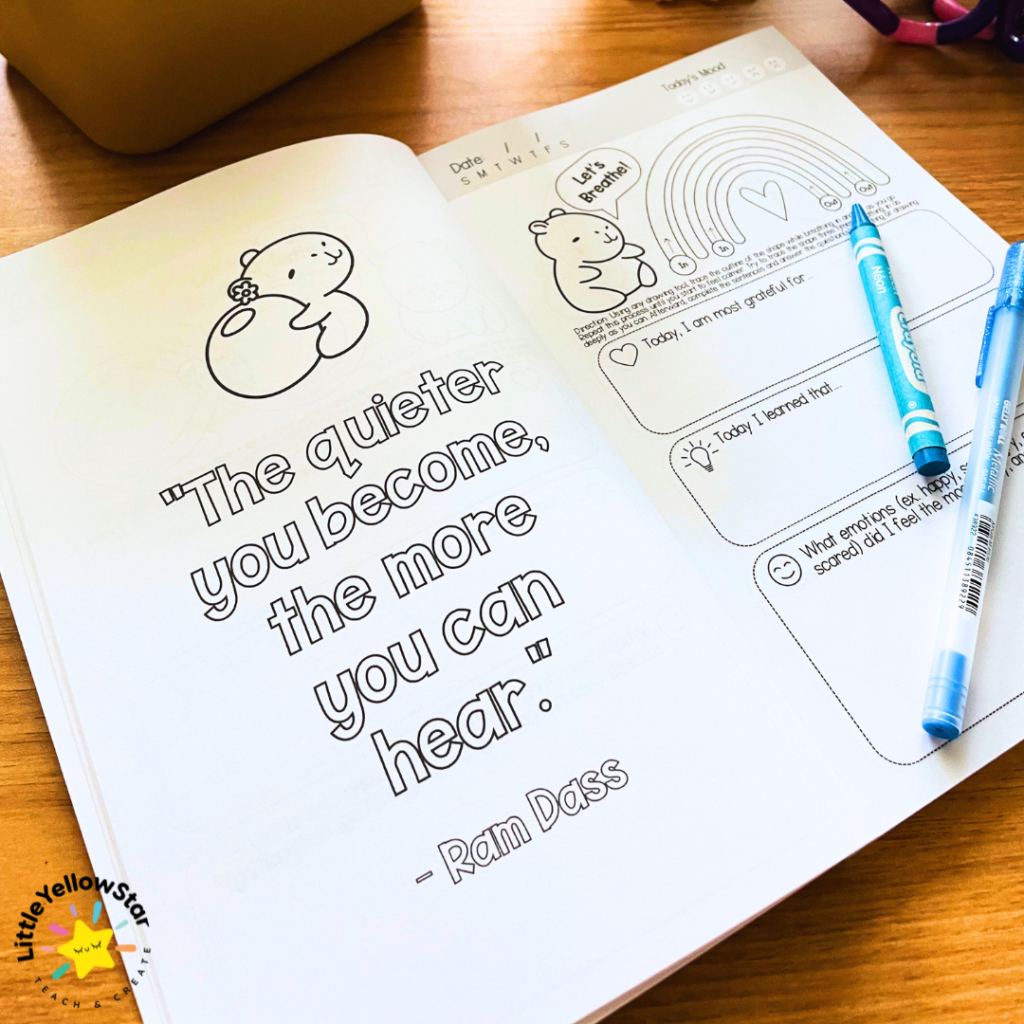
Check Out Capybara-Theme Daily Reflection Journals For Kids!
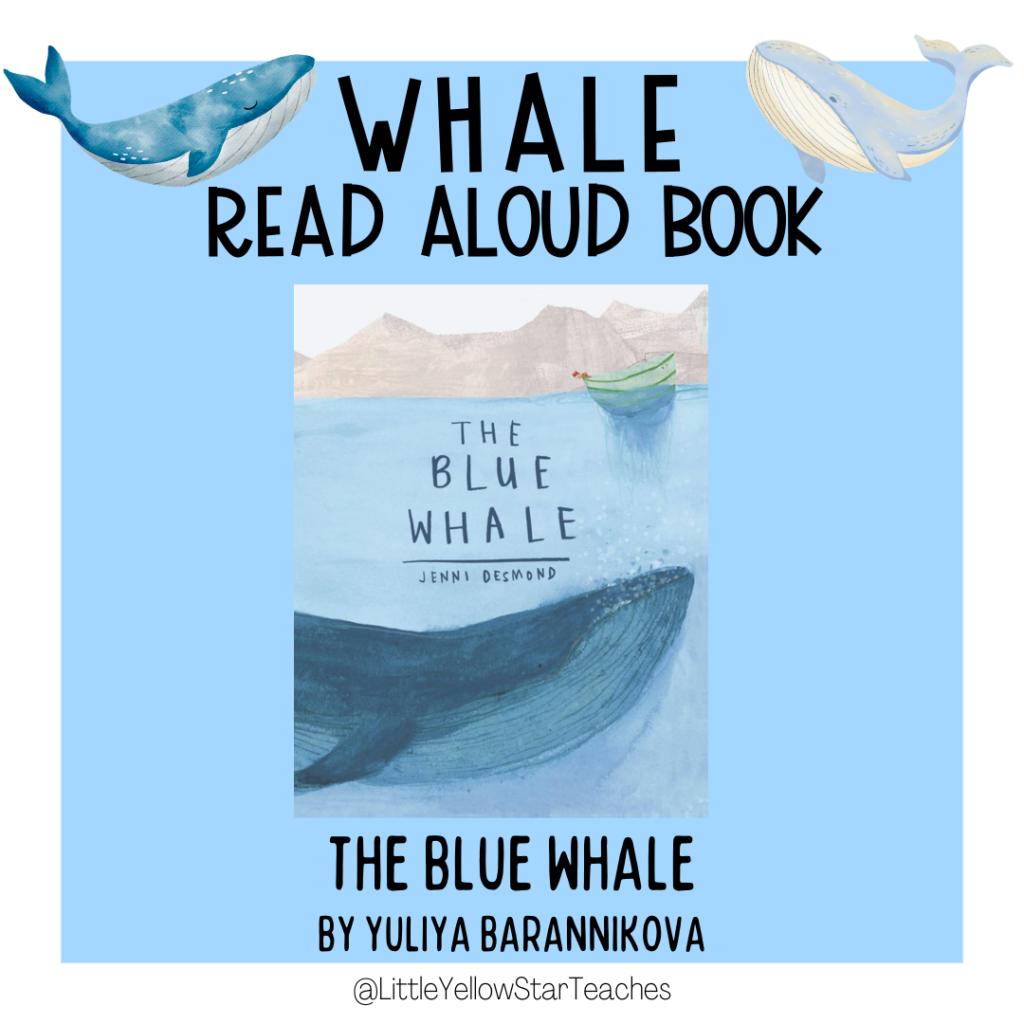
#7 The Blue Whale by Yuliya Barannikova
This educational book introduces children to the life of the blue whale through colorful illustrations and simple explanations. Readers discover how these giants live, travel, and survive in the ocean.
Activity Idea: Create a whale fact card with drawings and interesting facts.
Discussion Questions:
• What makes blue whales special?
• Where do they live?
• Why are they called the largest animals on Earth?
Upper Elementary Children (Ages 9-11)
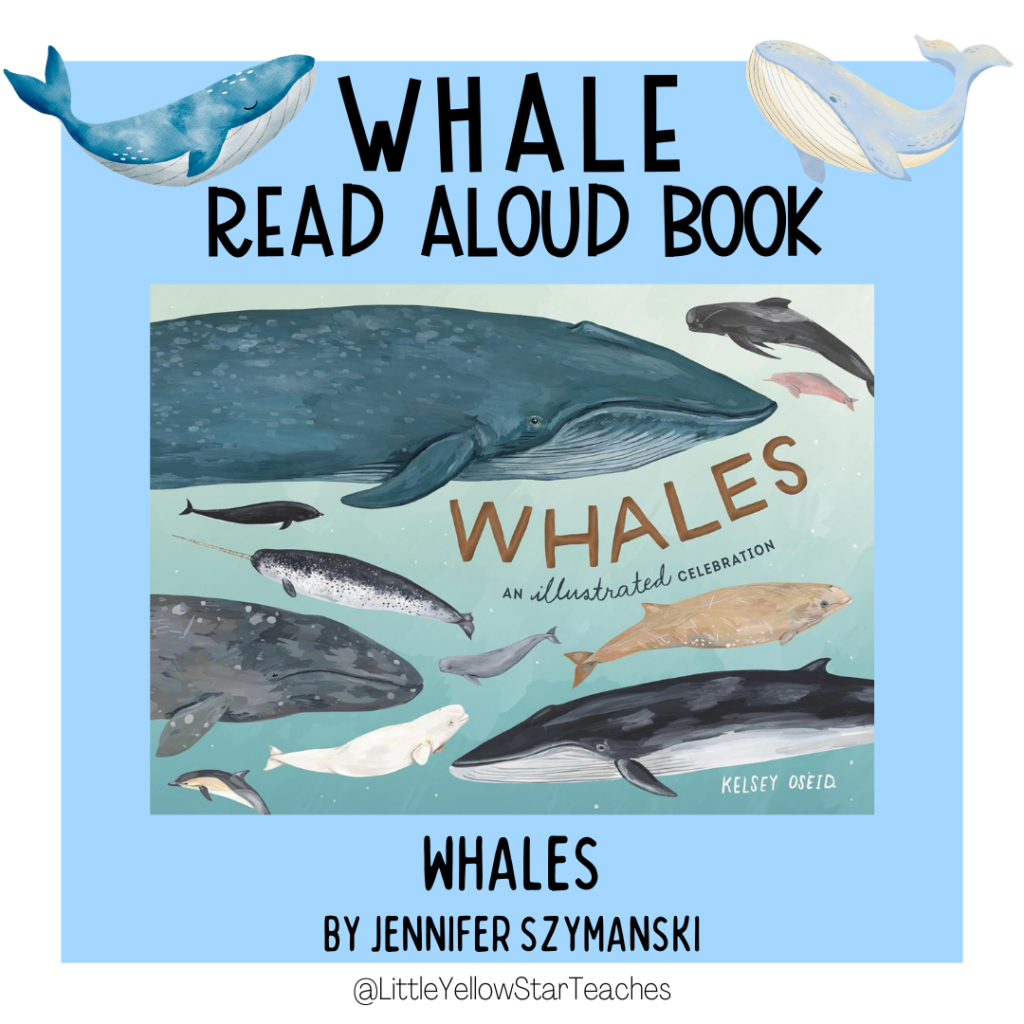
#8 Whales by Jennifer Szymanski
A kid-friendly nonfiction introduction to whales, this book explains their habitats, diets, and unique adaptations. It provides a great starting point for young readers interested in marine biology.
Activity Idea: Label parts of a whale such as fins, tail, and blowhole.
Discussion Questions:
• How do whales breathe underwater?
• What do whales eat?
• How do whales survive in cold oceans?
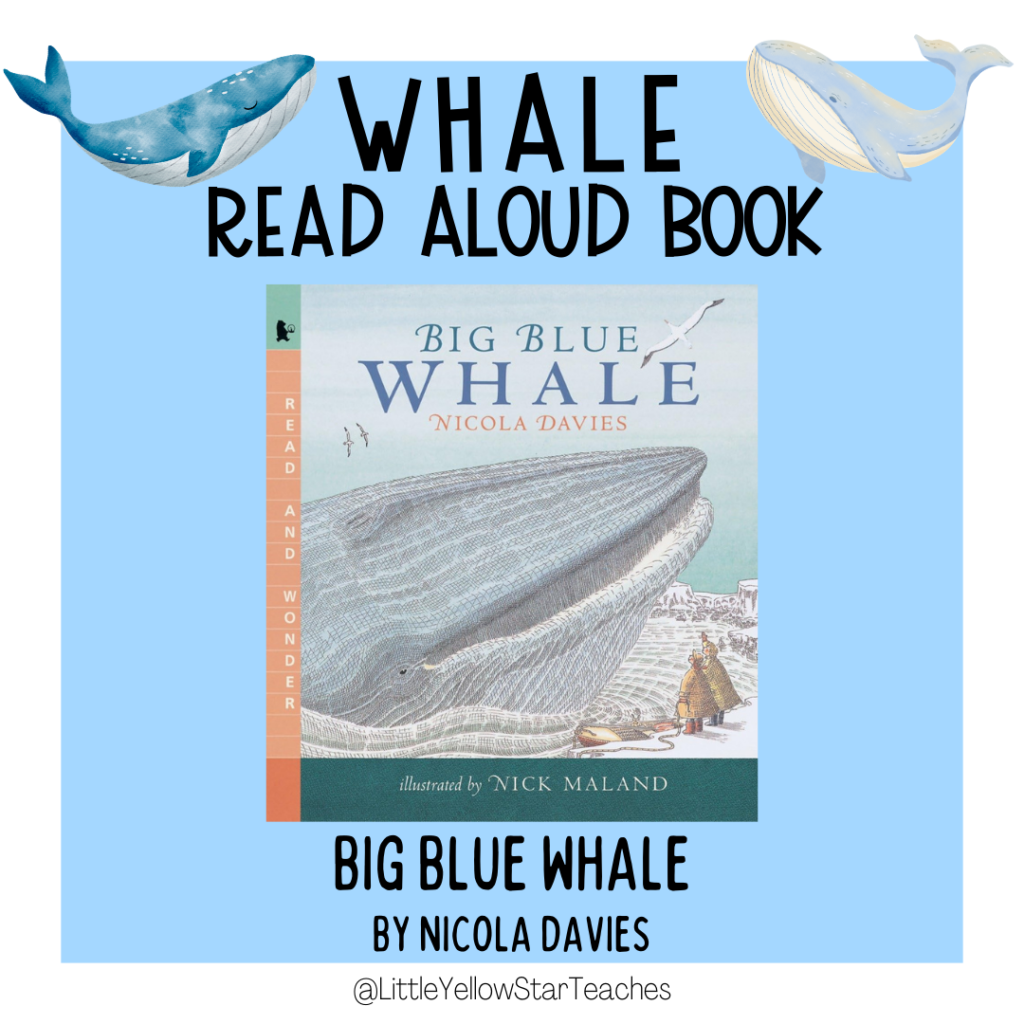
#9 Big Blue Whale by Nicola Davies
This award-winning nonfiction picture book explores the life of the largest animal ever to live on Earth. Through vivid illustrations and clear explanations, children learn about the blue whale’s size, diet, migration, and the ocean world it inhabits.
Activity Idea: Measure out the length of a blue whale (about 100 feet) using rope or chalk outside.
Discussion Questions:
• How big is a blue whale compared to a human?
• What do blue whales eat?
• Why are whales important to the ocean ecosystem?

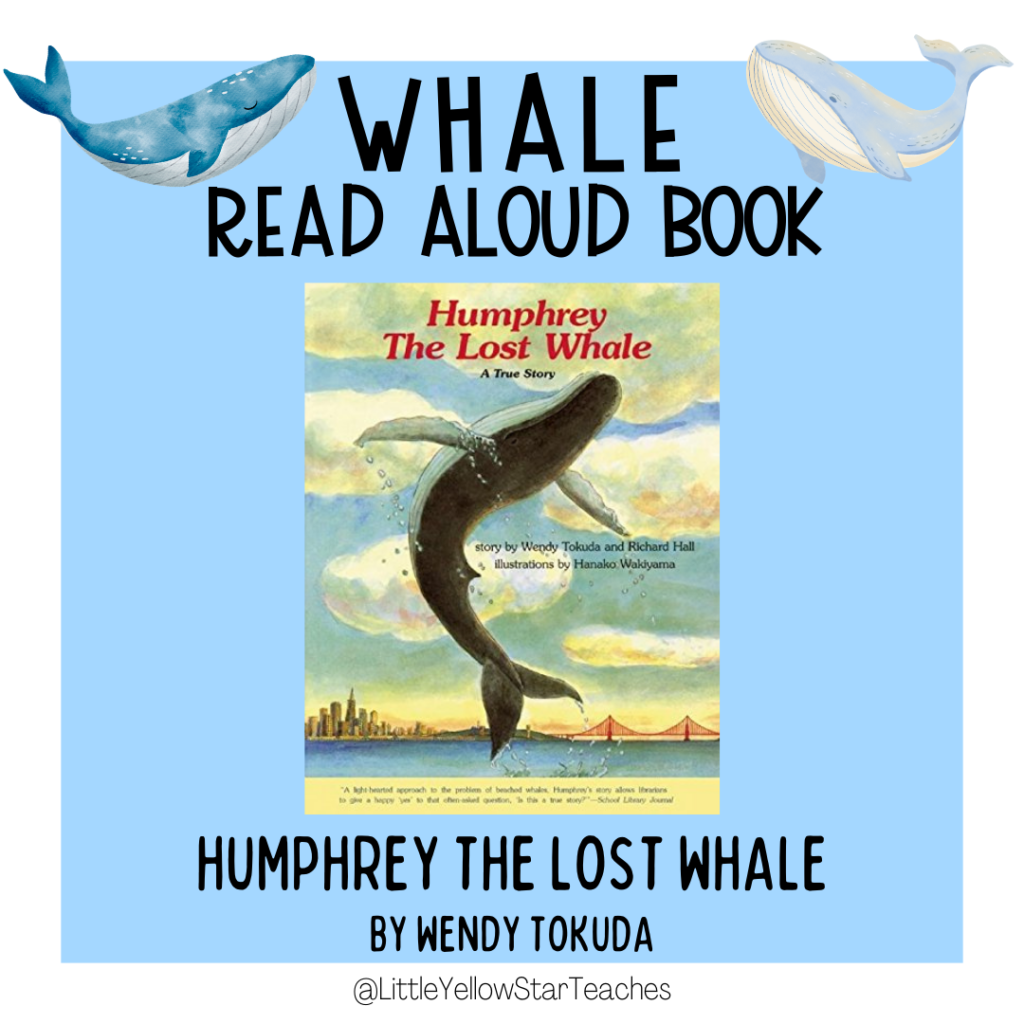
#10 Humphrey the Lost Whale by Wendy Tokuda
Based on a true story, this book tells how a humpback whale accidentally swam into San Francisco Bay and needed help finding his way back to the ocean. It highlights teamwork and the power of people working together to help wildlife.
Activity Idea: Create a timeline showing Humphrey’s journey back to the ocean.
Discussion Questions:
• Why did Humphrey get lost?
• How did people help him?
• Why is protecting wildlife important?
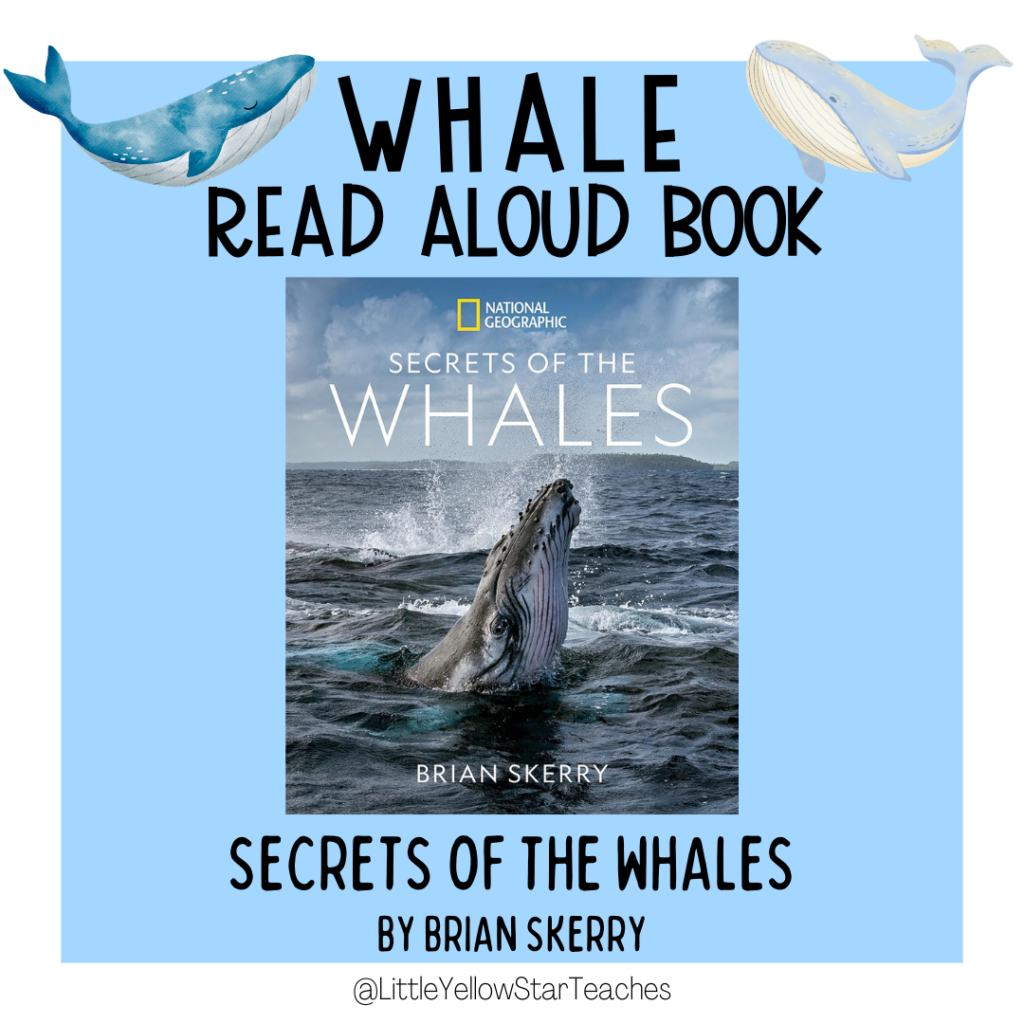
#11 Secrets of the Whales by Brian Skerry
Inspired by the National Geographic series, this book explores the intelligence, communication, and family bonds of whales. Stunning photography and fascinating facts reveal the hidden lives of these majestic ocean giants.
Activity Idea: Create a “Whale Research Poster” highlighting one species.
Discussion Questions:
• What surprised you about whale behavior?
• How do whales communicate with each other?
• Why should we protect the oceans?
Grab these free resources to make your teaching life easier!

What Whale Book(s) Are You Going To Read Later?
Whale books for kids open the door to the fascinating world beneath the waves. They inspire curiosity about marine life, teach respect for nature, and encourage children to explore the wonders of our oceans.
Which whale story will you read next? Tag me on Instagram @LittleYellowStarTeaches and share your favorite ocean-themed reads or creative whale crafts.
Happy reading!
Prima at LittleYellowStar
* * *
Other Blog Posts That You Might Enjoy:
- 15 Minutes Daily Social And Emotional Learning Activities For The Classroom (SEL Made Easy)
- How To Offer Growth Mindset Praise Effectively
- 3 Activities To Introduce Growth Mindset