Snowy Adventures and Stories from the Arctic
Polar bears are some of the most fascinating animals on Earth. With their thick white fur, powerful paws, and icy Arctic homes, these incredible creatures capture children’s curiosity right away. Polar bear books give kids a chance to explore snowy landscapes while learning about wildlife, survival, and the beauty of the natural world.
In this post, I’m sharing why polar bear books are wonderful additions to your child’s bookshelf. I’ve also included engaging activities and thoughtful questions to help children dive deeper into these Arctic adventures.
***Disclosure: This post contains an Amazon affiliate link that at no additional cost to you, I may earn a small commission when you purchase through the link from my blog. Thank you for your support!
Table of Content
- Why Read Books About Polar Bears?
- The Role of Books in Teaching Kids about Polar Bears
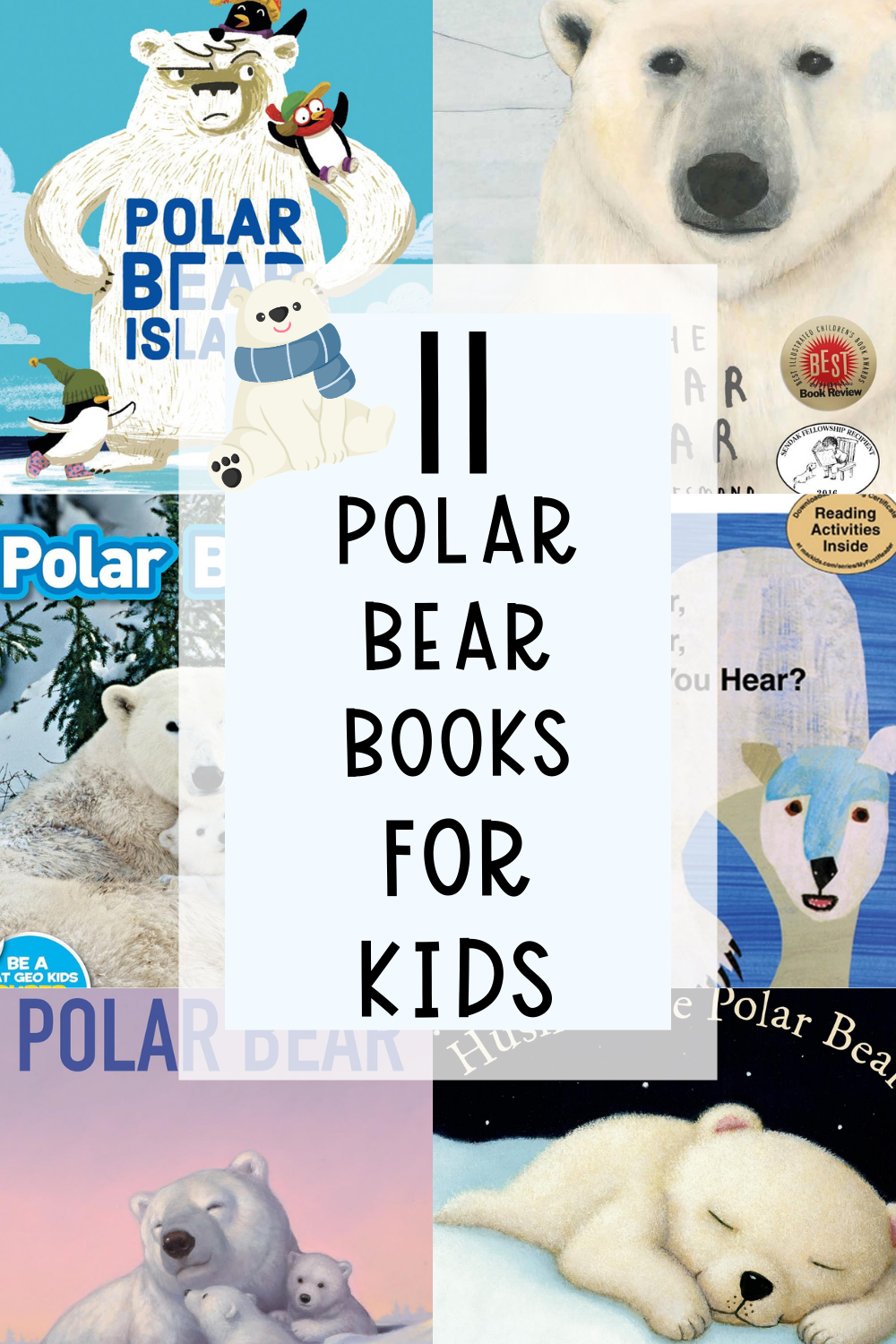
- 11 Polar Bear Books For Children
- What Polar Bear Book(s) Are You Going To Read Later?
Why Read Books About Polar Bears?
Polar bear books introduce children to amazing animals and the environments they live in.
Through stories and nonfiction texts, kids learn how polar bears survive in extremely cold conditions, hunt for food, and care for their cubs. These books also help children understand how animals adapt to their habitats and why protecting nature is important.
Polar bear stories often highlight themes of bravery, resilience, and caring for the world around us.
The Role of Books in Teaching Kids about Polar Bears
Books about polar bears combine science learning with storytelling.
Children can discover facts about Arctic ecosystems, sea ice habitats, and how polar bears interact with their environment. Many stories also explore family bonds between polar bear mothers and cubs, which helps children understand nurturing and protection in the animal world.
These books encourage curiosity about animals and inspire respect for wildlife.
How to Use Books about Polar Bears with Children
Here are some fun ways to extend polar bear learning:
- ❄️ Ask Open-Ended Questions: After reading, ask: How do polar bears stay warm in the cold? or What challenges might a polar bear face in the Arctic? These questions help children think about animal adaptations and habitats.
- 🎨 Engage in Polar Bear-Themed Activities: Create cotton-ball polar bear crafts, build an Arctic habitat diorama, or experiment with a “blubber glove” activity to see how animals stay warm in icy water.
- 📚 Refer Back to the Books: During science lessons, say: Remember how the polar bear in the story needed sea ice to hunt? That’s part of its habitat. Connecting stories to science deepens understanding.
- 👨👩👧 Involve Other Caregivers: Encourage families to read polar bear stories together and explore Arctic animals through documentaries, drawing activities, or visits to the zoo.

11 Polar Bear Books For Children
Younger Children (Ages 3-6)
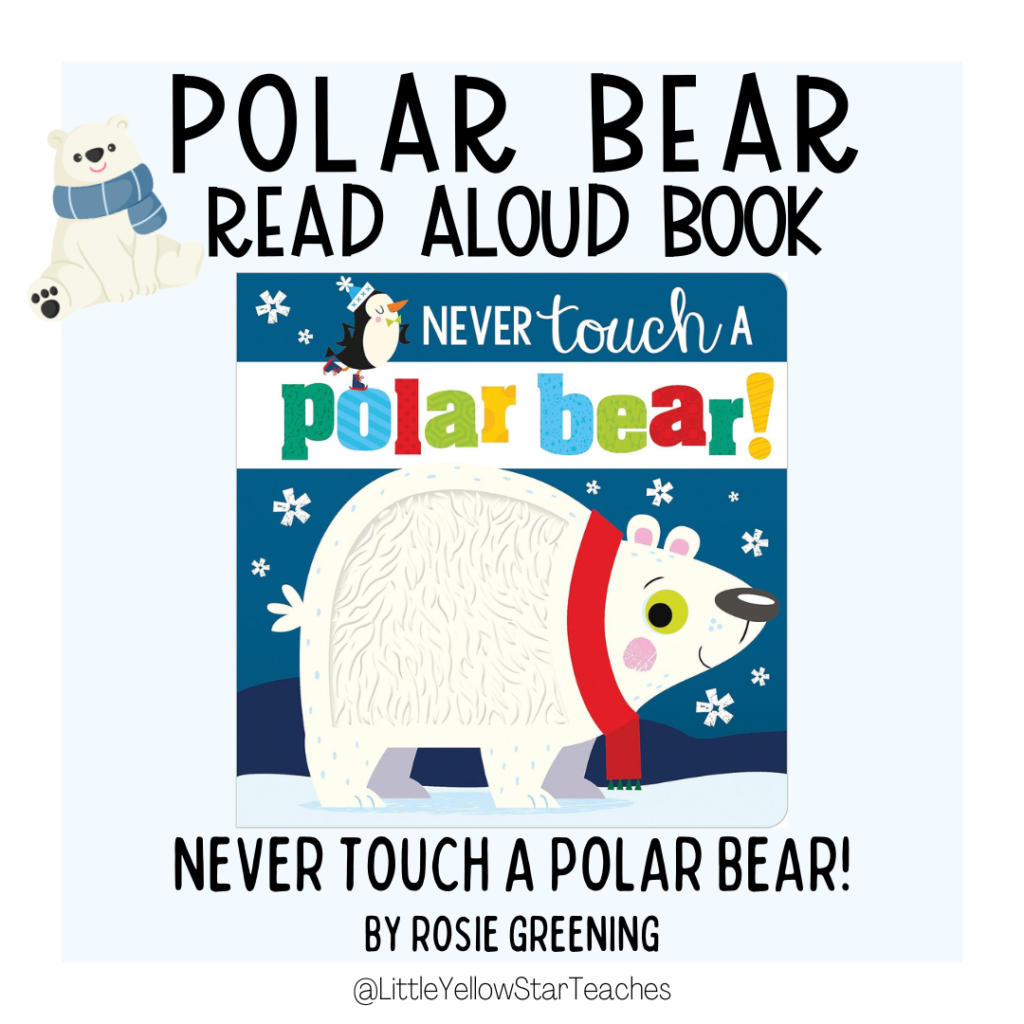
#1 Never Touch a Polar Bear! by Rosie Greening
This playful interactive board book invites little readers to break the rule in the title! Each page features fun rhymes and textured patches to touch, making it a sensory adventure through a snowy polar world filled with adorable arctic animals.
Activity Idea: Create a sensory “arctic touch board” using cotton balls, felt, and textured paper.
Discussion Questions:
• Why do you think the book says not to touch a polar bear?
• Which texture felt the most like snow or fur?
• What animals live in the Arctic?
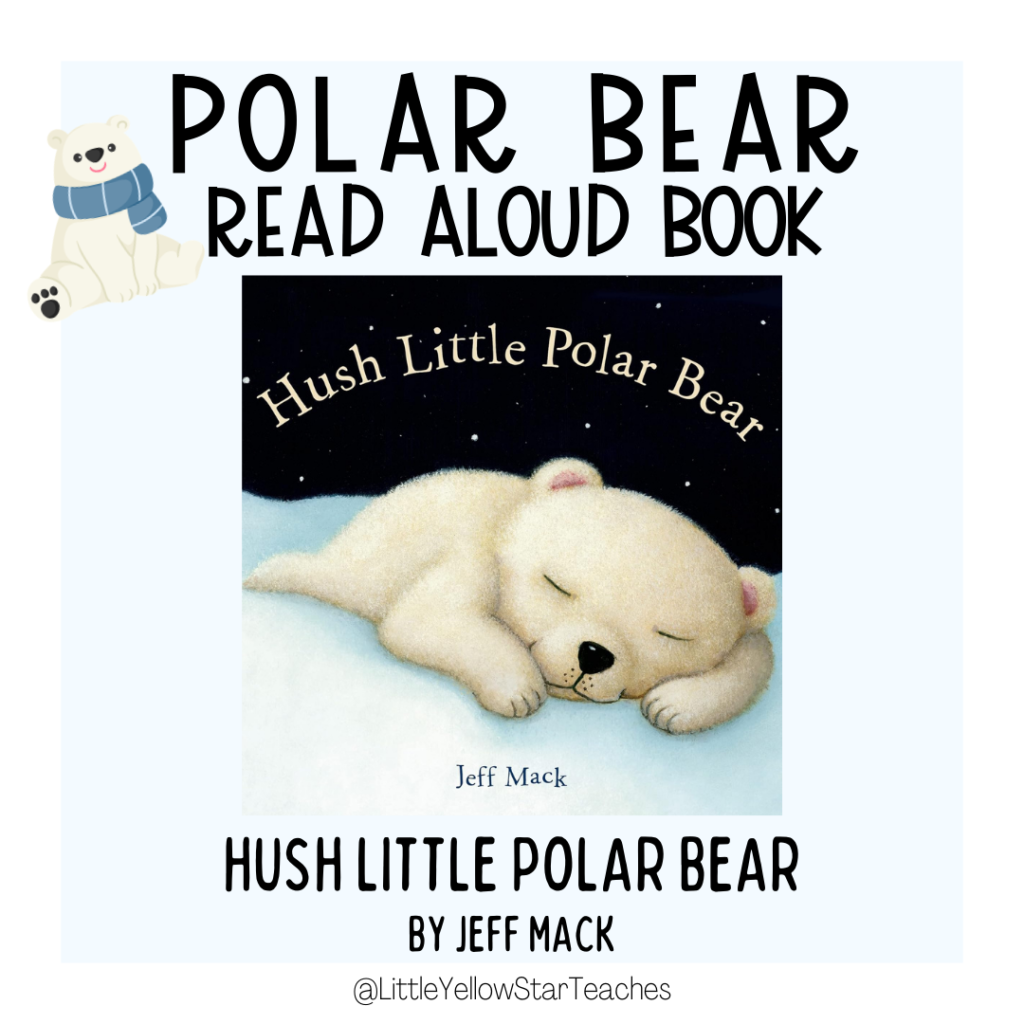
#2 Hush Little Polar Bear by Jeff Mack
A sweet bedtime story following a curious little polar bear who explores the snowy Arctic while the northern lights glow above. Gentle rhymes and soothing illustrations make it perfect for winding down at the end of the day.
Activity Idea: Paint or draw the northern lights using watercolor or chalk pastels.
Discussion Questions:
• Where did the little polar bear travel?
• What makes nighttime in the Arctic special?
• What helps you get ready for sleep?
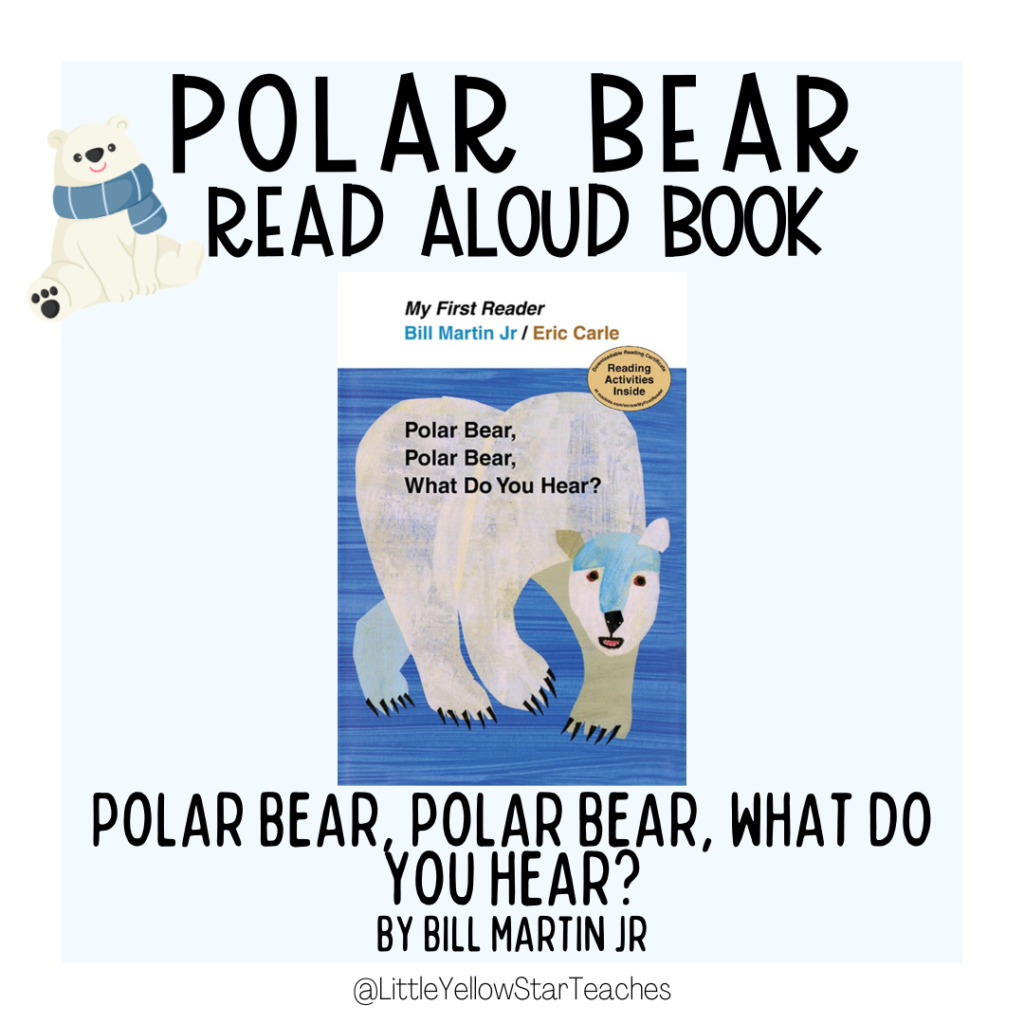
#3 Polar Bear, Polar Bear, What Do You Hear? by Bill Martin Jr.
This rhythmic classic introduces children to animals and the sounds they make. With Eric Carle’s bold illustrations and a repeating question-and-answer pattern, the story invites kids to participate in reading aloud.
Activity Idea: Play an “animal sound” guessing game using pictures of animals.
Discussion Questions:
• What sounds did the animals make?
• Which animal sound surprised you?
• Can you make your own animal sound story?

Lower Elementary Children (Ages 7-9)
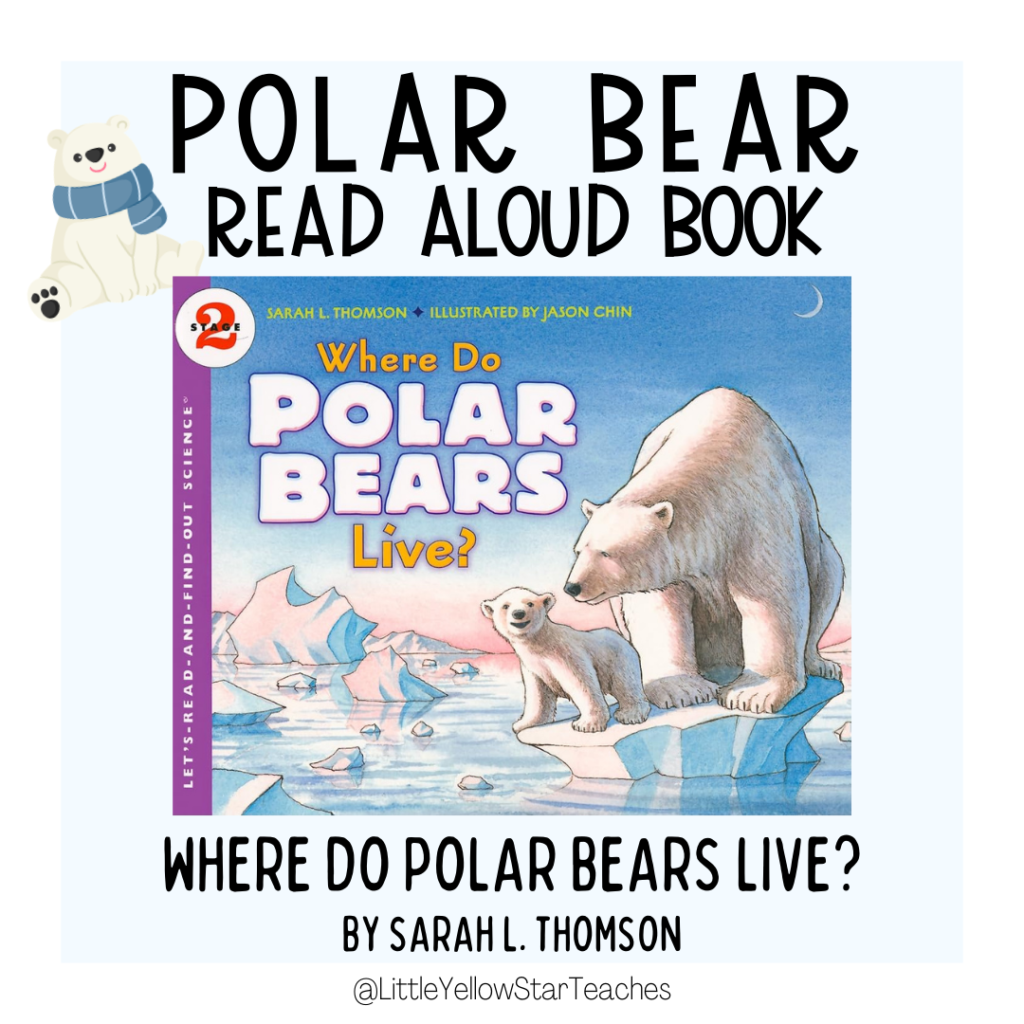
#4 Where Do Polar Bears Live? by Sarah L. Thomson
A beginner-friendly nonfiction book that introduces young readers to the Arctic habitat of polar bears. It explains how these amazing animals survive in icy environments and why their habitat is important.
Activity Idea: Build a simple Arctic habitat model using cotton, paper icebergs, and toy animals.
Discussion Questions:
• Where do polar bears live?
• What helps them stay warm?
• Why is protecting their habitat important?
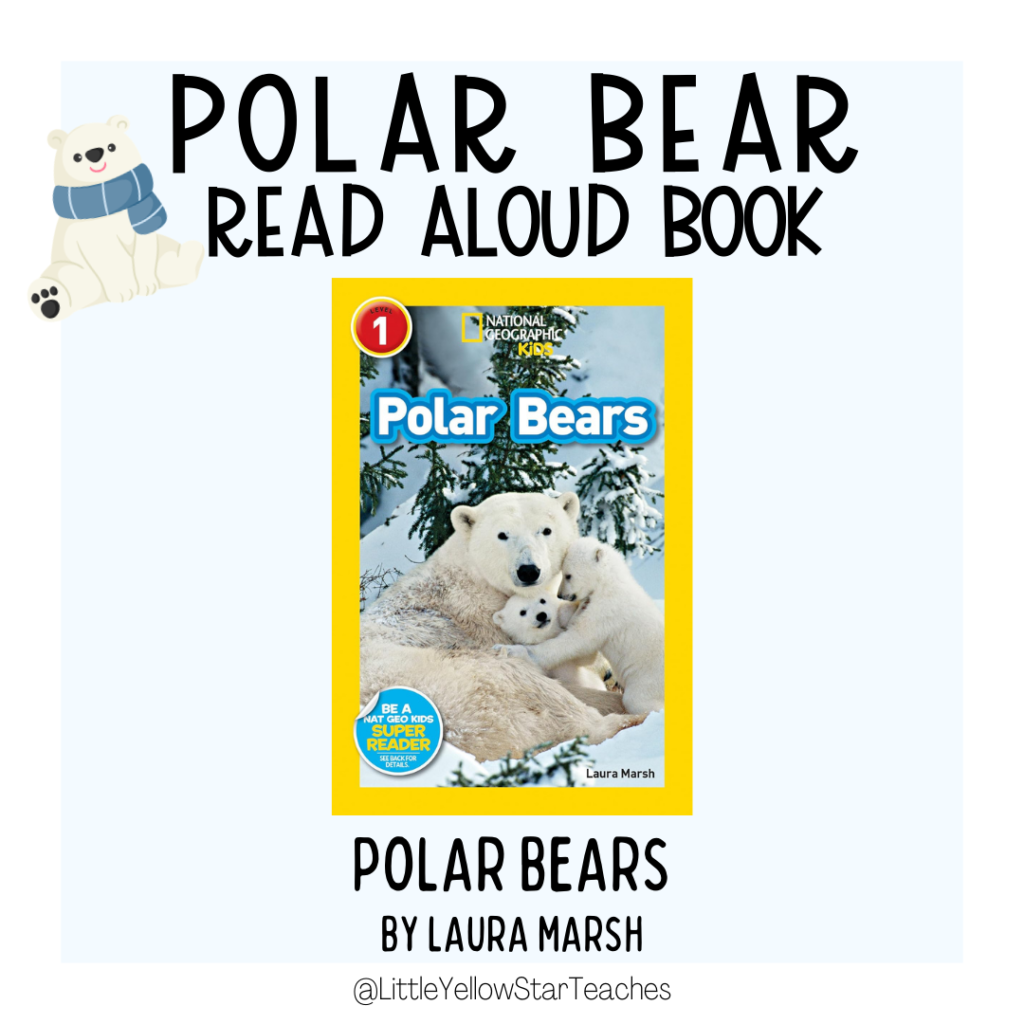
#5 Polar Bears by Laura Marsh
Part of the National Geographic Kids series, this informative book is packed with real photos and fascinating facts about polar bears. Young readers learn about their hunting skills, cubs, and life in the Arctic.
Activity Idea: Create a “Polar Bear Fact Poster” with three things you learned.
Discussion Questions:
• What do polar bears eat?
• How do polar bear cubs grow?
• What makes polar bears great swimmers?
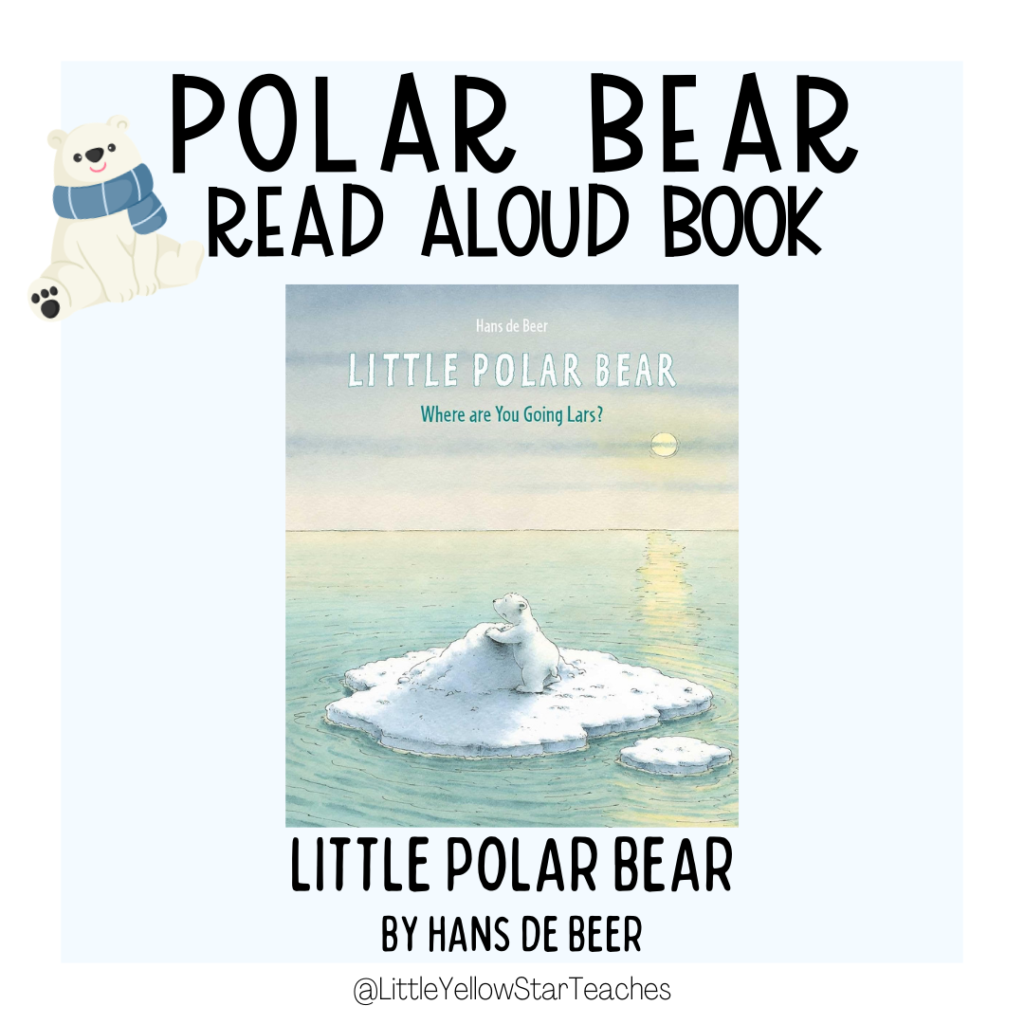
#6 Little Polar Bear by Hans de Beer
This beloved classic follows Lars, a curious polar bear cub who gets separated from home and travels across the Arctic. Along the way, he meets new animal friends and discovers the importance of courage and friendship.
Activity Idea: Draw a map showing the places Lars traveled.
Discussion Questions:
• What challenges did Lars face?
• Who helped him on his journey?
• What makes a good friend?
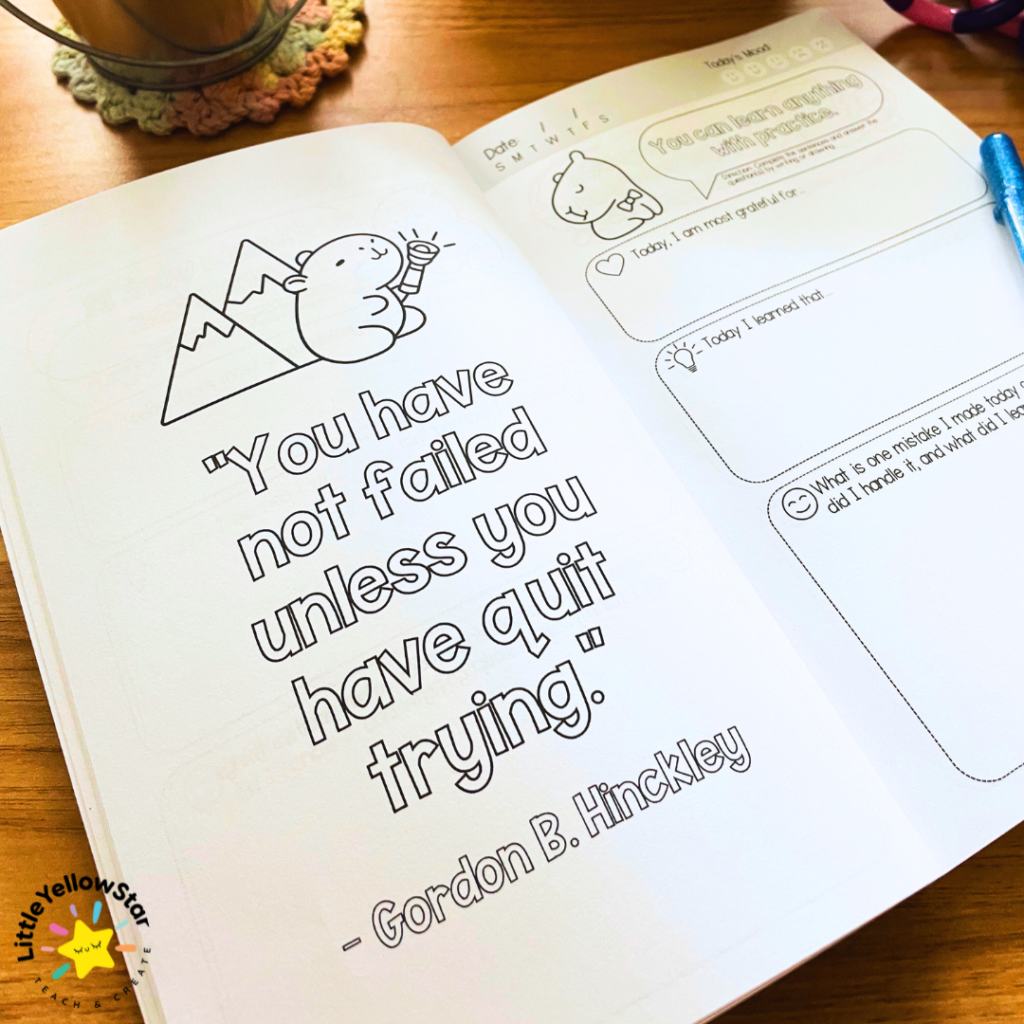
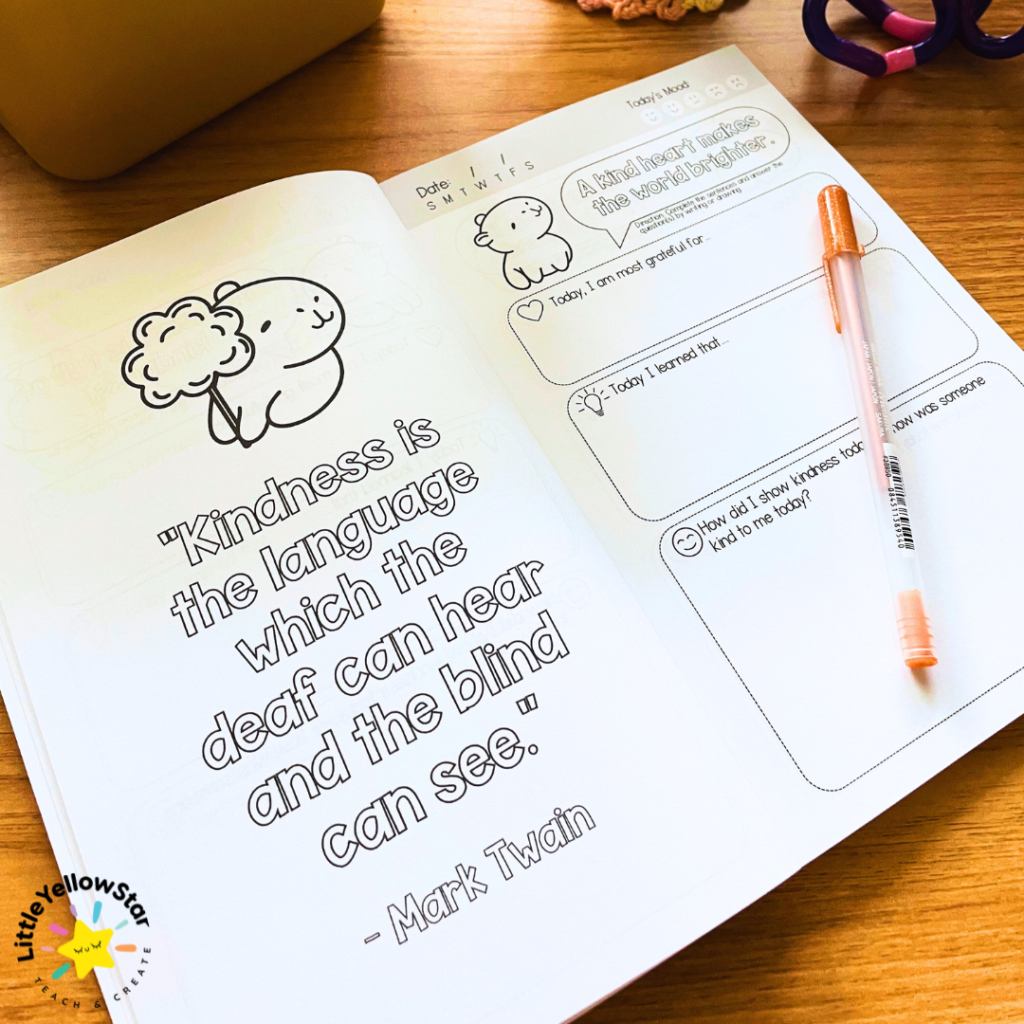
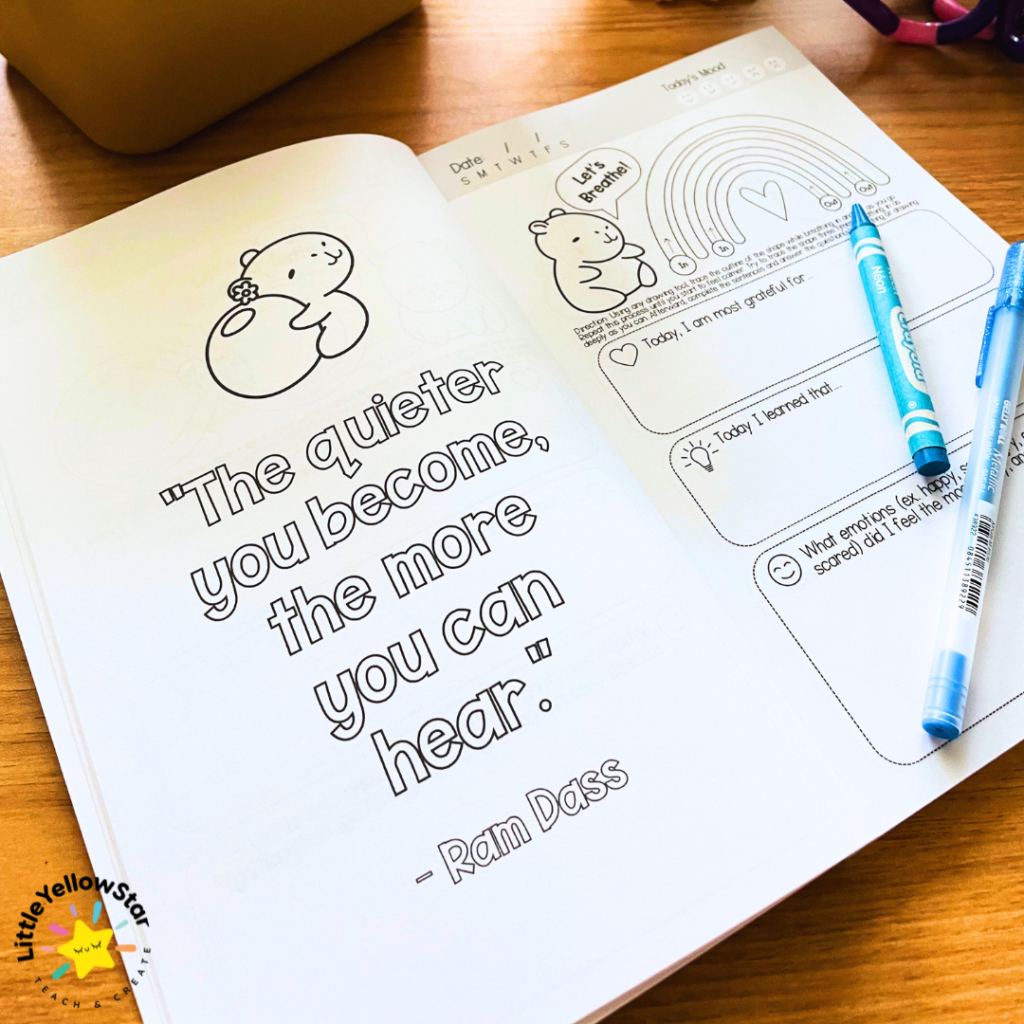
Check Out Capybara-Theme Daily Reflection Journals For Kids!
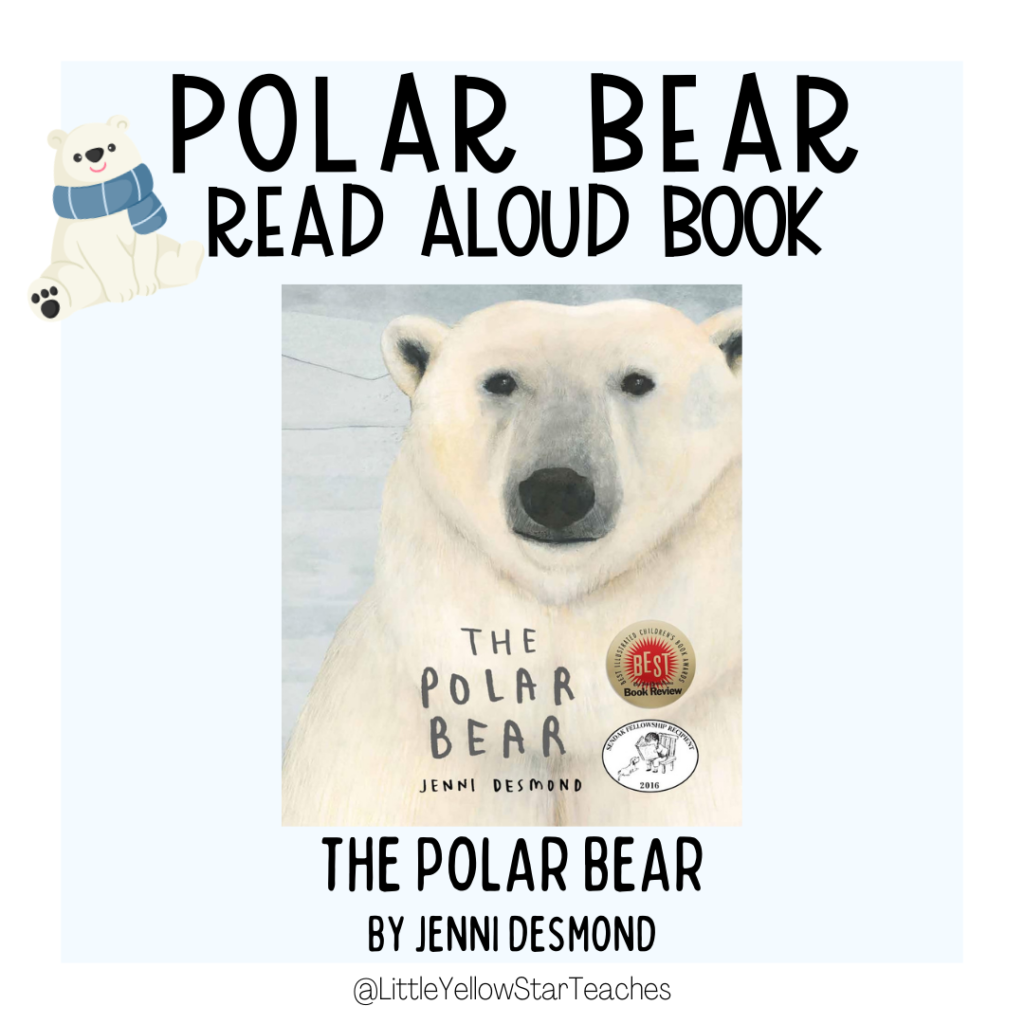
#7 The Polar Bear by Jenni Desmond
This beautifully illustrated nonfiction picture book follows a child imagining life as a polar bear. Through stunning artwork and fascinating facts, readers learn about the size, strength, and survival skills of these Arctic giants.
Activity Idea: Compare human size to a polar bear using measurements or drawings.
Discussion Questions:
• What surprised you about polar bears?
• How big are they compared to humans?
• What helps them survive in cold places?
Upper Elementary Children (Ages 9-11)
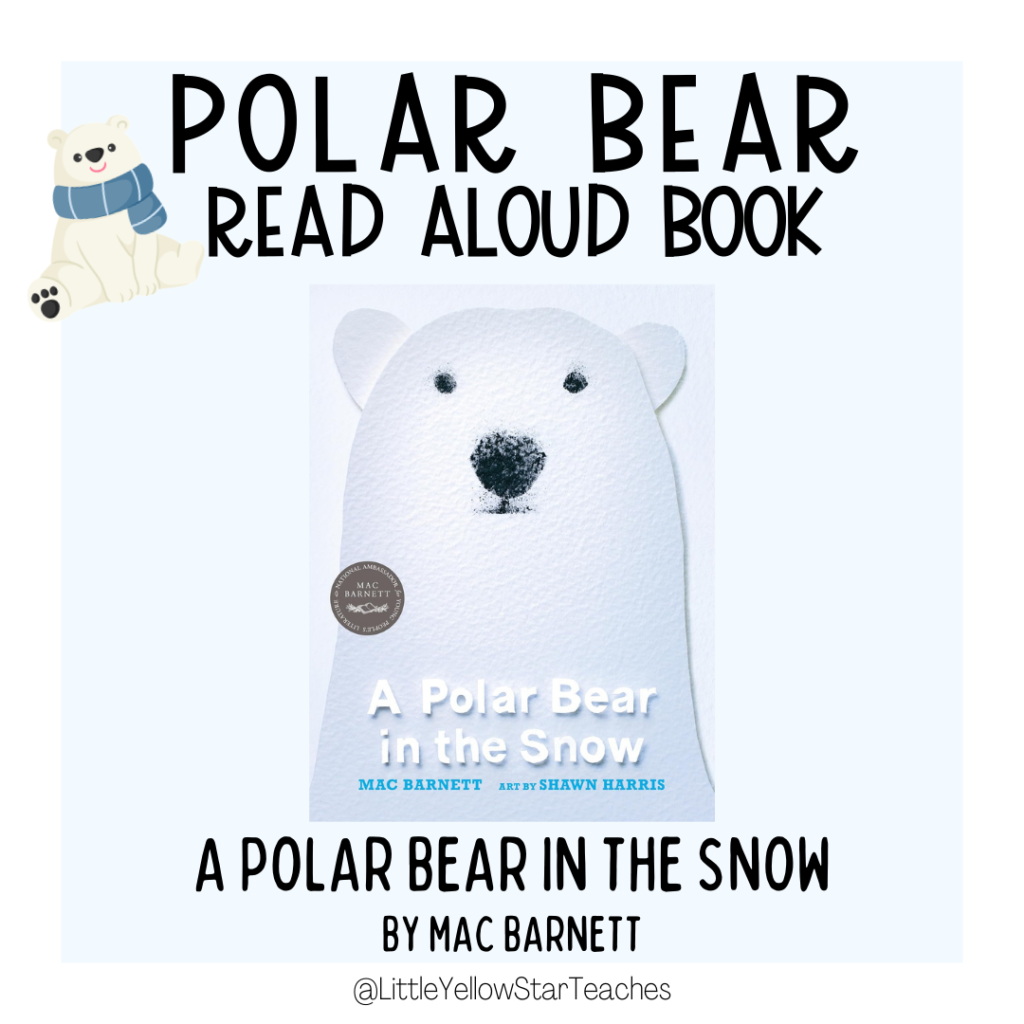
#8 A Polar Bear in the Snow by Mac Barnett
With simple text and striking illustrations, this story quietly follows a polar bear moving through a snowy Arctic landscape. The poetic pacing allows readers to slow down and observe the beauty of nature.
Activity Idea: Create a snowy landscape painting using white paint on blue paper.
Discussion Questions:
• What was the polar bear doing in the snow?
• How did the illustrations show movement?
• What animals live in snowy environments?
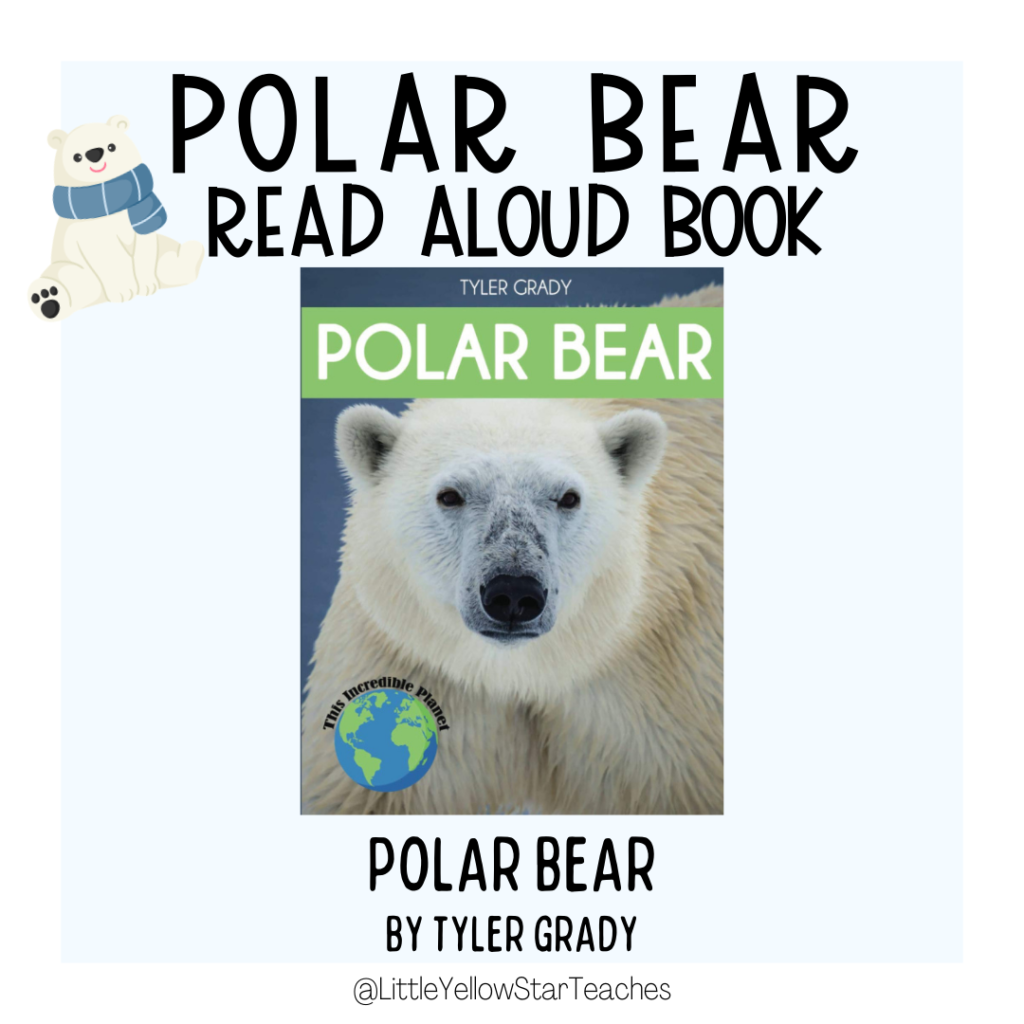
#9 Polar Bear by Tyler Grady
This educational book introduces young readers to the physical features, behavior, and Arctic habitat of polar bears. Clear explanations and engaging visuals make it a great early science read.
Activity Idea: Label the parts of a polar bear’s body and discuss how each helps it survive.
Discussion Questions:
• What special features do polar bears have?
• How do they hunt for food?
• Why do they need sea ice?

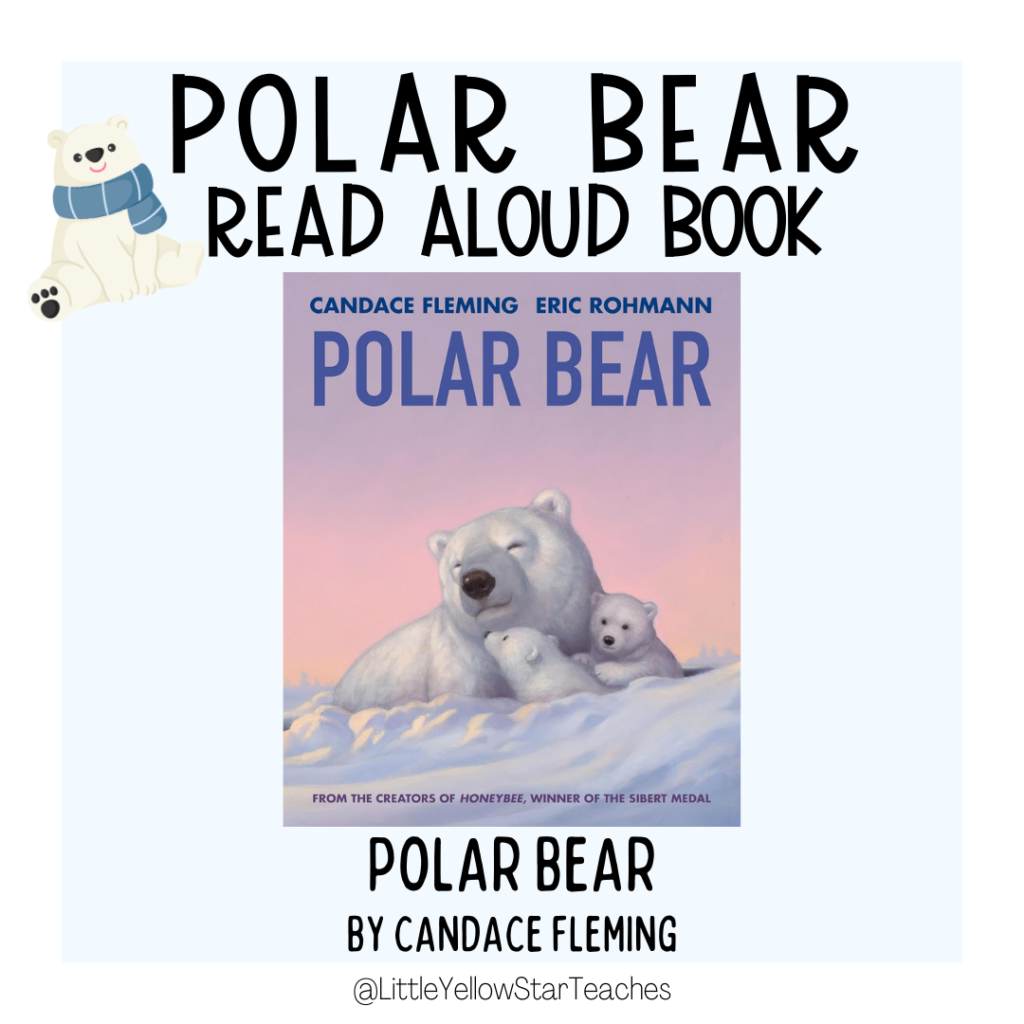
#10 Polar Bear by Candace Fleming
This nonfiction narrative follows a polar bear mother and her cubs through the seasons of the Arctic. Readers see how they hunt, travel, and survive in a challenging environment while learning about the fragile Arctic ecosystem.
Activity Idea: Create a seasonal chart showing how animals survive winter.
Discussion Questions:
• How does the mother care for her cubs?
• What challenges do polar bears face?
• Why is sea ice important?
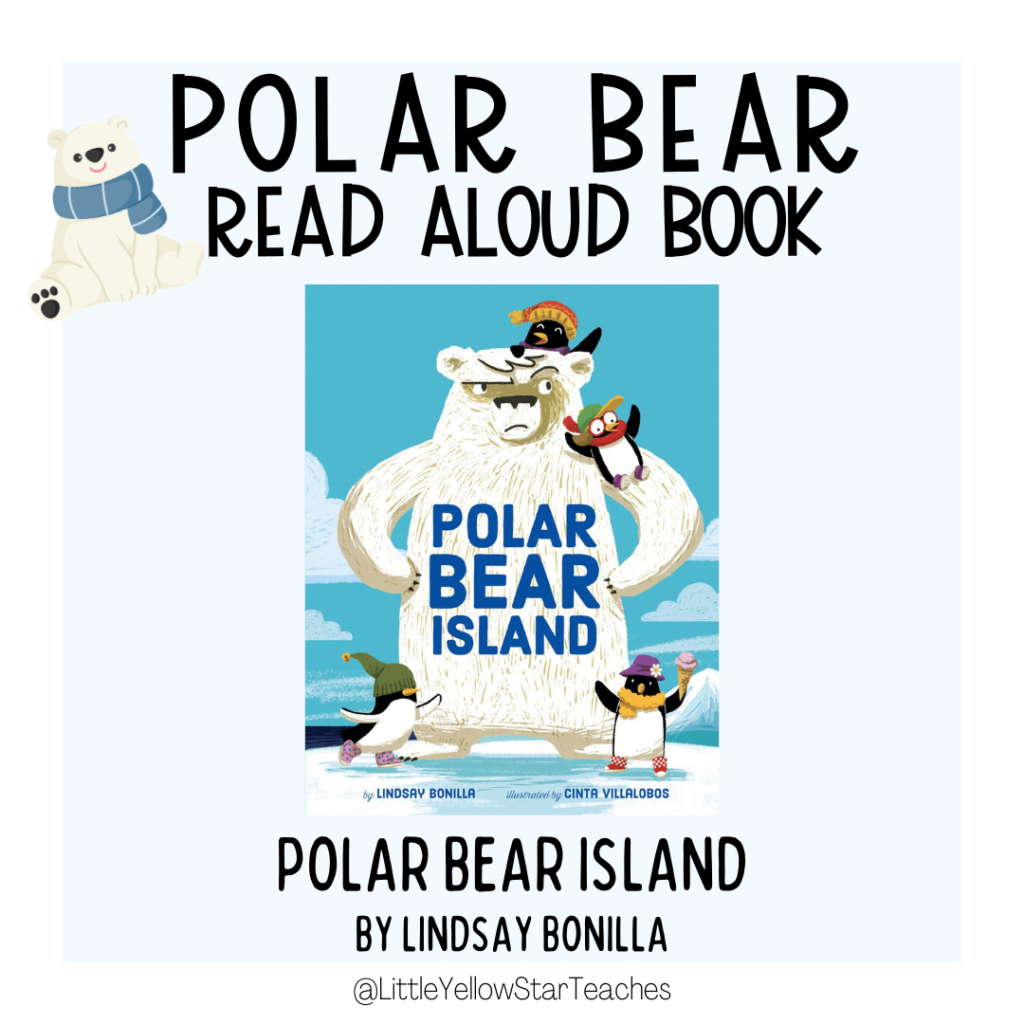
#11 Polar Bear Island by Lindsay Bonilla
When polar bears find themselves stranded on a shrinking piece of ice, they must learn to share space and work together. This story blends humor and heart while introducing themes of cooperation and environmental awareness.
Activity Idea: Build a “polar bear island” using craft materials and talk about teamwork.
Discussion Questions:
• Why did the bears need to cooperate?
• What problems did they face?
• How can teamwork help solve problems?
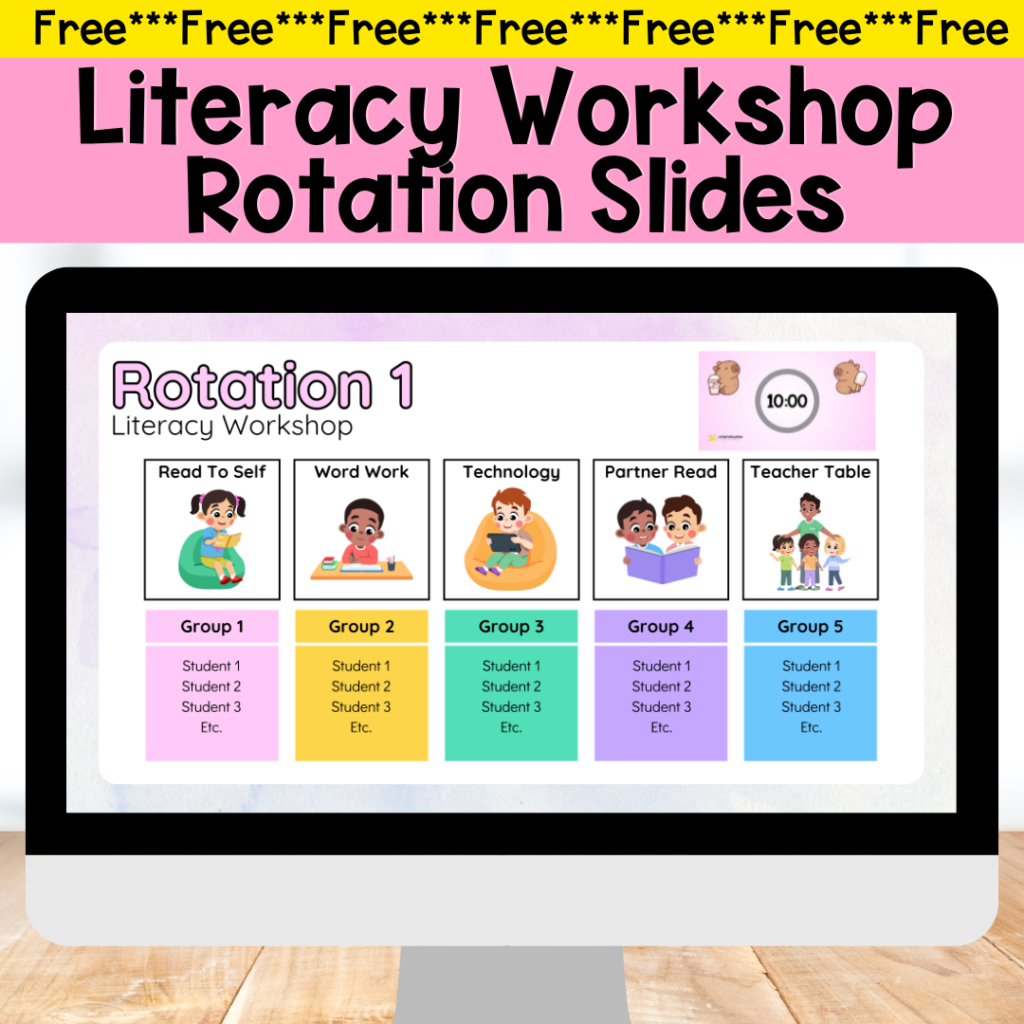
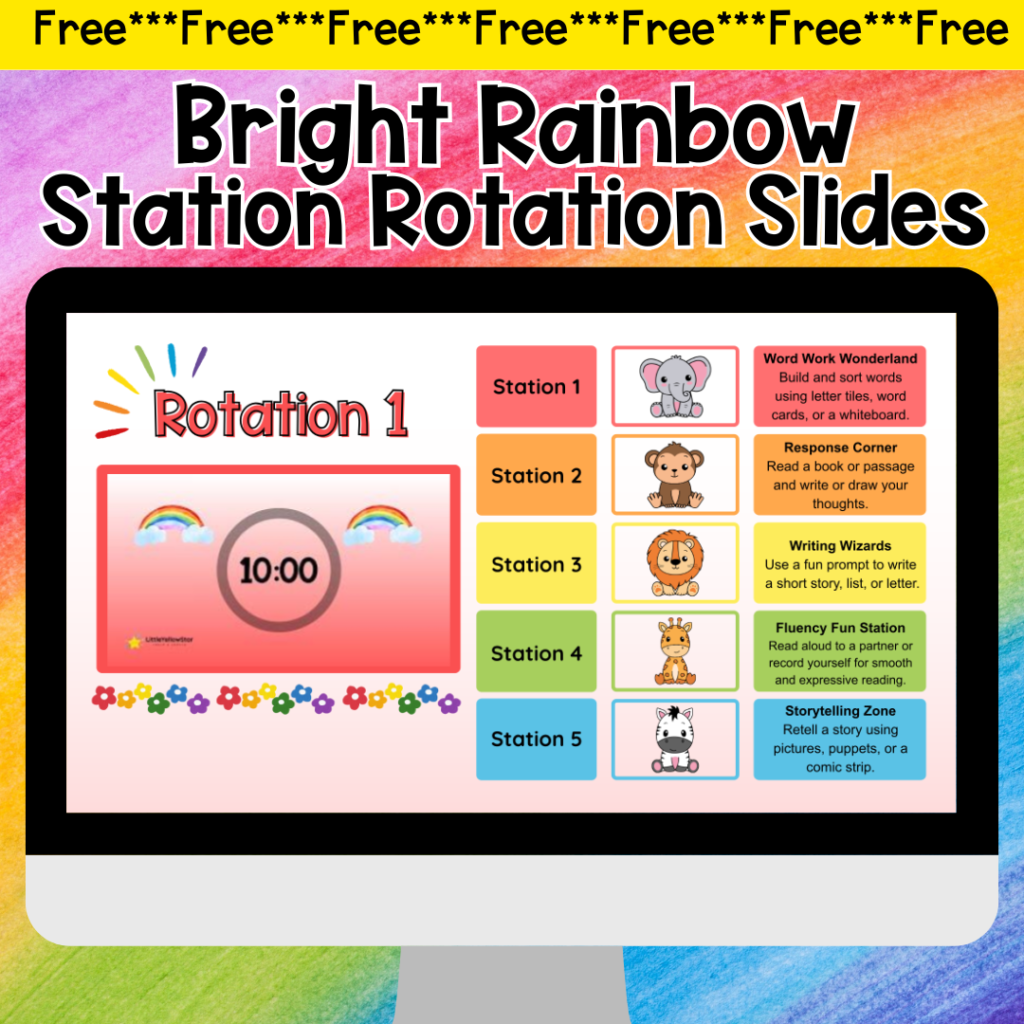
Grab these free resources to make your teaching life easier!

What Polar Bear Book(s) Are You Going To Read Later?
Polar bear books for kids open the door to Arctic exploration, wildlife learning, and meaningful conversations about nature. These snowy stories inspire curiosity and help children appreciate the incredible animals that share our planet.
Which polar bear story will you read next? Tag me on Instagram @LittleYellowStarTeaches and share your favorite Arctic crafts, discoveries, or storytime moments.
Happy reading!
Prima at LittleYellowStar
* * *
Other Blog Posts That You Might Enjoy:
- 15 Minutes Daily Social And Emotional Learning Activities For The Classroom (SEL Made Easy)
- How To Offer Growth Mindset Praise Effectively
- 3 Activities To Introduce Growth Mindset