Nighttime Adventures with Nature’s Flying Mammals
Bats are some of the most fascinating creatures of the night. With their ability to fly, navigate in the dark, and help control insect populations, bats are incredible animals that spark curiosity in children. Bat books give kids the chance to explore the nighttime world while learning about these unique flying mammals.
In this post, I’m sharing why bat books are wonderful additions to your child’s bookshelf. I’ve also included engaging activities and discussion questions to help children discover the amazing role bats play in nature.
***Disclosure: This post contains an Amazon affiliate link that at no additional cost to you, I may earn a small commission when you purchase through the link from my blog. Thank you for your support!
Table of Content
- Why Read Books About Bats?
- The Role of Books in Teaching Kids about Bats
- How To Use Books About Bats With Children
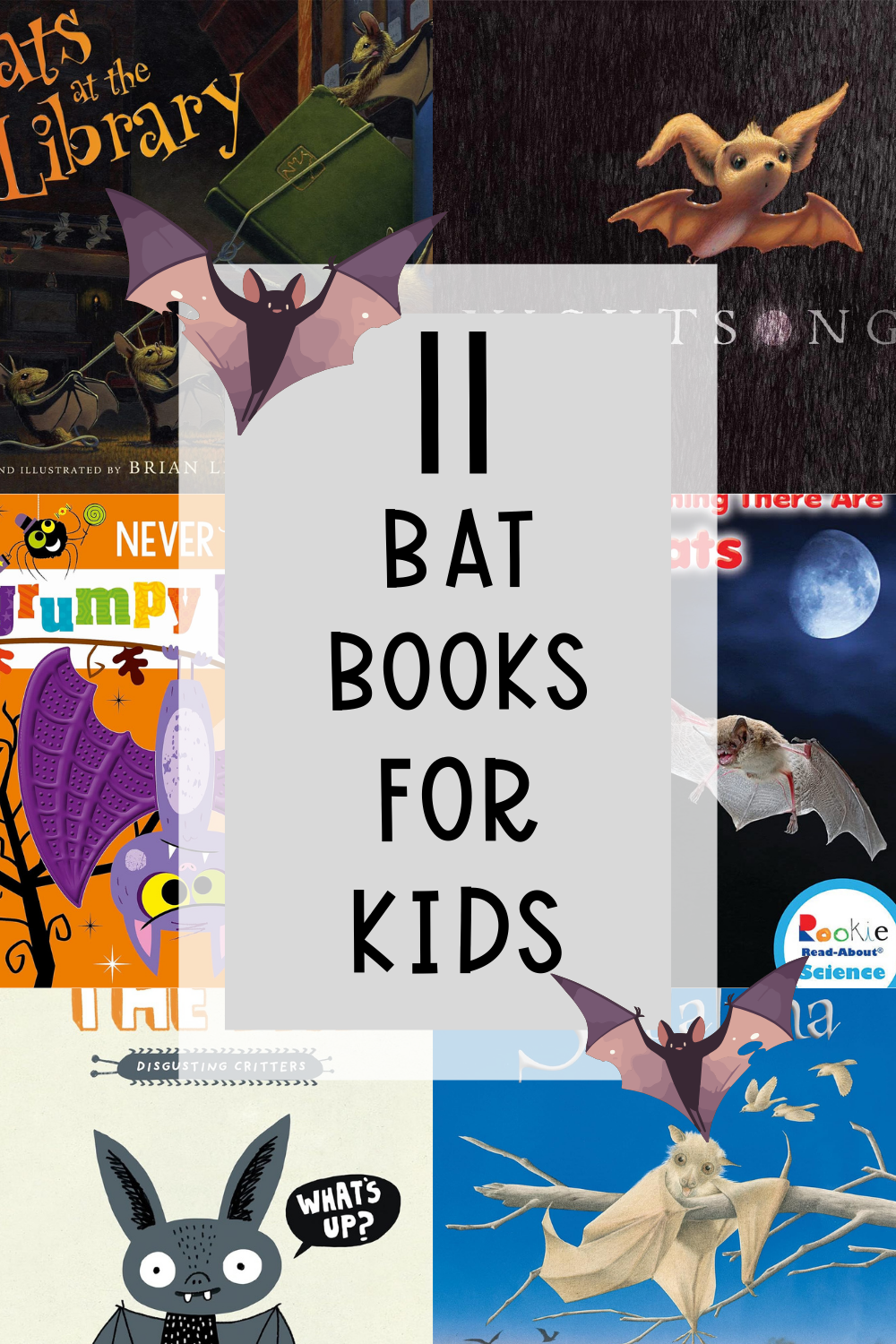
- 11 Bat Books For Children
- What Bat Book(s) Are You Going To Read Later?
Why Read Books About Bats?
Bat books introduce children to one of the most unique animals in the animal kingdom.
Unlike birds, bats are mammals that fly using wings made of stretched skin. Through stories and nonfiction books, kids can learn about how bats sleep upside down, use echolocation to find food, and live in caves, forests, and even city buildings.
These books help children see that animals that may seem mysterious or spooky are actually important and fascinating parts of nature.
The Role of Books in Teaching Kids about Bats
Books about bats help children explore science concepts like habitats, echolocation, and ecosystems.
Young readers learn how bats help control insect populations and pollinate certain plants. Bat stories can also introduce the idea that animals are often misunderstood and deserve protection.
These books encourage curiosity about nocturnal animals and the important role they play in the environment.
How to Use Books about Bats with Children
Here are some fun ways to extend bat-themed learning:
- 🦇 Ask Open-Ended Questions: After reading, ask: How do bats find food in the dark? or Why do bats sleep upside down?
- 🌙 Engage in Bat-Themed Activities: Create a bat craft with paper wings, play an echolocation listening game, build a simple bat cave using cardboard, or explore nocturnal animals through a nighttime observation activity.
- 📚 Refer Back to the Books: During science lessons, say: Remember how bats use echolocation to find insects? That helps them survive in the dark.
- 👨👩👧 Involve Other Caregivers: Encourage families to read bat books together before visiting a nature center, watching wildlife documentaries, or learning more about nighttime animals.

11 Bat Books For Children
Younger Children (Ages 3-6)
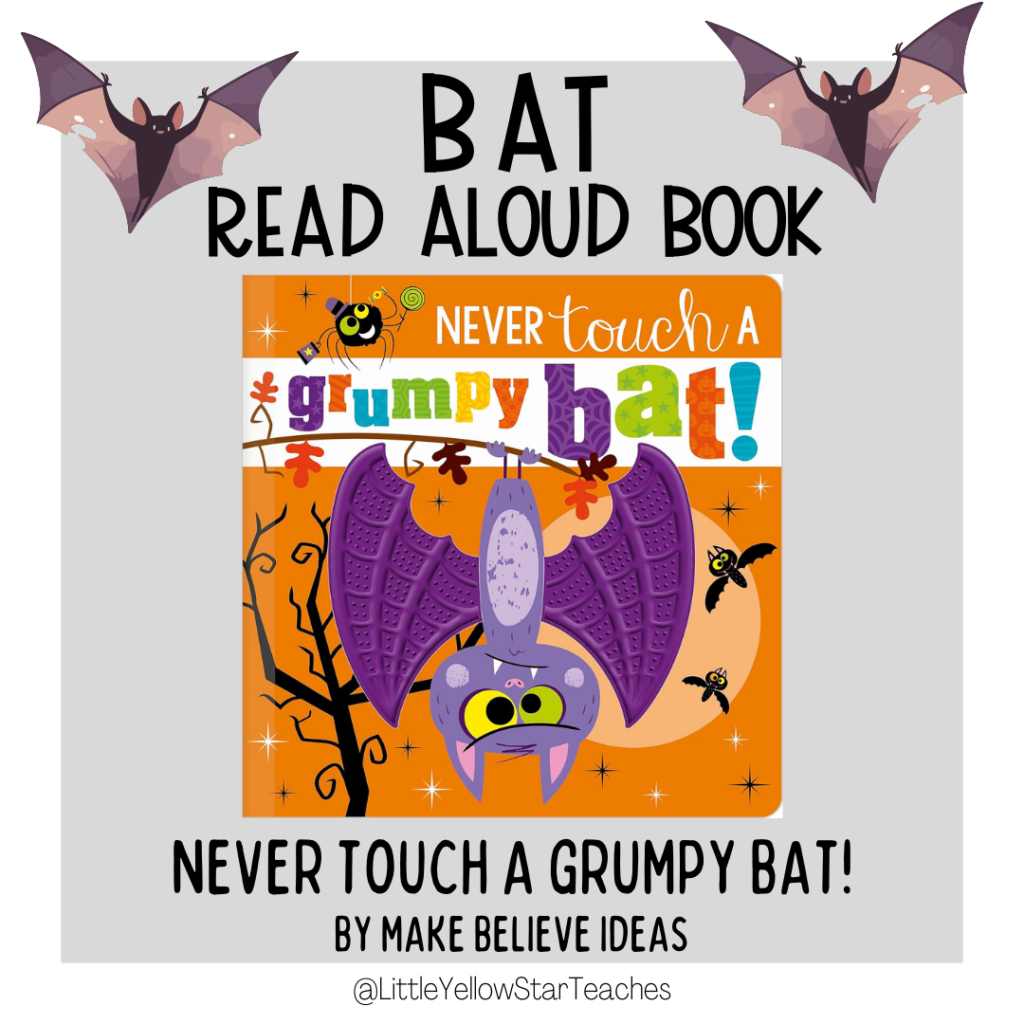
#1 Never Touch a Grumpy Bat! by Make Believe Ideas
This playful touch-and-feel board book warns readers never to touch a grumpy bat—but curious readers can’t resist! Each page features different textured animals and silly rhymes that make this an engaging sensory reading experience for young children.
Activity Idea: Create a sensory “bat wing” craft using different textured materials.
Discussion Questions:
• Why might the bat be grumpy?
• What textures did you feel in the book?
• What other animals might live at night?
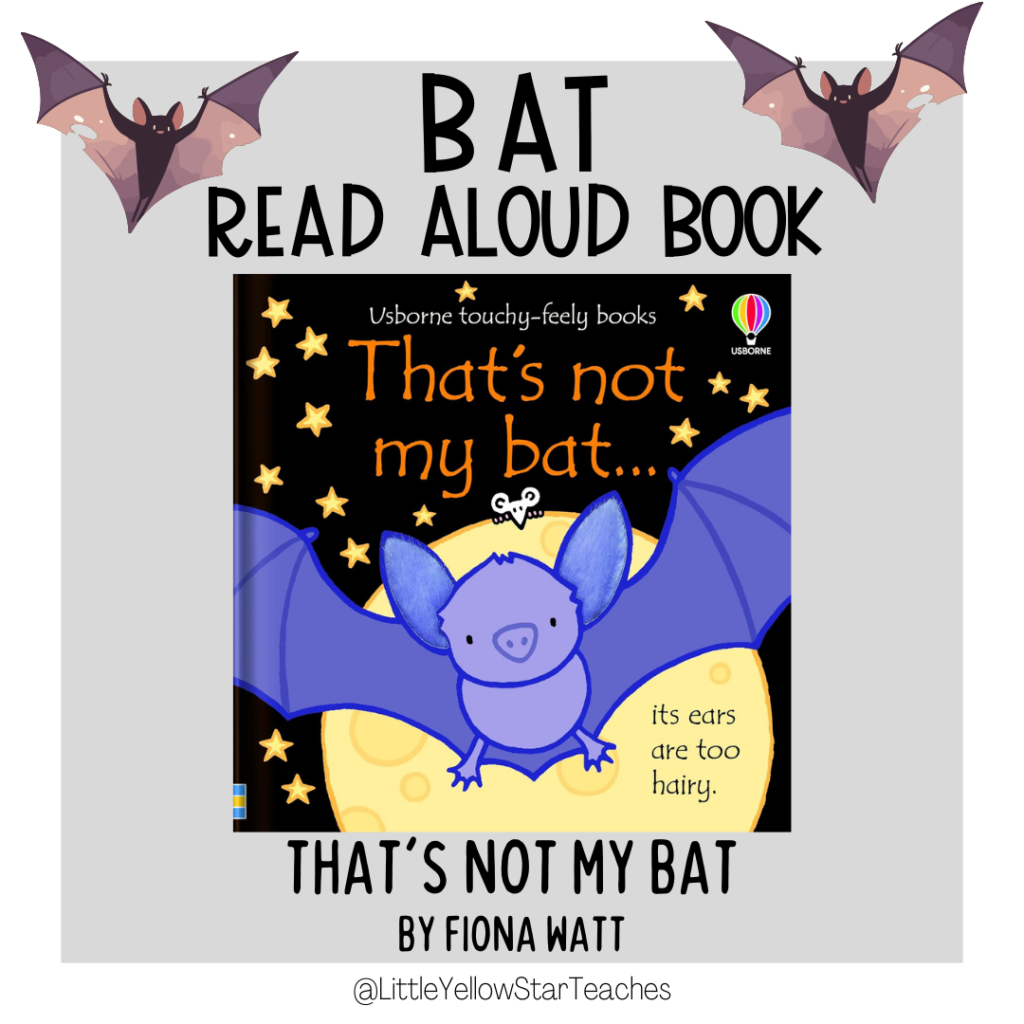
#2 That’s Not My Bat by Fiona Watt
Part of the popular That’s Not My… series, this interactive board book invites toddlers to explore different bats through touch-and-feel patches. Each page introduces a new bat with different textures until readers find the “right” one.
Activity Idea: Create a matching game with different bat shapes and textures.
Discussion Questions:
• What textures did you notice?
• How are the bats different from each other?
• What makes a bat unique?
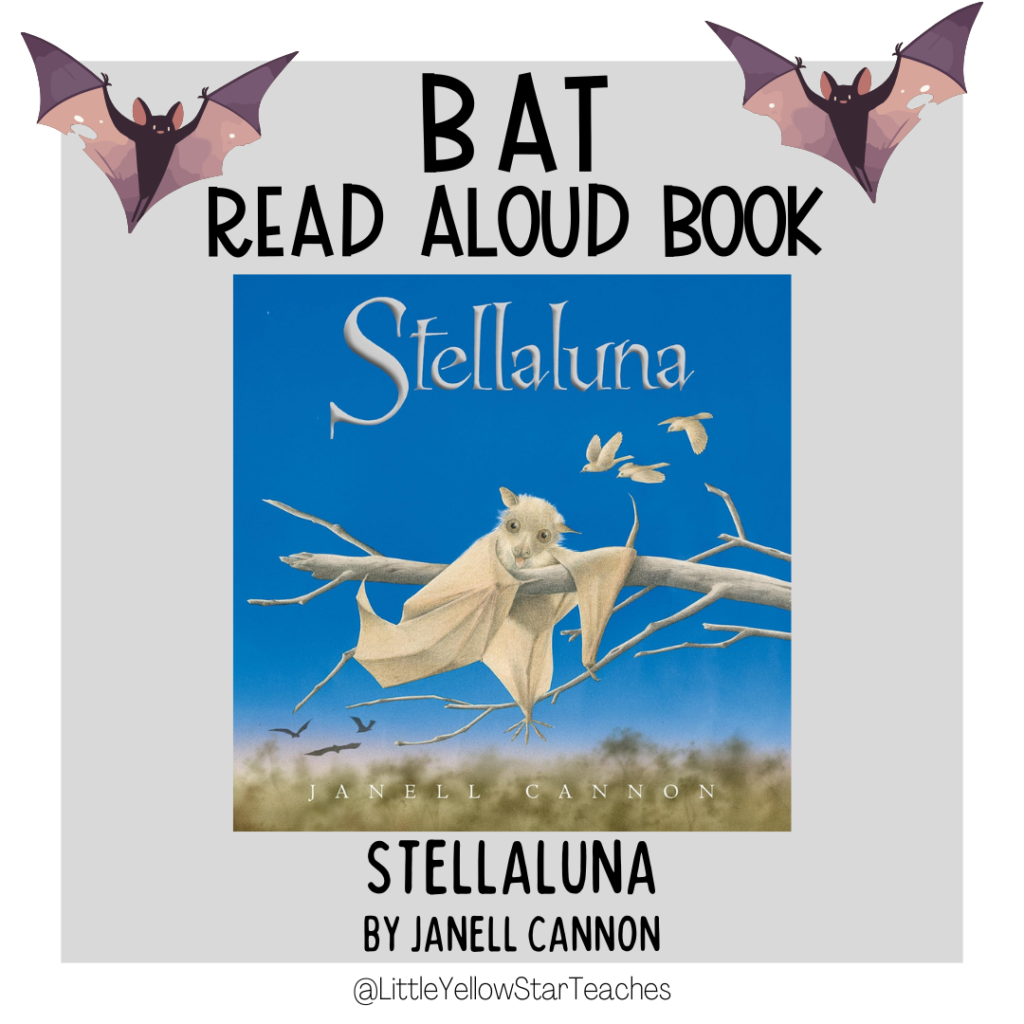
#3 Stellaluna by Janell Cannon
This beloved classic tells the story of Stellaluna, a young fruit bat who becomes separated from her mother and raised by birds. As she grows, Stellaluna learns about friendship, identity, and accepting differences.
Activity Idea: Compare bats and birds using a Venn diagram.
Discussion Questions:
• How was Stellaluna different from the birds?
• What helped her find her true identity?
• Why is it good to celebrate differences?

Lower Elementary Children (Ages 7-9)
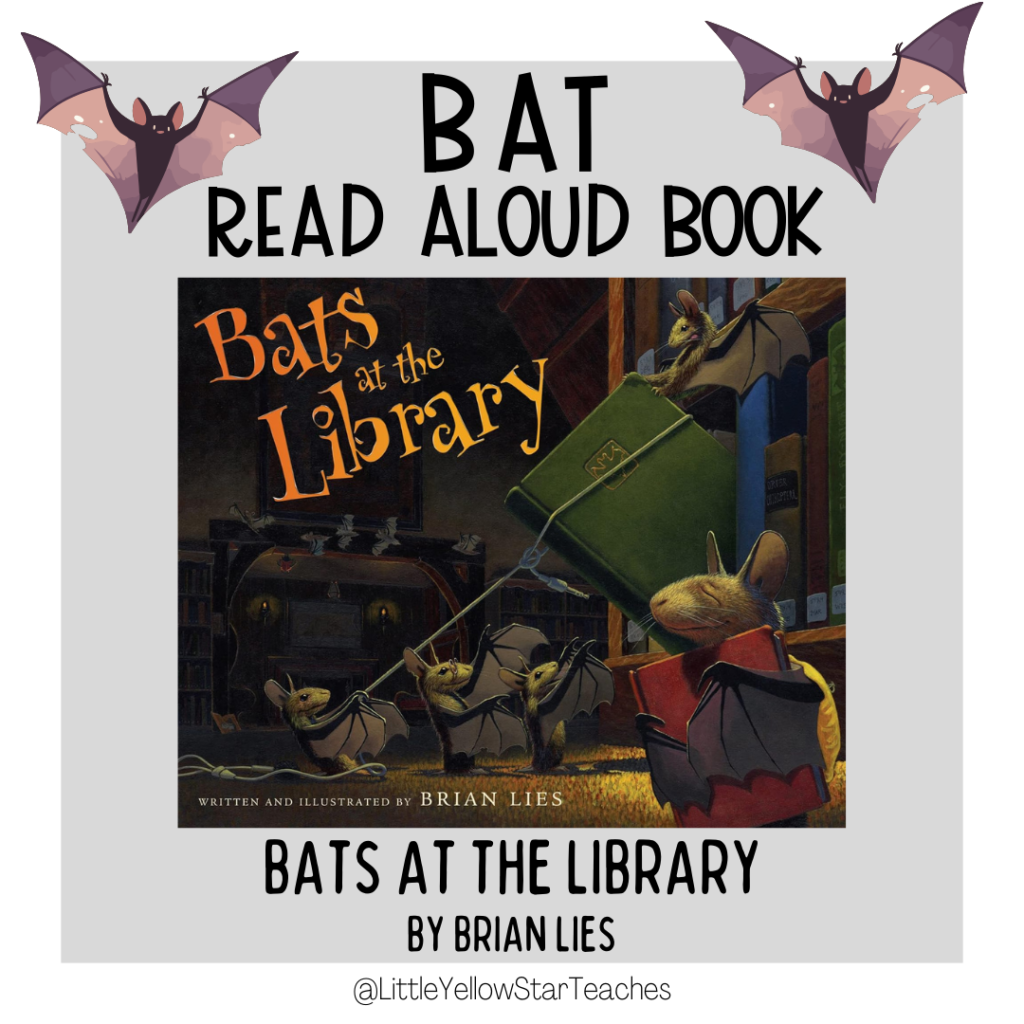
#4 Bats at the Library by Brian Lies
In this imaginative nighttime adventure, a colony of bats sneaks into a library after dark to explore books, read stories, and enjoy learning together. The whimsical illustrations celebrate the joy of reading.
Activity Idea: Design a “bat library card” craft.
Discussion Questions:
• What did the bats do in the library?
• Why are libraries important?
• What is your favorite book?
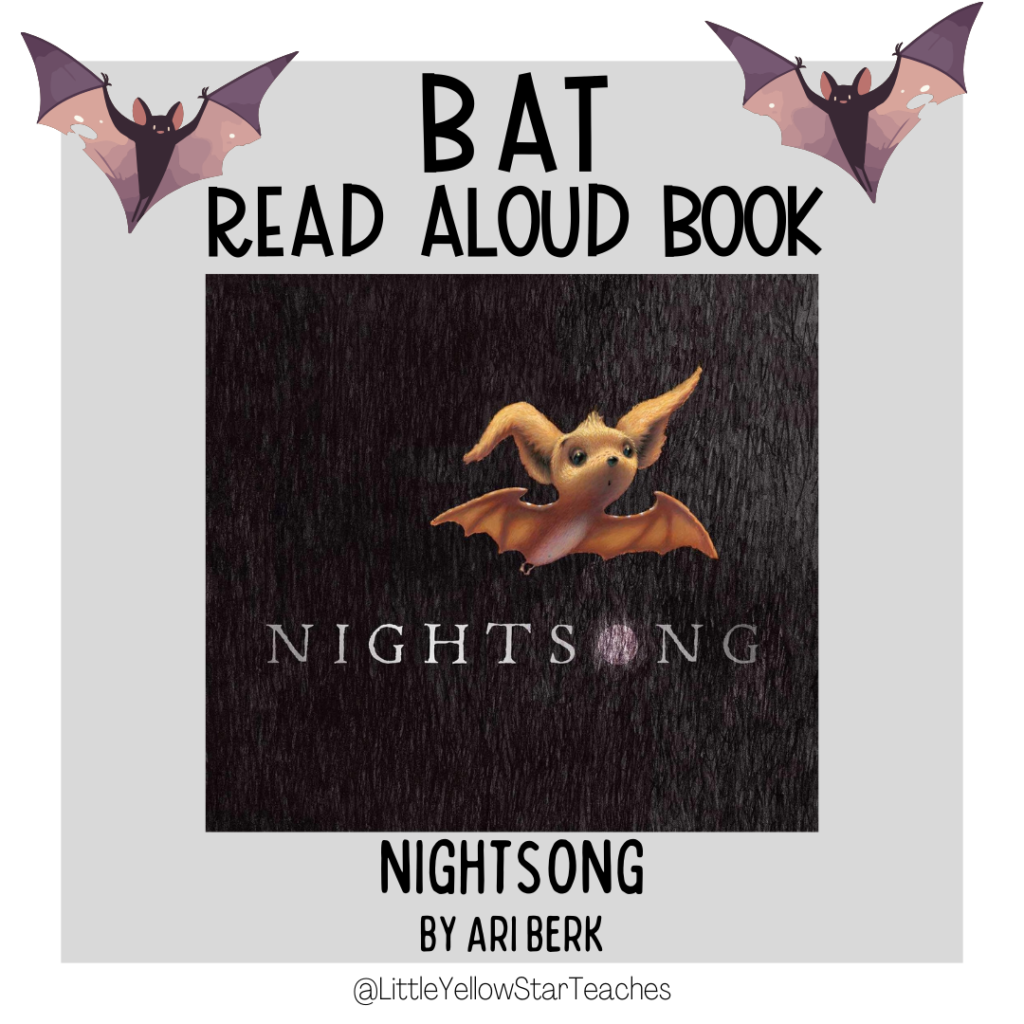
#5 Nightsong by Ari Berk
This beautifully illustrated story follows a young bat named Chiro who must navigate the night sky for the first time. With guidance from his mother, he learns to trust echolocation—the special sound system bats use to find their way in the dark.
Activity Idea: Play an echolocation game using sounds and blindfolds to find objects.
Discussion Questions:
• How do bats navigate at night?
• Why was Chiro nervous at first?
• What helped him succeed?
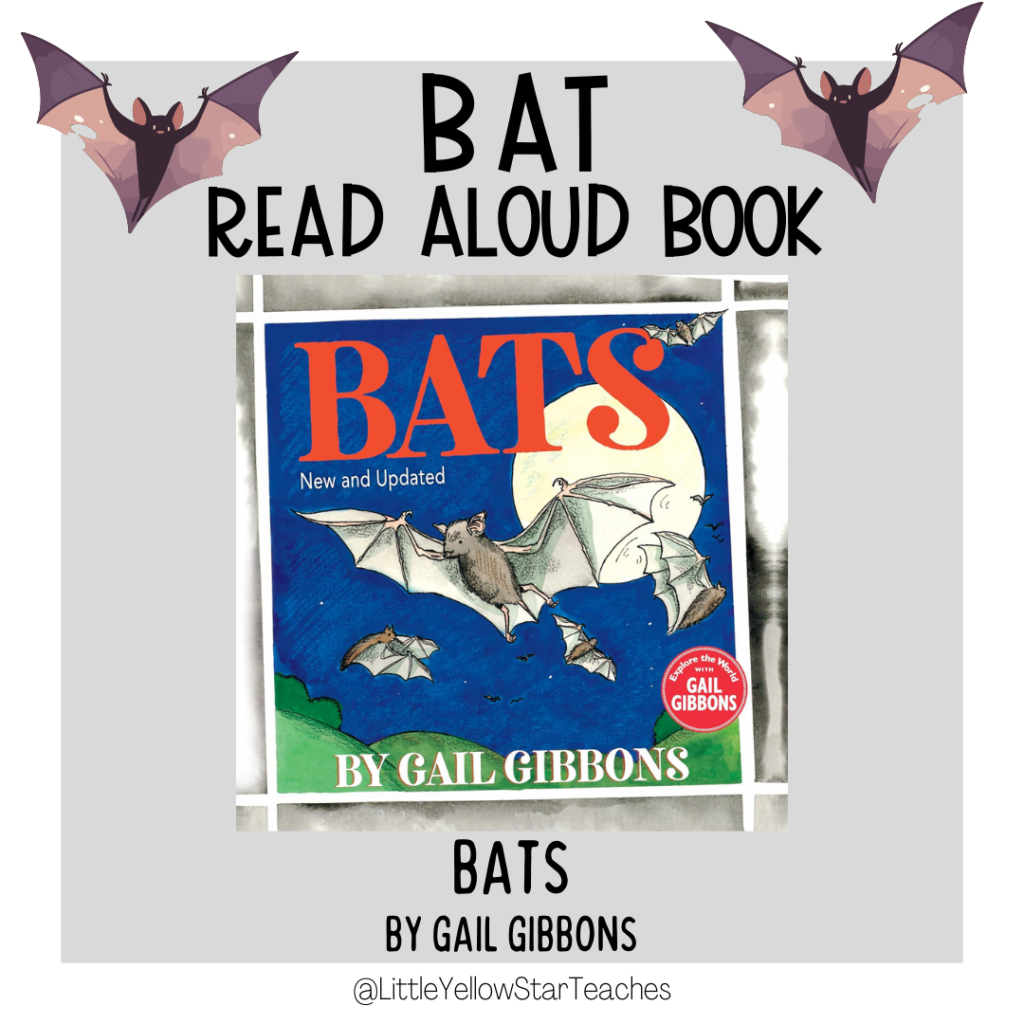
#6 Bats by Gail Gibbons
This nonfiction book introduces young readers to the fascinating world of bats. With clear illustrations and explanations, it covers bat anatomy, habitats, diets, and how bats help ecosystems.
Activity Idea: Create a bat fact poster with labeled parts of the body.
Discussion Questions:
• What do bats eat?
• Where do bats live?
• Why are bats important for nature?
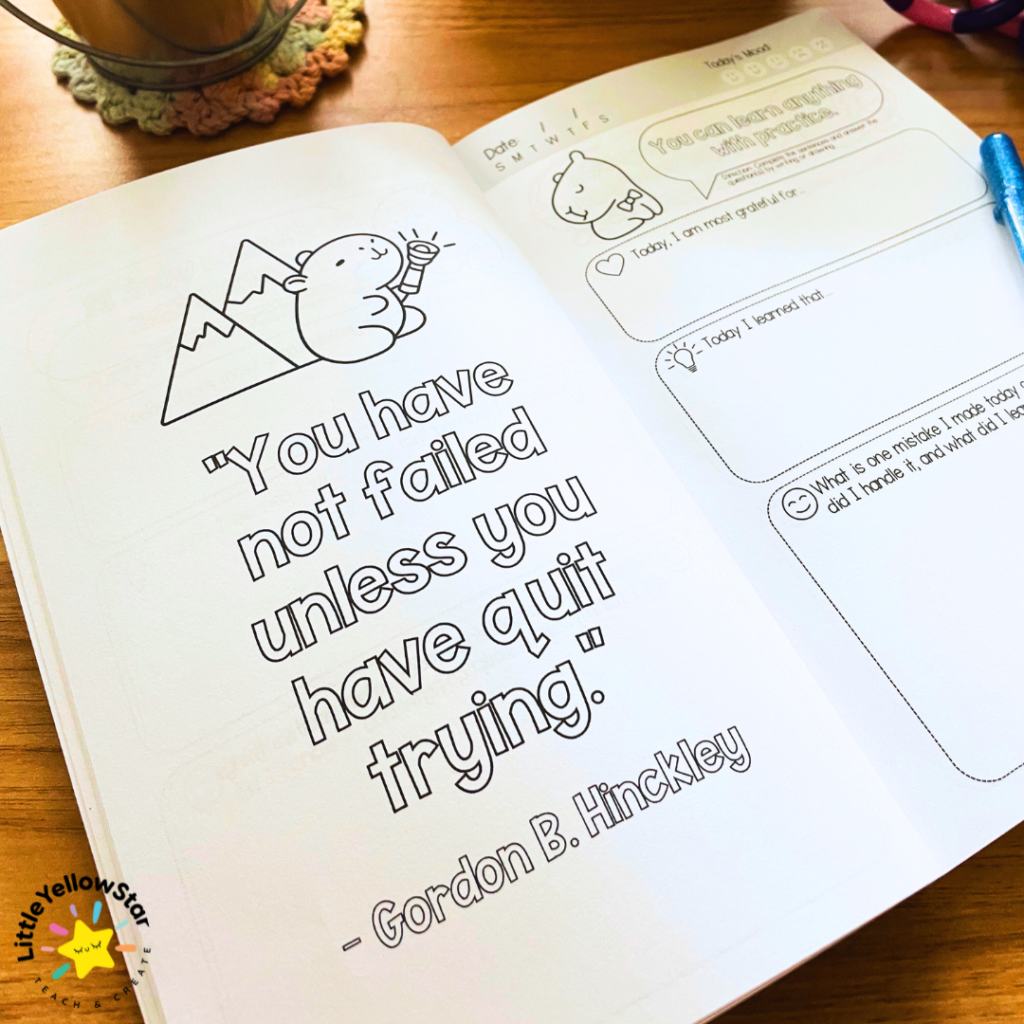
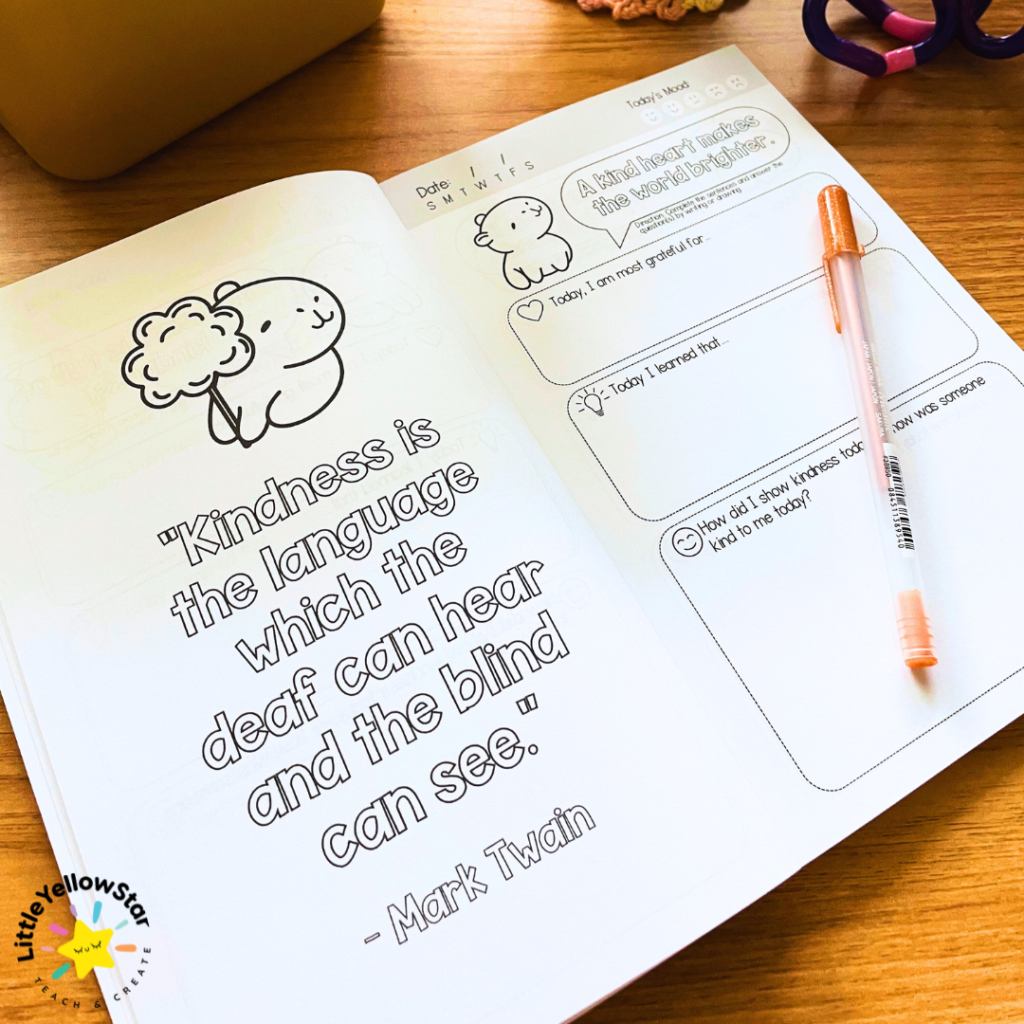
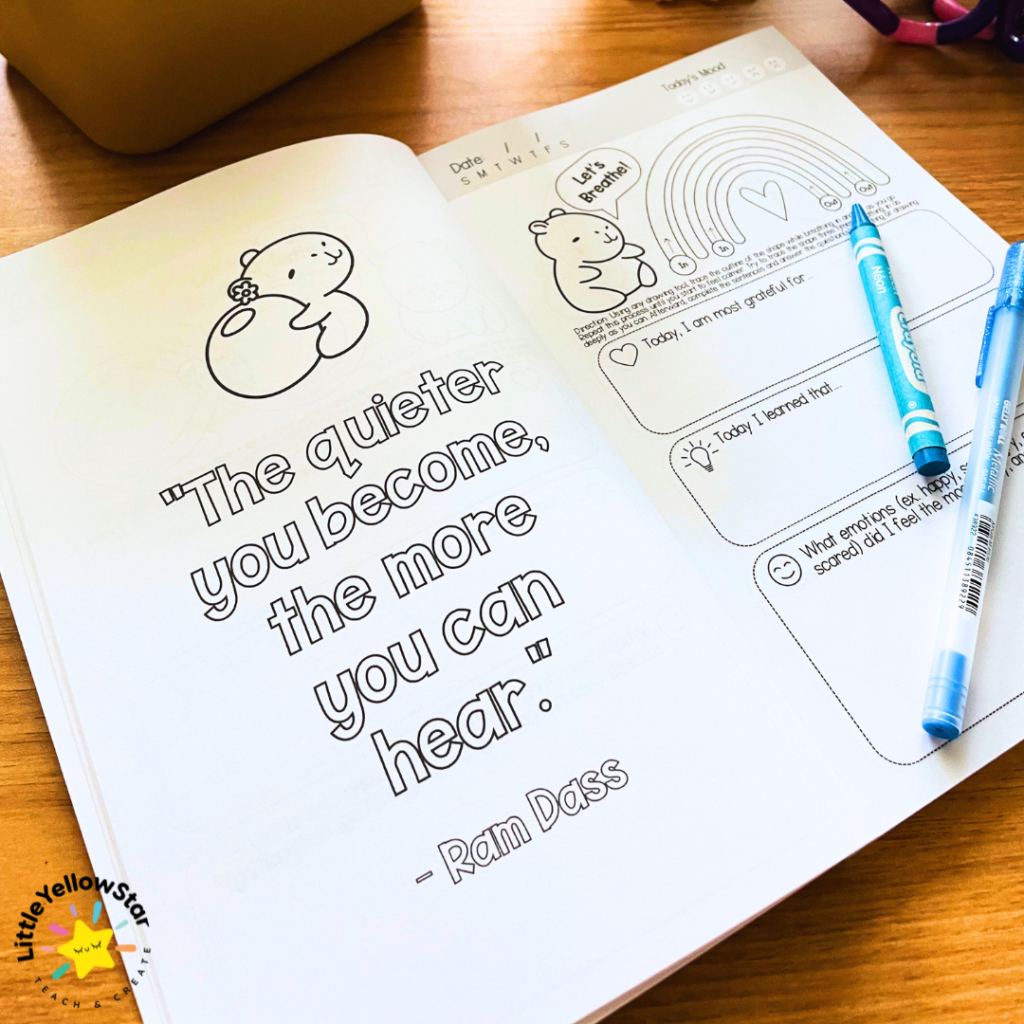
Check Out Capybara-Theme Daily Reflection Journals For Kids!
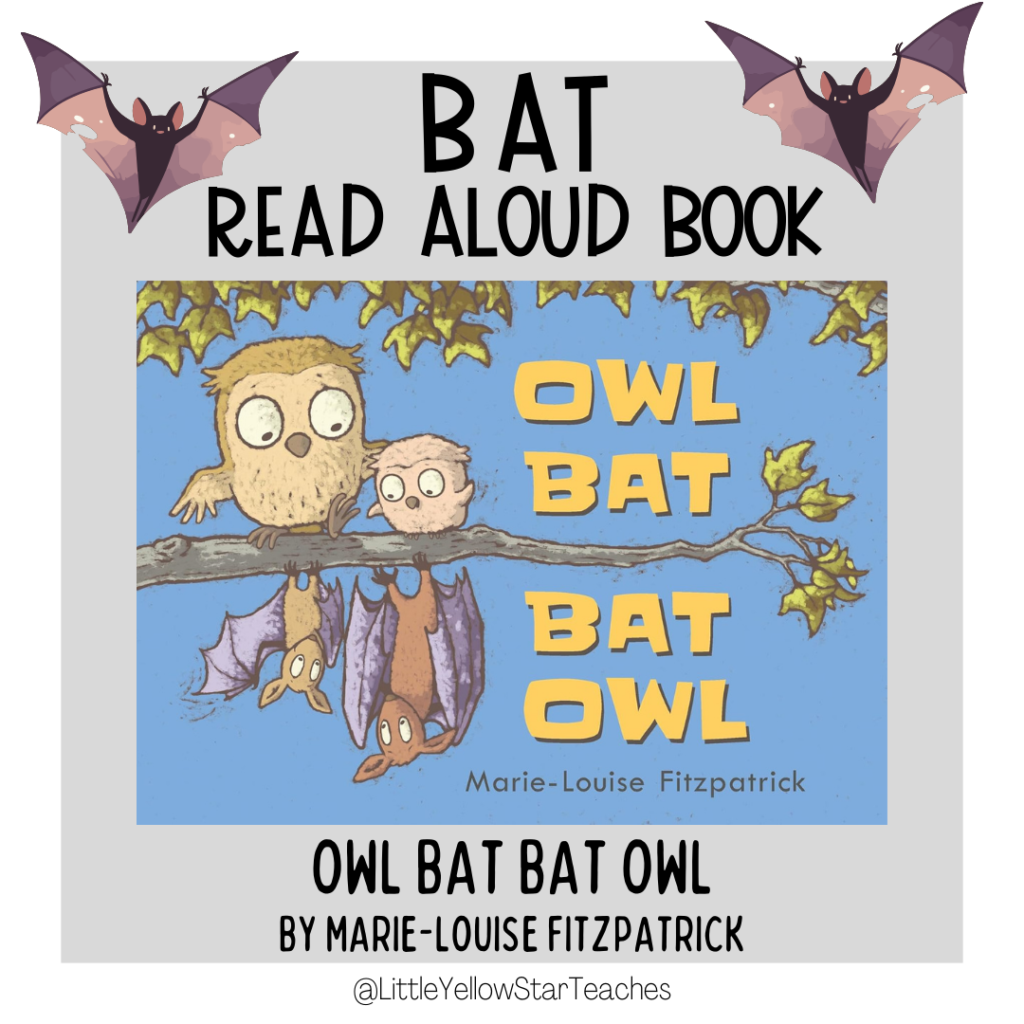
#7 Owl Bat Bat Owl by Marie-Louise Fitzpatrick
This nearly wordless story shows two families—owls and bats—sharing a tree. Through expressive illustrations, children see how misunderstandings can happen but kindness and friendship can bring animals together.
Activity Idea: Draw two animals sharing a home and cooperating.
Discussion Questions:
• Why were the owls and bats worried at first?
• How did they learn to share space?
• What helps people become friends?
Upper Elementary Children (Ages 9-11)
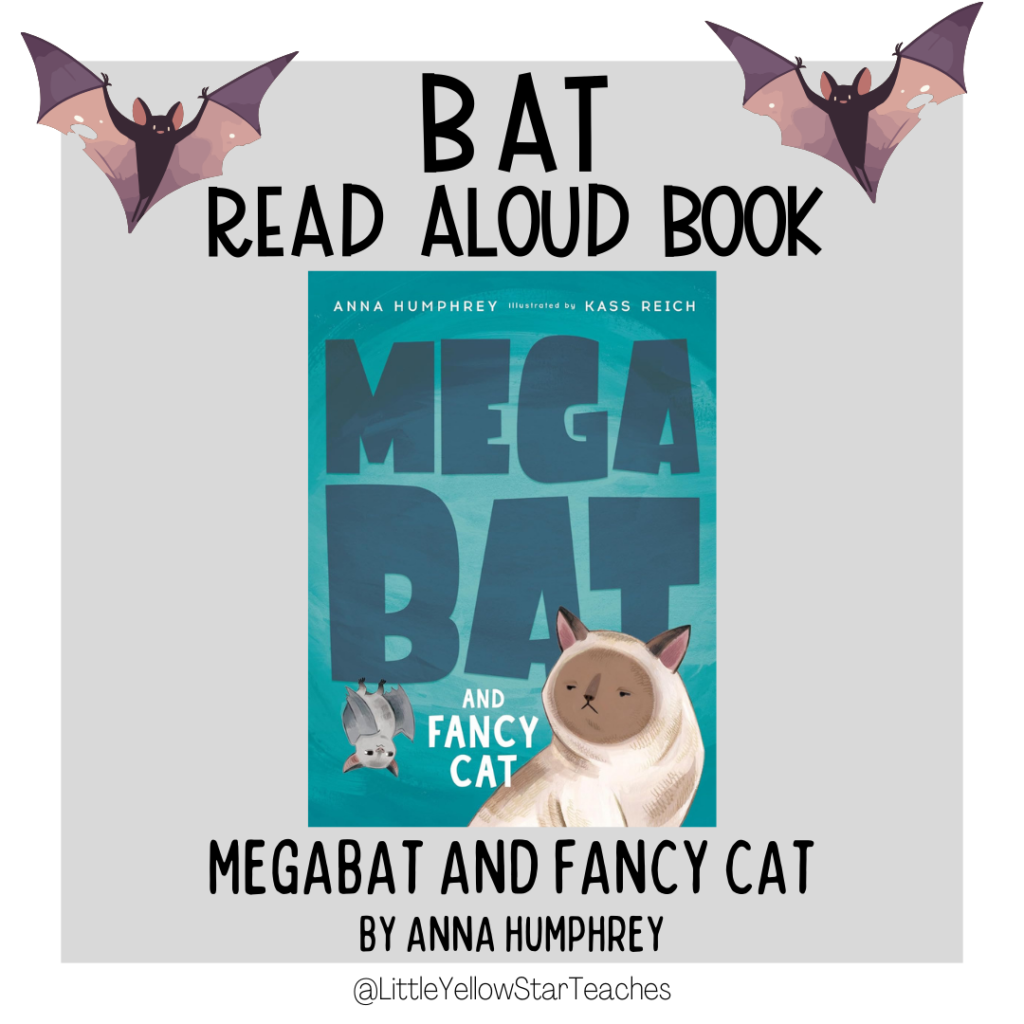
#8 Megabat and Fancy Cat by Anna Humphrey
Megabat is a fruit bat trying to fit in with human life and school. In this humorous early chapter book, Megabat faces challenges, friendships, and adventures—including encounters with Fancy Cat.
Activity Idea: Write a short story about an animal going to school.
Discussion Questions:
• What challenges did Megabat face?
• How did he solve problems?
• What makes a good friend?
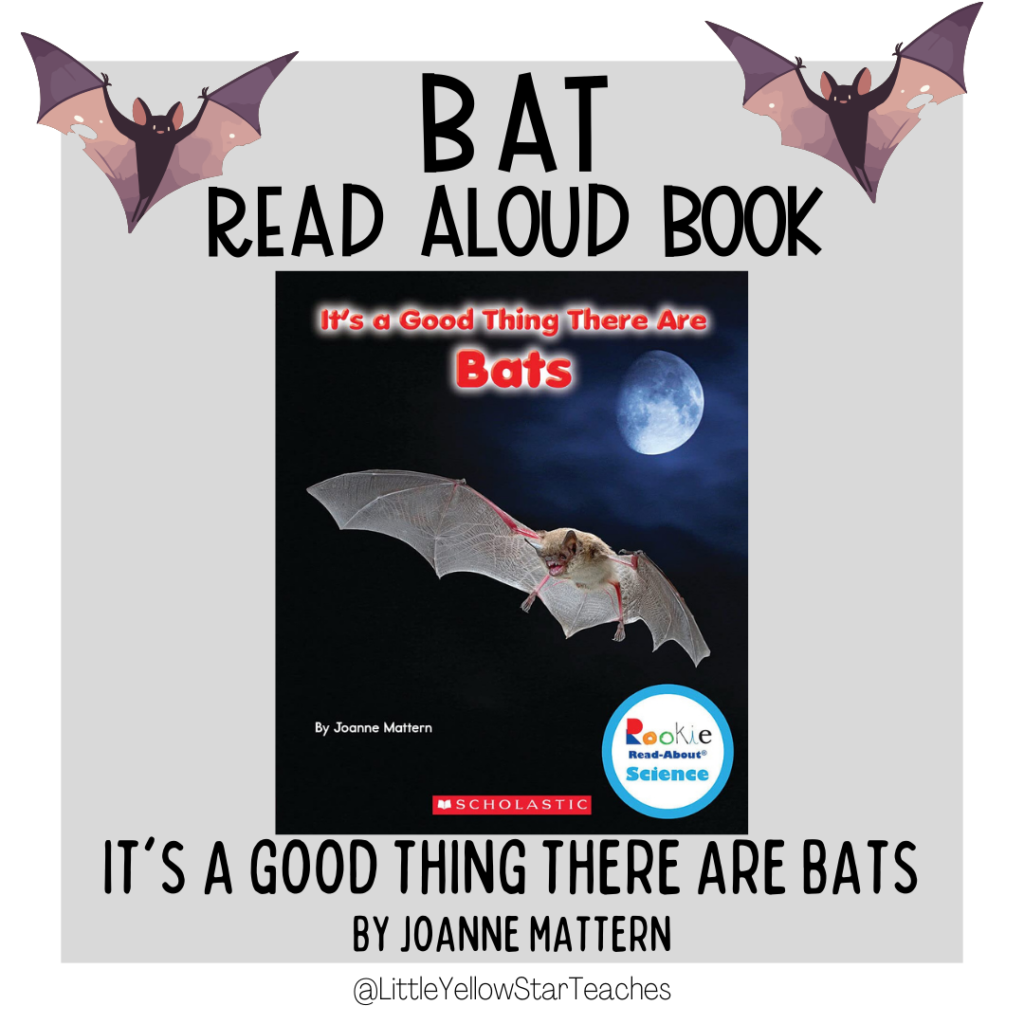
#9 It’s a Good Thing There Are Bats by Joanne Mattern
This nonfiction book explains why bats are important for the environment. Readers learn how bats control insect populations and help pollinate plants.
Activity Idea: Create a chart showing animals that help ecosystems.
Discussion Questions:
• How do bats help farmers and gardens?
• What insects do bats eat?
• Why should we protect bats?

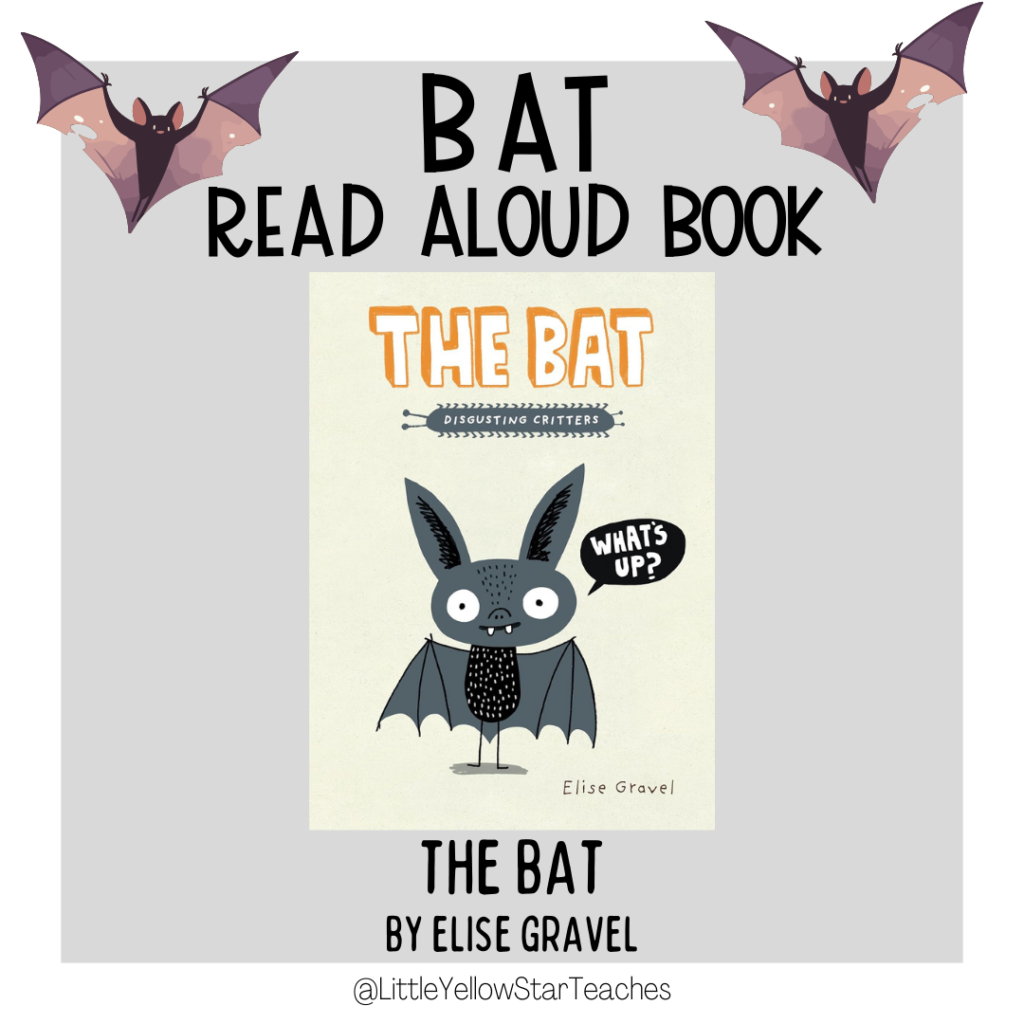
#10 The Bat by Elise Gravel
This fun nonfiction book introduces bat facts with humor and quirky illustrations. It explains how bats live, what they eat, and why they are misunderstood animals.
Activity Idea: Write three surprising facts you learned about bats.
Discussion Questions:
• What myths about bats did the book explain?
• What do bats really eat?
• Why are bats misunderstood?
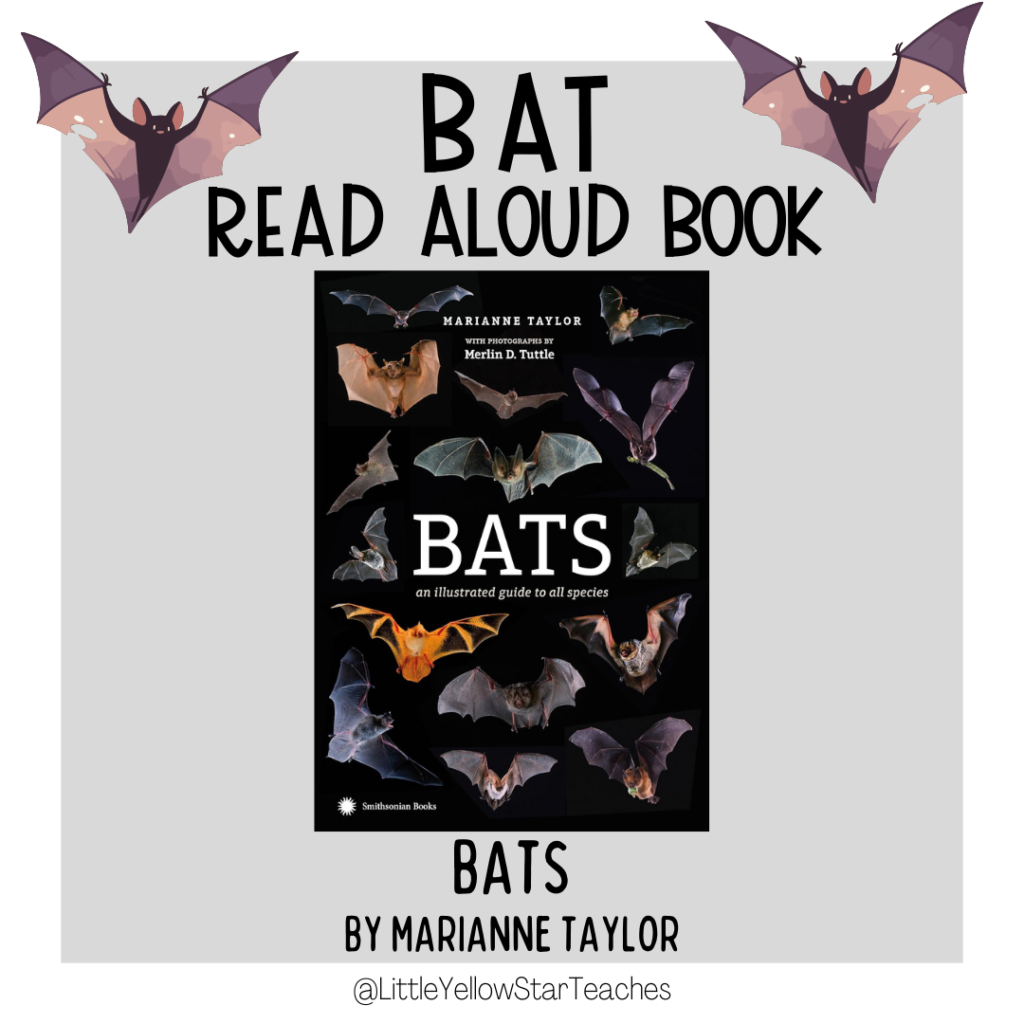
#11 Bats by Marianne Taylor
This informative nonfiction book explores the diversity of bat species around the world. Readers learn about bat behavior, habitats, and the incredible adaptations that allow them to thrive in many environments.
Activity Idea: Research and draw different bat species from around the world.
Discussion Questions:
• How many types of bats are there?
• What different habitats do bats live in?
• What adaptations help bats survive?
Grab these free resources to make your teaching life easier!

What Bat Book(s) Are You Going To Read Later?
Bat books for kids open the door to the mysterious and exciting world of nocturnal animals. They inspire curiosity, teach important science concepts, and help children appreciate creatures that are often misunderstood.
Which bat story will you explore next? Tag me on Instagram @LittleYellowStarTeaches and share your favorite nighttime reads or bat-themed crafts.
Happy reading!
Prima at LittleYellowStar
* * *
Other Blog Posts That You Might Enjoy:
- 15 Minutes Daily Social And Emotional Learning Activities For The Classroom (SEL Made Easy)
- How To Offer Growth Mindset Praise Effectively
- 3 Activities To Introduce Growth Mindset