Stories That Help Children Understand Feelings, Compassion, and Connection
Empathy is one of the most important skills we can help children develop. It allows them to understand others’ feelings, show kindness, and build strong, respectful relationships. Books about empathy are a beautiful way to teach kids how to put themselves in someone else’s shoes—and treat others with care.
In this post, I’m sharing my favorite empathy books for kids, organized by age group. I’ve also included meaningful activities and questions to help children reflect, connect, and grow as compassionate friends and classmates. Let me know which book opens the biggest heart in your classroom or home!
***Disclosure: This post contains an Amazon affiliate link that at no additional cost to you, I may earn a small commission when you purchase through the link from my blog. Thank you for your support!
Table of Content
- Why Read Books About Empathy?
- The Role of Books in Teaching Kids about Empathy
- 11 Empathy Books For Children
- What Gnome Book(s) Are You Going To Read Later?
Why Read Books About Empathy?
Empathy books help children slow down, notice others’ emotions, and imagine how someone else might feel.
Through relatable characters and thoughtful storytelling, kids learn that while we all have different experiences, our feelings connect us. These stories gently guide children toward kind actions, respectful listening, and greater awareness of how their words and choices affect others.
Reading about empathy makes kindness real—and helps kids practice it in everyday life.
The Role of Books in Teaching Kids about Empathy
Books about empathy help children recognize emotions, both in themselves and others, and develop healthy responses.
They often feature characters who feel left out, make a mistake, or learn how to support a friend in need. By watching those characters grow, kids build emotional vocabulary, self-awareness, and the ability to take another’s perspective.
These books also support conversations about fairness, inclusion, and standing up for others—especially when someone is being treated unkindly or left behind.
How to Use Books about Empathy with Children
Here are a few ideas to help empathy books leave a lasting impact:
- 💞 Ask Open-Ended Questions: After reading, ask: How do you think that character felt? or What could you say or do to make someone feel seen and included? Use Turn and Talk in class to build peer-to-peer reflection.
- 🎨 Engage in Empathy-Themed Activities: Create kindness journals, draw emotion faces and matching scenarios, role-play helpful vs. hurtful responses, or make “Feel Better” cards to send to classmates, friends, or family.
- 📚 Refer Back to the Books: When conflicts arise or someone feels left out, refer back to story moments. Ask: What did the character do to fix the situation? How can we try something like that here?
- 👨👩👧 Involve Other Caregivers: Send empathy book recommendations home and invite families to read them together. Share conversation prompts or weekly “acts of empathy” to try as a family.

11 Empathy Books For Children
Younger Children (Ages 3-6)
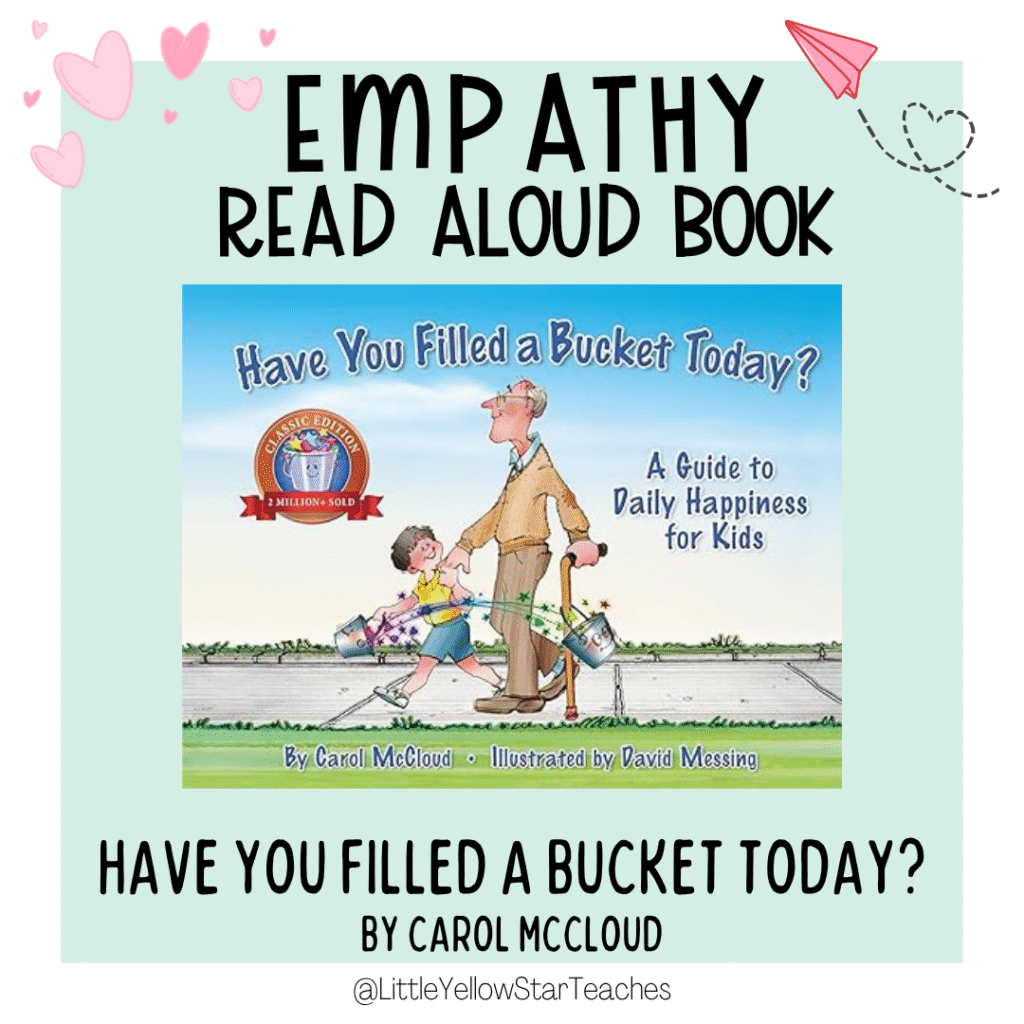
#1 Have You Filled a Bucket Today? by Carol McCloud
This heartwarming book introduces the concept of “bucket filling” as a metaphor for showing kindness and empathy to others. It encourages children to perform daily acts of kindness and understand how their actions affect those around them.
Promotes emotional awareness, kindness, and the idea that helping others also brings joy to oneself.
Activity Suggestion:
Create a kindness bucket in the classroom or home and fill it with notes whenever someone does something kind.
Discussion Questions:
- What does it mean to fill someone’s bucket?
- How can we tell if someone’s bucket is empty?
- What’s one kind thing you can do for someone today?
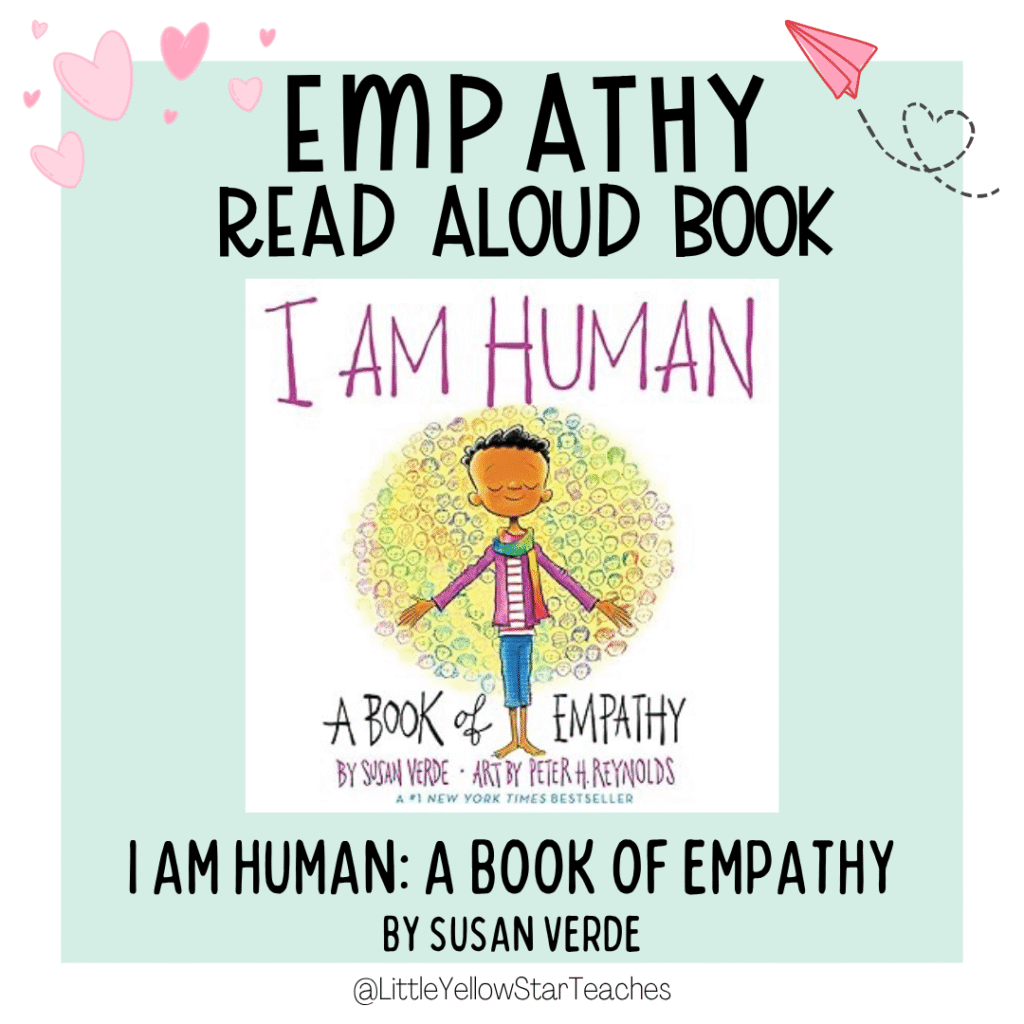
#2 I Am Human: A Book of Empathy by Susan Verde
This gentle, affirming book explores what it means to be human—making mistakes, growing, and showing empathy. It helps children understand that everyone has feelings and deserves compassion.
Encourages self-awareness, emotional expression, and understanding of others.
Activity Suggestion:
Draw a heart and write or illustrate different ways to show empathy inside it.
Discussion Questions:
- What does empathy mean to you?
- How can we help someone who feels sad or alone?
- What makes you feel understood?
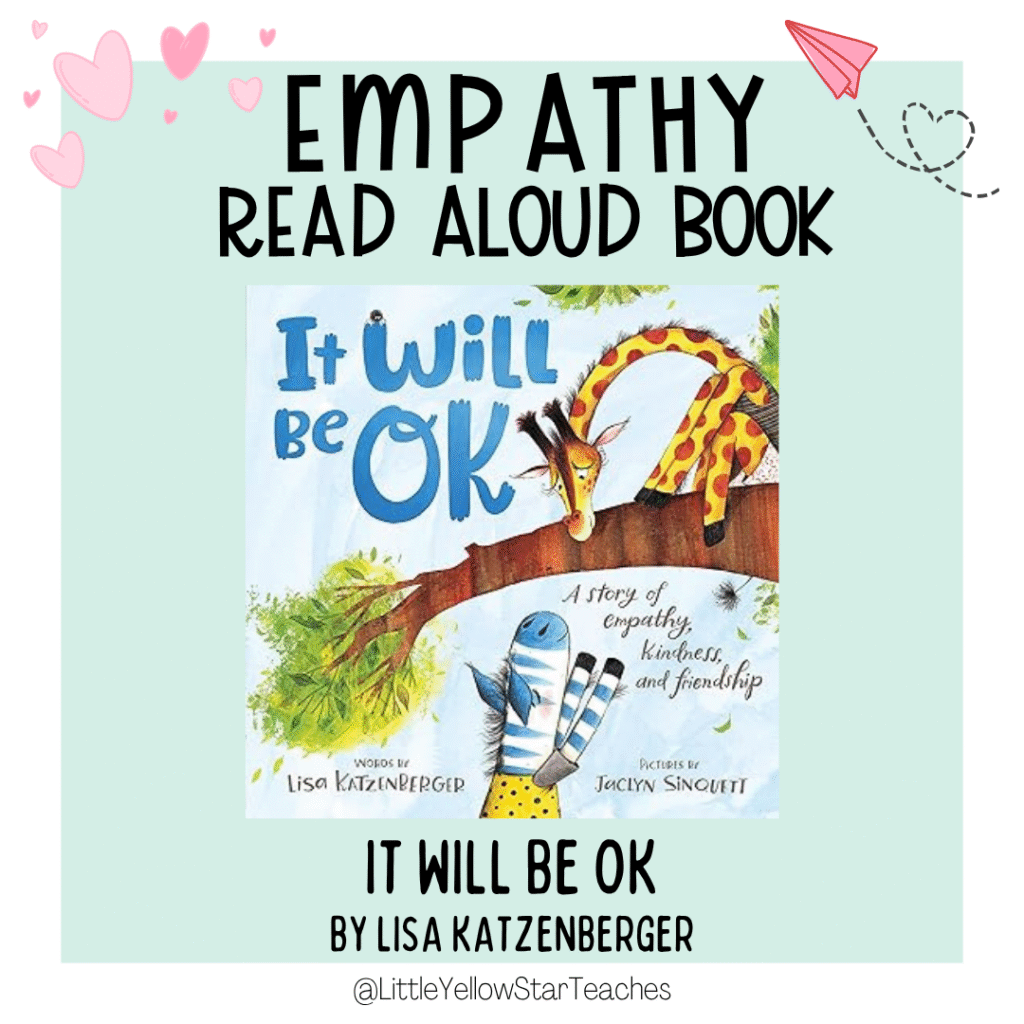
#3 It Will Be OK by Lisa Katzenberger
This comforting story shows a young child who is scared, and how a friend helps them navigate fear and anxiety with understanding and support.
Teaches reassurance, calming strategies, and the power of supportive friendships.
Activity Suggestion:
Make a “feelings toolkit” with items or drawings that bring comfort during scary times.
Discussion Questions:
- What do you do when you feel scared?
- Who helps you feel safe?
- What’s one thing you could say to help a scared friend?

Lower Elementary Children (Ages 7-9)
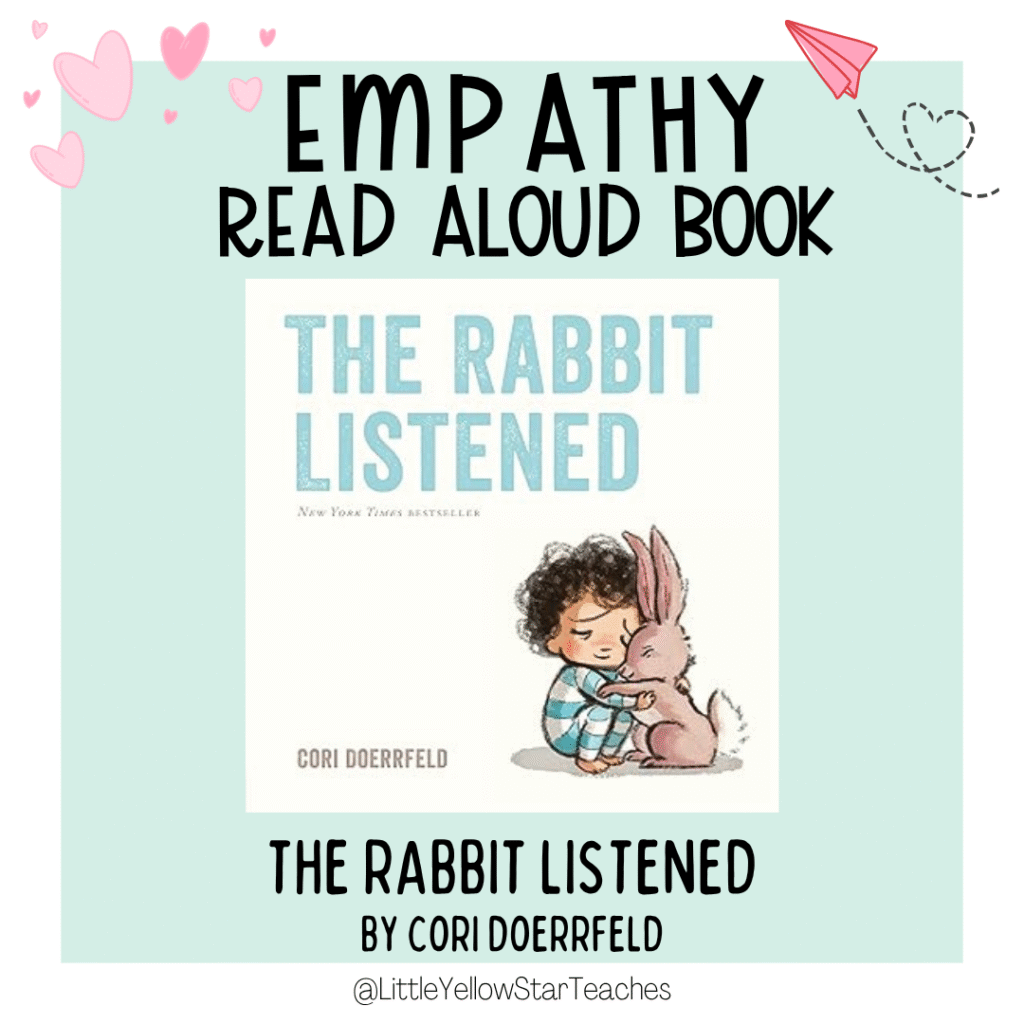
#4 The Rabbit Listened by Cori Doerrfeld
When a young child’s creation is destroyed, many animals offer advice, but the rabbit simply listens. This moving tale emphasizes the healing power of empathy and quiet presence.
Highlights the importance of listening as a form of empathy and emotional support.
Activity Suggestion:
Practice a partner listening game where one person talks and the other just listens.
Discussion Questions:
- Why was the rabbit’s way of helping different?
- How does it feel when someone listens to you?
- What can we do to show someone we are listening?
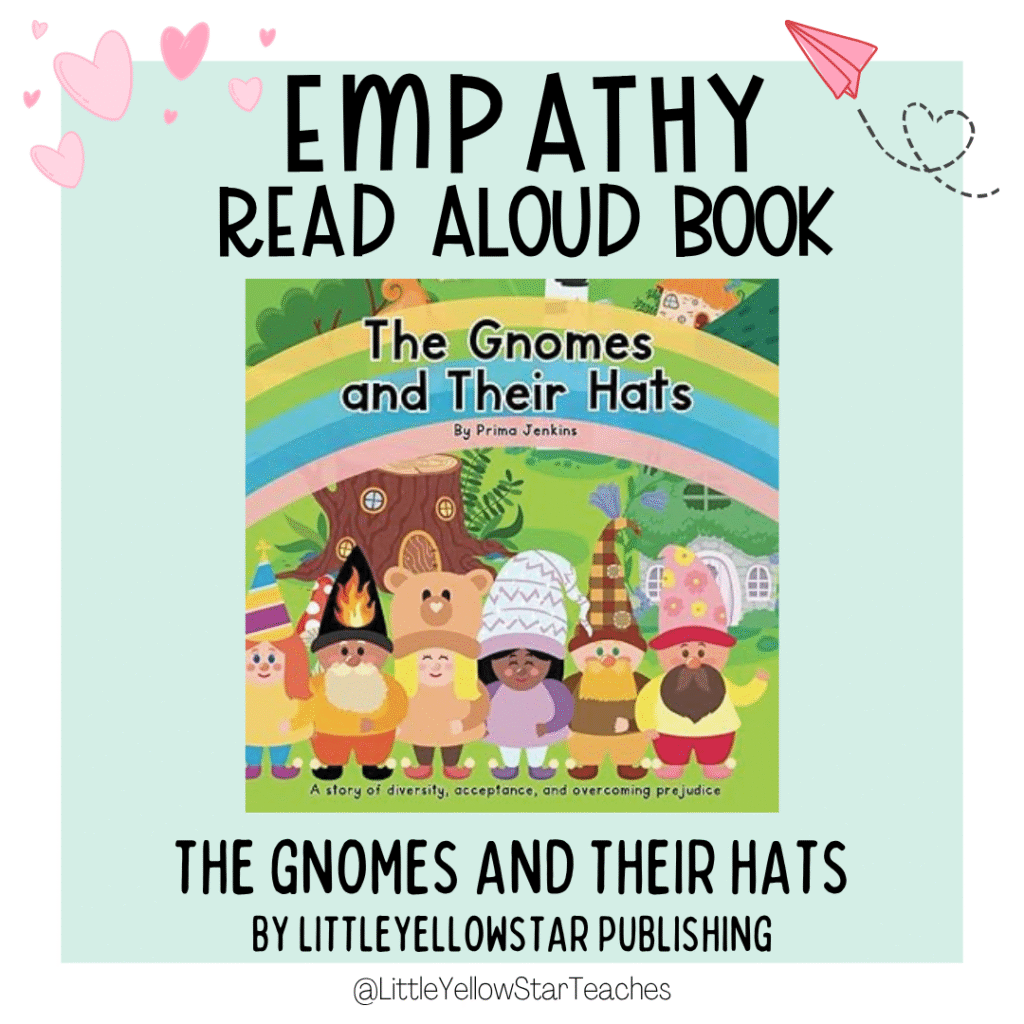
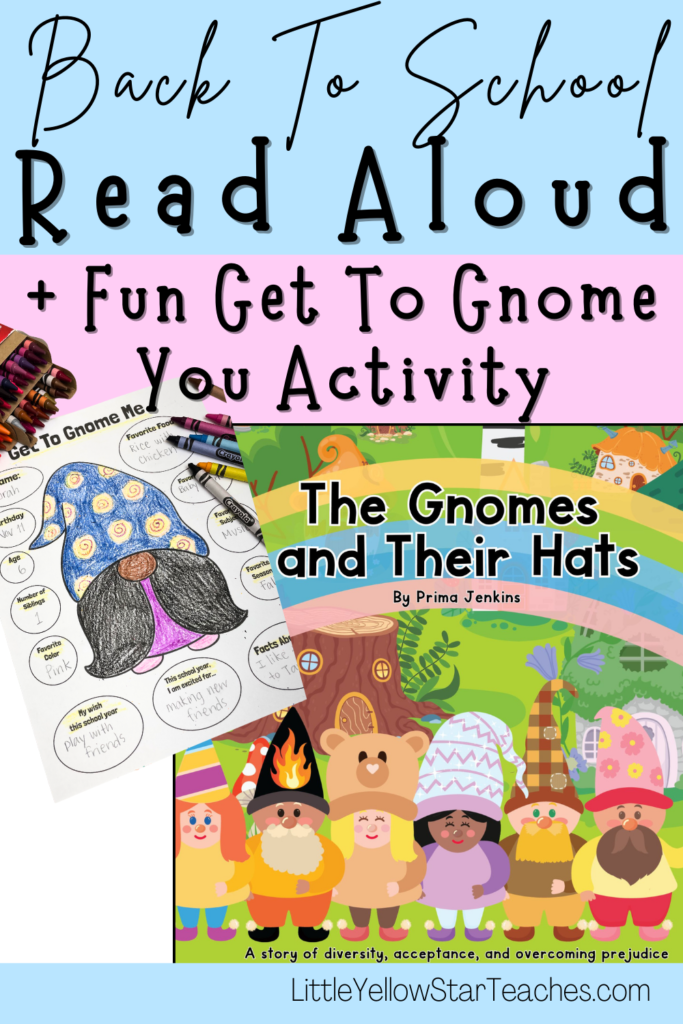
#5 The Gnomes and Their Hats by LittleYellowStar Publishing
This imaginative story introduces gnomes who use their magical hats to sense others’ feelings. It’s a whimsical way to discuss empathy, emotional cues, and consideration.
Connects emotional intelligence with fantasy and creativity, helping kids relate to feelings through storytelling.
Activity Suggestion:
Make paper “gnome hats” with different facial expressions to explore moods.
Discussion Questions:
- How can you tell how someone else is feeling?
- What would your gnome hat do if you were feeling happy?
- Why is it important to notice others’ emotions?
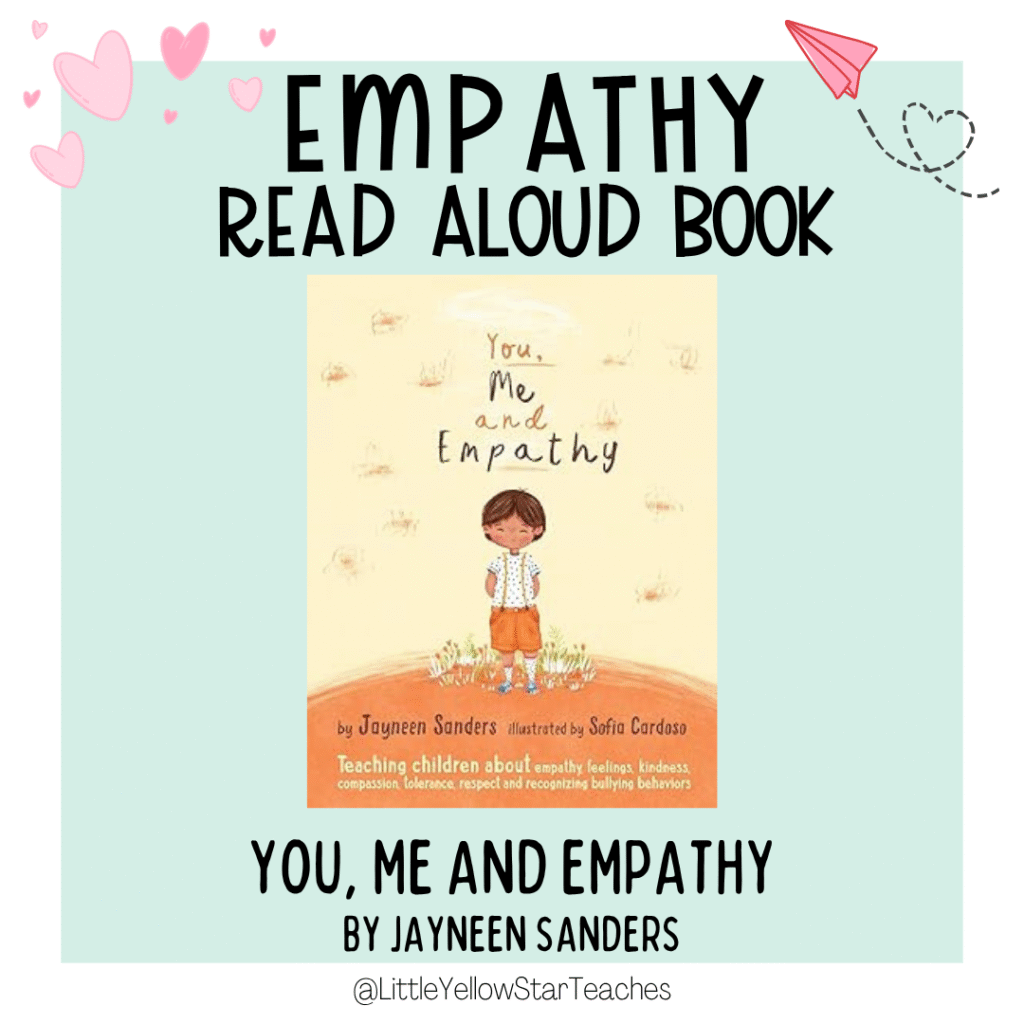
#6 You, Me and Empathy by Jayneen Sanders
This book introduces what empathy is and how children can practice it daily through small, thoughtful actions.
Builds understanding of others’ experiences and helps children recognize that empathy leads to stronger relationships.
Activity Suggestion:
Role-play different scenarios and ask, “What would you do to show empathy?”
Discussion Questions:
- What’s one way you showed empathy this week?
- How do we feel when someone is kind to us?
- Why is it important to imagine how others feel?
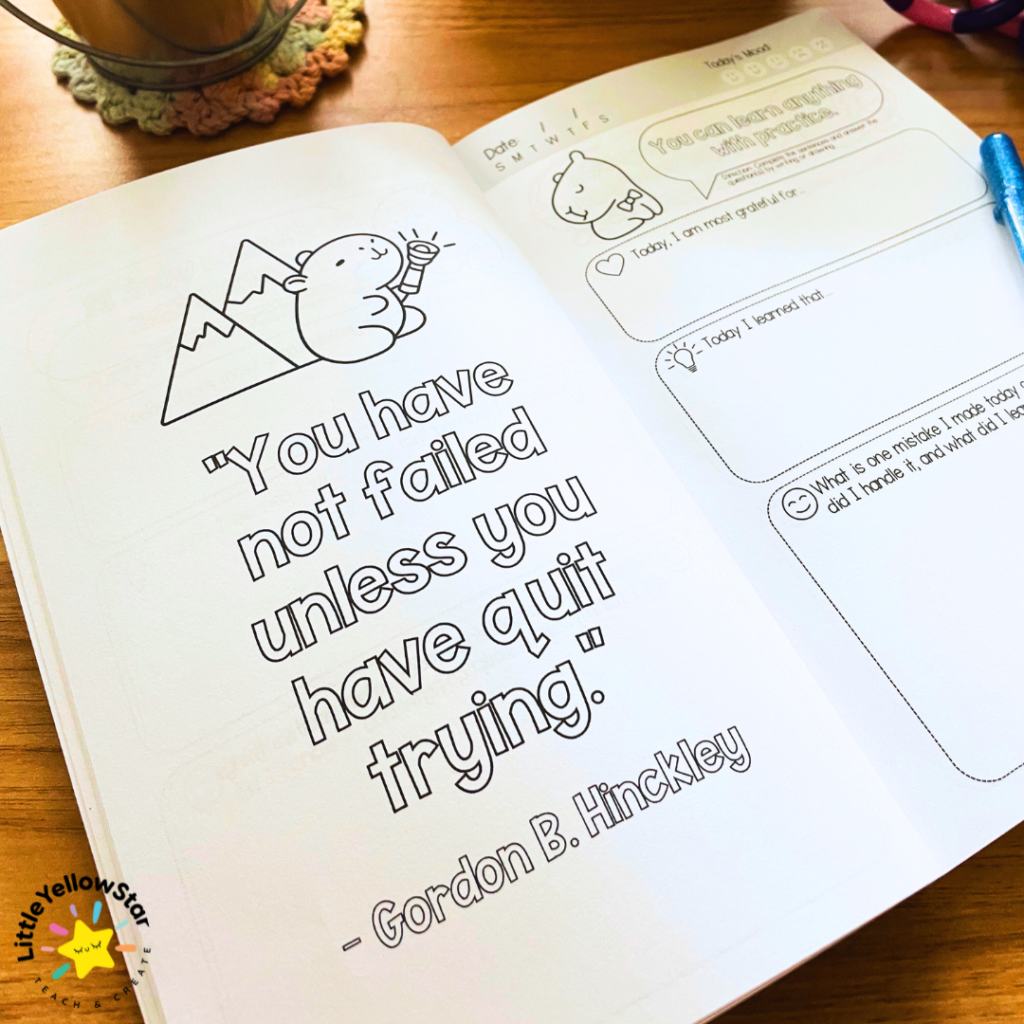
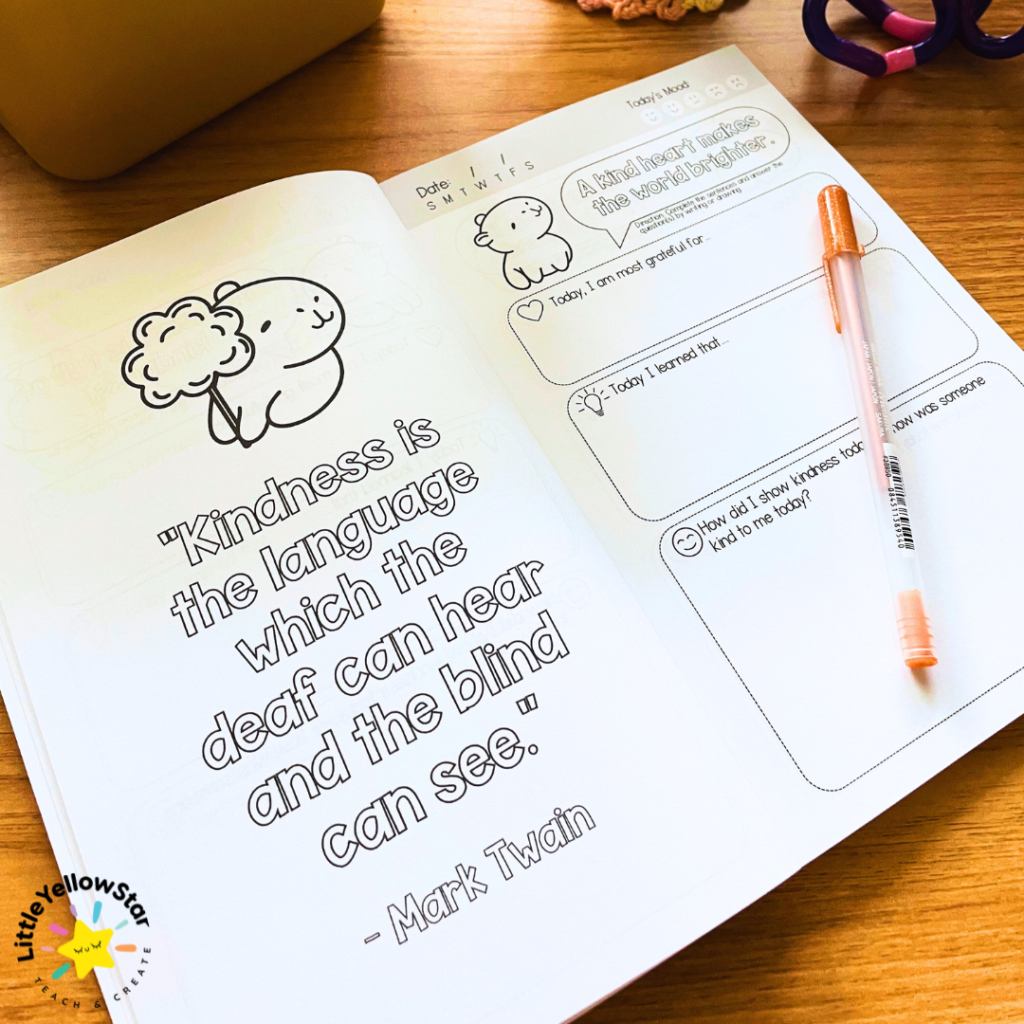
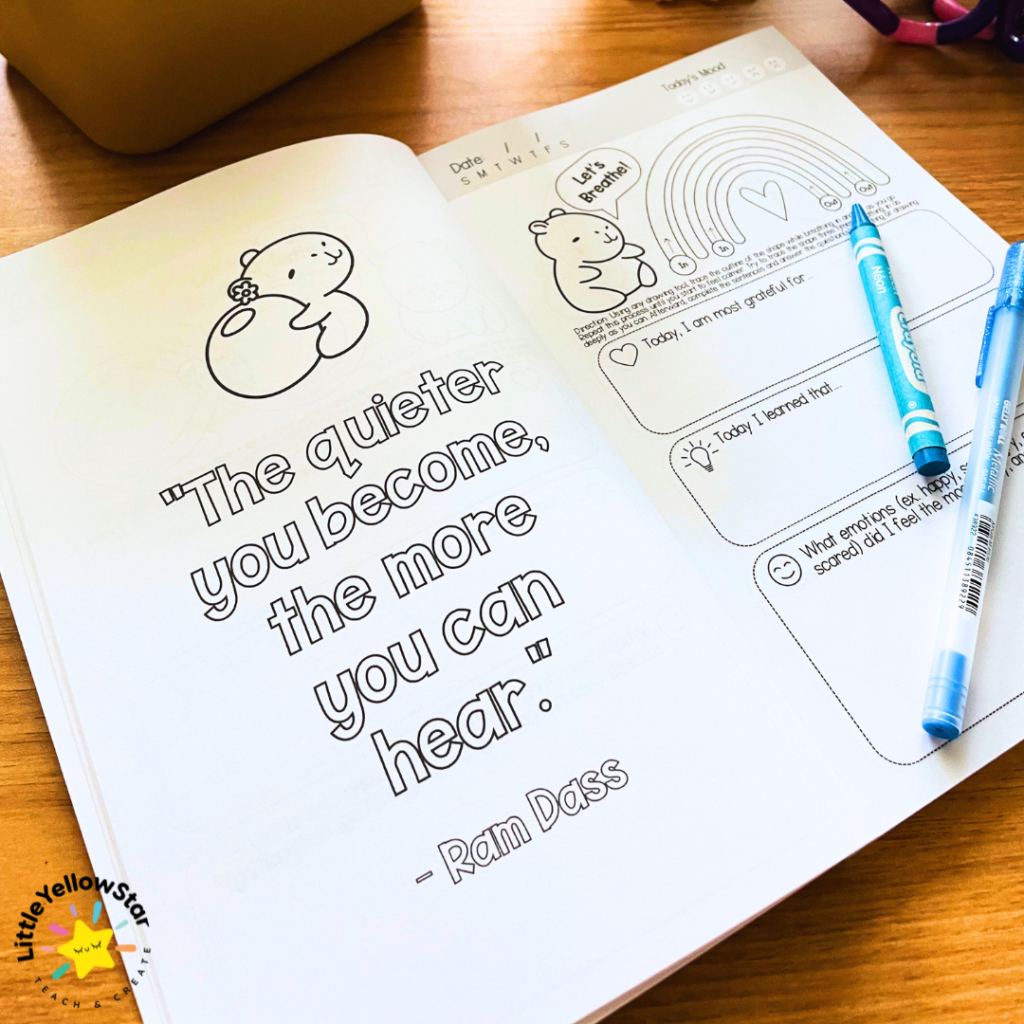
Check Out Capybara-Theme Daily Reflection Journals For Kids!
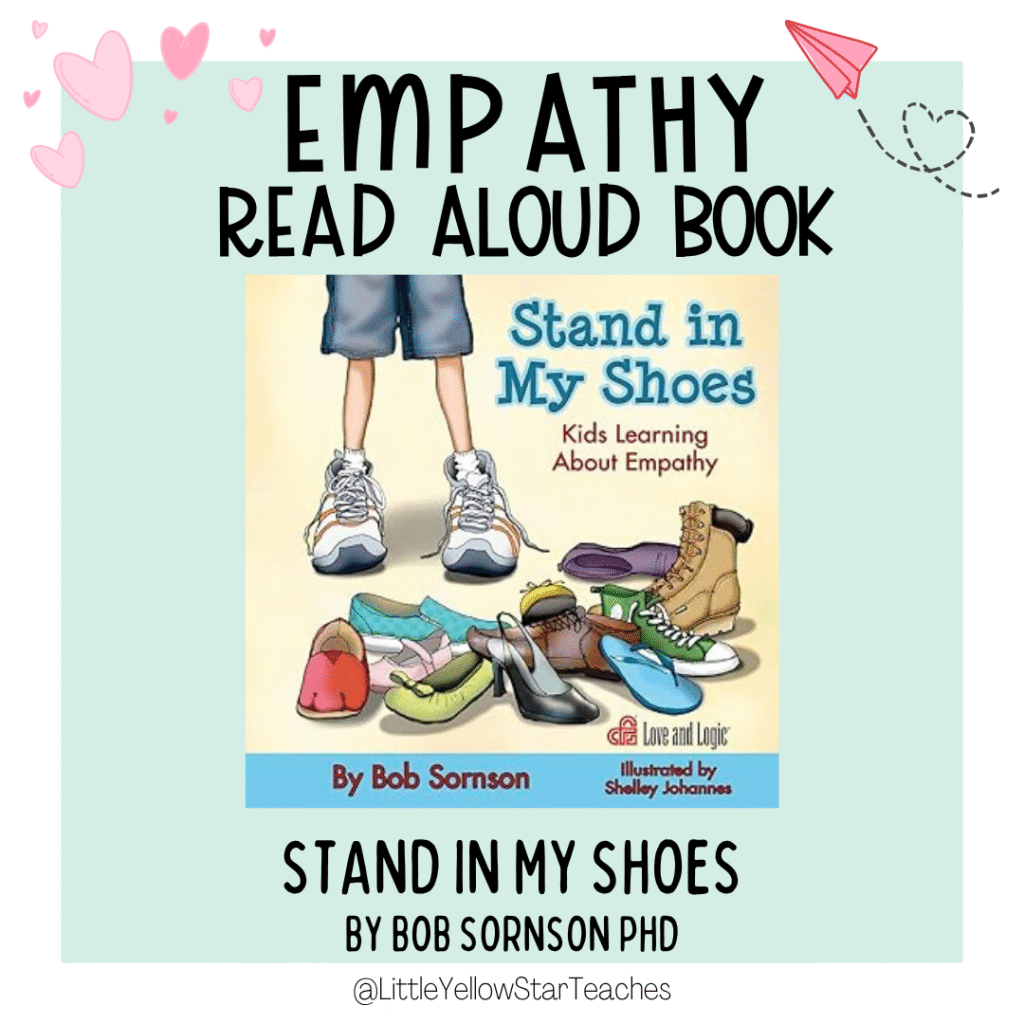
#7 “Stand in My Shoes by Bob Sornson PhD
Emily learns what it means to consider others’ feelings and how practicing empathy changes the way she sees the world.
Reinforces the golden rule and deepens kids’ ability to look beyond themselves.
Activity Suggestion:
Create a “walking in their shoes” activity where children draw someone else’s experience.
Discussion Questions:
- What did Emily learn in the story?
- How can trying to understand others help us be better friends?
- Can you think of a time you stood in someone else’s shoes?
Upper Elementary Children (Ages 9-11)
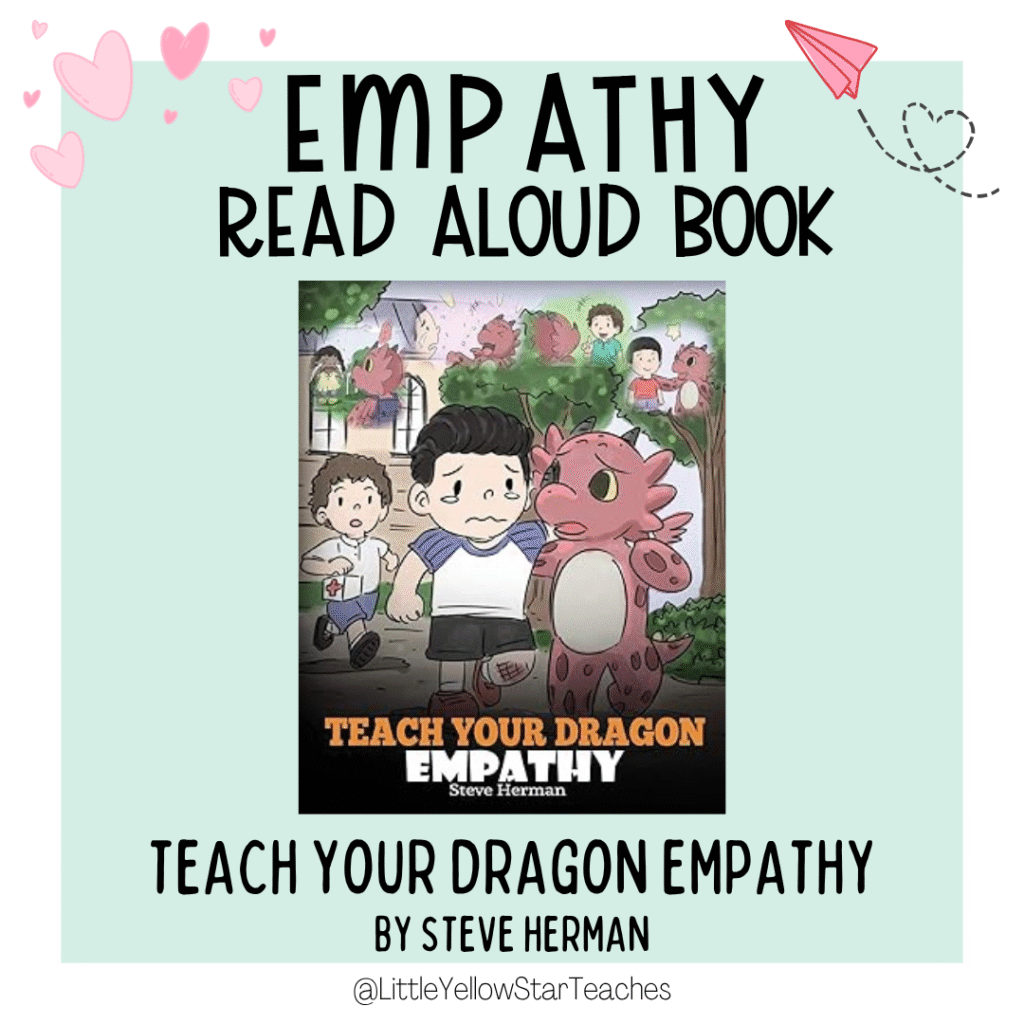
#8 Teach Your Dragon Empathy by Steve Herman
A humorous story where a young boy teaches his dragon how to be more understanding and empathetic.
Makes learning about feelings fun and relatable for young kids, especially through fantasy.
Activity Suggestion:
Draw a scene where your dragon helps a friend feel better.
Discussion Questions:
- What did the dragon learn?
- Why is it hard sometimes to notice how others feel?
- How can we help others like the dragon did?
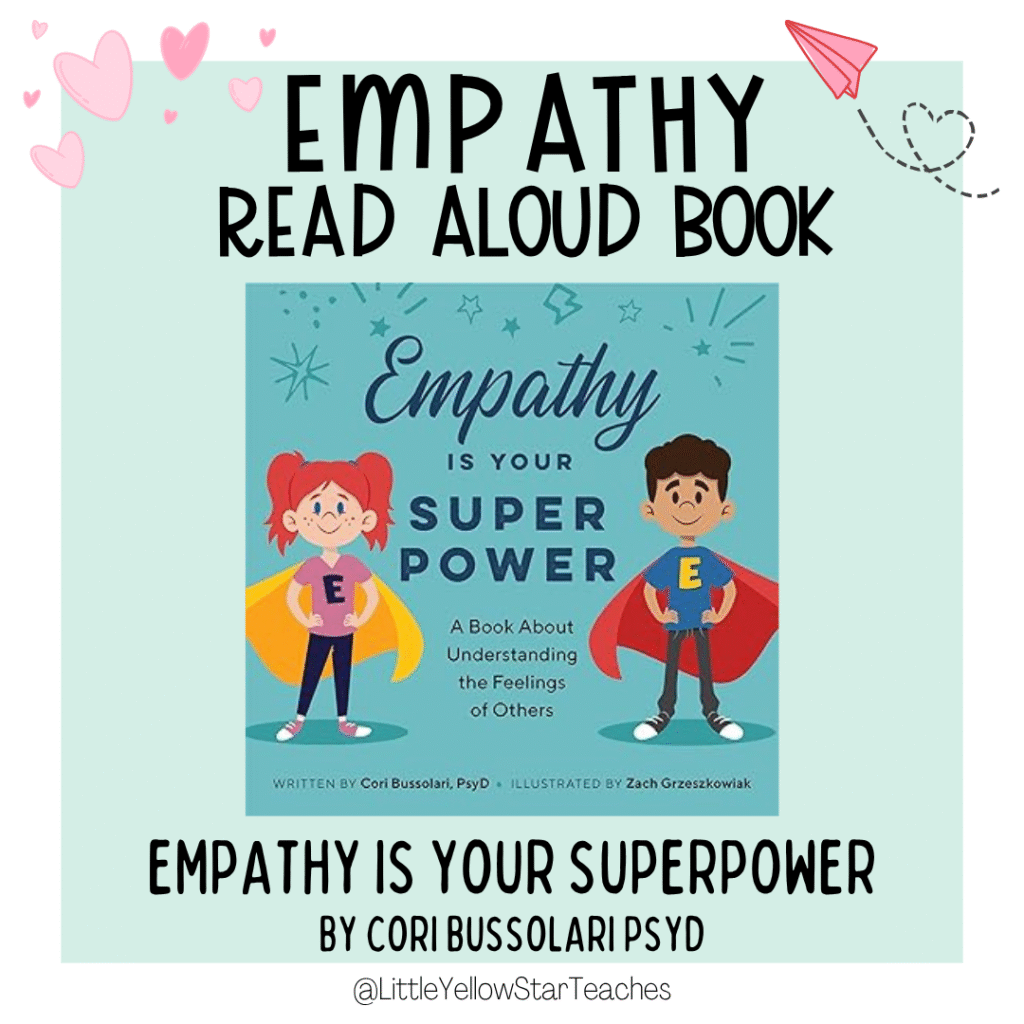
#9 Empathy Is Your Superpower by Cori Bussolari PsyD
This book explains how empathy can be practiced and celebrated as a strength, helping kids develop strong emotional connections.
Empathy is framed as a special skill that makes us stronger and more connected to others.
Activity Suggestion:
Make superhero capes and decorate them with words or pictures that show empathy.
Discussion Questions:
- What makes empathy a superpower?
- When have you used empathy to help someone?
- How can you grow your empathy every day?

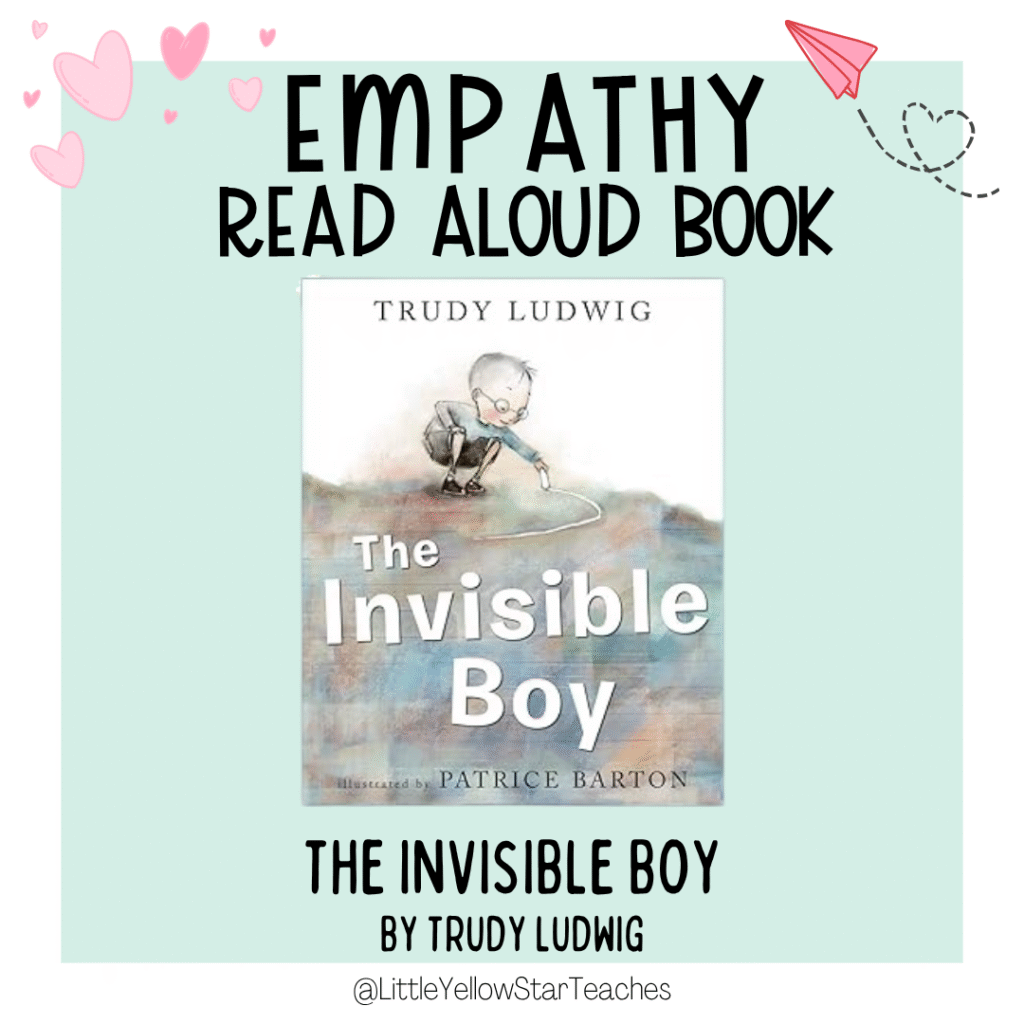
#10 The Invisible Boy by Trudy Ludwig
Brian feels unseen until a new friend helps him feel included. This touching story helps children recognize the power of kindness and noticing those who feel left out.
Promotes inclusion, awareness, and the quiet impact of empathy.
Activity Suggestion:
Write a note or draw a picture to welcome someone new or lonely.
Discussion Questions:
- How did Brian feel in the beginning?
- What changed when someone showed kindness?
- How can you help someone who feels invisible?
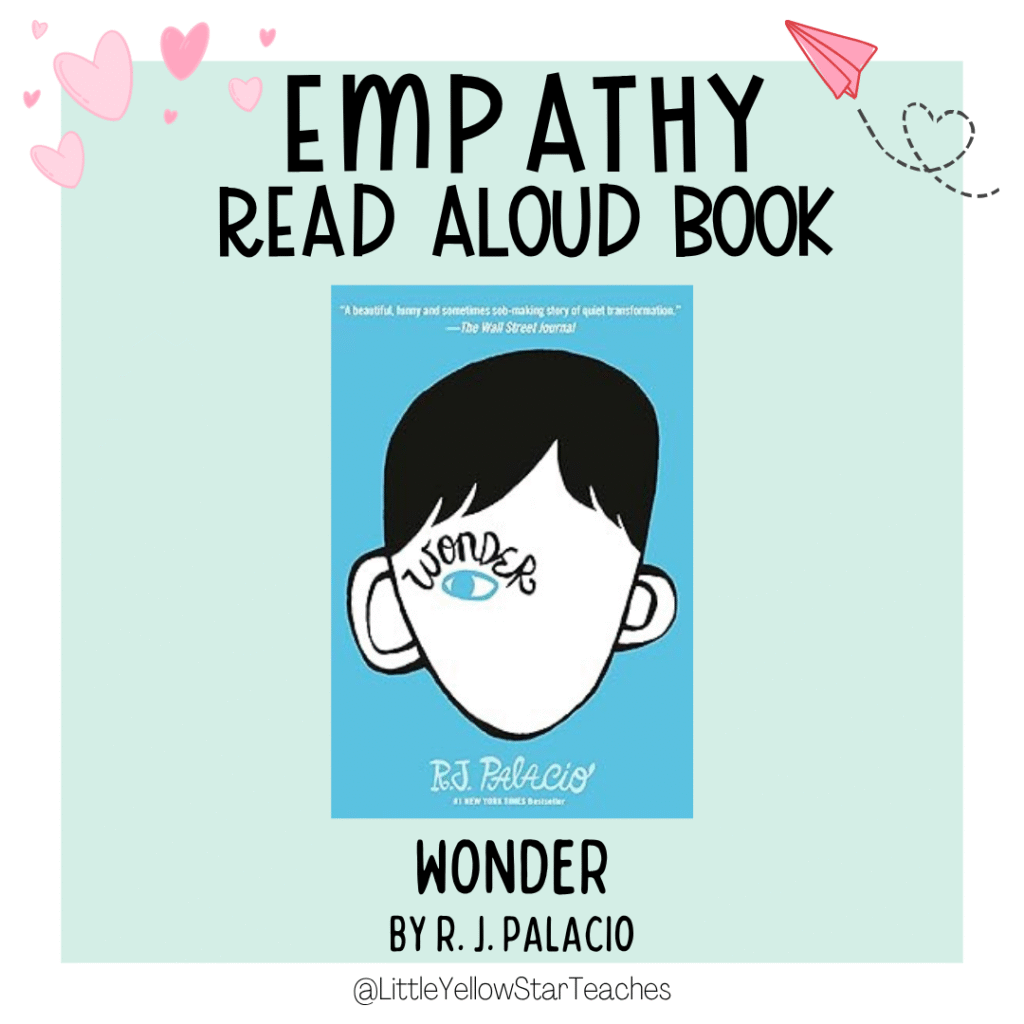
#11 Wonder by R. J. Palacio
Auggie, a boy with a facial difference, navigates middle school and teaches others about acceptance and courage. This bestselling novel explores empathy through the eyes of multiple characters.
Highlights compassion, resilience, and the importance of seeing people for who they are inside.
Activity Suggestion:
Write a “Choose Kind” journal entry about a time you practiced kindness.
Discussion Questions:
- What challenges did Auggie face?
- How did others show (or not show) empathy?
- What does “Choose Kind” mean to you?
Grab these free resources to make your teaching life easier!

What Empathy Book(s) Are You Going To Read Later?
Empathy books for kids help build a kinder, more connected world—one story at a time. Whether a child is learning to share, comfort a friend, or understand different perspectives, these books offer tools to help them grow with compassion and heart.
Which empathy-themed book is on your shelf? Tag me on Instagram @LittleYellowStarTeaches and share your favorite reads, drawings, or kindness stories inspired by the books!
Happy reading!
Prima at LittleYellowStar
* * *
Other Blog Posts That You Might Enjoy:
- 15 Minutes Daily Social And Emotional Learning Activities For The Classroom (SEL Made Easy)
- How To Offer Growth Mindset Praise Effectively
- 3 Activities To Introduce Growth Mindset