11 Dragonfly Books for Kids
Shimmering Stories About Nature’s Flying Acrobats
Dragonflies are some of the most fascinating insects children can discover. With their shimmering wings, lightning-fast flight, and ability to glide over ponds and lakes, dragonflies capture curiosity the moment kids spot them. Dragonfly books invite young readers to explore the world of wetlands, insects, and nature’s incredible life cycles.
In this post, I’m sharing why dragonfly books are wonderful additions to your child’s bookshelf. I’ve also included engaging activities and discussion questions to help children learn more about these amazing flying insects.
***Disclosure: This post contains an Amazon affiliate link that at no additional cost to you, I may earn a small commission when you purchase through the link from my blog. Thank you for your support!
Table of Content
- Why Read Books About Dragonflies?
- The Role of Books in Teaching Kids about Dragonflies
- How To Use Books About Dragonflies With Children
- 11 Dragonfly Books For Children
- What Dragonfly Book(s) Are You Going To Read Later?
Why Read Books About Dragonflies?
Dragonfly books help children discover one of nature’s most unique insects.
Through stories and nonfiction books, kids learn about how dragonflies start life underwater as nymphs before transforming into winged adults. These books often spark curiosity about ponds, wetlands, and the many creatures that live near water.
Dragonflies also symbolize change and growth, making their stories both educational and inspiring.
The Role of Books in Teaching Kids about Dragonflies
Books about dragonflies introduce children to life cycles, habitats, and ecosystems.
Young readers can learn about metamorphosis, aquatic insects, and how dragonflies help control mosquito populations. Dragonfly stories also encourage observation of nature and appreciation for insects that play important roles in the environment.
These books help children see how many fascinating creatures live in and around ponds and wetlands.
How to Use Books about Dragonflies with Children
Here are some fun ways to extend dragonfly-themed learning:
- Ask Open-Ended Questions: After reading, ask: Why do dragonflies start life underwater? or What makes dragonflies such good fliers?
- 🎨 Engage in Dragonfly-Themed Activities: Create colorful dragonfly crafts using tissue paper or cellophane wings, visit a pond to observe insects, build a dragonfly life cycle chart, or draw wetland habitats.
- 📚 Refer Back to the Books: During science lessons, say: Remember how the dragonfly lived underwater before growing wings? That’s part of its life cycle.
- 👨👩👧 Involve Other Caregivers: Encourage families to explore ponds or nature trails together and look for dragonflies. Observing them in real life helps children connect books with nature.

11 Dragonfly Books For Children
Younger Children (Ages 3-6)
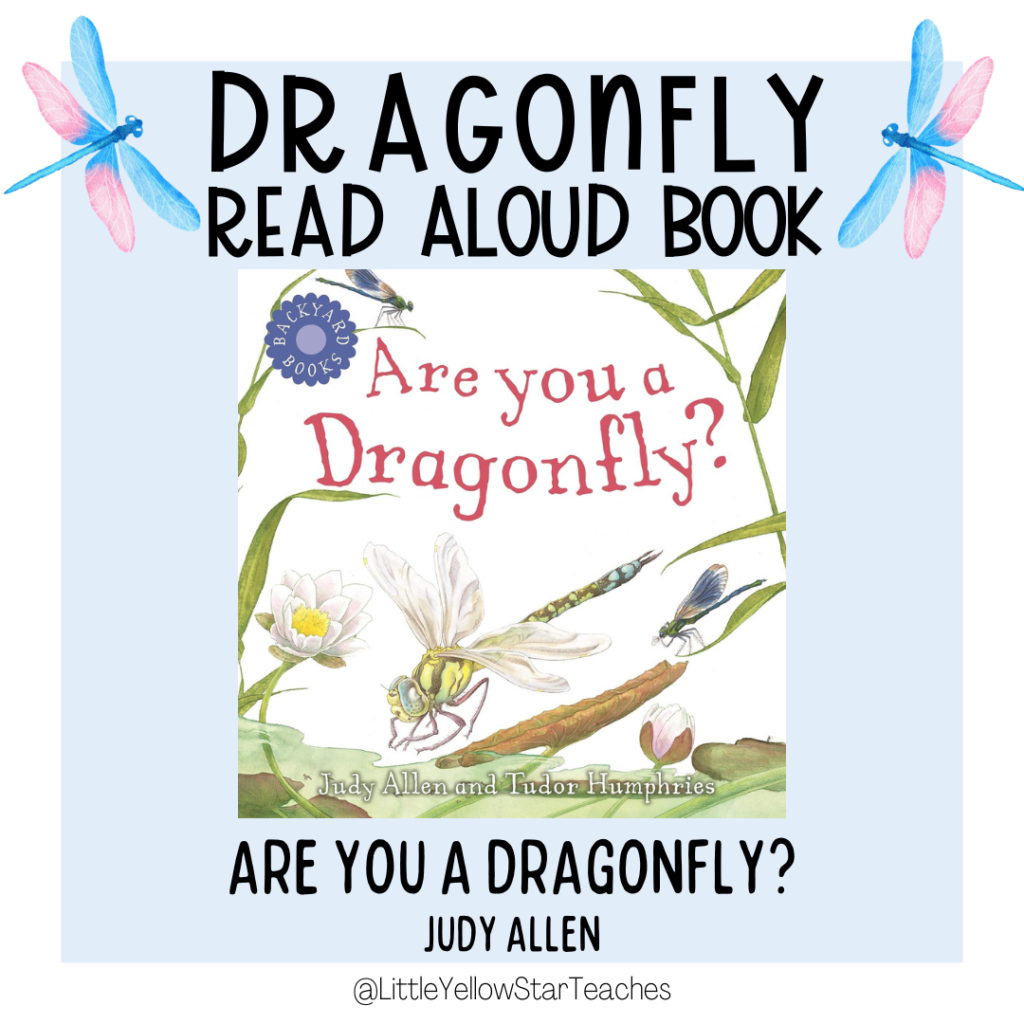
#1 Are You a Dragonfly? by Judy Allen
Part of the beloved Backyard Books science series, this engaging nonfiction picture book introduces young readers to the fascinating life cycle of a dragonfly. Through conversational storytelling and clear illustrations, children follow the transformation from egg to nymph to adult dragonfly while learning how these incredible insects grow and survive.
Activity Idea: Create a dragonfly life-cycle wheel showing egg, nymph, and adult stages.
Discussion Questions:
• What stages does a dragonfly go through as it grows?
• Where do dragonflies live when they are young?
• What surprised you about their life cycle?
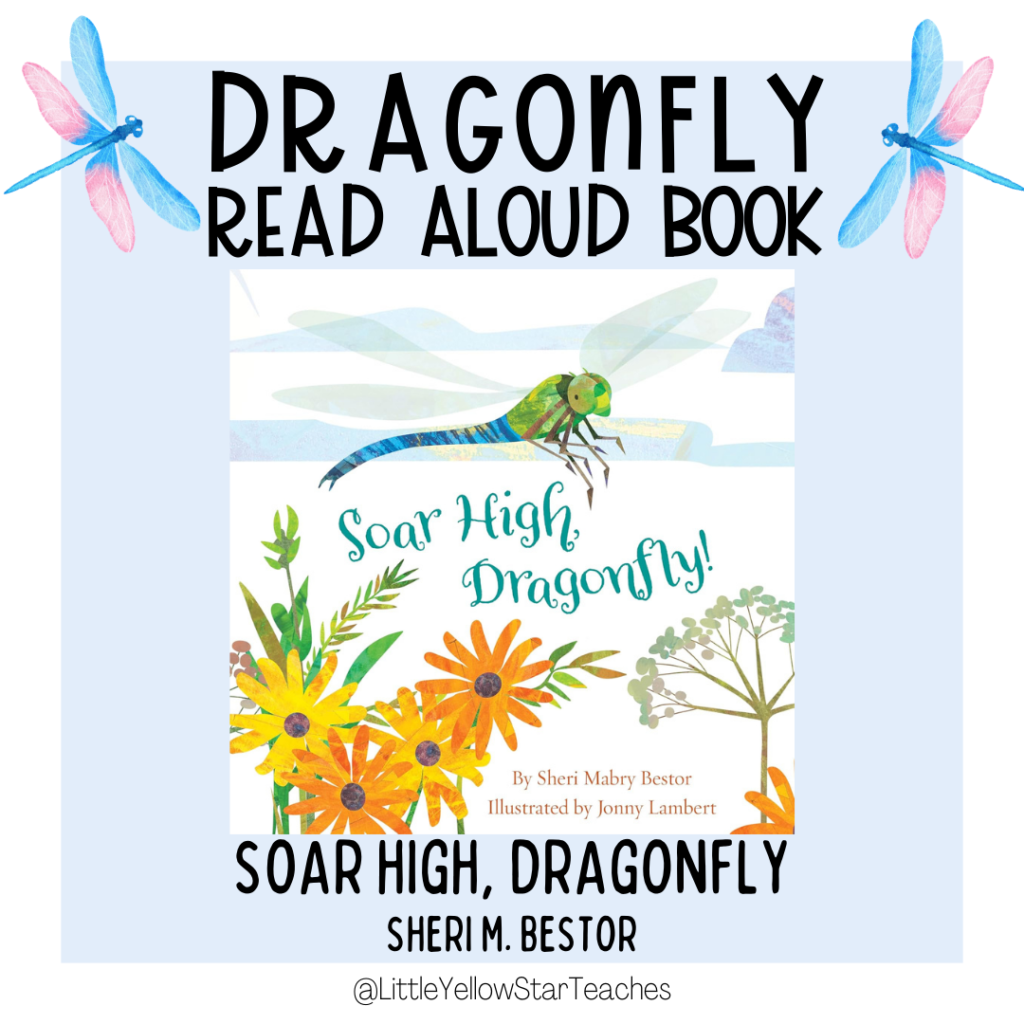
#2 Soar High, Dragonfly by Sheri M. Bestor
This inspiring picture book follows a dragonfly learning to spread its wings and soar. With gentle storytelling and colorful illustrations, the book encourages children to believe in themselves and face challenges with courage.
Activity Idea: Draw a dragonfly flying high and write a sentence about something you want to achieve.
Discussion Questions:
• What helped the dragonfly learn to fly?
• Why is it important to keep trying?
• When have you felt proud of yourself?
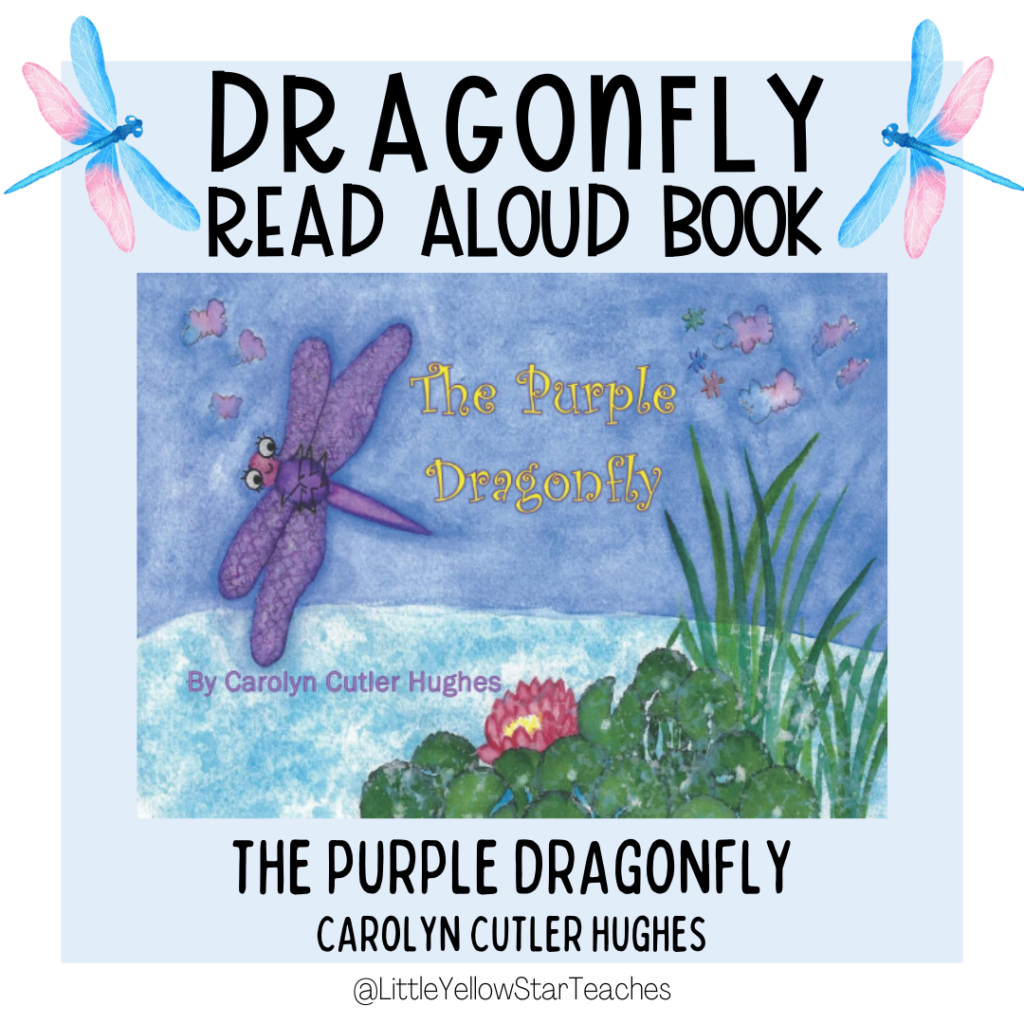
#3 The Purple Dragonfly by Carolyn Cutler Hughes
This imaginative story follows a magical purple dragonfly on a journey through nature. As the dragonfly explores flowers, ponds, and meadows, readers discover themes of curiosity, beauty, and appreciating the natural world.
Activity Idea: Paint or draw a colorful dragonfly using bright wings and patterns.
Discussion Questions:
• What places did the dragonfly visit?
• What colors do you imagine dragonflies have?
• Why are insects important in nature?

Lower Elementary Children (Ages 7-9)
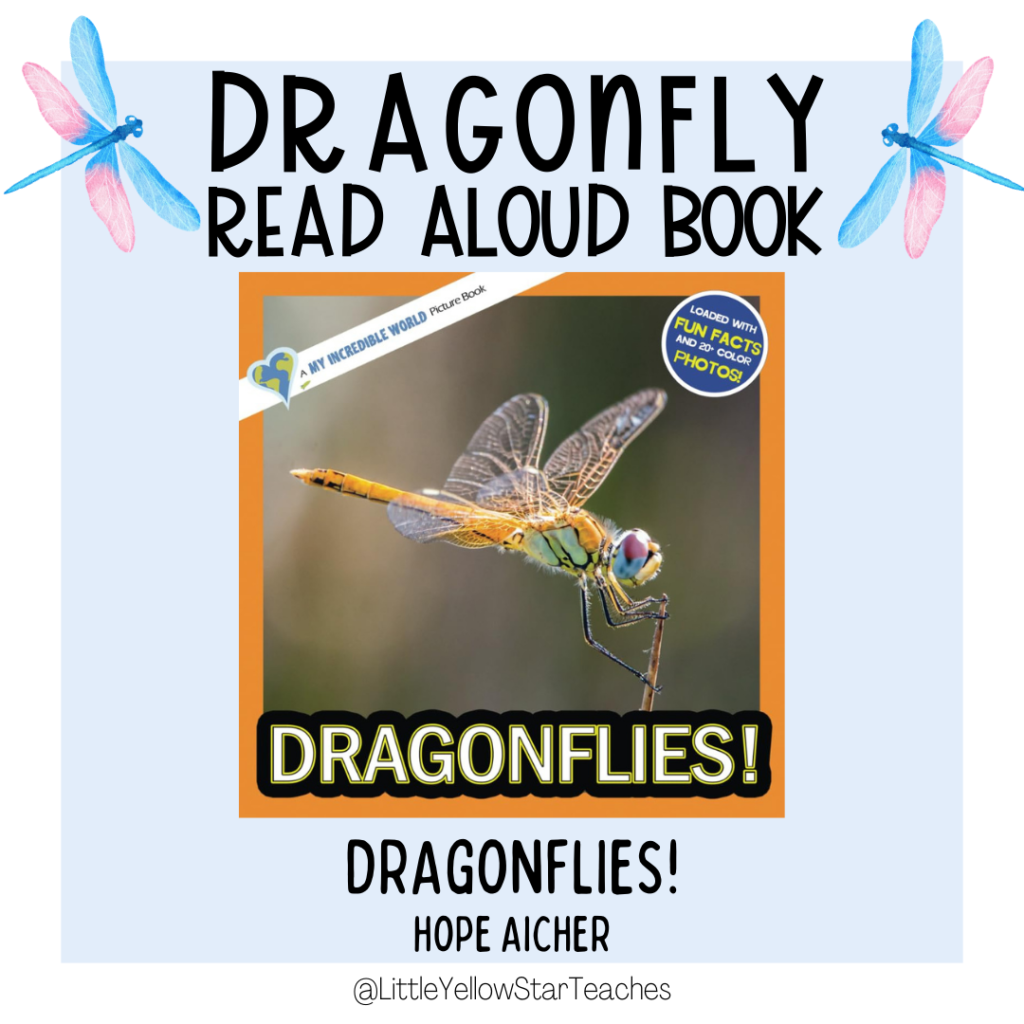
#4 Dragonflies! by Hope Aicher
A kid-friendly nonfiction introduction to dragonflies, this book explains how these insects fly, hunt, and live near water. With photographs and simple explanations, readers learn fascinating facts about dragonfly behavior and habitats.
Activity Idea: Observe insects outside and record what you see in a nature journal.
Discussion Questions:
• Where do dragonflies live?
• What do dragonflies eat?
• What makes dragonflies good fliers?
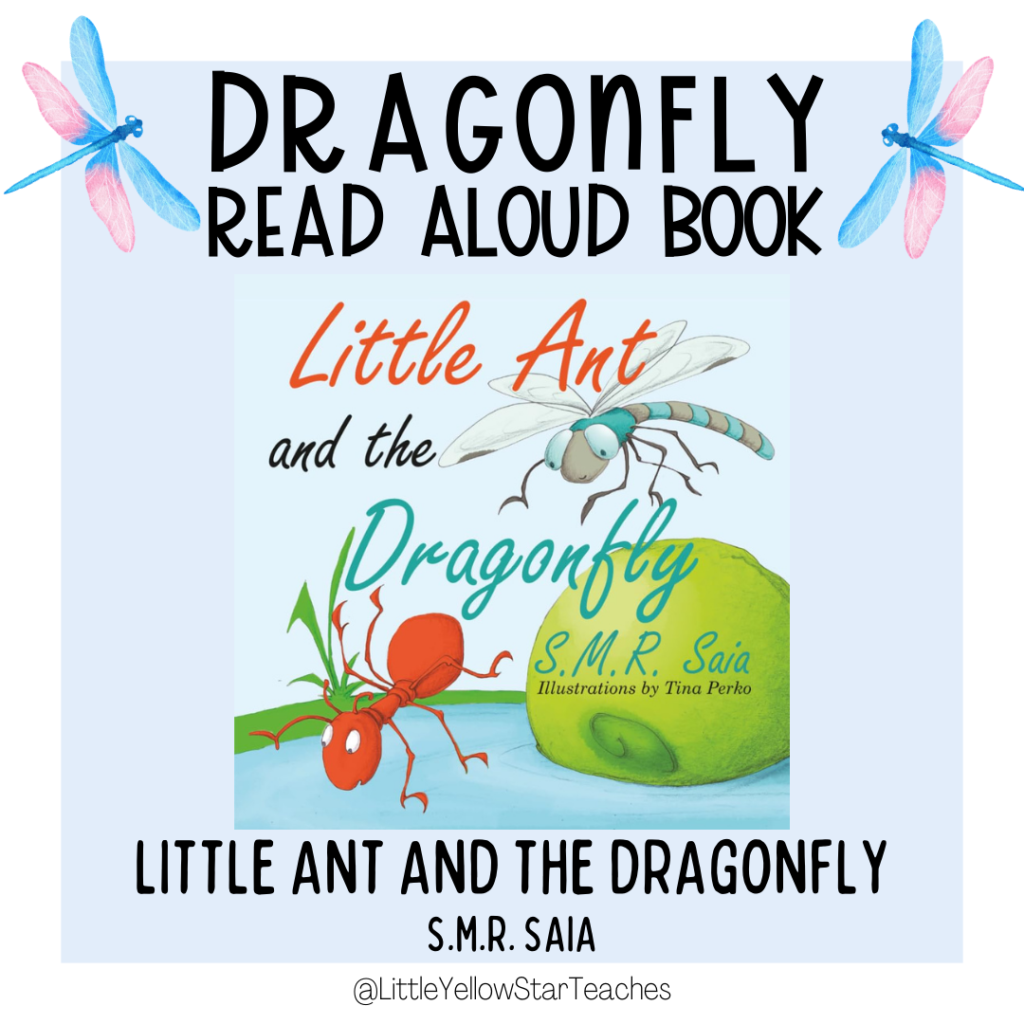
#5 Little Ant and the Dragonfly by S.M.R. Saia
In this heartwarming story, a tiny ant befriends a dragonfly, proving that even the smallest creatures can form meaningful friendships. The story emphasizes kindness, cooperation, and the value of helping others.
Activity Idea: Write a short story about two animals becoming unlikely friends.
Discussion Questions:
• How did the ant and dragonfly help each other?
• What makes a good friend?
• Why is teamwork important?
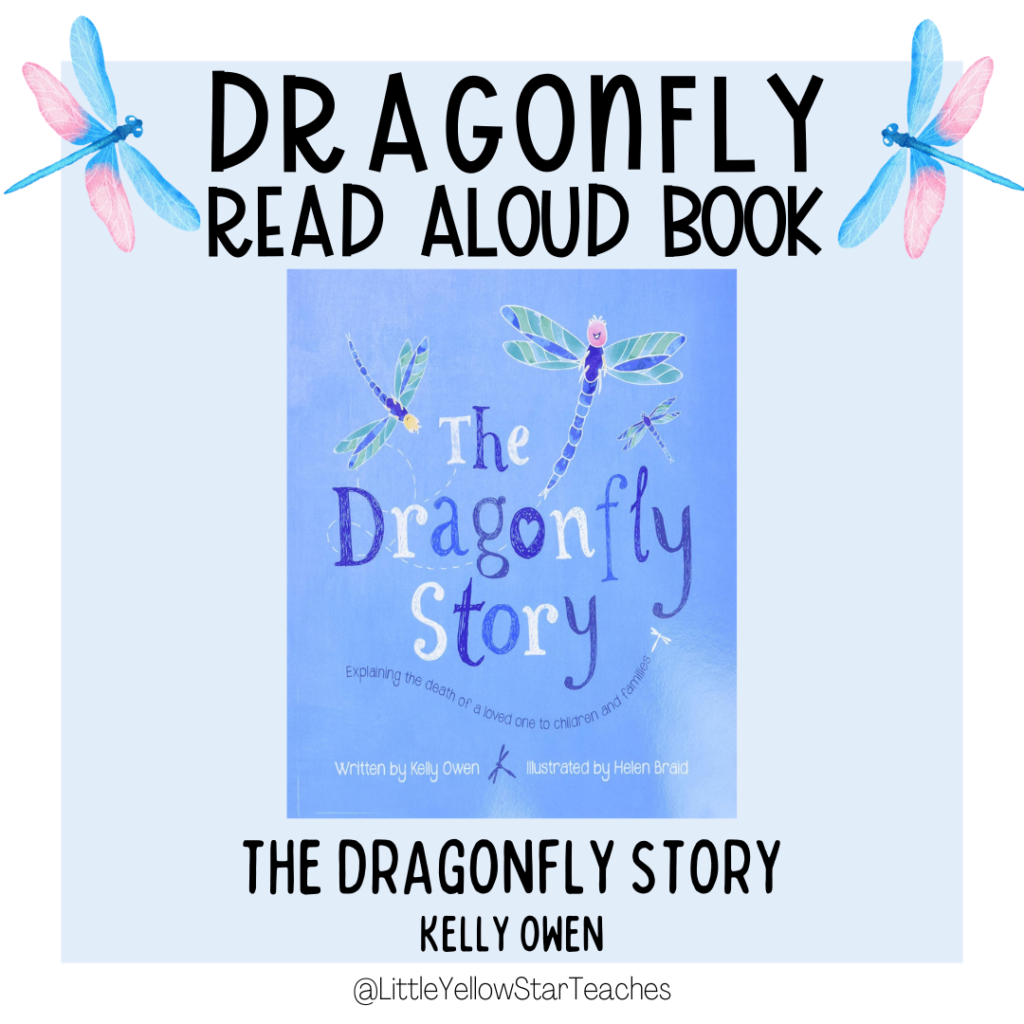
#6 The Dragonfly Story by Kelly Owen
Often shared as a comforting story about hope and remembrance, this gentle tale uses the dragonfly’s life cycle as a metaphor for transformation and new beginnings. It encourages readers to see beauty and meaning in change.
Activity Idea: Create a dragonfly craft using paper wings and markers.
Discussion Questions:
• What does the dragonfly represent in the story?
• How does change help us grow?
• What new things have you learned recently?
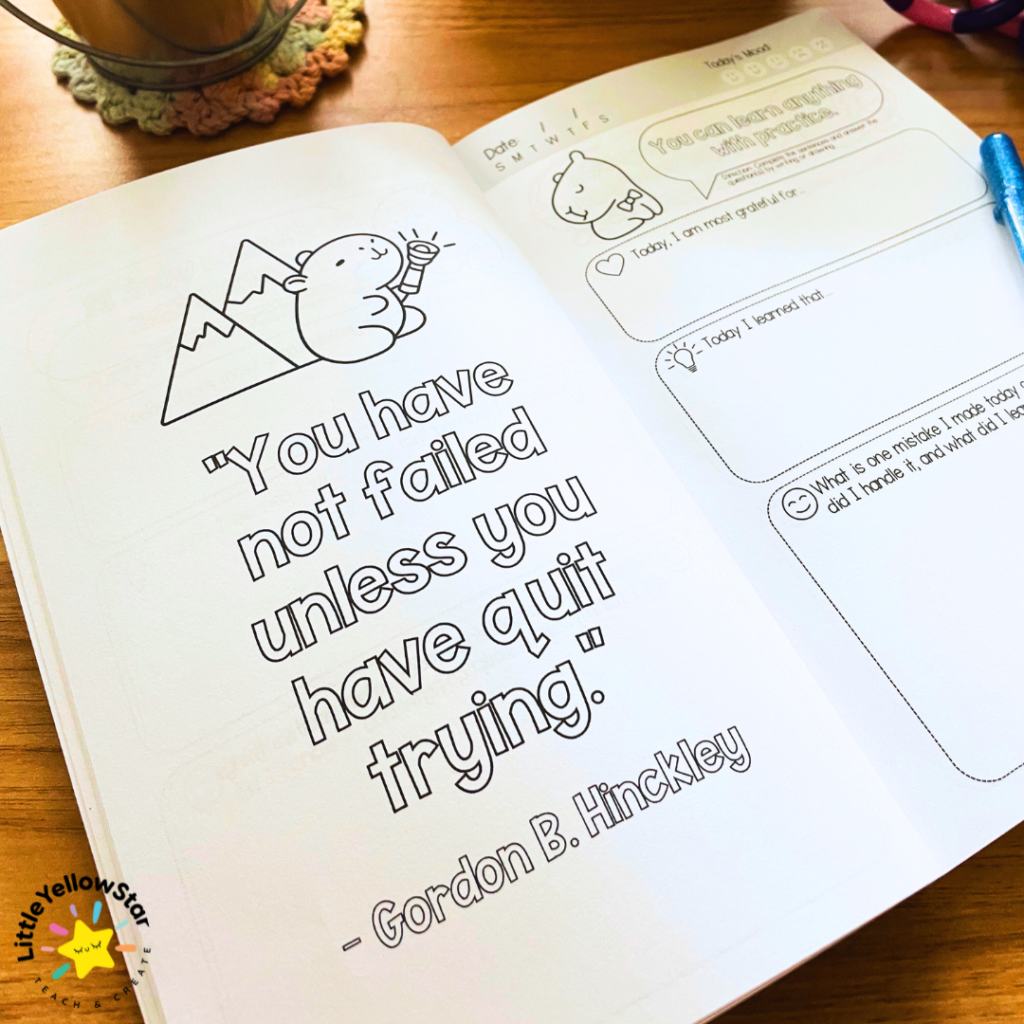
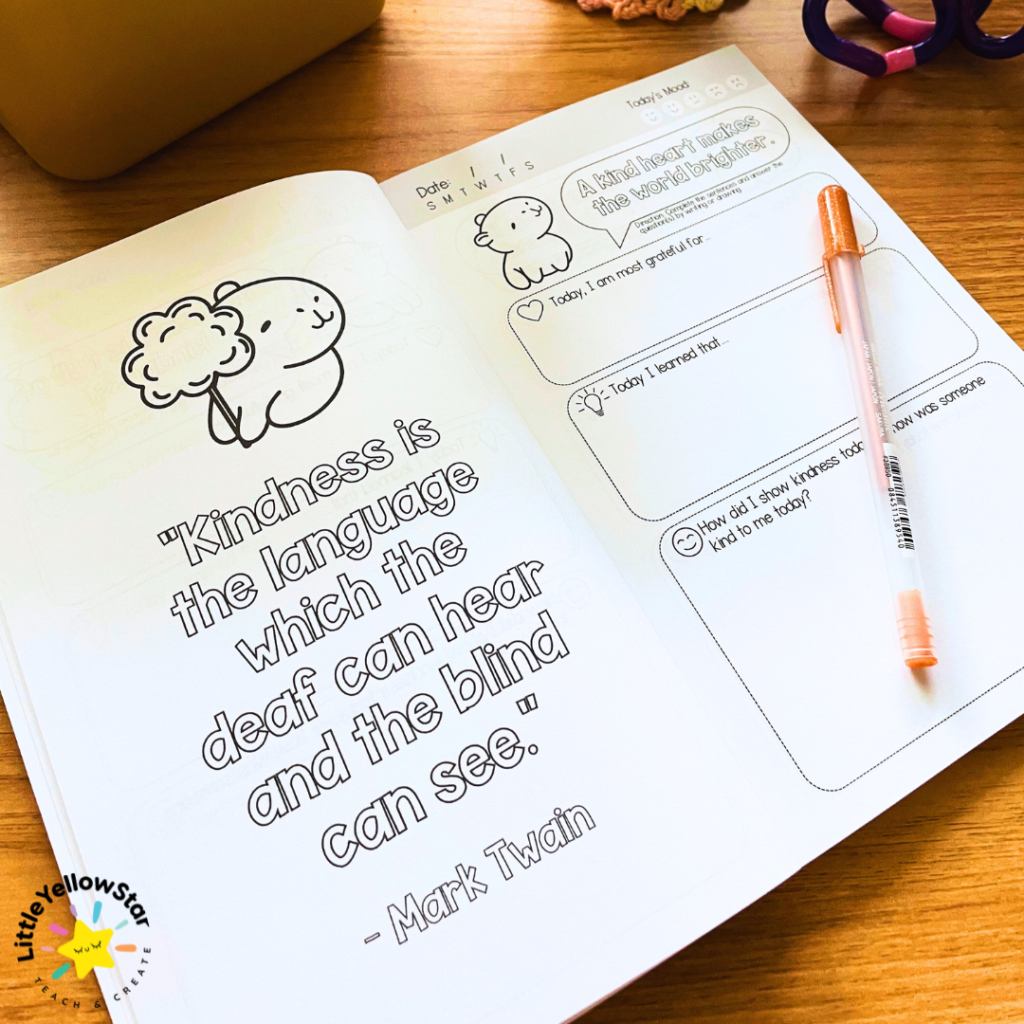
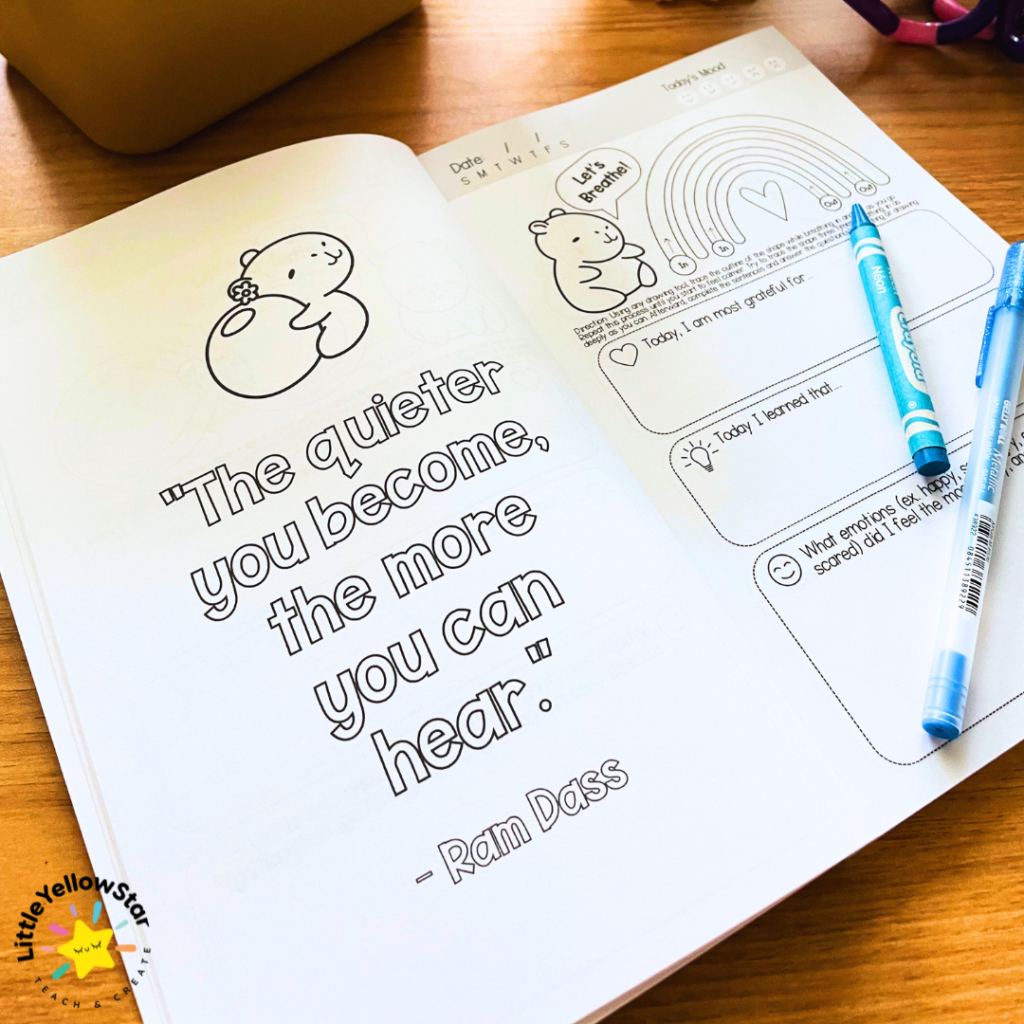
Check Out Capybara-Theme Daily Reflection Journals For Kids!
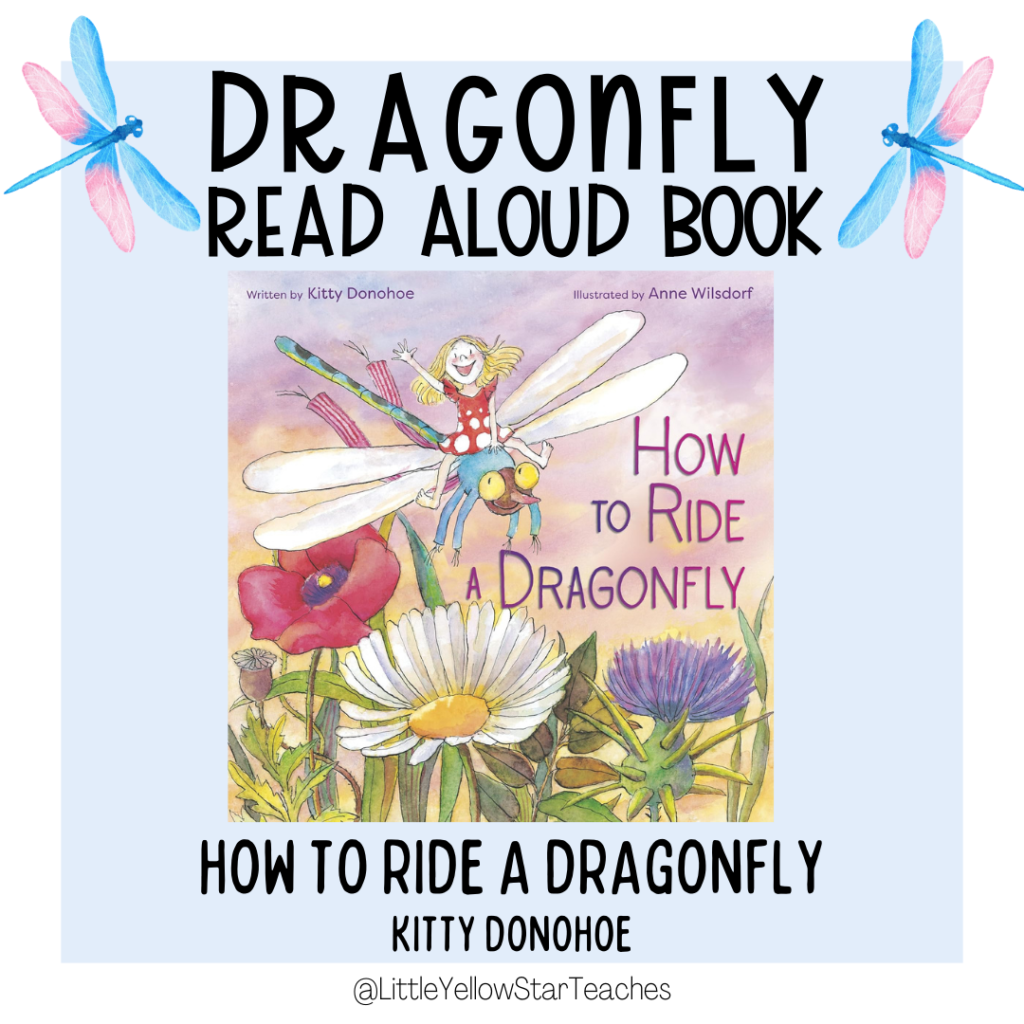
#7 How to Ride a Dragonfly by Kitty Donohoe
This whimsical story invites readers into a magical adventure where riding a dragonfly becomes possible. The imaginative tale celebrates creativity, wonder, and the joy of exploring nature with curiosity.
Activity Idea: Draw yourself riding a dragonfly on an adventure.
Discussion Questions:
• Where would you go if you could ride a dragonfly?
• What makes imagination powerful?
• What adventures would you create?
Upper Elementary Children (Ages 9-11)
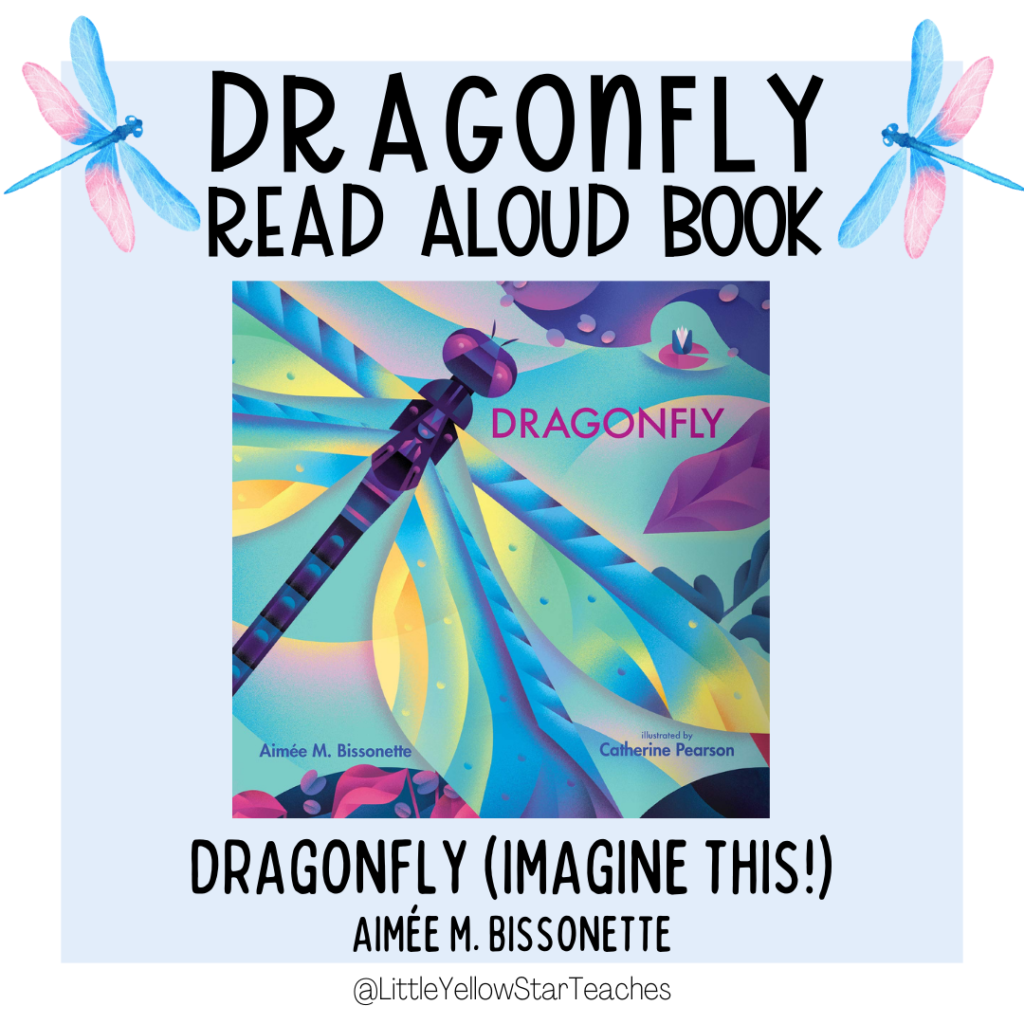
#8 Dragonfly (Imagine This!) by Aimée M. Bissonette
This beautifully illustrated nonfiction picture book explores the dragonfly’s incredible abilities—its speed, vision, and ancient history. Readers learn how dragonflies have existed for millions of years and why they are important in ecosystems.
Activity Idea: Compare dragonflies with other flying insects using a chart.
Discussion Questions:
• What special abilities do dragonflies have?
• How long have dragonflies existed?
• Why are they important in nature?
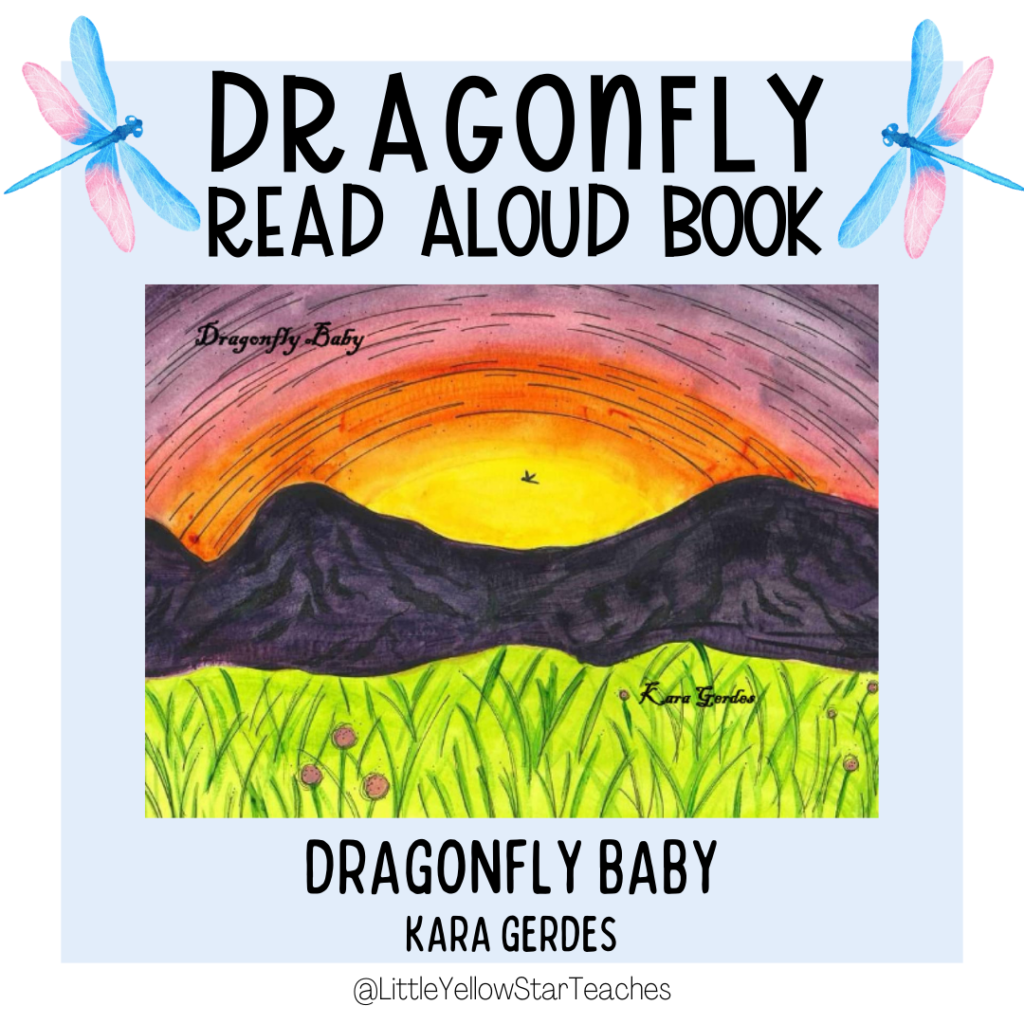
#9 Dragonfly Baby by Kara Gerdes
This gentle story follows a baby dragonfly as it grows and learns about the world around it. The story introduces young readers to nature while highlighting curiosity and discovery.
Activity Idea: Draw the stages of a dragonfly growing up.
Discussion Questions:
• What did the dragonfly learn?
• How do baby animals grow?
• What new things do you discover every day?

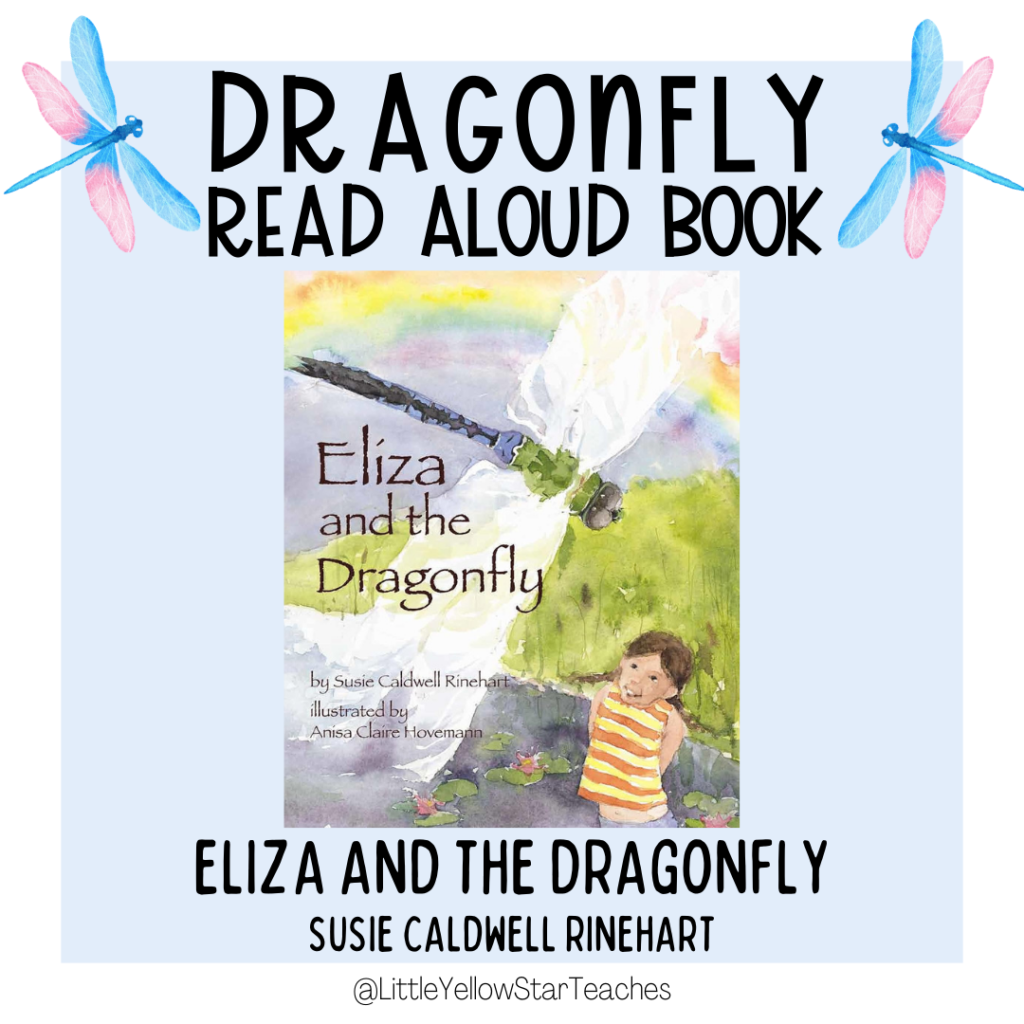
#10 Eliza and the Dragonfly by Susie Caldwell Rinehart
Eliza discovers a dragonfly and begins to see the beauty of nature through new eyes. The story encourages mindfulness and appreciation for the small wonders found in everyday outdoor experiences.
Activity Idea: Go on a nature walk and draw something you notice.
Discussion Questions:
• What did Eliza learn from the dragonfly?
• What beautiful things can we find in nature?
• Why is spending time outdoors important?
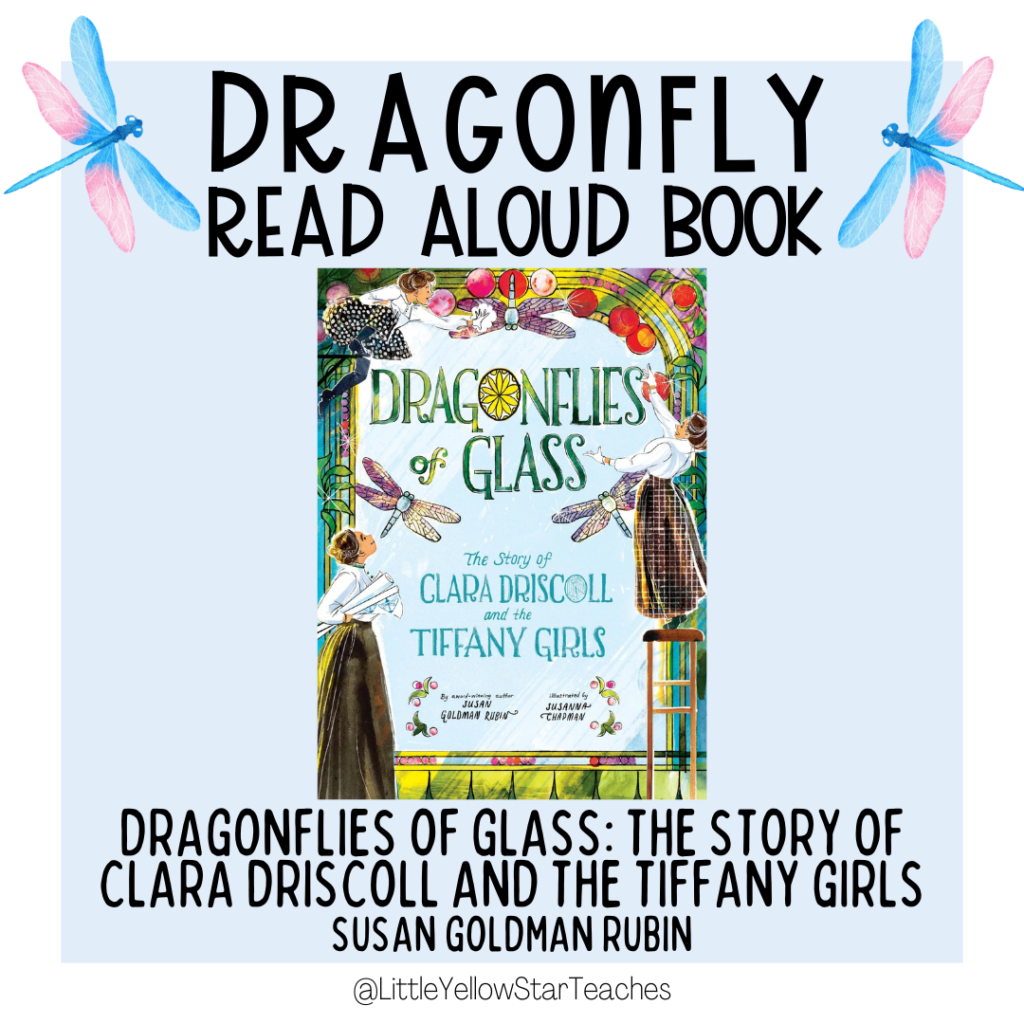
#11 Dragonflies of Glass: The Story of Clara Driscoll and the Tiffany Girls by Susan Goldman Rubin
This fascinating nonfiction book tells the true story of Clara Driscoll and the women artists who helped design Tiffany’s famous stained-glass dragonfly lamps. Readers learn about art, creativity, and the often-overlooked contributions of women artists.
Activity Idea: Design a stained-glass style dragonfly using colored paper or markers.
Discussion Questions:
• Who were the Tiffany Girls?
• What inspired their dragonfly designs?
• How can art tell stories about nature?
Grab these free resources to make your teaching life easier!

What Dragonfly Book(s) Are You Going To Read Later?
Dragonfly books for kids open the door to a beautiful and fascinating part of the insect world. They inspire curiosity about wetlands, life cycles, and the many creatures that share our ecosystems.
Which dragonfly story will you explore next? Tag me on Instagram @LittleYellowStarTeaches and share your dragonfly crafts or nature discoveries.
Happy reading!
Prima at LittleYellowStar
* * *
Other Blog Posts That You Might Enjoy:
- 15 Minutes Daily Social And Emotional Learning Activities For The Classroom (SEL Made Easy)
- How To Offer Growth Mindset Praise Effectively
- 3 Activities To Introduce Growth Mindset